For more information about senior living options: (866) 208-4318
3.4 from 127 reviews
5 stars
69
4 stars
8
3 stars
3
2 stars
4
1 stars
43
Overall Review of Marywood Nursing Care Center
caveat8 reviews mention this
Call lights are hit or miss
Residents report both fast help and long waits when they need assistance.
Some residents describe delayed responses when they push call lights, including waiting to reach staff for bathroom help and being left unable to use the call system. Others report the opposite experience, saying help came quickly after button use. Several families connect these delays to missed or difficult care needs during recovery.
common28 reviews mention this
Staff care varies by shift
Many reviewers describe attentive, kind caregivers who stayed engaged with their recovery.
Across reviews, residents and families frequently describe staff as caring, responsive, and supportive—especially nurses, aides, and therapy teams. Some reviewers single out specific team members for attentive day-to-day care and good communication with families. At the same time, a recurring minority of reviews complain about rudeness, limited help, and poor follow-through, sometimes focused on nursing or night care.
differentiator25 reviews mention this
PT and OT get strong praise
Physical and occupational therapy are commonly praised as a key part of recovery.
Many reviewers highlight consistent PT and OT support—mentioning scheduled sessions, strength-building goals, and therapists who were patient and knowledgeable. Families also describe therapy as helping loved ones make progress after injuries and surgeries. While the rehab work is repeatedly praised, some negative reviews say other parts of care (like assistance with basics) didn’t match the therapy effort.
common12 reviews mention this
Restaurant-style dining and alternatives
Dining stands out to many residents, with regular meal service and diet-focused options mentioned.
Several reviews mention the quality of meals, describing food that is good and served on time, with options when residents don’t want something on the menu. Others mention diet needs being handled, including special dietary restrictions and diabetes-focused meal planning. A smaller set of reviews is less positive about meal quality, but overall dining shows up as a frequent part of the day-to-day experience.
common20 reviews mention this
Clean, cared-for facility
Multiple reviewers emphasize that the building looks clean and well maintained.
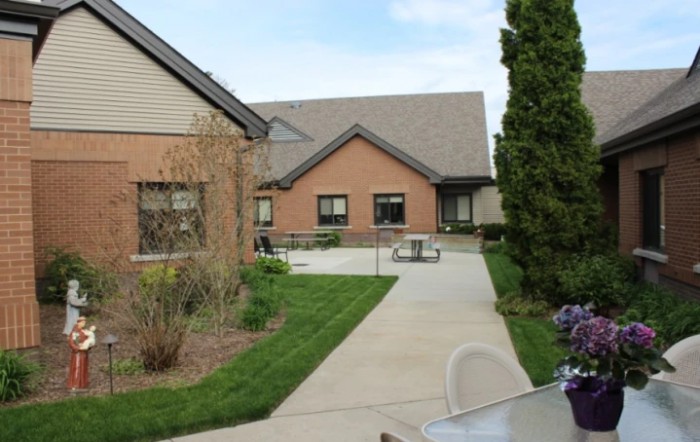
Many residents and families describe a clean facility, including rooms and common areas, and note housekeeping support as part of their experience. Some reviews also point to clean, updated spaces and well-kept grounds that help visitors feel comfortable. A minority of negative reviews mention dirty rooms or hygiene concerns, but cleanliness is one of the more common themes overall.
differentiator6 reviews mention this
24-hour call and supervision
The care model includes a 24-hour call system and supervision, matching how some families describe prompt help.
The community is set up around 24-hour call and supervision, and multiple reviewers say staff responded quickly after they needed assistance. But other reviews describe times when help was delayed or basic needs weren’t met promptly, which suggests the experience can vary even with the designed coverage. Reviews that criticize care most often focus on staffing availability and follow-through rather than the stated system itself.
How we summarize
Counts show how many written reviews mention each theme; a review can touch several themes, and only frequently mentioned themes are displayed.
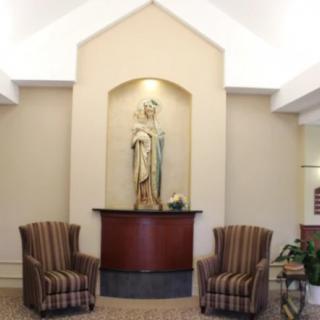
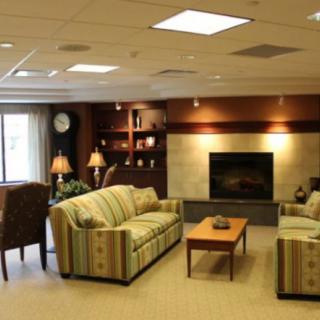
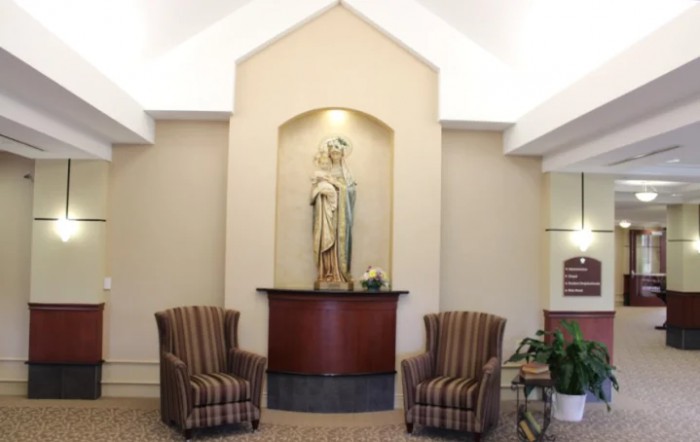
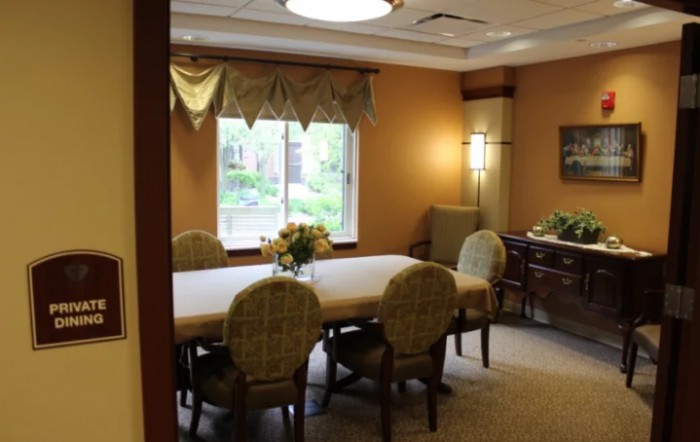
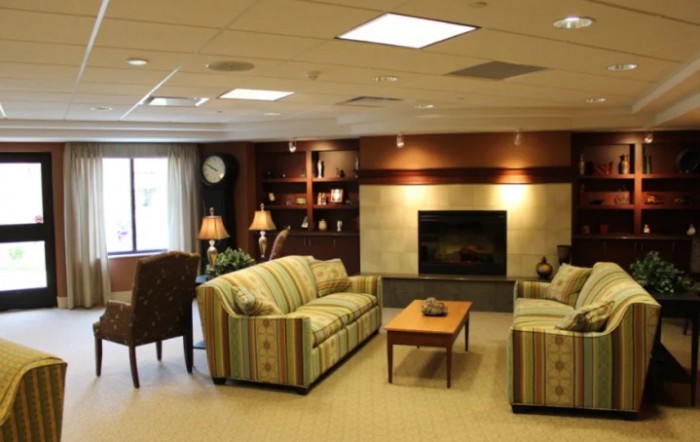
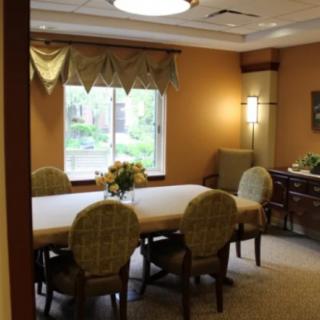
Marywood Nursing Care Center on seniors.fyi includes 5 photos including images showing interior, windows, decor, lights, architecture, dining, light fixture, living room, and more.
Nearby Communities
Villa Marie
Livonia, MI
4.5 from 58 reviews
$1,820 / month
Caring, attentive maintenance staff in a clean, welcoming setting.
Grimaldi Home
Livonia, MI
Fully furnished assisted living with comprehensive ADL support and on-site dining.
Grennada Adult Foster Care
Livonia, MI
Small, intimate setting with 24-hour supervision, ADL assistance, diabetes-friendly dining, full furnishings, housekeeping, and transportation to medical appointments.
Levan Adult Foster Care Home
Livonia, MI
3.8 from 16 reviews
Small, intimate 6-bed setting with 24/7 supervision, ADL/medication support, diabetes-friendly meals, and transportation to medical appointments.
Fitzgerald
Livonia, MI
Comprehensive care and amenities (24/7 supervision, ADL assistance, meals, transport for medical appointments, diabetes diet, housekeeping), fully furnished apartments, Wi-Fi, and scheduled activities.
Forever Young Living
Livonia, MI
Small, intimate setting with comprehensive care and amenities.
Cedarbrook of Northville
Plymouth, MI
4.6 from 103 reviews
Excellent staff and a resort-like, well-maintained environment with engaging activities.
Fairmont of Northville
Plymouth, MI
4.2 from 57 reviews
$4,400 to $6,900 / month
Clean, modern facility with attentive staff and diverse activities.
Brashear Towers Senior Citizen
Livonia, MI
2.9 from 38 reviews
Clean, well-maintained environment with responsive management and a friendly community.
Geriatric care managers create personalized care plans for older adults, addressing their medical, social, financial, and psychological needs while coordinating services and advocating for their well-being. They help families navigate caregiving challenges but may be hindered by high costs and a shortage of qualified professionals.
The article highlights the importance of empathy and open communication when comforting someone who is grieving, noting that grief is unique to each individual and emphasizing the need for sincere expressions of condolence, active listening, and ongoing support. It also addresses cultural differences in mourning practices and encourages tailored approaches to provide effective comfort.
Home health care aides provide vital medical and non-medical support to individuals at home, assisting with daily living activities and promoting emotional well-being, while the demand for these services increases due to an aging population. Families benefit from in-home care's flexibility and cost-effectiveness but face challenges like scheduling consistency and caregiver turnover.
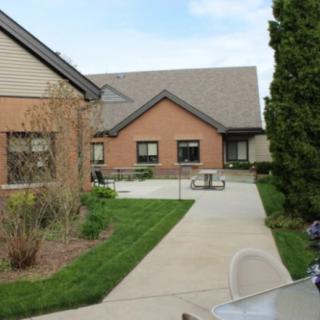
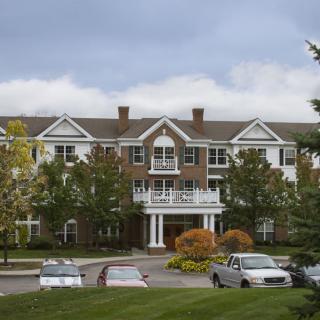
Landscaping, Building, Outdoor, Pathway, and Brick
Windows
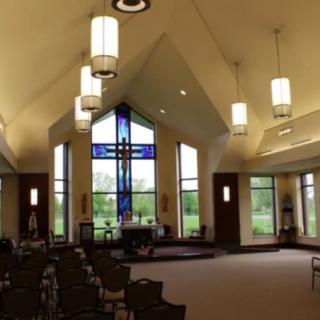
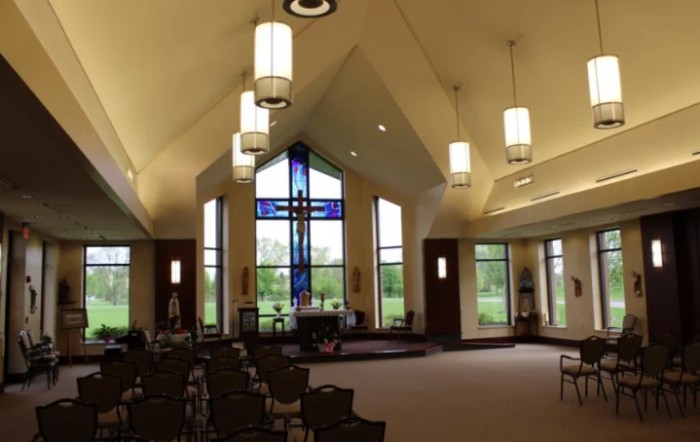
Architecture, Lights, and Church
Get PricingAsk A QuestionSchedule A TourContact Senior Advisor
By clicking submit, you agree to our Partner's Terms of Use. You
also consent to receive calls and texts, which may be autodialed, from our Partner. Your consent is not a condition to
using our Partner's service. Please visit our Partner's Privacy Policy for information about their privacy practices.

 103 resident community capacity
 Skilled Nursing Facility
 Air-conditioning
 Beauty salon
 Cable or satellite TV
 Computer center
 Dining room
 Fitness room
 Fully furnished
 Gaming room
 Garden
 Housekeeping services
 Kitchenette
 Move-in coordination
 Outdoor space
 Private bathrooms
 Restaurant-style dining
 Small library
 Telephone
 Wellness center
 Wi-Fi/high-speed internet available
 Detroit Metropolitan-Wayne County (13 miles away)
 Community operated transportation
 12-16 hour nursing
 24-hour call system
 Activities of daily living assistance
 Assistance with bathing
 Assistance with dressing
 Assistance with transfers
 Diabetes diet
 Medication management
 Mental wellness program
 Special dietary restrictions
 Concierge services
 Planned day trips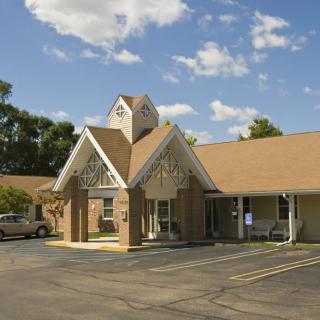
 Caring, attentive maintenance staff in a clean, welcoming setting.
 Is a Geriatric Care Manager the Right Choice for Your Family?
 Compassionate Conversations: How to Comfort Someone Who Is Grieving
 Home Health Care Aides: Understanding Their Role and Supporting Your Family