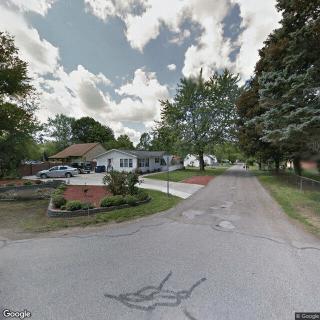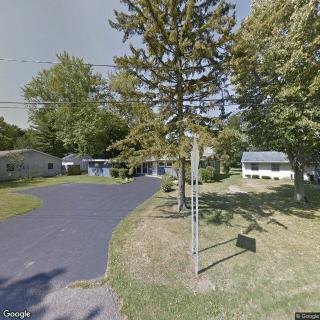



Borgess Gardens in Kalamazoo, MI

Save

  • Interior

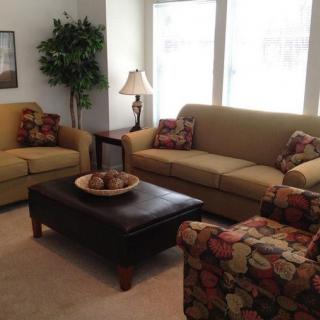
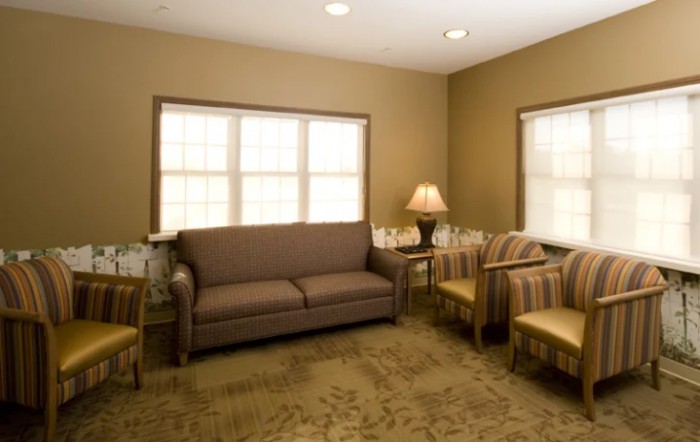
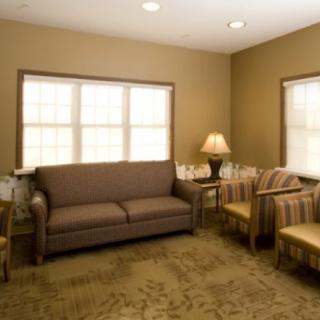
    A cozy living room with a sofa, chairs, and a lamp by the window.
  • Building

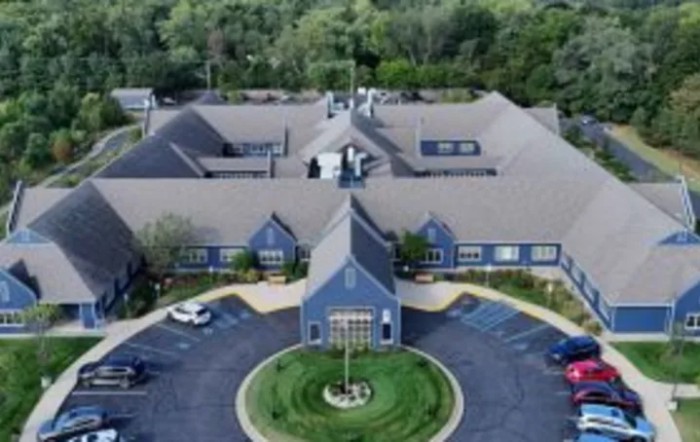
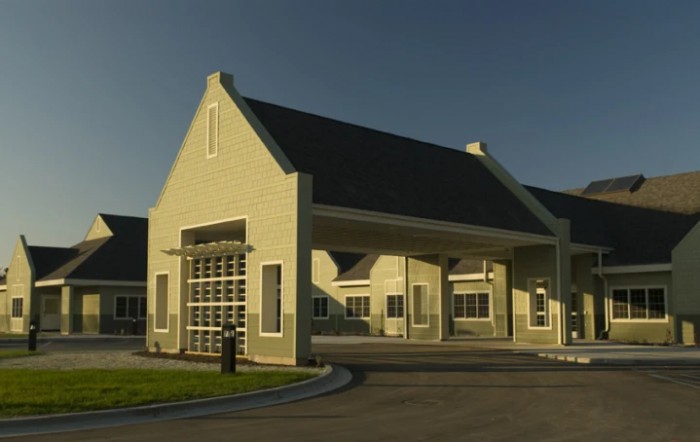
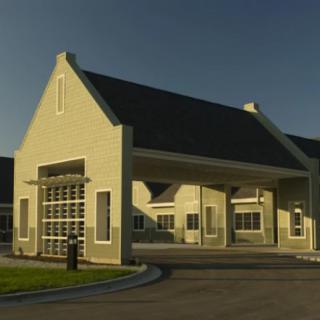
    A drive-thru building with a pitched roof illuminated by sunlight.
  • Architecture

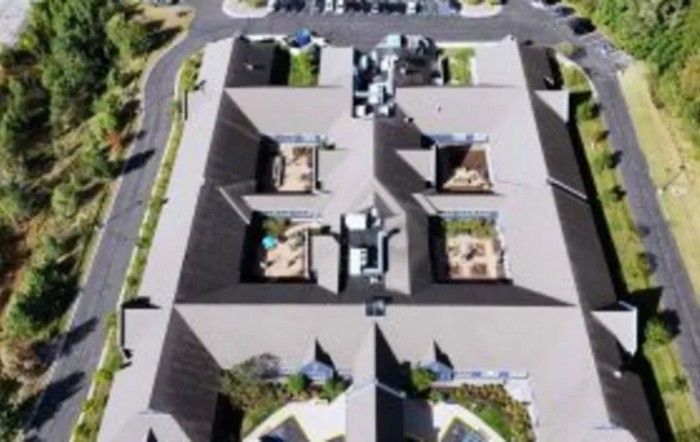
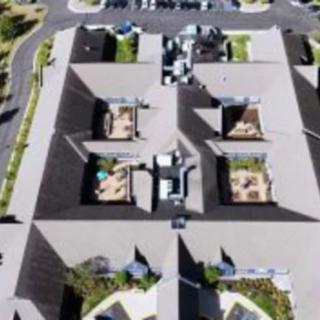
    Aerial view of a series of connected buildings with distinct rooftop layouts.
  • Bedroom

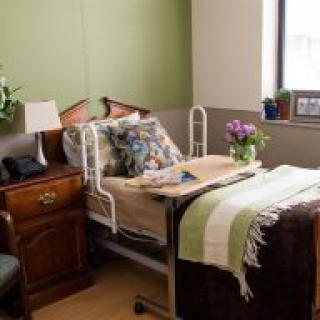
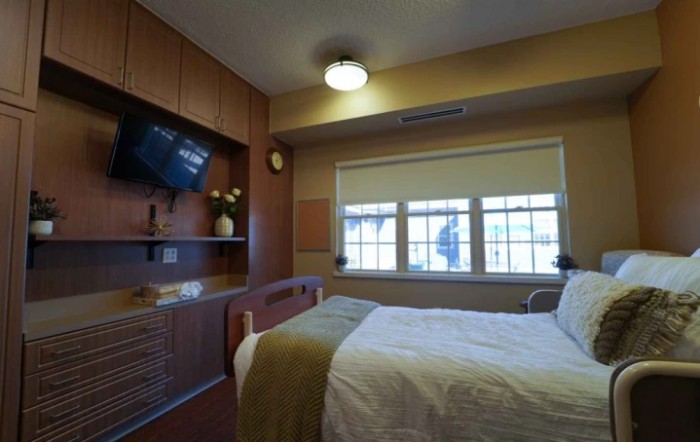
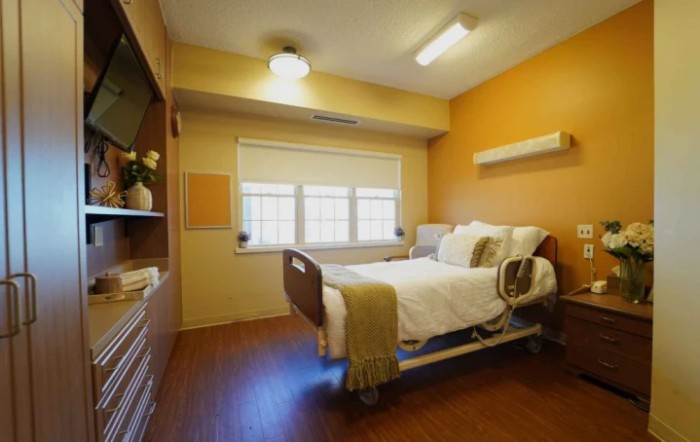
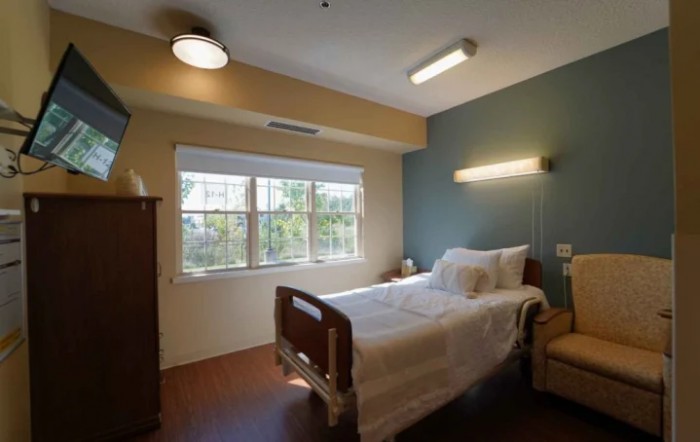
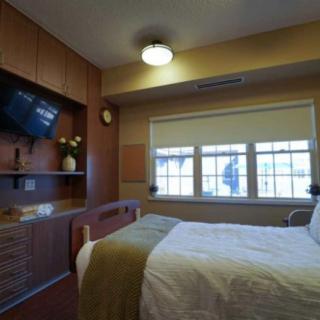
    A neatly arranged hospital room with a bed and television.
  • Trees

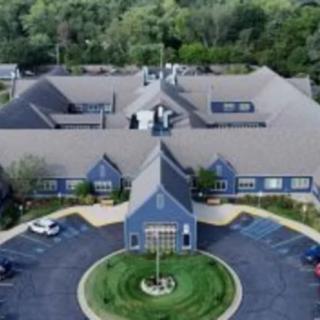
    Aerial view of a large building surrounded by a parking lot and greenery.
  • Windows

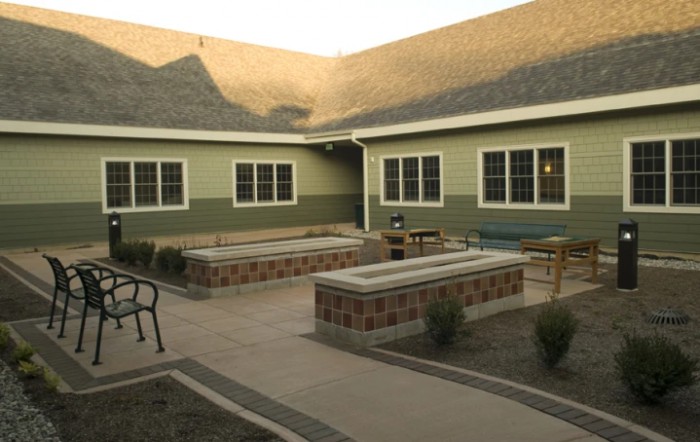
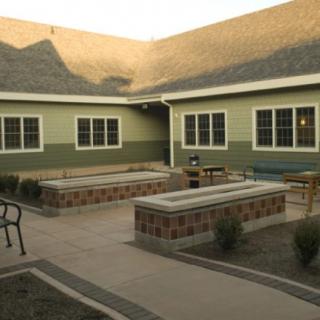
    A quiet courtyard with benches, chairs, and a surrounding building exterior.
  • Dining

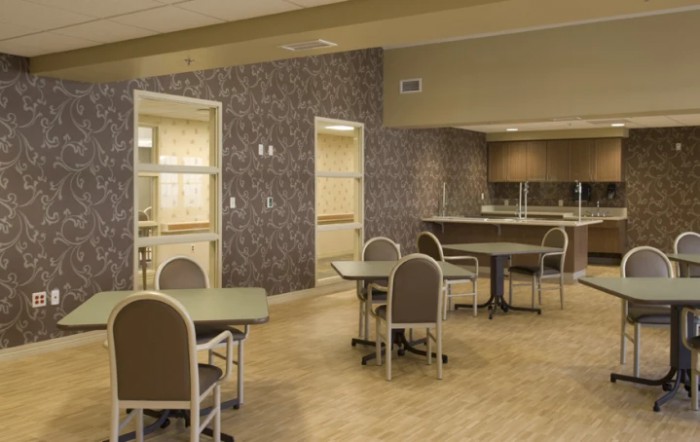
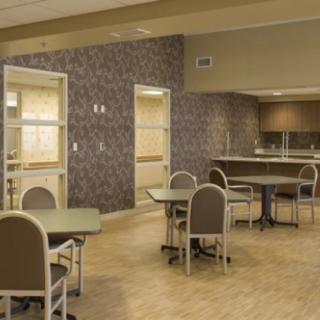
    An empty dining area with tables and chairs arranged in a well-lit, modern setting.
  • Kitchen

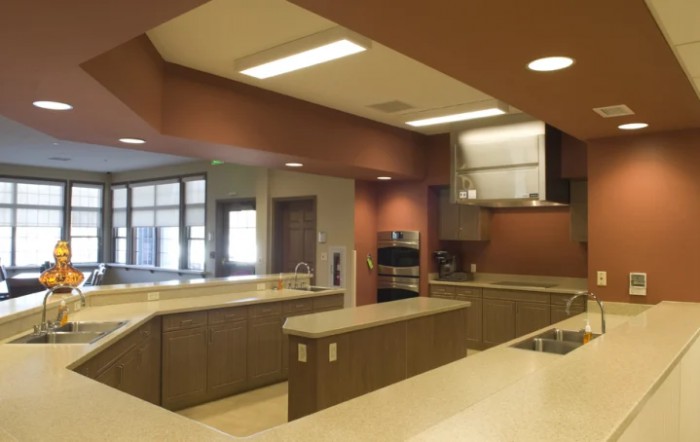
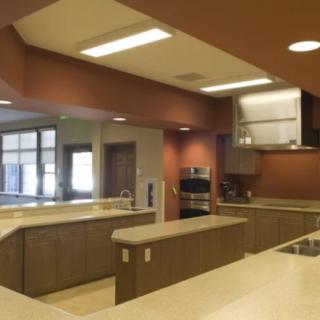
    A modern kitchen with wood cabinets and a central island, featuring recessed lighting.
  • Lighting

    A long, well-lit hallway with windows on one side.
  • Outdoor

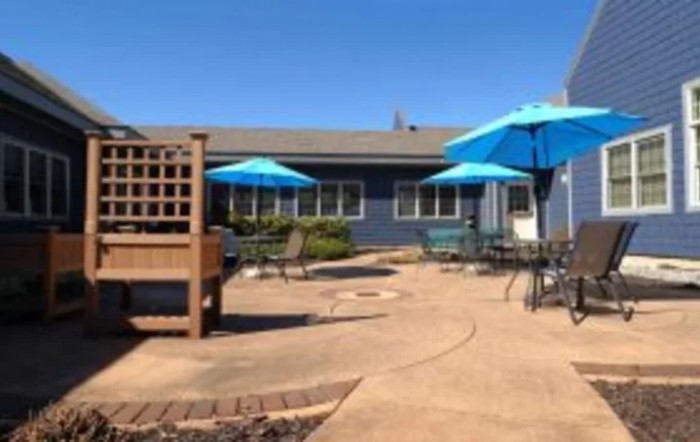
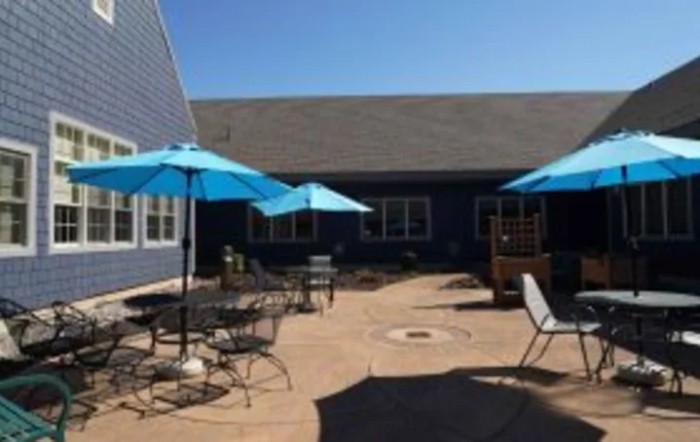
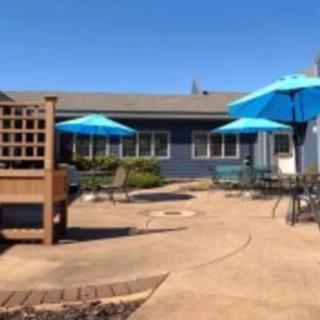
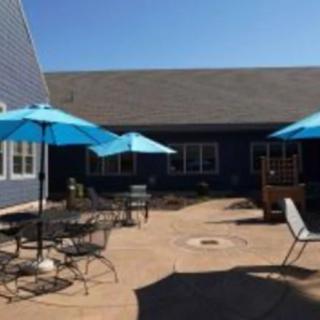
    A sunny patio area with blue umbrellas and outdoor furniture.
  • Patio

    A sunny patio with blue umbrellas and seating arrangements.
  • Bathroom

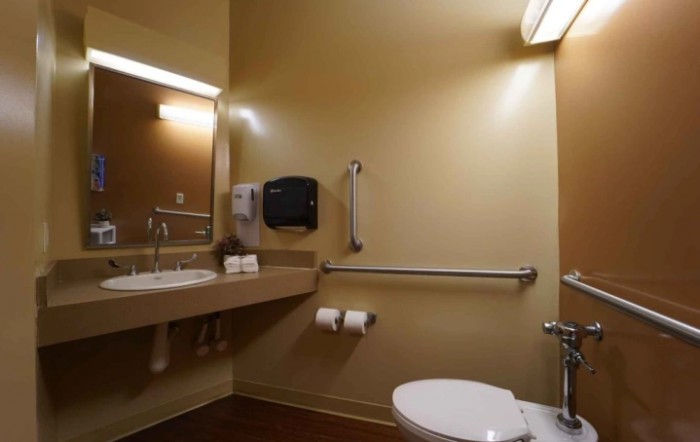
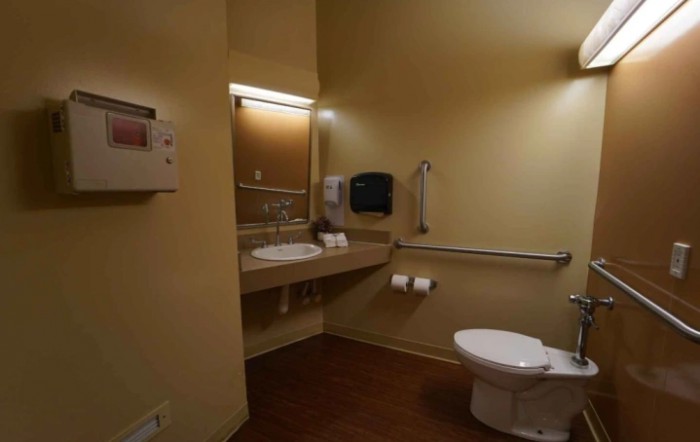
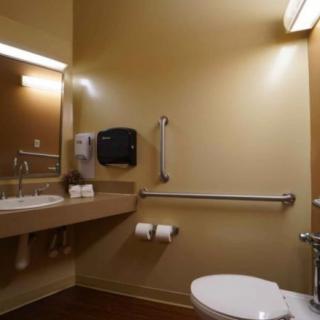
    An accessible bathroom with a sink, toilet, and safety grab bars.
  • Library

    A cozy library corner with bookshelves filled with a variety of books.
  • Healthcare

    A nurse in teal scrubs assists an elderly person.

Borgess Gardens in Kalamazoo, MI

Information last verified:

3057 Gull Road, Kalamazoo, MI 49048

For more information about senior living options: (844) 490-3973

3.6 from 16 reviews
5 stars
10
4 stars
0
3 stars
0
2 stars
1
1 stars
5

Overall Review of Borgess Gardens

Pros

  • pro Valerie was treated very well at The Villa at Borgess.
  • pro Taylor Ellis was especially compassionate and went above and beyond to interact and care for Valerie.
  • pro Taylor Ellis helped with transfers, assisted with eating, and braided Valerie's hair.
  • pro The family is very appreciative of Taylor Ellis's exceptional care.
  • pro The Villa at Borgess is described as a great place.

Cons

  • pro They described the facility as horrible, with phones not working and no staff response.
  • pro They said only minimal physical therapy was provided and their loved one was kept in a diaper.
  • pro They claimed clothes were stolen from their family member.
  • pro They reported that staff ignored calls and could not be reached by family or doctors, and did not follow medication or wound-care orders.
  • pro They stated their loved one was left in urine for hours and denied proper movement or therapy.
  • pro They alleged medications were left unattended or not administered correctly, and that neglect included a missed breathing treatment.
  • pro They described premature rehabilitation discharge and urged that the facility shut down.
  • pro They claimed staff joked about patients' families and that bedsores occurred, with improper use of equipment.

Review

Borgess Gardens in Kalamazoo is best suited for families pursuing a short-term, post-acute rehabilitation path where attentive, hands-on bedside care can make a meaningful difference, provided staffing remains solid and family advocacy is available. The unit known as The Villa at Borgess Place has shown that when caregivers are engaged, residents can receive real, practical support, transfers, feeding, even personal touches like hair care, that help stabilize someone returning from hospital. In scenarios where recovery hinges on daily interaction with compassionate aides and nurses, and where a family can monitor progress and safety daily, this community can be a workable stepping-stone back toward independence. That care-forward posture, when present, offers tangible reassurance during the delicate window after hospitalization.

Explicitly, anyone who needs dependable safety, consistent communication, and reliable medication management should consider alternatives. The most serious reviews raise red flags about unavailable or slow responses to call bells, malfunctioning phones, and staff difficulty coordinating with physicians or hospitals. For residents with complex medical needs, where timely wound care, breathing treatments, or strict therapy schedules are non-negotiable, these gaps become existential risks. Families that cannot sustain vigilant oversight or who expect a facility to drive daily progress without heavy family intervention should look for a setting with proven, unwavering staffing, formal accountability measures, and transparent care plans. This is not a place to rely on luck or sporadic staffing to safeguard health.

The positive notes lean toward moments of exceptional personal care. When the right staff are present, residents receive attentive help with daily activities, meaningful human interaction, and a level of kindness that can uplift mood and motivation during rehabilitation. The story of a particular aide who went above and beyond, helping with transfers, meals, and even grooming, illustrates what this facility can deliver on a good day. Those pockets of quality care imply that Borgess Gardens possesses core strengths: a capable clinical backbone and a culture that recognizes the value of empathy and individual attention. For families who can humanize the care experience and insist on consistent staff engagement, these strengths can translate into faster recovery and higher comfort levels for the resident.

Yet the landscape painted by multiple, strongly negative experiences cannot be ignored. Across several accounts, phones did not work, staff did not answer, and relatives could not reach anyone in the building, creating dangerous delays in emergency or routine communication. Repeated claims of medication mismanagement, drugs left out, not administered, or not observed by staff, together with reports of neglect, undermanaged incontinence, and untreated therapy needs, point to a systemic risk that compromises patient safety. Allegations of premature discharges, bedsores, and improper handling practices further erode confidence in the facility’s operational oversight. The convergence of these issues, communication breakdowns, medication errors, and safety lapses, suggests that the care environment may not reliably protect residents when staffing or supervision falters, and that such failures are not isolated incidents but potential systemic weaknesses.

Given these realities, the only meaningful offset lies in a robust framework of oversight and proactive family involvement. If a highly engaged family can provide daily checks, insist on strict medication administration protocols, demand transparent progress notes, and secure a dedicated care manager with direct access to the administrator, some residents may still experience a favorable rehab window. However, the breadth and severity of the reported concerns indicate that relying on routine, unconditional reliability is inappropriate. Prospective residents should demand concrete safeguards: guaranteed call-response times with documented follow-ups, consistent PT/OT scheduling, thorough medication reconciliation at every shift handoff, and explicit accountability for every care task. Without such systems, the favorable care moments risk being outweighed by ongoing safety risks.

In the final analysis, the decision hinges on tolerance for risk versus the value placed on personal, compassionate care. If safety, predictable communication, and dependable clinical management are nonnegotiable, this community warrants a cautious approach or a strong preference for alternatives with clearer safety records. If a family can commit to aggressive advocacy and operate as an essential partner in care, verifying daily progress, ensuring timely therapies, and holding leadership to explicit standards, Borgess Gardens can still serve as a viable option for a tightly managed short-term rehab stay. The smart move is to enter with explicit expectations, a written care plan, and a clear escalation path, ready to pivot to home or another setting as soon as recovery milestones are achieved.

Features

Housing

  • 101 resident community capacity 101 resident community capacity

Types of Care

  • Skilled Nursing Facility Skilled Nursing FacilitySkilled Nursing Facilities are crucial for seniors as they provide round-the-clock medical care, rehabilitation services, and assistance with daily activities. These facilities ensure that seniors receive the specialized care they need to maintain their health and well-being as they age.

Amenities

  • Air-conditioning Air-conditioningAir conditioning is important for seniors as they are more vulnerable to heat-related illnesses and may have underlying health conditions that make it difficult for them to regulate their body temperature. It helps to keep them comfortable, safe, and healthy in hot weather.
  • Beauty salon Beauty salonBeauty salons are important for seniors because they provide a space for them to feel pampered, socialize, and maintain their personal grooming and hygiene. Regular visits to a beauty salon can help boost seniors' self-esteem and overall well-being.
  • Cable or satellite TV Cable or satellite TVCable or satellite TV is important for seniors because it provides entertainment, news, and companionship, helping to combat loneliness and boredom. It also offers a wide range of programming options tailored to different interests and preferences.
  • Computer center Computer centerA computer center is essential for seniors as it provides access to technology, communication tools, and resources that can enhance their daily lives. It allows them to stay connected with loved ones, engage in online activities, and learn new skills, ultimately promoting socialization and mental stimulation.
  • Dining room Dining roomDining rooms are important for seniors as they provide a space for socialization, connection, and nutritious meals. They offer opportunities for residents to bond over shared meals, foster a sense of community, and promote healthy eating habits. Dining rooms also ensure that seniors have access to well-balanced meals tailored to their dietary needs and preferences.
  • Fitness room Fitness roomHaving a fitness room in a senior living community is essential for seniors to stay active, maintain their physical health, and improve their overall well-being. Regular exercise can help prevent falls, reduce the risk of chronic diseases, and promote mental sharpness. It also provides social opportunities for residents to connect with others and enjoy a sense of community.
  • Fully furnished Fully furnishedFully furnished senior living communities are important for seniors because they provide convenience, comfort, and a hassle-free moving experience. Seniors can easily settle into their new living space without the stress of having to buy and move furniture. This allows them to focus on enjoying their new home and community.
  • Gaming room Gaming roomGaming rooms are important for seniors as they provide a fun and engaging environment for socializing, cognitive stimulation, and physical activity. Games can improve memory, problem-solving skills, and overall mental well-being while fostering friendships and reducing feelings of isolation.
  • Garden GardenGardens are important for seniors as they provide a peaceful and therapeutic environment for relaxation, physical activity, and socialization. Being in nature has been shown to reduce stress, improve mood, and promote overall well-being. Gardens also offer opportunities for seniors to engage in gardening activities, which can improve mobility, flexibility, and cognitive function. Additionally, gardens create a sense of community and connection with others who share a passion for plants and outdoor spaces.
  • Housekeeping services Housekeeping servicesHousekeeping services are important for seniors because they help maintain a clean and safe living environment, promote independence, and reduce the risk of accidents or illnesses. Additionally, having assistance with household chores can alleviate physical strain and allow seniors to focus on other aspects of their well-being.
  • Kitchenette KitchenetteKitchenettes are important for seniors living in senior living communities because they provide the convenience and independence of being able to prepare simple meals and snacks in the comfort of their own living space. This can help promote a sense of autonomy and well-being for seniors, allowing them to maintain some level of control over their dietary choices and daily routines.
  • Move-in coordination Move-in coordinationMove-in coordination is important for seniors because it helps ease the transition into their new living environment. It ensures that all logistics, such as packing, organizing movers, and setting up utilities are taken care of, allowing seniors to focus on settling in and adjusting to their new home. Having a smooth move-in process can alleviate stress and anxiety, making the transition smoother and more enjoyable for seniors.
  • Outdoor space Outdoor spaceOutdoor spaces are important for seniors as they provide opportunities for physical activity, social interaction, exposure to natural light and fresh air, and a sense of connection to nature. Having access to outdoor spaces can improve overall well-being and quality of life for older adults living in senior communities.
  • Private bathrooms Private bathroomsPrivate bathrooms are important for seniors in senior living communities because they provide independence, dignity, and comfort. Having a private bathroom allows seniors to maintain their personal hygiene routines without the need for assistance, promoting a sense of autonomy and privacy. Additionally, private bathrooms help prevent the spread of infections and provide a safe and clean environment for seniors to navigate safely.
  • Restaurant-style dining Restaurant-style diningRestaurant-style dining is important for seniors because it allows them to enjoy delicious, nutritious meals in a social and upscale setting. This enhances their dining experience, promotes healthy eating habits, and fosters socialization with fellow residents, ultimately contributing to their overall well-being and quality of life.
  • Small library Small librarySmall libraries are important for seniors as they provide access to a variety of reading materials, including books, newspapers, and magazines. This can help stimulate their minds, keep them engaged, and provide a sense of community through book clubs and other social activities. Additionally, reading has been shown to improve cognitive function and overall mental well-being in older adults.
  • Telephone TelephoneTelephones are important for seniors as they provide a lifeline for communication with loved ones, emergency services, and healthcare providers. They offer a sense of security and independence, enabling seniors to stay connected and access assistance when needed.
  • Wellness center Wellness centerWellness centers are important for seniors because they offer a variety of programs and services that promote physical, mental, and emotional well-being. These centers provide opportunities for exercise, socialization, education, and relaxation, helping seniors maintain their overall health and quality of life.
  • Wi-Fi/high-speed internet available Wi-Fi/high-speed internet availableWi-Fi/high-speed internet is important for seniors to stay connected with loved ones, access online resources, and participate in virtual activities to combat feelings of loneliness and isolation. It also allows them to easily manage healthcare needs, access entertainment, and engage in lifelong learning opportunities.

Transportation

  • Kalamazoo County (5 miles away) Kalamazoo County (5 miles away)
  • Community operated transportation Community operated transportationCommunity operated transportation is crucial for seniors as it provides them with the means to access essential services, social activities, and medical appointments. It allows seniors to maintain their independence and quality of life by ensuring they can participate in activities outside of their homes. Additionally, community-operated transportation services offer a safe and reliable way for seniors to travel without having to rely on family or friends for assistance.
  • Transportation arrangement Transportation arrangementTransportation arrangements are crucial for seniors as they may face challenges with driving, mobility, or access to public transportation. Having reliable transportation services ensures that seniors can easily attend appointments, social activities, and maintain their independence and quality of life.
  • Transportation arrangement (non-medical) Transportation arrangement (non-medical)Transportation arrangements are essential for seniors as they provide access to essential services, activities, and social interactions outside the home. This service helps maintain independence, mobility, and overall well-being for seniors who may have limited transportation options.
  • Transportation to doctors appointments Transportation to doctors appointmentsTransportation to doctors appointments is crucial for seniors as it ensures they have access to necessary medical care and support, promoting their health and well-being. It allows them to receive timely treatment, monitor existing conditions, and address any new health concerns efficiently. Additionally, transportation services can help seniors maintain their independence and quality of life by enabling them to stay connected with their healthcare providers.

Care Services

  • 12-16 hour nursing 12-16 hour nursing12-16 hour nursing care is crucial for seniors in order to ensure around-the-clock monitoring, timely medication administration, and prompt response to any health concerns or emergencies. This level of care helps to promote the overall well-being and safety of seniors living in senior living communities.
  • 24-hour call system 24-hour call system24-hour call systems are important for seniors because they provide peace of mind and immediate assistance in case of emergencies. This technology ensures that help is always available, promoting safety and security for elderly individuals living alone or in assisted living facilities.
  • 24-hour supervision 24-hour supervision24-hour supervision is important for seniors to ensure their safety, well-being, and access to immediate assistance in case of emergencies or health issues. This constant support provides peace of mind for both seniors and their loved ones, allowing them to age in place with dignity and security.
  • Activities of daily living assistance Activities of daily living assistanceActivities of daily living assistance are important for seniors because they provide essential support with tasks such as eating, bathing, dressing, and mobility. This assistance helps seniors maintain their independence, dignity, and overall quality of life as they age.
  • Assistance with bathing Assistance with bathingAssistance with bathing is crucial for seniors as it helps maintain personal hygiene, prevents infections, and ensures their overall well-being and comfort. It also provides a sense of dignity and independence for seniors who may struggle with this task on their own.
  • Assistance with dressing Assistance with dressingAssistance with dressing is important for seniors because it helps maintain their independence, promotes personal hygiene, prevents accidents and injuries, and improves overall quality of life. This service ensures that seniors can continue to dress comfortably and confidently, despite any physical limitations they may have.
  • Assistance with transfers Assistance with transfersAssistance with transfers is crucial for seniors as it helps prevent falls and injuries, maintains their independence, and ensures they can safely navigate their living environment. It also provides peace of mind for both seniors and their loved ones.
  • Diabetes diet Diabetes dietA diabetes diet is crucial for seniors as it helps manage blood sugar levels, reduce risks of complications, and improve overall health and well-being. By following a balanced and nutritious diet tailored to their specific needs, seniors can better control their diabetes and enhance their quality of life.
  • Meal preparation and service Meal preparation and serviceMeal preparation and service are crucial for seniors as they may have limited mobility or energy to cook nutritious meals. Having access to healthy and convenient food options can ensure they are getting the proper nutrition needed to maintain their overall health and well-being.
  • Medication management Medication managementMedication management is crucial for seniors to ensure they are taking the right medications at the correct dosages and times. This helps prevent adverse drug interactions, reduces the risk of medication errors, and promotes overall health and well-being. Proactive management also allows for adjustments as needed based on changing health conditions or new prescriptions.
  • Mental wellness program Mental wellness programMental wellness programs are essential for seniors as they promote cognitive stimulation, emotional support, and social engagement. These programs help prevent isolation, depression, and cognitive decline, ultimately enhancing the overall quality of life for older adults.
  • Special dietary restrictions Special dietary restrictionsSpecial dietary restrictions are important for seniors because age-related changes in metabolism and health conditions can make it difficult for their bodies to process certain foods. By following a diet tailored to their specific needs, seniors can maintain their overall health and well-being, manage chronic conditions, and reduce the risk of complications such as malnutrition or food interactions with medications.

Dining

  • Diabetes diet Diabetes dietA diabetes diet is crucial for seniors as it helps manage blood sugar levels, reduce risks of complications, and improve overall health and well-being. By following a balanced and nutritious diet tailored to their specific needs, seniors can better control their diabetes and enhance their quality of life.
  • Special dietary restrictions Special dietary restrictionsSpecial dietary restrictions are important for seniors because age-related changes in metabolism and health conditions can make it difficult for their bodies to process certain foods. By following a diet tailored to their specific needs, seniors can maintain their overall health and well-being, manage chronic conditions, and reduce the risk of complications such as malnutrition or food interactions with medications.

Activities

  • Community-sponsored activities Community-sponsored activitiesCommunity-sponsored activities are important for seniors as they provide opportunities for social interaction, mental stimulation, and physical activity. These activities can help improve overall well-being, combat loneliness and isolation, and promote a sense of belonging and purpose among older adults.
  • Concierge services Concierge servicesConcierge services are essential for seniors as they provide assistance with daily tasks and errands, enhance their quality of life by offering convenience and personalized care, and promote a sense of safety and security.
  • Fitness programs Fitness programsFitness programs are crucial for seniors as they help improve strength, flexibility, balance, and overall well-being. Staying active can reduce the risk of chronic diseases, improve mental health, and enhance quality of life in older adults.
  • Planned day trips Planned day tripsPlanned day trips are important for seniors because they offer opportunities for socialization, mental stimulation, and physical activity. They provide a change of scenery and help seniors stay engaged and connected to their community, promoting overall well-being and quality of life.
  • Resident-run activities Resident-run activitiesResident-run activities are important for seniors as they encourage social interaction, creativity, and a sense of autonomy. These activities empower seniors to stay engaged and active in their community while fostering meaningful connections with their peers.
  • Scheduled daily activities Scheduled daily activitiesScheduled daily activities are important for seniors because they provide structure, socialization, mental stimulation, and physical activity. Engaging in regular activities can improve overall well-being and quality of life for seniors living in a community setting.

Description

Borgess Gardens in Kalamazoo, MI is a premier assisted living community that offers a wide range of amenities and care services to meet the needs of its residents. The community is equipped with a beauty salon for personal grooming needs and provides cable or satellite TV for entertainment. Community operated transportation is available for easy accessibility to nearby locations, including doctors' appointments.

For those who enjoy technology, there is a computer center with high-speed internet access, as well as Wi-Fi throughout the community. Residents can also enjoy fully furnished private accommodations with their own bathrooms and kitchenettes. Housekeeping services ensure that the living spaces are always clean and tidy.

Borgess Gardens offers various dining options, including restaurant-style dining with special dietary restrictions taken into consideration. A small library provides opportunities for intellectual enrichment, while a gaming room and outdoor space allow for recreation and relaxation. The fitness room and wellness center offer opportunities for physical activity and maintaining overall health.

Care services provided include 24-hour call system and supervision to ensure residents' safety at all times. Trained staff members assist with activities of daily living such as bathing, dressing, and transfers, providing personalized care based on individual needs. Medication management ensures that medications are properly administered.

To enrich residents' lives further, Borgess Gardens offers a mental wellness program to support emotional well-being. Planned day trips, resident-run activities, and scheduled daily activities provide ample opportunities for socialization and engagement within the community. Concierge services cater to individual needs while facilitating access to various amenities.

The location of Borgess Gardens offers convenience with two cafes, one park, 13 pharmacies, 33 physicians, 30 restaurants, one transportation service provider, four places of worship nearby making it easy for residents to access essential goods and services within their community. Additionally,nine hospitals are also located in close proximity ensuring prompt medical care if needed.

Borgess Gardens strives to provide a comfortable and vibrant living environment that promotes independence and overall well-being for its residents.

Nearby Places of Interest

Physicians

  • Borgess Spine (0 miles)
  • Bronson Family Medicine - Shaffer St (0.9 miles)
  • Ronald L. Vanderlugt MD (0.9 miles)
  • Borgess Internal Medicine (1 miles)
  • Kalamazoo Cardiology (1 miles)
  • The Surgical Group (1 miles)
  • Borgess Emergency Trauma and Immediate Care (1 miles)

Places of Worship

  • Temple Baptist Church (0.9 miles)
  • Haven Reformed Church (1.9 miles)
  • Milwood United Methodist Church (4.3 miles)
  • Second Christian Reformed Church (4.4 miles)
  • Westwood Christian Reformed Church (5.1 miles)

Restaurants

  • Ten Ten (0.9 miles)
  • Bangkok Flavor (1.1 miles)
  • McDonald's (1.3 miles)
  • North 11 (1.4 miles)
  • Arby's (1.7 miles)
  • Lee's Famous Recipe Chicken (1.7 miles)
  • Applebee's (1.8 miles)

Hospitals

  • North Pro (0.9 miles)
  • Ascension Borgess Hospital - Brain and Spine Institute (1.1 miles)
  • Borgess 3 North (1.1 miles)
  • Borgess Medical Center (1.1 miles)
  • Borgess 1 North (1.1 miles)
  • Textile Systems (2 miles)
  • Bronson Hand & Elbow Surgery Specialists (2.8 miles)

Pharmacies

  • Gull Point Pharmacy (1.4 miles)
  • Meijer Pharmacy (1.5 miles)
  • Suburban Home Town Ltc (1.6 miles)
  • Suburban Drug (1.6 miles)
  • Walgreens (1.6 miles)
  • Park Street Market (2.6 miles)
  • Park Street Pharmacy (2.6 miles)

Cafes

  • Starbucks (1.5 miles)
  • Brite Eyes Brewing Co. (3.2 miles)

Transportation

  • Amtrak (2.5 miles)

Parks

  • Bronson Park (2.8 miles)

Frequently Asked Questions

Where is Borgess Gardens?
What photos are available for Borgess Gardens in Kalamazoo, Michigan?

Nearby Communities

  • Hnrs - Eastwood House

    Hnrs - Eastwood House

    Kalamazoo, MI


    pro Intimate setting with personalized care and comprehensive amenities.

  • Mercy Homes Assisted Living

    Mercy Homes Assisted Living

    Kalamazoo, MI


    pro Small, intimate setting with personalized care and coordinated healthcare.

  • Oak Creek Home

    Oak Creek Home

    Kalamazoo, MI

     
    $5,095 / month

    pro Fully furnished apartments with comprehensive care and dining options.

  • Nazareth Center

    Nazareth Center

    Kalamazoo, MI

    4.9 from 18 reviews
    $4,750 / month

    pro Friendly staff, welcoming community, and a strong activity program.

  • Sue's Loving Care

    Sue's Loving Care

    Kalamazoo, MI

    4.5 from 14 reviews
    $4,800 to $5,200 / month

    pro Exceptional staff and strong family communication.

  • Sisters of St Joseph

    Sisters of St Joseph

    Kalamazoo, MI

     
    $4,251 / month

    pro Peaceful, nurturing assisted living with strong access to nearby healthcare, dining, and worship options.

  • Heritage Community of Kalamazoo

    Heritage Community of Kalamazoo

    Kalamazoo, MI

    4 from 54 reviews
    $3,000 to $4,290 / month

    pro Clean, well-maintained facilities with caring staff and engaging activities.

  • Friendship Village Kalamazoo

    Friendship Village Kalamazoo

    Kalamazoo, MI

    4.5 from 61 reviews
    $4,734 / month

  • Hope Woods

    Hope Woods

    Kalamazoo, MI

    4.2 from 86 reviews
    $810 to $960 / month

    pro Well-maintained facility with friendly staff, abundant daily activities, and bright, comfortable apartments.

Related Resources

  • skilled nursing facility vs nursing homeSkilled Nursing Facilities vs. Nursing Homes: Making Sense of the Differences

    Skilled nursing facilities (SNFs) provide high-level medical care and rehabilitation for short-term recovery, typically covered by Medicare after hospitalization, while nursing homes focus on ongoing custodial care for chronic conditions, mainly funded by Medicaid or private payments. The staffing and regulatory structures differ significantly between the two, necessitating clarity for families in choosing appropriate long-term care options.

  • nursing home costsA Detailed Examination of Nursing Home Costs Across the U.S.
    Nursing home care costs in the U.S. vary significantly based on location, level of care, and amenities, with private room prices ranging from approximately $6,700 to over $30,000 monthly. Families need to explore various payment options and conduct thorough research to manage these expenses effectively.

  • non medical home careExploring Nonmedical Home Care: Understanding Services, Costs, and Financial Approaches


    Nonmedical home care provides assistance with daily activities and companionship for individuals wishing to maintain independence and quality of life at home, without medical intervention. Its growing popularity is driven by an aging population, the need for supportive environments for recovery, and the emotional benefits of caregiver companionship, while costs vary based on service frequency and location.