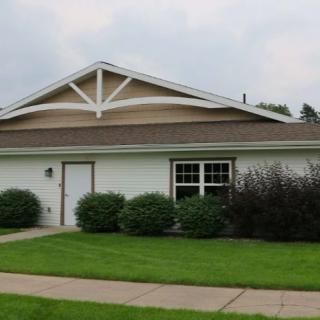
Munson Healthcare Crawford Continuing Care Center in Grayling, MI

1100 Michigan Avenue, Grayling, MI 49738

For more information about senior living options: (844) 490-3973

4 from 4 reviews
5 stars
3
4 stars
0
3 stars
0
2 stars
0
1 stars
1

Skilled Nursing Facility

Overall Review of Munson Healthcare Crawford Continuing Care Center

Pros

  • pro The nursing staff are absolutely amazing.
  • pro CNAs can't be beat.
  • pro The physical therapy team helped a mother-in-law recover from a broken back and cracked ribs at age 87.
  • pro The staff are the kindest, and the care is excellent.
  • pro Her mom is in rehab and gaining strength after a hospital admission.

Review

This community is best suited for seniors who need skilled nursing and post?acute rehabilitation after a hospital stay. The strength here is not casual social programming but clinical excellence focused on getting residents back on their feet. Across multiple accounts, the standout message is clear: the nursing staff, CNAs, and especially the physical therapy team can move recovery forward decisively. One caregiver describes a recovery journey that culminated in a notable return to strength after serious injuries at age 87, underscoring the facility's capacity to handle high?needs rehab with tenacity and expertise. For families facing the crunch of a hospital discharge, this center offers a credible path to regain function and independence through disciplined, hands?on rehabilitation.

Those considering alternatives should note that this is a facility with a strong rehab footprint, not a one?size?fits?all senior living campus. If the goal is long?term custodial care without a sharp focus on rapid functional improvement, or if memory?care programming, extensive social amenities, or a broader continuum of care are priorities, other communities may be a better fit. The presence of a lone 1?star rating among otherwise glowing reviews signals that experiences can diverge, and prospects should weigh that possibility against the impressive rehab results. In short, for sustained social engagement or specialized memory support beyond rehab, it makes sense to survey additional options.

The most persuasive advantages here lie in the care team and the trajectory of healing. The nursing staff is repeatedly praised for competence and dedication, and CNAs are described as exceptional - an alignment that translates directly into safer, more comfortable days for residents who are learning to move again after illness or injury. The physical therapy component stands out as the motor of recovery, turning clinical goals into tangible improvements in strength, balance, and mobility. When families hear that rehab ride-alongs can yield meaningful progress, the value proposition becomes clear: for post?acute needs, clinical outcomes begin with a skilled, cohesive team that communicates well with patients and families.

These strengths effectively offset the primary con?surface implied by the reviews: the existence of at least one low rating amid otherwise unambiguously positive feedback. The consistency of praise for direct caregivers and therapists reduces the concern that the center underperforms in its core mission. While no facility is immune to the occasional dissatisfied resident or family, the weight of the clinical anecdotes - recoveries as dramatic as regaining function after significant trauma - points to a facility that reliably translates skilled care into real improvement. For decision?makers, that alignment between staff quality and patient progress is the central litmus test for a post?acute setting.

Practical decision criteria should include the typical length and goals of stay, the speed of discharge planning, and the accessibility of family involvement in daily routines and progress reviews. The Grayling location may be a logistical factor for families commuting from surrounding areas; proximity often correlates with more timely family engagement, which in turn sustains motivation and adherence to therapy plans. Cost considerations, while not detailed here, will also shape whether this center's rehab value aligns with the family budget. Prospective residents should request a tour focused on therapy spaces, post?discharge planning sessions, and opportunities to observe interactions among nurses, CNAs, and therapists.

Bottom line: for families seeking a focused, high?quality post?acute rehabilitation environment, Munson Healthcare Crawford Continuing Care Center stands out as a practical, proven option. The clinical talents of the nursing and therapy teams, paired with an evident culture of kindness and patient?centered care, produce outcomes that matter most after a hospital stay. Those whose priorities center on rapid mobility restoration and dependable daily caregiving will likely feel confident here. If the plan calls for long?term, highly social living, specialized memory care, or programs outside the rehab spectrum, it remains prudent to compare alternatives, but the case for this center as a rehab?first choice is strong and composed of tangible, real?world results.

Features

Housing

  • 39 resident community capacity 39 resident community capacity

Types of Care

  • Skilled Nursing Facility Skilled Nursing FacilitySkilled Nursing Facilities are crucial for seniors as they provide round-the-clock medical care, rehabilitation services, and assistance with daily activities. These facilities ensure that seniors receive the specialized care they need to maintain their health and well-being as they age.

Amenities

  • Beauty salon Beauty salonBeauty salons are important for seniors because they provide a space for them to feel pampered, socialize, and maintain their personal grooming and hygiene. Regular visits to a beauty salon can help boost seniors' self-esteem and overall well-being.
  • Cable or satellite TV Cable or satellite TVCable or satellite TV is important for seniors because it provides entertainment, news, and companionship, helping to combat loneliness and boredom. It also offers a wide range of programming options tailored to different interests and preferences.
  • Dining room Dining roomDining rooms are important for seniors as they provide a space for socialization, connection, and nutritious meals. They offer opportunities for residents to bond over shared meals, foster a sense of community, and promote healthy eating habits. Dining rooms also ensure that seniors have access to well-balanced meals tailored to their dietary needs and preferences.
  • Fully furnished Fully furnishedFully furnished senior living communities are important for seniors because they provide convenience, comfort, and a hassle-free moving experience. Seniors can easily settle into their new living space without the stress of having to buy and move furniture. This allows them to focus on enjoying their new home and community.
  • Garden GardenGardens are important for seniors as they provide a peaceful and therapeutic environment for relaxation, physical activity, and socialization. Being in nature has been shown to reduce stress, improve mood, and promote overall well-being. Gardens also offer opportunities for seniors to engage in gardening activities, which can improve mobility, flexibility, and cognitive function. Additionally, gardens create a sense of community and connection with others who share a passion for plants and outdoor spaces.
  • Housekeeping services Housekeeping servicesHousekeeping services are important for seniors because they help maintain a clean and safe living environment, promote independence, and reduce the risk of accidents or illnesses. Additionally, having assistance with household chores can alleviate physical strain and allow seniors to focus on other aspects of their well-being.
  • Kitchenette KitchenetteKitchenettes are important for seniors living in senior living communities because they provide the convenience and independence of being able to prepare simple meals and snacks in the comfort of their own living space. This can help promote a sense of autonomy and well-being for seniors, allowing them to maintain some level of control over their dietary choices and daily routines.
  • Move-in coordination Move-in coordinationMove-in coordination is important for seniors because it helps ease the transition into their new living environment. It ensures that all logistics, such as packing, organizing movers, and setting up utilities are taken care of, allowing seniors to focus on settling in and adjusting to their new home. Having a smooth move-in process can alleviate stress and anxiety, making the transition smoother and more enjoyable for seniors.
  • Outdoor space Outdoor spaceOutdoor spaces are important for seniors as they provide opportunities for physical activity, social interaction, exposure to natural light and fresh air, and a sense of connection to nature. Having access to outdoor spaces can improve overall well-being and quality of life for older adults living in senior communities.
  • Restaurant-style dining Restaurant-style diningRestaurant-style dining is important for seniors because it allows them to enjoy delicious, nutritious meals in a social and upscale setting. This enhances their dining experience, promotes healthy eating habits, and fosters socialization with fellow residents, ultimately contributing to their overall well-being and quality of life.
  • Small library Small librarySmall libraries are important for seniors as they provide access to a variety of reading materials, including books, newspapers, and magazines. This can help stimulate their minds, keep them engaged, and provide a sense of community through book clubs and other social activities. Additionally, reading has been shown to improve cognitive function and overall mental well-being in older adults.
  • Telephone TelephoneTelephones are important for seniors as they provide a lifeline for communication with loved ones, emergency services, and healthcare providers. They offer a sense of security and independence, enabling seniors to stay connected and access assistance when needed.
  • Wi-Fi/high-speed internet available Wi-Fi/high-speed internet availableWi-Fi/high-speed internet is important for seniors to stay connected with loved ones, access online resources, and participate in virtual activities to combat feelings of loneliness and isolation. It also allows them to easily manage healthcare needs, access entertainment, and engage in lifelong learning opportunities.

Care Services

  • 24-hour call system 24-hour call system24-hour call systems are important for seniors because they provide peace of mind and immediate assistance in case of emergencies. This technology ensures that help is always available, promoting safety and security for elderly individuals living alone or in assisted living facilities.
  • 24-hour supervision 24-hour supervision24-hour supervision is important for seniors to ensure their safety, well-being, and access to immediate assistance in case of emergencies or health issues. This constant support provides peace of mind for both seniors and their loved ones, allowing them to age in place with dignity and security.
  • Activities of daily living assistance Activities of daily living assistanceActivities of daily living assistance are important for seniors because they provide essential support with tasks such as eating, bathing, dressing, and mobility. This assistance helps seniors maintain their independence, dignity, and overall quality of life as they age.
  • Assistance with bathing Assistance with bathingAssistance with bathing is crucial for seniors as it helps maintain personal hygiene, prevents infections, and ensures their overall well-being and comfort. It also provides a sense of dignity and independence for seniors who may struggle with this task on their own.
  • Assistance with dressing Assistance with dressingAssistance with dressing is important for seniors because it helps maintain their independence, promotes personal hygiene, prevents accidents and injuries, and improves overall quality of life. This service ensures that seniors can continue to dress comfortably and confidently, despite any physical limitations they may have.
  • Assistance with transfers Assistance with transfersAssistance with transfers is crucial for seniors as it helps prevent falls and injuries, maintains their independence, and ensures they can safely navigate their living environment. It also provides peace of mind for both seniors and their loved ones.
  • Diabetes diet Diabetes dietA diabetes diet is crucial for seniors as it helps manage blood sugar levels, reduce risks of complications, and improve overall health and well-being. By following a balanced and nutritious diet tailored to their specific needs, seniors can better control their diabetes and enhance their quality of life.
  • Meal preparation and service Meal preparation and serviceMeal preparation and service are crucial for seniors as they may have limited mobility or energy to cook nutritious meals. Having access to healthy and convenient food options can ensure they are getting the proper nutrition needed to maintain their overall health and well-being.
  • Medication management Medication managementMedication management is crucial for seniors to ensure they are taking the right medications at the correct dosages and times. This helps prevent adverse drug interactions, reduces the risk of medication errors, and promotes overall health and well-being. Proactive management also allows for adjustments as needed based on changing health conditions or new prescriptions.
  • Mental wellness program Mental wellness programMental wellness programs are essential for seniors as they promote cognitive stimulation, emotional support, and social engagement. These programs help prevent isolation, depression, and cognitive decline, ultimately enhancing the overall quality of life for older adults.
  • Special dietary restrictions Special dietary restrictionsSpecial dietary restrictions are important for seniors because age-related changes in metabolism and health conditions can make it difficult for their bodies to process certain foods. By following a diet tailored to their specific needs, seniors can maintain their overall health and well-being, manage chronic conditions, and reduce the risk of complications such as malnutrition or food interactions with medications.
Dining

  • Diabetes diet Diabetes dietA diabetes diet is crucial for seniors as it helps manage blood sugar levels, reduce risks of complications, and improve overall health and well-being. By following a balanced and nutritious diet tailored to their specific needs, seniors can better control their diabetes and enhance their quality of life.
  • Special dietary restrictions Special dietary restrictionsSpecial dietary restrictions are important for seniors because age-related changes in metabolism and health conditions can make it difficult for their bodies to process certain foods. By following a diet tailored to their specific needs, seniors can maintain their overall health and well-being, manage chronic conditions, and reduce the risk of complications such as malnutrition or food interactions with medications.

Activities

  • Community-sponsored activities Community-sponsored activitiesCommunity-sponsored activities are important for seniors as they provide opportunities for social interaction, mental stimulation, and physical activity. These activities can help improve overall well-being, combat loneliness and isolation, and promote a sense of belonging and purpose among older adults.
  • Resident-run activities Resident-run activitiesResident-run activities are important for seniors as they encourage social interaction, creativity, and a sense of autonomy. These activities empower seniors to stay engaged and active in their community while fostering meaningful connections with their peers.
  • Scheduled daily activities Scheduled daily activitiesScheduled daily activities are important for seniors because they provide structure, socialization, mental stimulation, and physical activity. Engaging in regular activities can improve overall well-being and quality of life for seniors living in a community setting.

Description

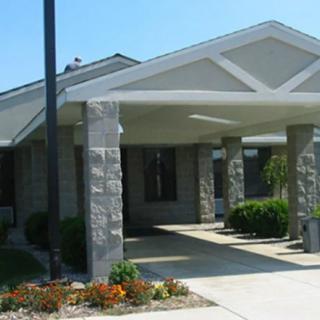
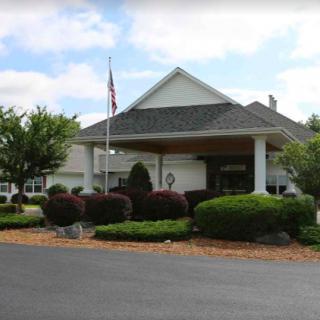
The Munson Healthcare Crawford Continuing Care Center in Grayling, MI is an assisted living community that offers a range of amenities and care services to its residents. The facility provides a comfortable living environment with fully furnished accommodations and offers cable or satellite TV, Wi-Fi/high-speed internet, and telephone services for the convenience of its residents.

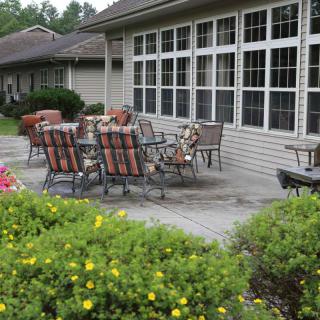
Meals are served restaurant-style in a dining room setting, with special dietary restrictions taken into consideration. The community also has a small library and outdoor spaces for residents to enjoy. Housekeeping services are available to ensure a clean and tidy living environment.

Care services provided include 24-hour supervision, assistance with activities of daily living such as bathing, dressing, and transfers, medication management, and a mental wellness program. The staff is trained to assist residents with specific needs such as diabetes diet management and special dietary restrictions.

In terms of location, the community is conveniently located near various amenities including cafes, parks, pharmacies, physicians' offices, restaurants, transportation options, places of worship, and hospitals. This allows residents easy access to essential services and opportunities for social engagement.

Overall, the Munson Healthcare Crawford Continuing Care Center provides a supportive and engaging environment for seniors who require assistance with daily tasks while still maintaining their independence.

Nearby Places of Interest

Hospitals

  • Mercy Hospital (0 miles)
  • Mercy Rehabilitation Service (0 miles)
  • Mercy Hospital Grayling (0.3 miles)
  • Northern Care Medical Clinic (0.6 miles)
  • Grayling Nursing & Rehabilitation Community (1 miles)
  • Hilltop Manor Health Care Center (12.9 miles)
  • Mid Michigan Medical Offices (13.5 miles)

Physicians

  • Mercy Physicians Network (0.1 miles)
  • Lagatutta David MD (0.1 miles)
  • Grayling Family Practice Clinic (0.4 miles)
  • Family Eye Care PC (13.1 miles)
  • Mercy Family Care Roscommon (13.3 miles)
  • MI Spine And Pain (20.1 miles)
  • Michigan Spine & Pain (20.1 miles)

Parks

  • Fish Hatchery Nature Park (0.4 miles)
  • Grayling Township Park (0.5 miles)
  • AuSable Park (0.7 miles)
  • Downtown Grayling (0.8 miles)
  • Hartwick Pines State Park (6 miles)
  • Lyon Township (12.8 miles)
  • Roscommon Firemens Memorial (13 miles)

Places of Worship

  • Burning Bush Tabernacle (0.4 miles)
  • Grayling Community of Christ (0.5 miles)
  • Church of Jesus Christ of Latter Day Saints (0.5 miles)
  • Mt Hope Lutheran Church (0.5 miles)
  • Diocese of Gaylord (0.6 miles)
  • Heritage Baptist Church (0.6 miles)
  • Southern Baptist Convention (0.6 miles)

Restaurants

  • Margarita Bar & Grill (0.6 miles)
  • Dawson & Stevens Classic Diner (0.6 miles)
  • Grayling Restaurant (0.6 miles)
  • Spikes Keg O Nails (0.6 miles)
  • Michigan Brew (0.6 miles)
  • Goodale's Bakery (0.7 miles)
  • Little Caesars Pizza (0.7 miles)

Cafes

  • Coffee By Steph (0.6 miles)
  • Gray Rock Cafe (1 miles)
  • Starbucks (1.2 miles)

Pharmacies

  • The Medicine Shoppe Pharmacy (0.6 miles)
  • Walgreens (0.9 miles)
  • Rite Aid (12.7 miles)
  • Pioneer Family Pharmacy (12.8 miles)

Transportation

  • U-Haul (0.7 miles)
  • Enterprise Rent-A-Car (0.7 miles)
  • U-Haul Neighborhood Dealer (13.1 miles)

Frequently Asked Questions

Where is Munson Healthcare Crawford Continuing Care Center?

Nearby Communities

  • The Brook of Grayling

    The Brook of Grayling

    Grayling, MI

    4.3 from 31 reviews
    $1,834 / month

    pro Clean, home-like atmosphere with a friendly, knowledgeable staff in a smaller, memory-focused community.

  • Northern Pines Assisted Living

    Northern Pines Assisted Living

    Grayling, MI

    4.6 from 8 reviews
     

    pro Intimate 20-bed community with 24-hour supervision, ADL assistance, meals provided, and a mental wellness program

  • Ausable Adult Foster Care

    Ausable Adult Foster Care

    Grayling, MI


    pro Comprehensive in-house care with 24-hour supervision and daily activities

  • Wargo's Manor

    Wargo's Manor

    Grayling, MI


    pro Small, intimate assisted living with 24/7 supervision, on-site dining and housekeeping.

  • Grayling Nursing & Rehab Community

    Grayling Nursing & Rehab Community

    Grayling, MI

    3.3 from 17 reviews
     

    pro Wide range of amenities and 24/7 supervision in a 72-bed facility.

  • Three Oaks Afc

    Three Oaks Afc

    Grayling, MI


    pro Small, intimate board-and-care with 24-hour supervision, diabetes-friendly meals, and ADL support.

  • The Brook of Roscommon

    The Brook of Roscommon

    Roscommon, MI

    4.7 from 32 reviews
    $1,530 to $2,450 / month

    pro Caring, long-tenured staff and a warm, engaging community.

  • The Brook of Houghton Lake

    The Brook of Houghton Lake

    Houghton Lake, MI

    4 from 50 reviews
    $1,530 to $2,020 / month

    pro Compassionate, attentive staff and a welcoming environment with engaging activities and well-maintained facilities.

Skilled Nursing Facility in Nearby Cities

Related Resources

  • pneumonia in elderlyEssential Knowledge on Pneumonia in Older Adults

    Pneumonia significantly affects older adults due to weakened immune systems and atypical symptoms that complicate diagnosis, necessitating early detection and tailored treatment. Risk factors include chronic diseases and cognitive impairments, with preventive measures like vaccinations and healthy lifestyles being crucial for reducing risk.

  • palliative care at homeExploring Palliative Care in the Home: A Comprehensive Overview

    Palliative care enhances the quality of life for seriously ill patients by providing comprehensive support at home through a multidisciplinary team, addressing various needs and prioritizing comfort over curative treatments. While it offers personalized care and involves family in decision-making, challenges like caregiver stress and logistical issues persist, with growing demand prompting advancements in technology and healthcare policies to improve access.

  • palliative care at homeComprehensive Insights into Palliative Home Care: What It Is and What to Expect

    Palliative home care focuses on improving the quality of life for individuals with serious illnesses by providing comfort, symptom management, and emotional support in their own homes. This approach includes personalized care plans, regular assessments, and resources for family caregivers, all while prioritizing person-centered treatment that aligns with patients' goals.