Dialysis comes up alongside rehab in resident experiences.
Some reviews describe rehab paired with dialysis treatment, and one notes dialysis being nearby. For families comparing options, that combination appears to be part of how people use the facility, not just general recovery care.
caveat15 reviews mention this
Cleanliness concerns recur
Multiple families report strong cleanliness and odor issues.
Several reviews describe the building as filthy, with bad smells and dirty rooms or bathrooms. A few also mention pests, dust, and carpets that seem not cleaned to their standards. Even among reviews that say staff were generally caring, cleanliness and odors are still called out as problems.
caveat5 reviews mention this
Call response and communication fail
Residents and families describe delays getting help.
Some reviews say call bells or requests for basic needs took a long time, including waiting for water or pain medication. Others describe difficulty getting timely updates during emergencies, with families saying they did not receive calls back or clear information. A separate review also describes staff not documenting key changes and not following the communication expectations families set.
caveat5 reviews mention this
Food quality is a mixed point
Food is a recurring complaint despite other positives.
A number of reviews mention dissatisfaction with meals, ranging from “undesirable” food to outright dislike. Several reviewers frame food as the main downside, even when they praise staff and overall care. One review compares the food unfavorably to an institutional setting.
How we summarize
Counts show how many written reviews mention each theme; a review can touch several themes, and only frequently mentioned themes are displayed.
Features
Housing
172 resident community capacity
Types of Care
Skilled Nursing Facility
Amenities
Air-conditioning
Beauty salon
Cable or satellite TV
Computer center
Dining room
Fitness room
Fully furnished
Gaming room
Garden
Housekeeping services
Kitchenette
Move-in coordination
Outdoor space
Private bathrooms
Restaurant-style dining
Small library
Telephone
Wellness center
Wi-Fi/high-speed internet available
Transportation
Community operated transportation
Transportation arrangement
Transportation arrangement (non-medical)
Transportation to doctors appointments
Care Services
12-16 hour nursing
24-hour call system
24-hour supervision
Activities of daily living assistance
Assistance with bathing
Assistance with dressing
Assistance with transfers
Diabetes diet
Meal preparation and service
Medication management
Mental wellness program
Special dietary restrictions
Dining
Diabetes diet
Special dietary restrictions
Activities
Community-sponsored activities
Concierge services
Fitness programs
Planned day trips
Resident-run activities
Scheduled daily activities
Nearby Places of Interest
Restaurants
Voyageur (2.5 miles)
Pepper Joe's (2.5 miles)
Old Country Cafe (2.5 miles)
Murphy Inn (2.5 miles)
McDonald's (2.7 miles)
War Water Brewery (2.8 miles)
Marine City Fish Company (4.7 miles)
Cafes
Tim Hortons (2.5 miles)
Tim Hortons (7.4 miles)
Tim Hortons (12.5 miles)
Tim Hortons (13.1 miles)
Tim Hortons (13.2 miles)
Tim Hortons (13.3 miles)
Raven Cafe (13.4 miles)
Places of Worship
St Peter's Lutheran Church (2.8 miles)
Port Lambton United Church (9 miles)
Griswold Street Baptist Church (12.8 miles)
St Martin Lutheran Church (13 miles)
St Joseph's Catholic Church (13.1 miles)
Jehovah's Witnesses Kingdom Hall (13.3 miles)
St John's United Church of Christ (13.3 miles)
Pharmacies
Canadian/Savings Rx (4.6 miles)
CVS Pharmacy (5.3 miles)
Murale (7.2 miles)
Shoppers Drug Mart (7.2 miles)
Pharmaprix (7.2 miles)
Hogan Pharmacy (7.5 miles)
CVS Pharmacy (8.7 miles)
Physicians
A. D. Gray Lower Limb & Foot Care Clinic (7.2 miles)
Dr. Robert J Borek (7.5 miles)
American Back Pain Center (10.5 miles)
Port Huron Internal Medicine (12 miles)
Tae Hong Chung (12.1 miles)
St. Clair Eye (12.7 miles)
Henry Ford Family Medicine (12.9 miles)
Parks
Marysville City Park (8.5 miles)
Ruedisale Park (13.5 miles)
Transportation
St Clair County International Airport (PHN) (8.9 miles)
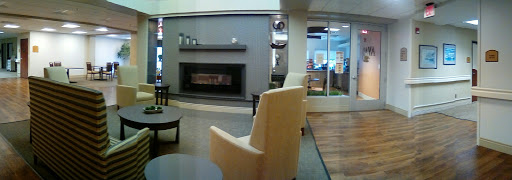
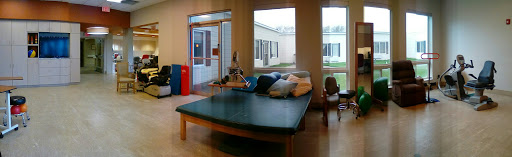
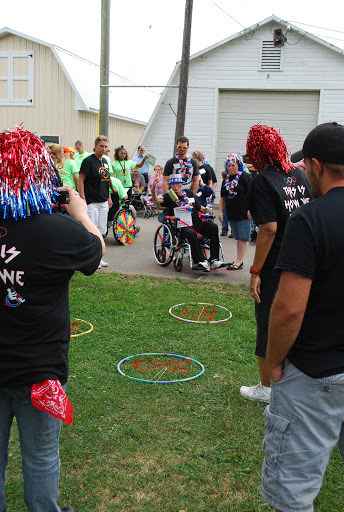
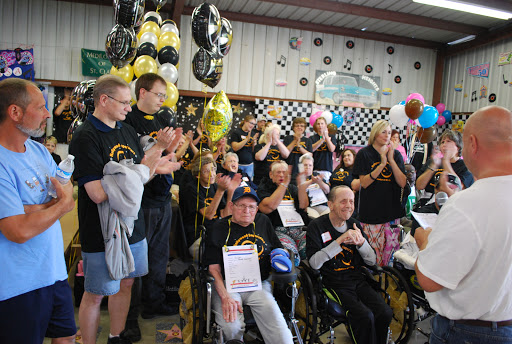
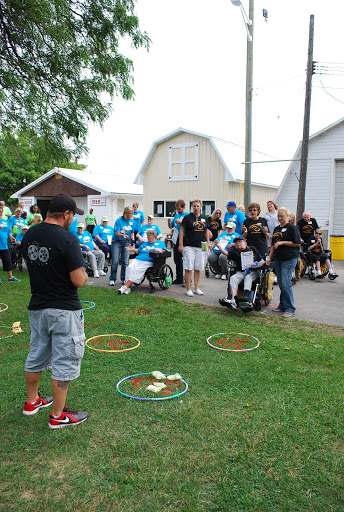
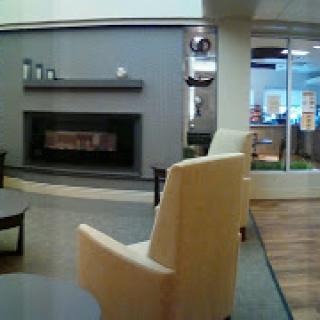
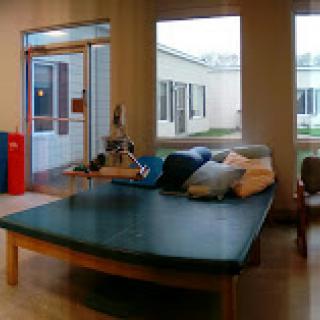
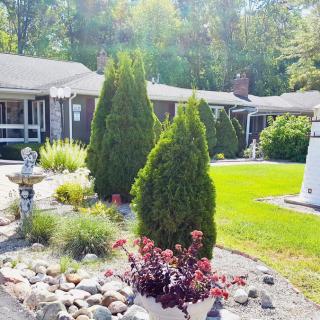
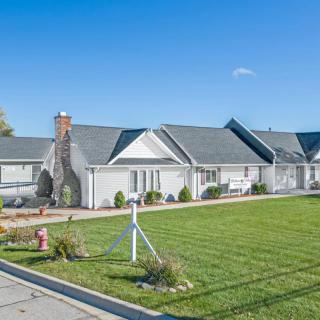
Medilodge Of St Clair on seniors.fyi includes 10 photos including images showing flag, building, landscaping, outdoor, interior, lobby, garden, exterior, and more.
Nearby Communities
Mallards Landing of St. Clair
East China, MI
4.4 from 16 reviews
$2,400 to $3,300 / month
Caring staff with a warm, active community and inclusive amenities.
River's Edge Assisted Living
Saint Clair, MI
3.8 from 12 reviews
River view with convenient access for family visits.
River Bend 2
East China, MI
Comfortable, supportive board and care with meals, housekeeping, and activities.
River Bend
E. China, MI
Diabetes-focused care with spiritual and social wellness in a welcoming setting.
River Bend 1
East China, MI
Fully furnished rooms with meals and 24/7 supervision.
Belle River Home
East China, MI
5 from 4 reviews
Small, home-like setting with personalized care and diabetes-friendly dining.
Sandalwood Creek
Kimball, MI
4.3 from 39 reviews
$3,200 to $3,700 / month
Location convenient for family visits with on-site medical support.
Visiting Angels Living Assistance
Port Huron, MI
4.9 from 79 reviews
Convenient, activity-rich setting with easy access to parks, dining, pharmacies, and healthcare.
Sandalwood Valley
Lenox, MI
4.3 from 28 reviews
$3,200 to $3,700 / month
Clean, well-maintained environment with caring, attentive staff and a home-like feel.
Hospice care focuses on providing comfort and support for individuals nearing the end of life, with Medicare Part A covering services like nursing care and counseling for patients with a terminal illness and a life expectancy of six months or less. While most hospice services are low-cost for eligible patients, families should be aware that certain expenses, such as room and board, may not be covered.
Caregiver burnout is a common issue resulting from the intense physical, emotional, and mental demands of caregiving, leading to symptoms like fatigue and social withdrawal. To prevent burnout, caregivers should recognize early warning signs and implement self-care strategies, seek support, and prioritize their own well-being alongside that of those they care for.
Caregiver exhaustion, or burnout, stems from the relentless demands of caregiving, leading to emotional and physical depletion characterized by stress, frustration, and neglect of personal needs. Addressing this burden is essential to prevent long-term consequences, with early recognition and support being crucial for caregivers to maintain balance and implement self-care.
Get PricingAsk A QuestionSchedule A TourContact Senior Advisor
By clicking submit, you agree to our Partner's Terms of Use. You
also consent to receive calls and texts, which may be autodialed, from our Partner. Your consent is not a condition to
using our Partner's service. Please visit our Partner's Privacy Policy for information about their privacy practices.










 172 resident community capacity
 Skilled Nursing Facility
 Air-conditioning
 Beauty salon
 Cable or satellite TV
 Computer center
 Dining room
 Fitness room
 Fully furnished
 Gaming room
 Garden
 Housekeeping services
 Kitchenette
 Move-in coordination
 Outdoor space
 Private bathrooms
 Restaurant-style dining
 Small library
 Telephone
 Wellness center
 Wi-Fi/high-speed internet available
 Community operated transportation
 12-16 hour nursing
 24-hour call system
 Activities of daily living assistance
 Assistance with bathing
 Assistance with dressing
 Assistance with transfers
 Diabetes diet
 Medication management
 Mental wellness program
 Special dietary restrictions
 Concierge services
 Planned day trips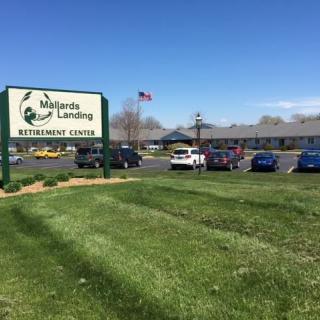
 Caring staff with a warm, active community and inclusive amenities.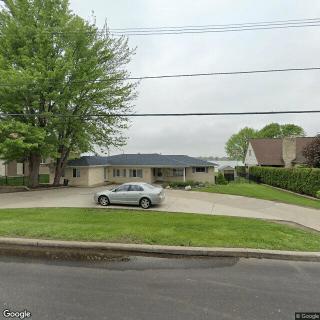


 Comprehensive Guide to Medicare Coverage for Hospice Care
 Caring for Those Who Care: Recognizing, Understanding, and Overcoming Caregiver Burnout
 Caregiver Exhaustion: Recognizing the Signs and Restoring Your Well-Being