
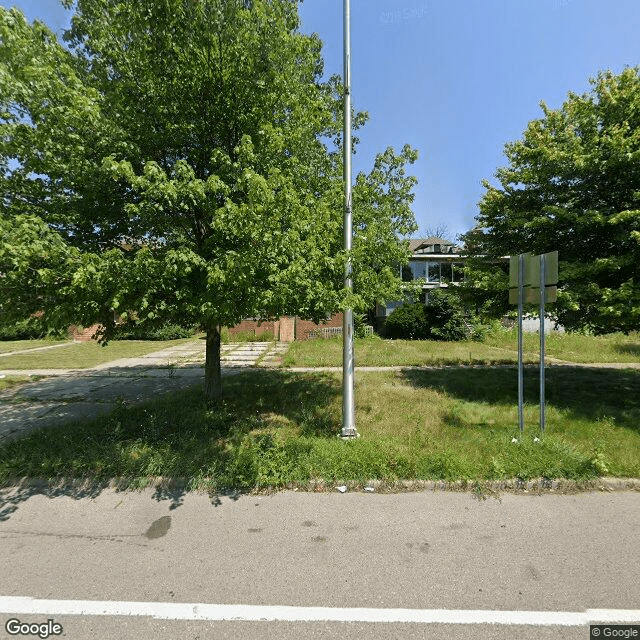
722 E Grand Blvd, Detroit, MI 48207
To contact a resident: (313) 923-8080
For more information about senior living options: (866) 208-4318
Barton Nursing Home Costs & Pricing
Barton Nursing Home offers competitive pricing for its various room types when compared to both Wayne County and the broader state of Michigan. For a studio, residents pay $1,975 per month, significantly lower than the county average of $3,495 and the state average of $3,824. The one-bedroom option at Barton is priced at $2,435, again favorably positioned against Wayne County's rate of $3,210 and Michigan's average of $3,384. Even for two-bedroom accommodations, Barton remains cost-effective at $3,245 compared to the county's $3,452 and the state's $3,523. This pricing structure not only highlights Barton Nursing Home's commitment to affordability but also its dedication to providing quality care within a supportive environment.
| Floor plans | Barton Nursing Home | Wayne County | Michigan |
|---|---|---|---|
| Studio | $1,975 | $3,495 | $3,824 |
| 1 Bedroom | $2,435 | $3,210 | $3,384 |
| 2 Bedrooms | $3,245 | $3,452 | $3,523 |
Skilled Nursing Facilities with a similar price nearby
-
from -$275 / mo
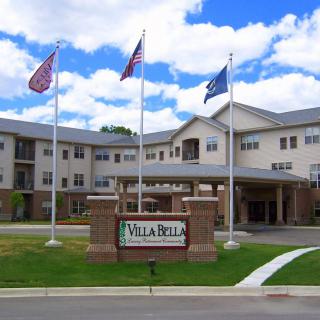
Villa Bella of Clinton Township
$1,700 to $3,300 / month17.3 miles away -
About the same
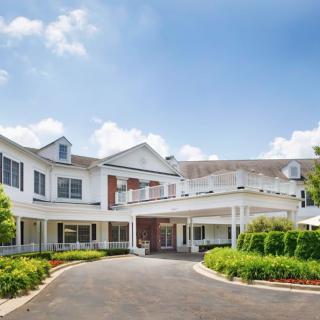
Fairmont Senior Living of Farmington Hills
$2,015 to $3,935 / month19.9 miles away -
from -$280 / mo
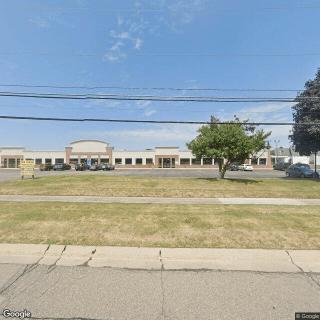
ProMedica Sterling Heights
$1,695 to $2,495 / month14.7 miles away -
About the same
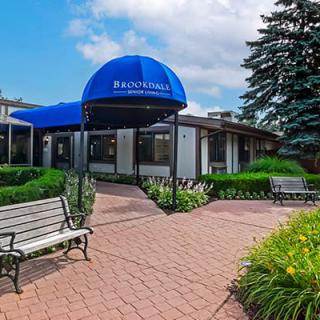
Brookdale Farmington Hills
$1,995 to $4,750 / month21.5 miles away -
from -$290 / mo

Cambridge East Healthcare Center
$1,685 to $2,515 / month11.6 miles away
Overall Review of Barton Nursing Home
Pros
 The staff is lively, competent, and involved, creating a family-like atmosphere.
- Residents become friends and support each other through their stay.
- The staff is consistently nice and helpful.
- The facility is kept nice and clean, even though the building is old.
- It is a great place for therapy and long-term stays.
- The love in the place makes a meaningful difference.
Cons
 The place is no good.
- There are drugs in the facility.
- The staff is extremely disrespectful.
- The place is terrible.
- There is a urine smell.
- Three residents share a very small room.
- There are no phones in the rooms.
- There is no bathroom per room; only a communal restroom.
Review
Barton Nursing Home in Detroit is best suited for families seeking a warm, family-like atmosphere where staff engagement and long-term supervision matter more than showroom polish. It serves residents who value consistent, personable care from a team that treats each person as part of a community, and who can tolerate an older building with modest accommodations. This is not a luxury campus; it is a pragmatic option that leans on staff relationships to carry the day.
Alternatives should be considered by anyone who needs private rooms, updated facilities, or a pristine environment with rigorous safety and odor control. Potential residents who require strong privacy, frequent clinical oversight, or a fully modern setting may find the layout and age of Barton challenging. Families prioritizing top-tier amenities, private bathrooms, or a strictly professional, less family-centered culture will likely want to look elsewhere.
On the upside, several reviews highlight a lively, competent staff that feels like family. The team is described as involved, friendly, and accessible, with residents forming friendships and supporting each other through days in the facility. The center appears to offer meaningful therapy options and supports long-term stay, with activities and a community spirit that many residents come to rely on. Even in an older facility, the care culture carries weight, and meals are noted as satisfactory, giving a sense of normalcy and consistency.
However, serious caveats temper the appeal. Reports of drugs on site and disrespectful behavior by some staff are unmistakable warnings that demand scrutiny. Facility entry can feel less welcoming due to odors and cramped conditions, numerous observations mention a urine smell, small shared rooms, and a lack of in-room bathrooms with only communal restrooms available. The physical plant is clearly aging: hallways, rooms, and shared spaces reflect age more than renovation. Staffing levels and organizational clarity are repeatedly flagged as areas needing improvement; without visible progress on those fronts, the care experience can feel uneven.
From a decision standpoint, the key is alignment with resident priorities. If the family can tolerate or even embrace the positive social fabric, and can manage expectations around privacy and cleanliness, Barton can deliver steady companionship, consistent therapy, and dependable daily routines. The large pull of a warm staff culture and a sense of belonging can offset the limitations for residents who do not require private space or the latest amenities. Yet the most significant red flags are concrete: if a resident requires strict drug-free controls, or if staff disrespect is a non-negotiable barrier, this community should be crossed off the list until clear evidence of improvement is shown.
Practical next steps are clear. Schedule multiple tours, including times when routines are in full swing, to observe staffing, interactions, and cleanliness. Probe for private-room availability, actual caregiver ratios, and how incidents are handled; request recent quality measures and staffing data. Ask about odor control, cleaning schedules, and plans for renovation or modernization. If the answers align with a family’s tolerance for aging infrastructure and a strong, personal care approach, Barton offers a grounded, dependable option; if not, higher-priority moves toward communities with newer facilities and tighter operational control.
 Skilled Nursing Facility
 Detroit Metropolitan-Wayne County (20 miles away)


 Understanding the Sandwich Generation: Stress and Responsibilities for Multigenerational Caregivers
 8 Essential Assistive Devices for Older Adults
 Navigating the Financial Road to Nursing Home Care: In-Depth Guidance and Resources