675 Wagner Dr, Battle Creek, MI 49017
To contact a resident: (616) 969-6244
For more information about senior living options: (866) 208-4318
Overall Review of Tendercare Riverside
Pros
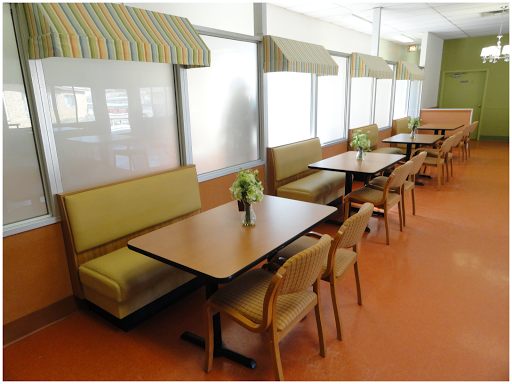
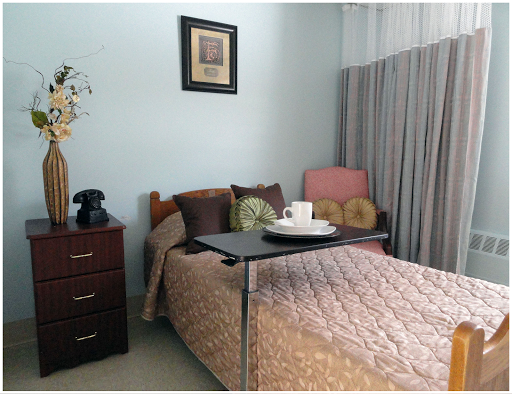
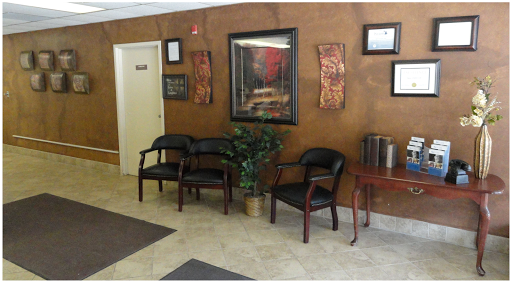
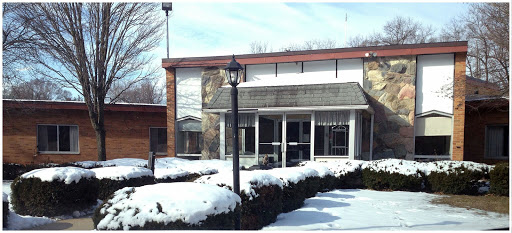
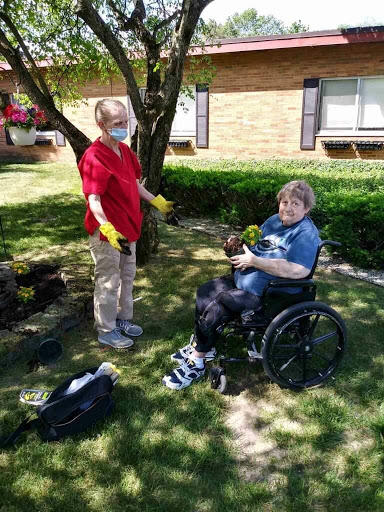
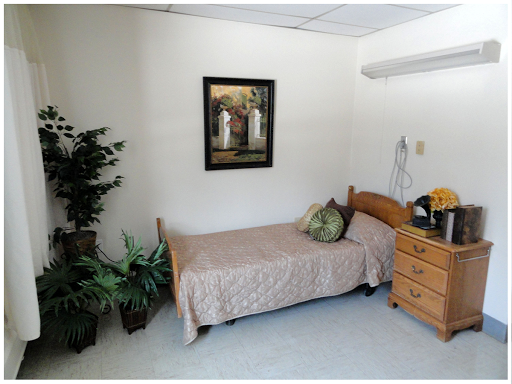
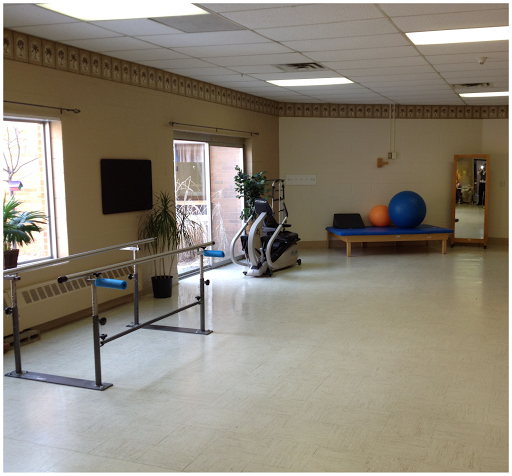
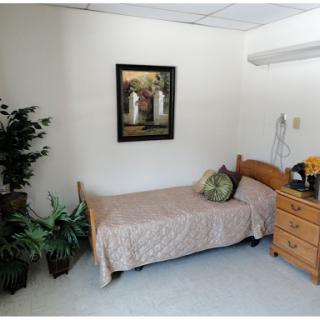
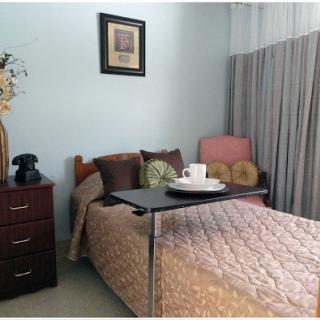
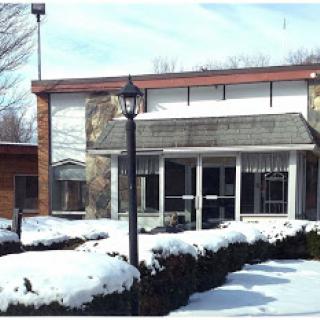
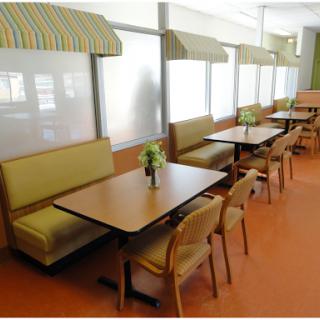
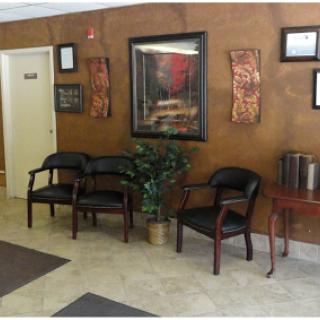
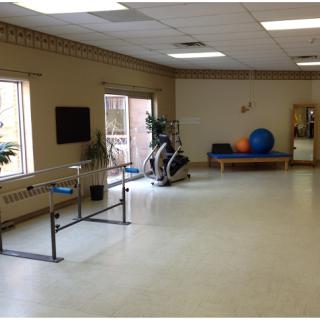
 The facility is well maintained even though it is older.
- The North end of the building is secure for residents.
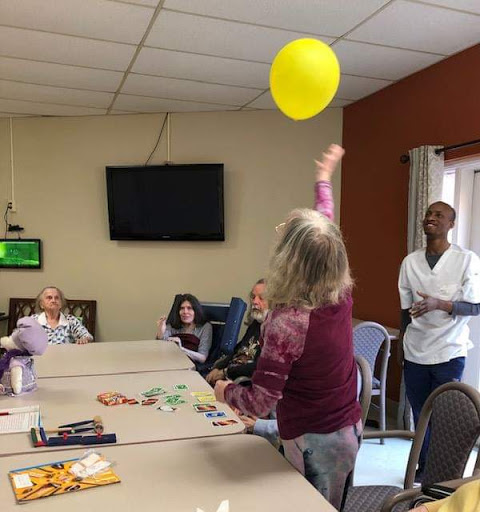
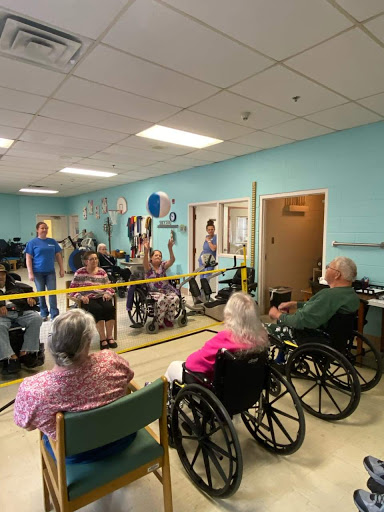
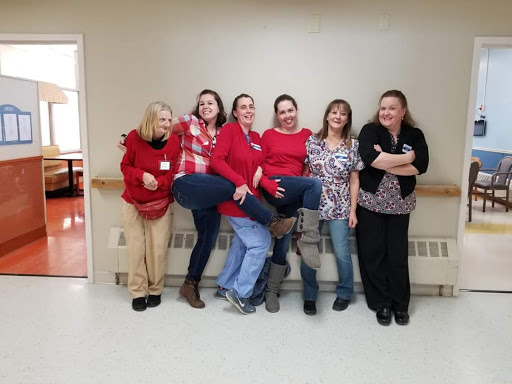
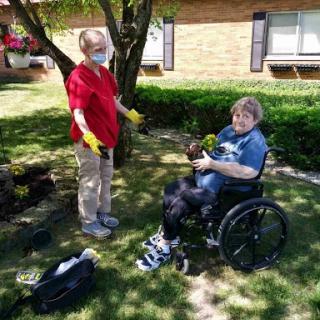
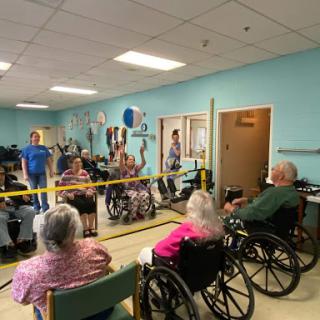
- The CNAs are wonderful and provide lots of TLC for residents.
- The CNAs really get to know each resident—their likes, dislikes, and habits.
- Families feel very good about placing a loved one in this facility.
Cons
 Many residents don't receive regular visitors.
- The facility is older.
Review
Tendercare Riverside in Battle Creek is best suited for families seeking a secure memory-care environment where a loved one with dementia can receive steady, compassionate attention from caregivers who truly know the resident. The community reads as an older facility that remains well maintained, a factor that matters when routine, safety, and predictability are the primary concerns. The North end of the building is designed as a secure area, signaling that dementia care is a central focus. The CNA team stands out as a core strength: they deliver TLC, forge meaningful connections, and take the time to learn each resident’s habits, preferences, and idiosyncrasies. For families, this translates into meaningful consistency in daily care and genuine reassurance that a loved one will be treated with dignity and patience.
Those evaluating Tendercare Riverside should consider alternatives if the priorities include a newer aesthetic, more expansive amenities, or a broader scope of medical oversight. The facility’s age can be a double-edged sword: it brings familiarity and charm, but may not offer the most modern spaces or the latest in resident programming. Families needing on-site clinicians, a wide array of therapy options, or highly specialized medical management may want to compare other communities with more robust clinical teams. Additionally, if a search is driven by a desire for a busier social calendar or more off-site activities, other campuses in the region could align more closely with those preferences. In short, the care quality here is tangible; prospective residents should weigh atmosphere and programming against personal expectations for what modern dementia care should feel like.
The major advantages, secure dementia housing, intimate staff-resident relationships, and consistently attentive CNAs, clearly offset the potential drawbacks of an older facility. The secure North end reduces wandering risk and provides clarity for families that their loved one remains in a controlled space. The caregiving team’s willingness to learn each resident’s likes, dislikes, routines, and triggers translates into gentler mornings and calmer evenings, which is crucial for dementia care. When staff know a resident’s history and preferences, a simple task like mealtime or choosing activities becomes less stressful for everyone involved. This level of personalized care helps families sleep a little easier at night, knowing the daily experience is anchored in empathy and familiarity rather than impersonal automation.
Personalization emerges as a defining strength here. The staff’s ability to adapt to individual patterns, what a resident enjoys, what calms them, what signals fatigue, creates a predictable, respectful day-to-day rhythm. For residents with dementia, consistency in care routines can reduce agitation, improve sleep, and maintain a sense of identity. Families can observe that caregivers remember quirks and histories, not just medical needs, which reinforces trust. In practice, this translates to more meaningful moments rather than transactional care, and it often lowers the emotional burden on relatives who are seeking a compassionate, steady hand to guide daily life.
Yet awareness of potential limitations remains prudent. The concept of an older facility implies a certain charm and proven continuity, but it can also mean fewer high-tech touchpoints or ultra-modern communal spaces that some families expect. Prospective residents should verify the current state of common areas, room options, and the availability of updated safety features. While the North-end secure unit is a clear asset, families should assess whether the environment supports evolving cognitive-care needs, including access to engaging activities that align with a broader range of interests. This is not a critique of care quality, but a necessary consideration for those who want the ambience to reflect contemporary expectations alongside dependable caregiving.
Overall, Tendercare Riverside presents a pragmatic, solid option for memory-care in Battle Creek. The combination of secure, dementia-focused spaces and a caregiving team that genuinely learns and honors residents’ personalities creates a dependable, low-drama setting where a loved one can thrive on a daily basis. For families who prioritize trust in the caregiver relationship, reduced anxiety about safety, and a personal touch that makes daily life meaningful, this community earns serious consideration. However, if the decision hinges on owning the most modern facility, the broadest activity slate, or intensive on-site medical services, it is wise to explore alternatives and compare direct outcomes, costs, and availability before making a final commitment.
 Skilled Nursing Facility
 Kalamazoo County (21 miles away)

 Nurturing Our Elders: Linda's Journey of Supporting Her Mother
 A Comprehensive Exploration of Common Misunderstandings about Powers of Attorney
 Senior Move Management: Understanding the Role, Value, and Associated Costs