For more information about senior living options: (866) 208-4318
3.4 from 91 reviews
5 stars
42
4 stars
13
3 stars
2
2 stars
4
1 stars
30
Overall Review of Aberjona Nursing Center
differentiator2 reviews mention this
Hair and dental services on-site
On-site salon and dental services come up in resident experiences.
Residents and families describe getting on-site hairdressing services during their stay, along with ordering dental services. Another review also thanks the hairdresser by name as part of the overall support received. These details align with the community’s inclusion of a beauty salon as an offering.
common10 reviews mention this
Staff care and responsiveness
Many reviews highlight caring, supportive staff across departments.
A recurring theme is staff members who take time to answer questions, provide hands-on care, and check in with families. Multiple reviewers describe nursing leadership being especially helpful during transitions and appointments. At the same time, a smaller number of reviews describe rude interactions and missed help, suggesting experiences can vary by shift and situation.
common8 reviews mention this
Therapy helps residents improve
PT and OT are frequently described as effective rehab support.
Several reviews say physical and occupational therapy helped residents regain mobility and make progress toward discharge. Families also describe therapy teams working with patients on goals like walking, strengthening, and safe routines. While most comments are positive, a few negative reviews question therapy evaluations or report rough care, so results and experiences may differ.
common7 reviews mention this
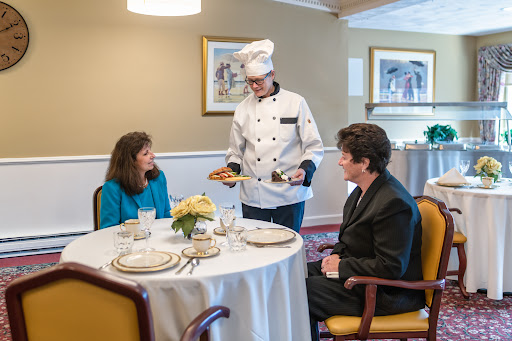
Food is often described as good
Dining is described positively more often than not.
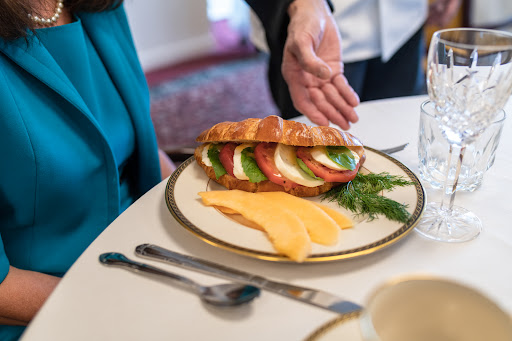
Many reviewers mention that meals were good, with some calling out variety and specific favorites like soups. Others describe the dining experience as organized, with special meals ordered when needed. In contrast, a few critical reviews complain about meal quality or nutrition, including examples of items residents felt were not appropriate.
caveat6 reviews mention this
Call light and pain help can lag
A recurring concern is delayed responses to help requests.
Multiple negative reviews mention long waits for assistance after using call buttons, including delays described as hours. Some also report difficulty getting pain medication on time, with residents waiting past scheduled doses. These complaints are paired with broader concerns about understaffing or inconsistent follow-through on care needs.
How we summarize
Counts show how many written reviews mention each theme; a review can touch several themes, and only frequently mentioned themes are displayed.
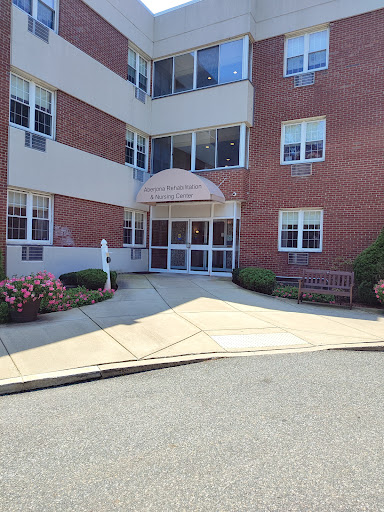
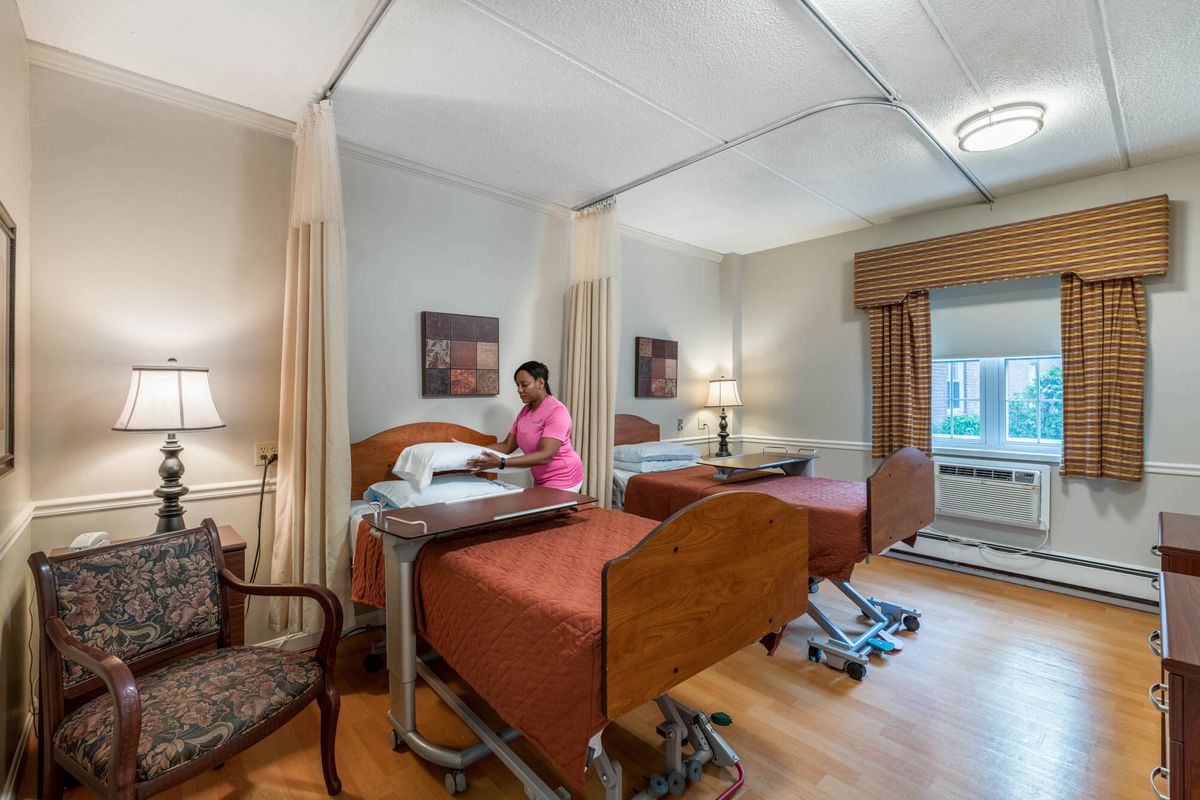
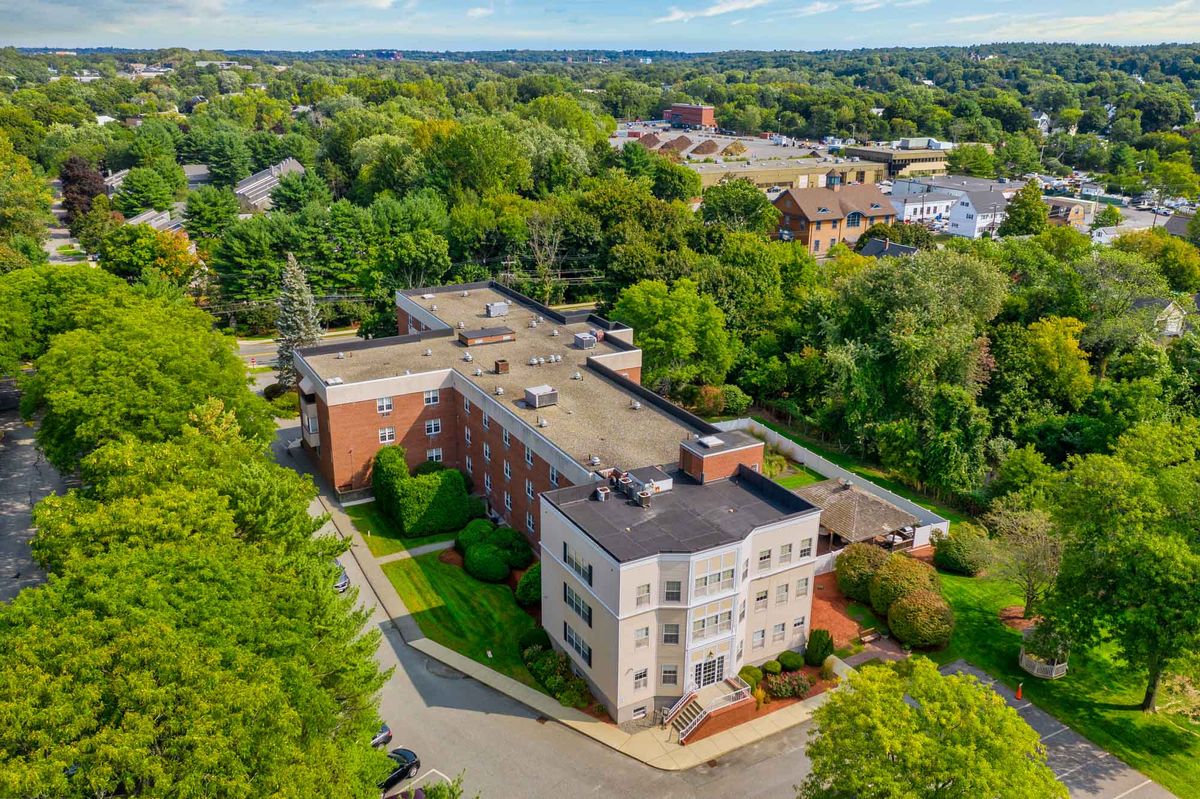
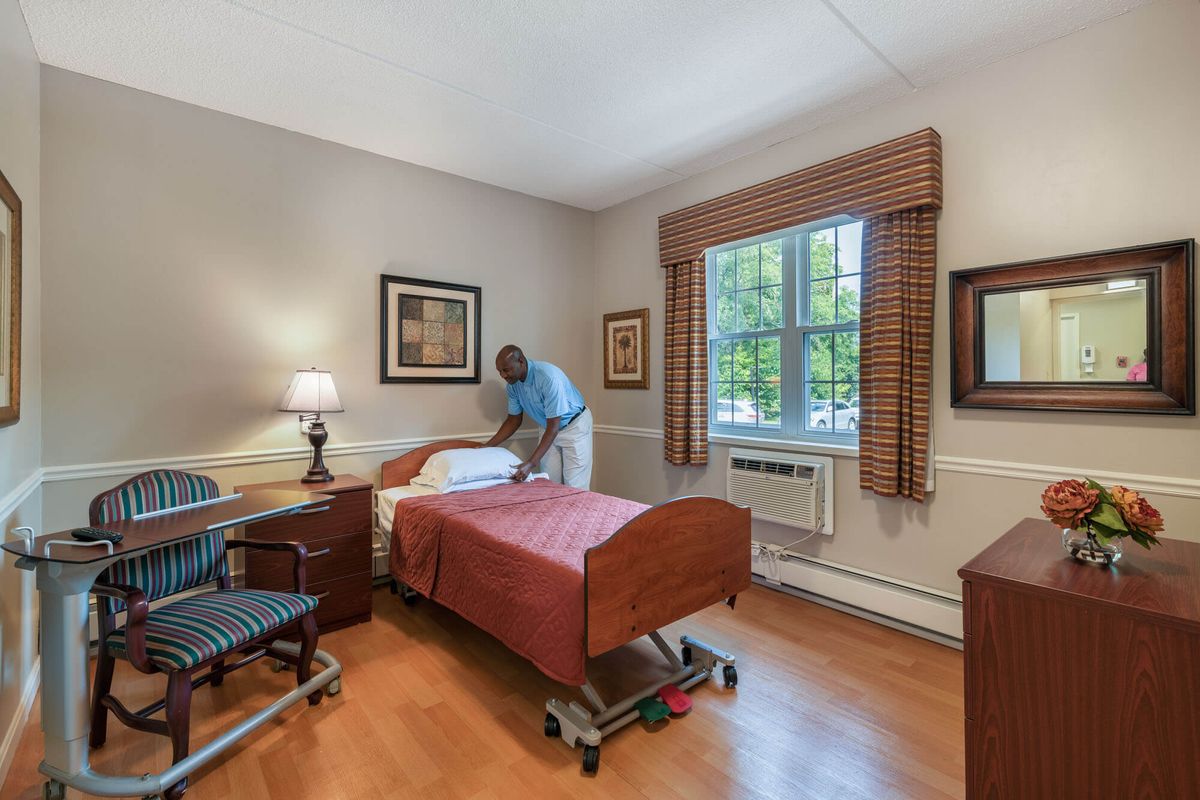
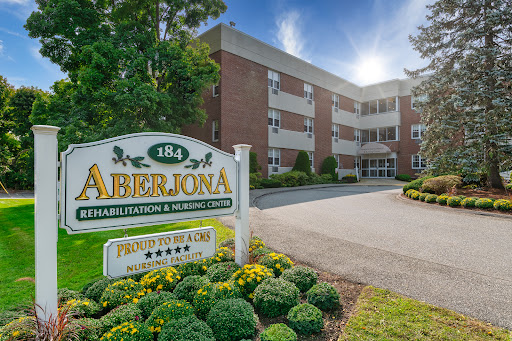
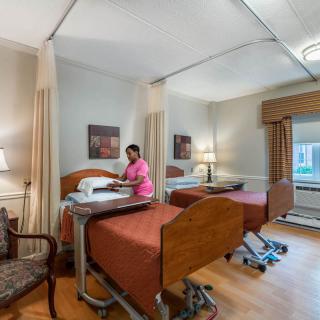
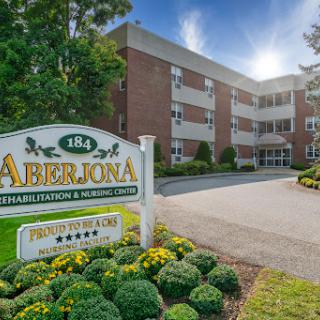
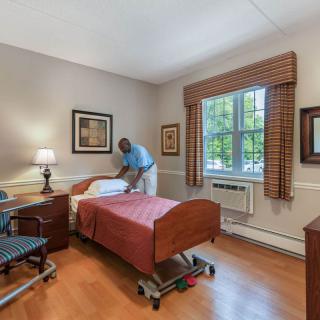
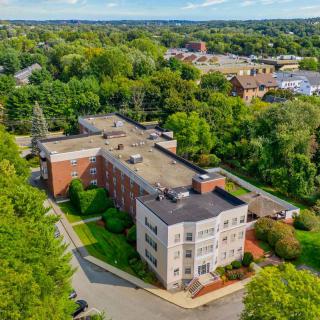
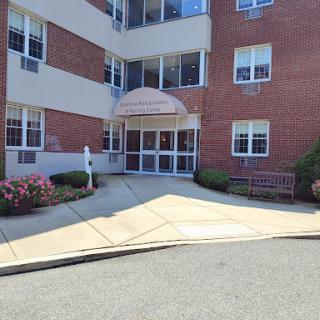
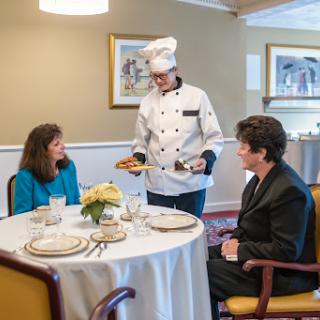
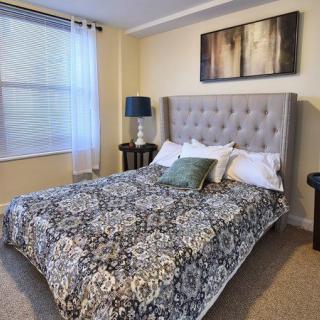
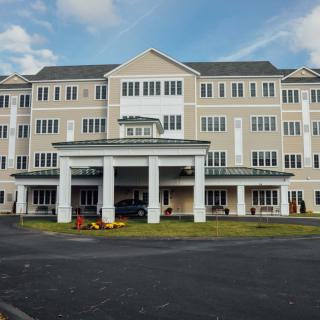
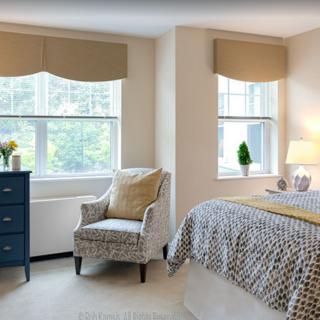
Aberjona Nursing Center on seniors.fyi includes 11 photos including images showing dining, landscaping, windows, building, vegetables, nursing home, interior, facility, and more.
Nearby Communities
Winchester Nursing and Rehabilitation Center
Winchester, MA
4 from 38 reviews
$4,545 to $5,395 / month
Competitive pricing with convenient access to local medical and dining amenities.
Winchester Nursing Center
Winchester, MA
3.8 from 29 reviews
Extensive on-site amenities and comprehensive care services.
Winchester Mount Vernon House
Winchester, MA
4 from 4 reviews
Luxurious, hotel-like setting with extensive amenities (gym, spa, activities) and attentive staff.
The Gables at Winchester
Winchester, MA
4.6 from 114 reviews
$5,600 to $7,600 / month
Friendly staff and engaging activities in a spacious, well-maintained setting.
Aviva Country Club Heights
Woburn, MA
4.5 from 81 reviews
$5,365 to $8,500 / month
Caring, professional staff; clean, well-kept environment; spacious, comfortable apartments with engaging activities and strong dining.
Hearthstone At Choate
Woburn, MA
1 from 1 review
24-hour supervision with medication management and respite care in a fully furnished community with restaurant-style dining.
New Horizons At Choate
Woburn, MA
5 from 23 reviews
$2,425 to $4,495 / month
Clean facility with friendly staff, convenient location, and affordable pricing.
The Arbors at Stoneham
Stoneham, MA
4.7 from 79 reviews
$6,075 to $8,025 / month
Caring, friendly staff in a warm, home-like environment with engaging daily activities.
Brightview Arlington
Arlington, MA
4.3 from 84 reviews
$3,995 to $8,300 / month
Beautiful, clean, well-maintained facility with engaging activities and strong memory-care safety.
Hospice care at home provides specialized end-of-life support that focuses on comfort and dignity for individuals with life-limiting illnesses, offering a range of services including medical management, emotional and spiritual support, and logistical assistance tailored to the family's needs. It involves collaboration to create individualized care plans and extends to bereavement support after a loved one's passing.
The guide outlines the rising costs of 24/7 in-home care, ranging from $10,000 to over $20,000 monthly, driven by factors such as location and caregiver qualifications. It discusses the limited coverage by Medicare and private insurance, potential Medicaid support, and the emotional and living condition considerations influencing families' decisions on care arrangements.
Home health nursing is an expanding field where licensed professionals provide specialized medical care in patients' homes, addressing the needs of an aging population through personalized services like assessments and medication management. Effective collaboration with healthcare teams, cultural sensitivity, and quality assurance measures are essential for fostering trust and ensuring positive patient outcomes.
Get PricingAsk A QuestionSchedule A TourContact Senior Advisor
By clicking submit, you agree to our Partner's Terms of Use. You
also consent to receive calls and texts, which may be autodialed, from our Partner. Your consent is not a condition to
using our Partner's service. Please visit our Partner's Privacy Policy for information about their privacy practices.




 123 resident community capacity
 Skilled Nursing Facility
 Air-conditioning
 Beauty salon
 Cable or satellite TV
 Computer center
 Dining room
 Fitness room
 Fully furnished
 Gaming room
 Garden
 Housekeeping services
 Kitchenette
 Move-in coordination
 Outdoor space
 Private bathrooms
 Restaurant-style dining
 Small library
 Telephone
 Wellness center
 Wi-Fi/high-speed internet available
 Gen Edw L Logan International (10 miles away)
 Community operated transportation
 12-16 hour nursing
 24-hour call system
 Activities of daily living assistance
 Assistance with bathing
 Assistance with dressing
 Assistance with transfers
 Diabetes diet
 Medication management
 Mental wellness program
 Special dietary restrictions
 Concierge services
 Planned day trips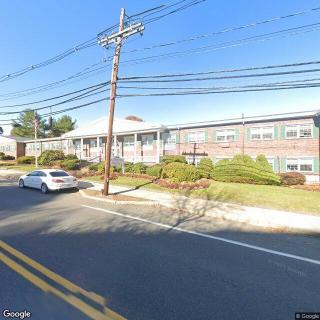
 Competitive pricing with convenient access to local medical and dining amenities.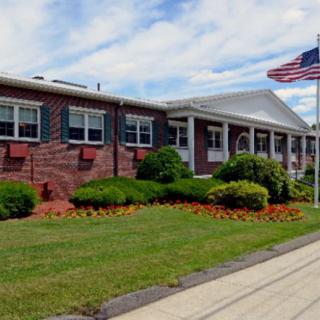


 Understanding Hospice Care at Home: Comprehensive Services, Key Benefits, and Eligibility
 Understanding the Full Cost of 24/7 In-Home Care: A Detailed Overview
 Exploring the World of Home Health Nurses: Qualifications, Roles, and Hiring Tips