
9 Maple Street, Wilbraham, MA 01095
For more information about senior living options: (866) 208-4318
Overall Review of Vero Health & Rehab Of Wilbraham
Pros
 The staff are wonderful and consistently friendly.
 - The nursing care and physical therapy are great.
- Families are made to feel perfectly welcome and their input is encouraged.
- Residents say everyone is very nice and the food is good.
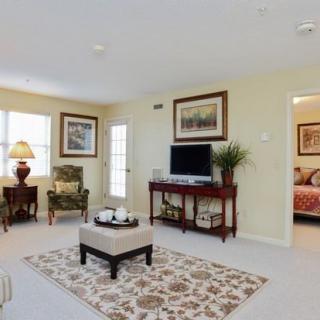
- The room is comfortable and well-equipped.
- The people are the best part of the experience.
Cons
 The staff on the first day were rude, unkind, and abrupt.
- The facility was awful, and staff from top to bottom could benefit from sensitivity training and ethics education.
- The ankle was not set properly, and care dropped the ball, with no one providing the proper diagnosis or pain relief.
- There was inadequate physical therapy.
- The food was awful, and the weekly menu rarely changed.
- Patients were left in bed or chairs for hours on end without adequate assistance.
- There was a lack of adequate staffing; the small staff seemed stressed and hurried with patients.
- The staff lied, were not accommodating, and violated residents' rights.
Review
Best suited for families that prize warmth and accessibility in frontline caregiving, and for residents entering short rehab or needing reliable nursing attention when oversight is possible. The most dependable moments come from caregivers who are friendly and approachable, with nursing and physical therapy delivering real value when staff are engaged. The environment supports practical daily living: rooms are comfortable, and meals and routine care provide a steady, predictable rhythm. This is not a medical luxury; it is a straightforward, caregiver-driven option where true value shows up in consistent people delivering care and in residentsā€™ ability to participate in rehab and daily activities.
Those with high medical complexity, fragile wounds, or a need for robust safety oversight should consider alternatives. The reviews reveal notable gaps that can escalate risk: delays in follow-up care for acute injuries, wounds that worsen or go untreated, and a staffing picture that can feel stretched by patient load. Instances of rude or disengaged behavior raise red flags about consistency, accountability, and the likelihood of timely problem-solving. For families unable to supervise care closely or to advocate in real time, these gaps translate into meaningful safety and quality concerns.
On the upside, the facility shines where frontline care matters most. When caregivers are present and attentive, residents benefit from competent nursing support and effective physical therapy. Family input is commonly welcomed, and several accounts describe a respectful, inclusive atmosphere where residents feel heard. The practical comforts, the comfort of rooms and a functioning daily routine, support meaningful recovery and general well-being. These strengths demonstrate that, with stable staffing and engaged leadership, the operation can deliver solid, patient-centered care.
The downsides are persistent enough to shape risk calculations. Chronic understaffing appears to undermine consistency, leading to care that can feel rushed and insufficient in critical moments. Reports of bedsores, inadequate monitoring for fall risk, and lapses in wound care highlight vulnerabilities in clinical oversight. Communication gaps with families and occasional management disengagement further erode trust and continuity of care. When dining quality, linen changes, and basic protections are compromised, the overall experience compounds the medical concerns and heightens risk for residents with complex needs.
Families willing to proceed should attach a disciplined oversight plan to the admission. Demand a stable, dedicated care team for the resident, and insist on clear daily care logs and rapid response to concerns. Regular, in-person checks of wound sites, bathroom assistance, and transfer safety become non-negotiables; ensure care plans align with physician orders and insurance requirements, and push for a formal rehab progress cadence. Consider touring with a clinician or trusted advisor, asking pointed questions about staffing levels, turnover, and management responsiveness, and setting explicit expectations for housekeeping and meal quality. If the facility cannot meet these baseline standards, exploring alternatives becomes a prudent, even necessary step.
Bottom line: Vero Health & Rehab of Wilbraham can be a practical choice for families able to supervise care and who value a friendly, responsive front-line team delivering solid nursing and rehabilitation when conditions are favorable. For those requiring consistent high-grade medical oversight, aggressive wound and fall-prevention protocols, or dependable staffing without frequent gaps, alternatives deserve serious consideration. The facility is workable under disciplined oversight, but the decision hinges on whether the family can actively manage care quality and escalate concerns before problems become entrenched.
 135 resident community capacity
 Skilled Nursing Facility
 Air-conditioning
 Beauty salon
 Cable or satellite TV
 Computer center
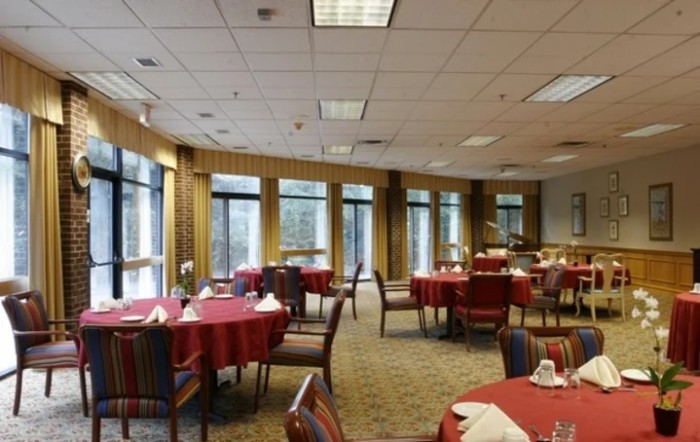
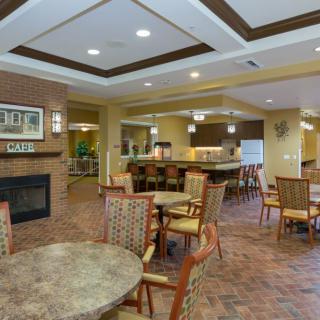
 Dining room
 Fitness room
 Fully furnished
 Gaming room
 Garden
 Housekeeping services
 Kitchenette
 Move-in coordination
 Outdoor space
 Private bathrooms
 Restaurant-style dining
 Small library
 Telephone
 Wellness center
 Wi-Fi/high-speed internet available
 Bradley International (20 miles away)
 Community operated transportation
 12-16 hour nursing
 24-hour call system
 Activities of daily living assistance
 Assistance with bathing
 Assistance with dressing
 Assistance with transfers
 Diabetes diet
 Medication management
 Mental wellness program
 Special dietary restrictions
 Concierge services
 Planned day trips





 Weight Training for Seniors: Building Strength and Vitality
 Understanding the Sandwich Generation: Stress and Responsibilities for Multigenerational Caregivers
 8 Essential Assistive Devices for Older Adults