For more information about senior living options: (866) 208-4318
3.8 from 45 reviews
5 stars
26
4 stars
7
3 stars
0
2 stars
2
1 stars
10
Overall Review of Royal At Wayland Rehabilitation & Nursing Center
common37 reviews mention this
Staff care and responsiveness
Residents and families frequently describe staff as kind, attentive, and invested.
Many reviewers describe nurses, aides, and other team members as caring, personable, and focused on residents’ well-being. Several also say staff communicate well with families and help keep people comfortable, groomed, and respected. At the same time, a smaller set of reviews report moments where residents weren’t getting timely help or needed care, including issues around overnight coverage and call response.
differentiator4 reviews mention this
Activities and memory support
The activities director is repeatedly credited for meaningful engagement.
Multiple reviewers specifically highlight the activities director, Chastity, as someone who brightens residents’ days and helps families feel supported. One review connects the activities emphasis to early-onset Alzheimer’s care, while others describe Chastity as knowing residents personally and encouraging them regularly. A separate negative review later describes a decline in engagement, with some residents reportedly staying at tables after meals rather than participating.
common9 reviews mention this
Clean, home-like environment
Reviewers often mention cleanliness and a more home-like feel.
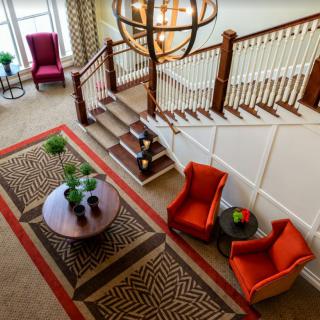
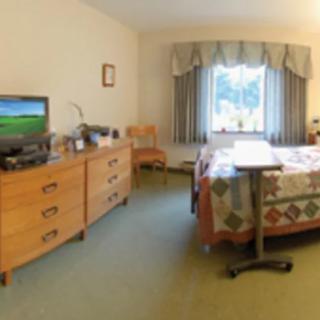
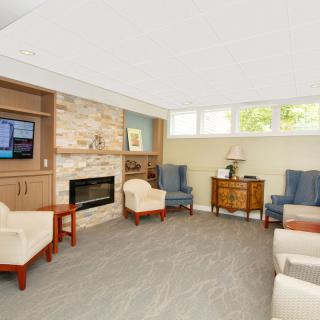
Several families say the facility is clean and organized, and a number of comments describe it as comfortable rather than institutional. Some reviewers also mention a home-like environment and furniture that feels less like a typical nursing facility. One reviewer does mention the building feeling outdated and points to limited outdoor space, which stands out against the cleanliness and atmosphere positives.
caveat7 reviews mention this
Care gaps and staffing concerns
A recurring concern is inconsistent hands-on help and delayed care.
Several critical reviews describe situations where residents weren’t getting timely assistance, including delayed responses to calls and concerns about overnight support. Other complaints mention problems with medication administration, medication errors, or treatment delays, alongside claims of high staff turnover. There are also reviews describing poor toileting support and residents spending long stretches without appropriate attention, which directly conflicts with the more positive experiences others report.
differentiator4 reviews mention this
Dignity-focused dementia support
Families describe individualized dignity-focused care for cognitive conditions.
Reviewers describe care teams as sharing condition updates and treating residents with respect and dignity. A few comments specifically connect the experience to dementia-related needs, including keeping residents groomed and supporting families with clear communication. One review also notes that even residents needing memory-care were still encouraged to receive attention from nurses, while another criticizes lack of individualized nursing care.
How we summarize
Counts show how many written reviews mention each theme; a review can touch several themes, and only frequently mentioned themes are displayed.
Features
Housing
40 resident community capacity
Types of Care
Skilled Nursing Facility
Amenities
Beauty salon
Cable or satellite TV
Dining room
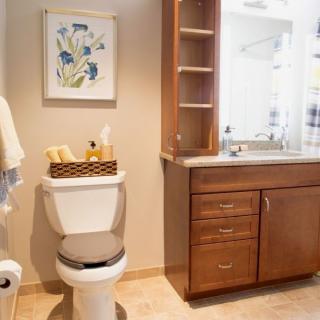
Fully furnished
Garden
Housekeeping services
Kitchenette
Move-in coordination
Outdoor space
Restaurant-style dining
Small library
Telephone
Wi-Fi/high-speed internet available
Transportation
Gen Edw L Logan International (19 miles away)
Care Services
24-hour call system
24-hour supervision
Activities of daily living assistance
Assistance with bathing
Assistance with dressing
Assistance with transfers
Diabetes diet
Meal preparation and service
Medication management
Mental wellness program
Special dietary restrictions
Dining
Diabetes diet
Special dietary restrictions
Activities
Community-sponsored activities
Resident-run activities
Scheduled daily activities
Nearby Places of Interest
Restaurants
Dave & Buster's (1.6 miles)
Minado Restaurant (1.7 miles)
The Cheesecake Factory (1.7 miles)
Zaftigs Delicatessen (1.8 miles)
Chick-Fil-A (2.2 miles)
Subway (2.3 miles)
BJ's Restaurant & Brewhouse (2.4 miles)
Pharmacies
Wegmans (1.7 miles)
Walgreens (1.7 miles)
Walmart Pharmacy (2.3 miles)
CVS Pharmacy (2.5 miles)
Walgreens (2.7 miles)
CVS Pharmacy (3.1 miles)
Walgreens (3.4 miles)
Theaters
AMC Framingham 16 (1.8 miles)
Showcase SuperLux (9.8 miles)
Transportation
Framingham Logan Express (1.9 miles)
MBTA Riverside Station (5.8 miles)
Physicians
Framingham Pediatrics (1.9 miles)
New England Eye Center - Framingham (2.4 miles)
Medical Associates of Greater Boston PC (3.1 miles)
Jacob Goldberg (3.8 miles)
Post Road Pediatrics (4.9 miles)
Mersi (6.1 miles)
Role Ellen B Speech Language Pathologist (7.6 miles)
Palliative care focuses on alleviating distress at any stage of a serious illness and can accompany curative treatments, while hospice care is for those nearing the end of life with a prognosis of six months or less, emphasizing comfort over curative measures. Both prioritize holistic care for patients and families but differ in timing, goals, and scope.
Fecal incontinence, prevalent among older adults, arises from factors like weakened pelvic muscles and nerve damage, significantly affecting well-being and social interactions. Diagnosis involves clinical evaluation and tests to inform tailored treatments, while caregivers and preventive measures can aid in managing the condition effectively.
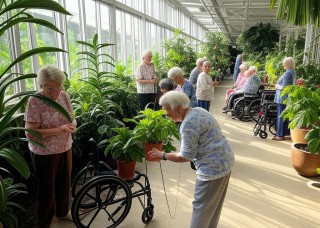
Gardening provides seniors with physical exercise, mental and emotional support, and social interaction opportunities, while accommodating their needs through raised beds and ergonomic tools. It promotes health benefits like improved dexterity and cardiovascular health, encourages sustainable practices, and allows for manageable upkeep with low-maintenance plants.
Royal At Wayland Rehabilitation & Nursing Center photos
×
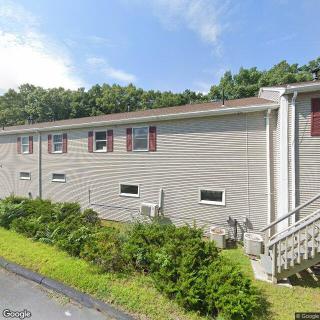
Building
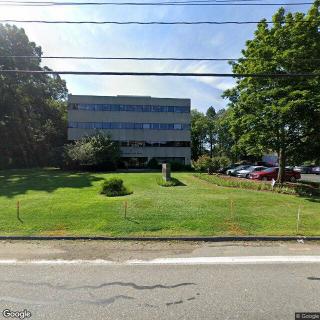
Architecture
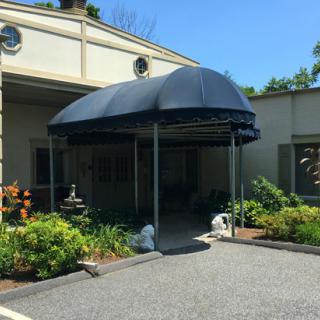
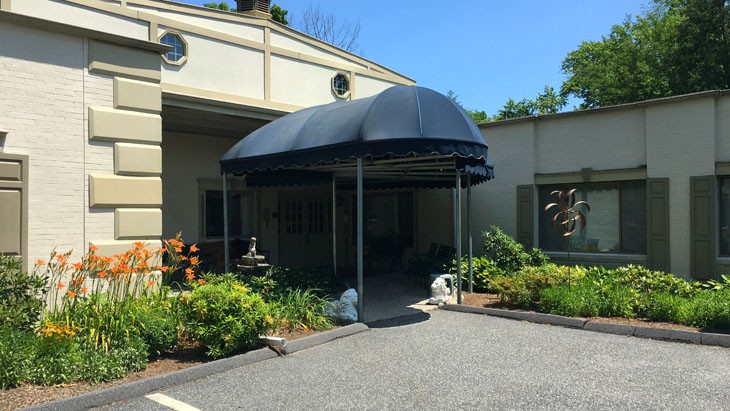
Landscaping, Building, Outdoor, Entrance, and Awning
Architecture
Get PricingAsk A QuestionSchedule A TourContact Senior Advisor
By clicking submit, you agree to our Partner's Terms of Use. You
also consent to receive calls and texts, which may be autodialed, from our Partner. Your consent is not a condition to
using our Partner's service. Please visit our Partner's Privacy Policy for information about their privacy practices.

 40 resident community capacity
 Skilled Nursing Facility
 Beauty salon
 Cable or satellite TV
 Dining room
 Fully furnished
 Garden
 Housekeeping services
 Kitchenette
 Move-in coordination
 Outdoor space
 Restaurant-style dining
 Small library
 Telephone
 Wi-Fi/high-speed internet available
 Gen Edw L Logan International (19 miles away)
 24-hour call system
 Activities of daily living assistance
 Assistance with bathing
 Assistance with dressing
 Assistance with transfers
 Diabetes diet
 Medication management
 Mental wellness program
 Special dietary restrictions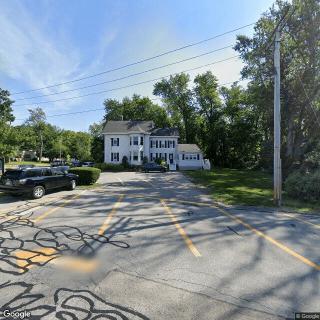
 Personalized care with diabetic support.

 Understanding the Nuances of Palliative Care and Hospice: A Comprehensive Exploration
 Fecal Incontinence in Older Adults: A Comprehensive Guide
 Nurturing Well-Being Through Gardening: A Detailed Guide for Senior Enthusiasts