
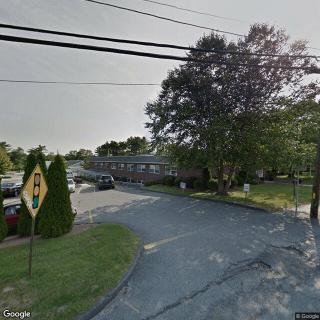
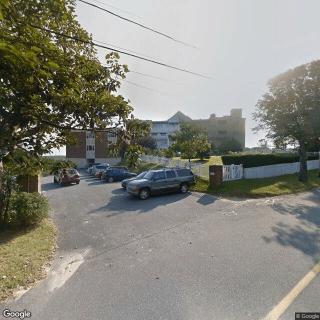
50 Indian Neck Road, Wareham, MA 02571
For more information about senior living options: (866) 208-4318
Overall Review of Wareham Healthcare
Pros
 The staff is amazing and holds everything together.
- The care team is caring and friendly, and they keep families informed.
- The atmosphere feels like an extended home rather than a typical nursing facility.
- Nurses Jennifer Levine and Al Price are top-notch.
- Shelly Barbosa was kind and loving to the patient.
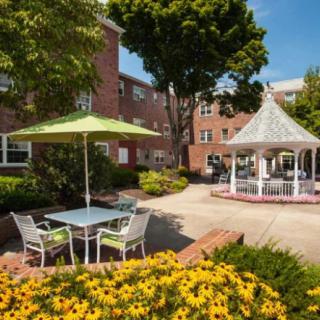
- The facility is clean and well maintained.
Cons
 The facility is described as horrible and uncaring, with severe understaffing and a nurse who is nowhere to be found.
- A mother’s death is attributed to the facility’s inapt approach to healthcare, despite promises from management.
- The staff are said to spend more time outside smoking than tending to the sick and helpless patients.
- The place is not clean, with issues like a black, crusted cabinet under the sink and overall need for renovation.
- The facility is not deserving of even one star, and its staff and administration are described as disgraceful and neglectful toward patients.
- The director is described as demeaning and unprofessional, and the staff are rude and constantly on their phones.
- The establishment is terribly understaffed, with rude and insulting receptionists toward visitors.
- There are severe delays in care, including one nurse serving many patients and frequent medication delays or shortages.
- Emergency responsiveness is poor, with call buttons going unanswered for long periods and staff spending time chatting instead of helping.
Review
Wareham Healthcare is best suited for families who have very few nearby options and are prepared to supervise care every day. The facility’s core strength is not a proven, reliable care model but the reality that ongoing oversight from loved ones or advocates will be needed to make sure basic needs are met. If proximity, cost constraints, and a willingness to actively monitor a loved one’s day-to-day care are the primary factors, this community can be considered; otherwise, it is prudent to look elsewhere. This is not a place to rely on hands-off expectations or passive management.
The most persistent red flags are staffing and responsiveness. Reviewers consistently describe severe understaffing, with nurses and aides stretched across many patients and call bells going unanswered for extended periods. Instances cited include a single nurse responsible for dozens of residents, delays in providing medications, and a pattern of limited access to essential assistance during the night. The risk here is not incidental grumbling but a repeated experience where urgent needs, pain, reassurance, or basic safety, are not promptly addressed, exposing residents to preventable distress and harm.
There are, however, fragmented glimpses of positive care. Some staff members are described as genuinely kind, professional, and engaged with patients, and a few families felt kept in the loop about progress and changes in care. Cleanliness appeared variable, on some visits the environment looked maintained, while other reports highlighted outdated or neglected areas of the facility and equipment that should be repaired or replaced. These scattered moments of competence and decency do not compensate for the overarching pattern of understaffing and inconsistent management, but they do illustrate that capable caregivers exist within the building when allowed or supported to do their jobs.
From a safety and quality perspective, the cons substantially outweigh the pros. The most alarming issues are not cosmetic but functional: insufficient staff to monitor residents, delays in responding to emergencies, and inadequate medication management. There are anecdotes of care disruptions that undermine trust, such as delays in delivering routine services like meals, showers, or basic personal care, and even reports that emergency response timelines outpace internal staff. The combination of frequent staffing shortages and management challenges creates a fragile environment where a deterioration in care can happen quickly, especially for residents with higher medical needs or cognitive impairment.
For families evaluating options, practical steps should be taken before any decision. Request transparent, current staffing ratios and schedules, and insist on a formal care plan with measurable response targets. Seek to review recent state inspection outcomes and any corrective action plans, and arrange for a trial period with clear milestones and a mandate for immediate escalation if standards slip. Plan for frequent, in-person checks, and establish a direct line of communication with a nurse manager or administrator to address concerns as they arise. If possible, involve a geriatric care manager or social worker to help compare this facility against nearby alternatives with stronger, more consistent staffing and proven oversight.
In the final assessment, Wareham Healthcare is not a reliable match for long-term or high-acuity care unless a rigorous, verifiable improvement plan is in place and a dedicated supervisory structure is guaranteed. Families should pause and weigh better-staffed options in the region, especially for residents who require steady nursing attention, timely medications, and predictable daily routines. If choosing to pursue care here, enter with a concrete oversight framework, clear expectations for staffing, and a plan that includes frequent reviews and contingencies. Otherwise, prioritize alternatives that offer stronger staffing, clearer accountability, and a more consistently compassionate approach to daily care.
 175 resident community capacity
 Skilled Nursing Facility
 Air-conditioning
 Beauty salon
 Cable or satellite TV
 Computer center
 Dining room
 Fitness room
 Fully furnished
 Gaming room
 Garden
 Housekeeping services
 Kitchenette
 Move-in coordination
 Outdoor space
 Private bathrooms
 Restaurant-style dining
 Small library
 Telephone
 Wellness center
 Wi-Fi/high-speed internet available
 Barnstable Mun Boardman Polando (22 miles away)
 Community operated transportation
 12-16 hour nursing
 24-hour call system
 Activities of daily living assistance
 Assistance with bathing
 Assistance with dressing
 Assistance with transfers
 Diabetes diet
 Medication management
 Mental wellness program
 Special dietary restrictions
 Concierge services
 Planned day trips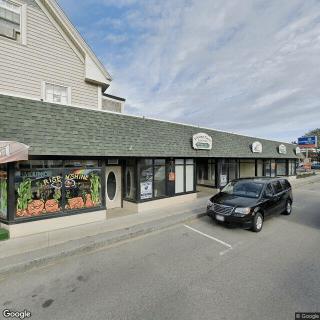



 Top Canine Companions for Older Adults
 Comprehensive Guide to Blood Pressure Charts for Older Adults: Understanding Normal and High Readings by Age
 Financing Long-Term Nursing Home Care Through Social Security: A Thorough Exploration