
380 Sumner St, Stoughton, MA 02072
To contact a resident: (781) 341-2300
For more information about senior living options: (866) 208-4318
Overall Review of Copley At Stoughton Nursing Care Center
Pros
 Copley provided exceptional care.
- Physical therapy and occupational therapy were very good.
- The staff were caring.
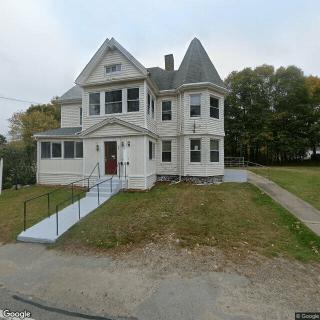
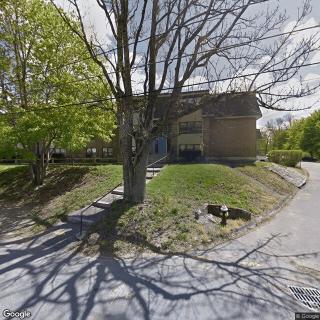
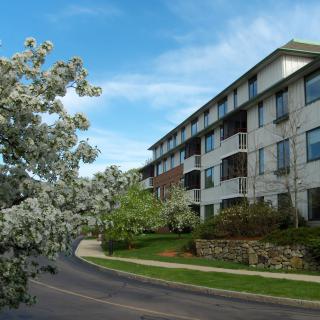
- The facility is beautiful.
- The staff are wonderful and helpful.
- The aides are the best.
- They helped her mother retain her dignity.
- The therapy department was the best thing about the facility.
- Copley is highly recommended.
Cons
 The medical care at Copley was abysmal.
- The doctor and nurse practitioners were never there when she needed them.
- The staff did not listen to the family member’s concerns; trying to make them listen felt like pulling teeth.
- She was sent home too soon and developed pneumonia, and it was suggested that the care contributed to her death.
- The nurses and aides were rude, had no bedside manners, and showed little sympathy for patients.
- Many CNAs could not speak English.
- The facility is not recommended by the reviewer.
- Residents went almost two weeks without a full shower.
Review
This community is best suited for seniors who are entering or recovering from a short-term rehab process and prioritize a warm, dignity-centered environment with strong therapeutic services. Families with loved ones who respond well to attentive aides, positive daily interactions, and a pleasant, aesthetically pleasing setting will find value here. It works best when the focus is on quality rehabilitation and personal connection rather than on ongoing, intensive medical management.
The standout positives center on rehabilitation and the human touch. Reviews repeatedly highlight that PT and OT are solidly effective, with aides described as caring and engaged. The staff who interact most with residents, nurses’ aides and therapy aides, are frequently praised for kindness and responsiveness, contributing to a sense that dignity and respect are preserved throughout the stay. The facility’s appearance and atmosphere are consistently described as beautiful, which supports a calmer, more comfortable experience for people recovering mobility and independence.
Yet significant caveats temper the overall impression. The most troubling thread is inconsistent medical oversight: reports of a doctor or nurse practitioner not being present when needed, slow responsiveness to concerns, and, in the most severe cases, decisions that allegedly contributed to adverse outcomes. Families describe long gaps in direct medical communication, difficulty getting specific problems addressed, and even mistakes in prescriptions. These medical-care gaps create a palpable tension for families who rely on a facility to coordinate acute care and to monitor evolving conditions closely.
Those medical gaps do not exist in a vacuum; they are reinforced by observations about daily operations. Complaints about showers and hygiene routines persist, with some residents experiencing delays in basic care tasks. Language barriers and perceived bedside manner gaps also surface in some reviews, suggesting that staff dynamics and communication can color the entire experience. While the therapy department earns high marks and is often cited as the facility’s strongest department, it cannot fully compensate for systemic concerns about medical oversight and bedside responsiveness.
The pros and cons balance unevenly depending on resident needs. For someone who is primarily seeking effective rehabilitation and a respectful, hopeful environment, the positives, excellent PT/OT, genuinely caring aides, and a setting that preserves dignity, offer real value. For a resident requiring steady, proactive medical management, quick problem-solving, and highly consistent physician engagement, the negatives are material enough to steer families toward other options. The gaps in medical coverage are not minor annoyances; they are substantive risk factors that can influence recovery trajectories and comfort.
For families weighing this option, a practical approach is essential. Request a candid tour focused on the medical team’s cadence: how often physicians or NPs visit, how changes in treatment are communicated, and who is responsible for coordinating tests or adjustments to care plans. Meet the therapy director and nursing leadership to understand daily rounds, response times, and escalation processes. Ask for recent clinical updates to be written into the care plan, and probe showering and hygiene schedules so expectations align with reality. If those discussions reveal satisfactory medical oversight and responsive communication, the environment and rehabilitation strengths become compelling reasons to choose this community. If not, it is wise to document concerns and compare alternatives with stronger, more consistent medical governance.
In sum, Copley At Stoughton Nursing Care Center stands out for families seeking a respectful, dignity-preserving rehab experience with strong therapy services and a pleasant setting. It is less suitable for residents who rely on constant, highly reliable medical oversight and seamless family communication. The decision hinges on how much weight is given to the facility’s rehabilitative excellence and compassionate environment versus the need for predictable medical attention and decisiveness in care. A careful, pointed intake discussion will reveal whether this community can meet those specific needs without compromising safety and continuity of care.
 Skilled Nursing Facility
 Gen Edw L Logan International (18 miles away)




 Urinary Tract Infections in Older Adults: Comprehensive Insights on Symptoms, Treatment, and Prevention
 California's Form 602A: An In-Depth Examination of Senior Care Assessment
 Comprehensive Look at Senior Blood Pressure Charts: Normal and Elevated Levels by Age