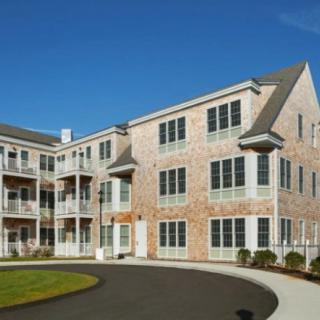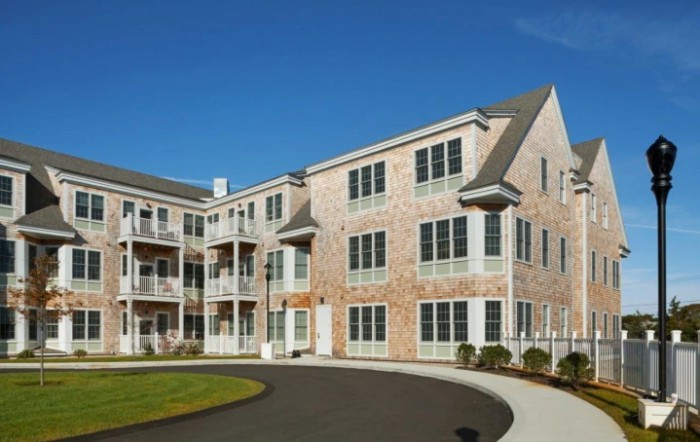

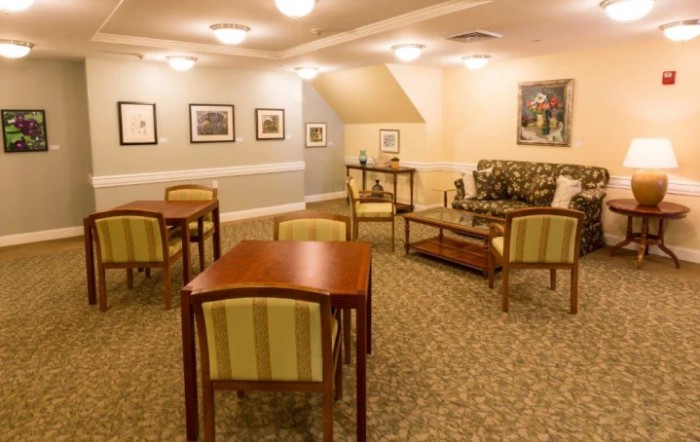

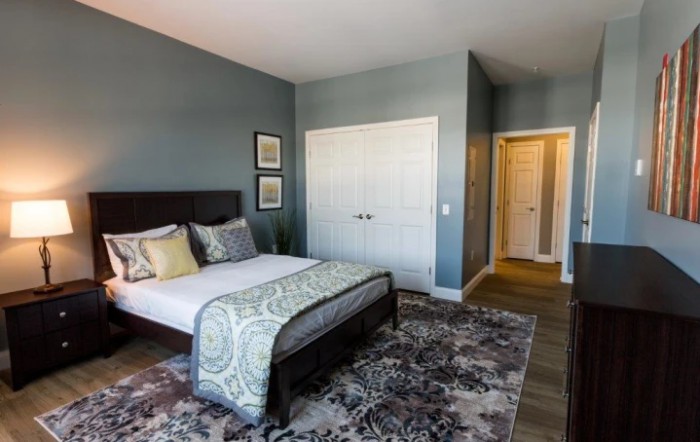
100 Alden Street, Provincetown, MA 02657
For more information about senior living options: (866) 208-4318
Overall Review of Seashore Point And Wellness Rehabilitation
Pros
 The staff are knowledgeable and caring.
- The staff listen and help put the parent at ease.
- The kitchen is good at accommodating dietary needs.
- The staff encourage and support the parent's desire to return to independent functioning.
- The Seashore Pointe staff are appreciated for being pleasant, welcoming, and helpful.
- The nurses and CNAs are wonderful and work with patients' difficulties fabulously.
- Rehab services are good.
- The place is nice and clean, and the staff are friendly and helpful.
- The facility allowed conversations with the patient through an exterior window, helping ensure she was not alone.
Cons
 The review states that visitors arenā€™t allowed inside due to COVID.
- The patient is described as extraordinarily difficult.
Review
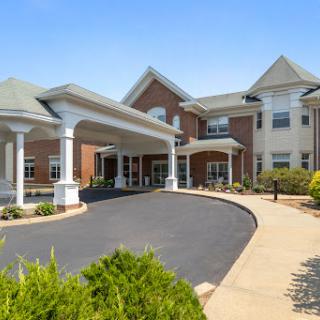
Seashore Point and Wellness Rehabilitation in Provincetown is best suited for seniors who want a warm, community-driven setting where rehabilitation, aging in place, and independence are primary goals. It fits families seeking accessible, attentive care from staff who listen and put a loved one at ease, while still pursuing functional gains. The combination of rehab services, a home-like atmosphere, and a social fabric that encourages neighbors to engage creates a practical environment for staying connected and moving forward. Those who prize personalized attention and a sense of belonging will find this community especially compelling.
However, for residents with very high medical acuity, or those needing intensive, around-the-clock physician oversight and specialized memory care, alternatives with deeper clinical depth are worth considering. The emphasis here is on rehabilitation, daily living support, and social integration rather than hospital-tier medical management. Families prioritizing a more formalized or highly structured dementia program, or a setting with continuous clinical staff in the background, should compare options to ensure the level of medical security matches expectations.
On the upside, the workforce stands out: staff are knowledgeable and caring, and they listen, helping to ease family worry. Dietary needs are met because the kitchen is adept at accommodating restrictions, a small but meaningful daily advantage. Staff actively encourage residents to regain independence, translating into real opportunities to reclaim skills and confidence. The environment feels welcoming and sociable, with neighbors and a concierge culture that reinforces a sense of recognition and safety. Rehab services meet solid standards, and private-duty observations from outside nurses attest to the professionalism of the nursing team. Hospice care has a clear, compassionate footprint, with evidence of thoughtful support even in end-of-life moments.
That said, the main constraints are not invisible. The setting is not a substitute for high-acuity medical care or exhaustive memory-support programming. For families weighing options, the question becomes whether the expected level of clinical oversight aligns with needs. The strengths, responsive staff, competent rehabilitation, and a lively, connected community, tend to offset these gaps when ongoing medical complexity is limited. For residents who insist on 24/7 physician presence or specialized dementia tracks, another property may present a tighter fit. Overall, the balance here leans toward practical, human-centered care rather than clinical intensity.
When evaluating Seashore Point, focus on how care goals translate into daily routines. Observe rehab sessions, probe how therapists set milestones, and verify comfort with discharge planning and continuity of care. Assess dining quality not just for taste but for adherence to dietary specifics. The quality of daily interactions, friendly front-desk touchpoints, neighborly engagement, and the ease of social participation, will signal the likelihood of sustained well-being. Also confirm how private nurses or outside clinicians can coordinate with the on-site team, and how palliative options are integrated should circumstances change. These factors clarify whether the community can deliver consistent independence within a supportive framework.
Bottom line: Seashore Point stands out as a practical, experienced option for seniors who value a caring staff, reliable rehabilitation, and a warm, sociable setting that supports ongoing independence. It delivers a tangible sense of belonging and daily progress that matters to families aiming to maintain quality of life. For those whose priorities include heavy clinical oversight, memory-specific programming, or 24/7 medical intensity, exploring alternatives with a deeper medical footprint is wise. In Provincetown, this community offers an effective blend of kindness, competence, and purpose-driven care that can make a meaningful difference in choosing the right next step for a loved one.
 41 resident community capacity
 Skilled Nursing Facility
 Beauty salon
 Cable or satellite TV
 Dining room
 Fully furnished
 Garden
 Housekeeping services
 Kitchenette
 Move-in coordination
 Outdoor space
 Restaurant-style dining
 Small library
 Telephone
 Wi-Fi/high-speed internet available
 24-hour call system
 Activities of daily living assistance
 Assistance with bathing
 Assistance with dressing
 Assistance with transfers
 Diabetes diet
 Medication management
 Mental wellness program
 Special dietary restrictions





 Navigating Medicare Coverage for In-Home Care Services
 In-Home Care Costs in 2025: A Detailed State-by-State Exploration
 Understanding Home Health Care: A Comprehensive Guide