Sutton Hill Center offers competitive pricing for its rooms compared to the broader market in Essex County and the state of Massachusetts. For a semi-private room, residents are looking at a cost of $3,532 per month, significantly lower than the county average of $5,800 and the state average of $5,805. When it comes to private rooms, Sutton Hill charges $4,238 monthly, which is also more affordable than both Essex County's rate of $6,771 and Massachusetts' average of $6,090. Additionally, for those interested in studio accommodations, Sutton Hill's price of $4,591 remains below the county's $5,255 and the state's $5,312. These cost advantages indicate that Sutton Hill Center provides an appealing option for individuals seeking quality care without exceeding their budgetary constraints.
Floor plans
Sutton Hill Center
Essex County
Massachusetts
Semi-Private
$3,532
$5,800
$5,805
Private
$4,238
$6,771
$6,090
Studio
$4,591
$5,255
$5,312
Skilled Nursing Facilities with a similar price nearby
Many reviewers describe staff as caring and responsive.
Across reviews, families and residents frequently say staff are kind, attentive, and professional, and that they treat residents with respect. Several mention specific nursing or therapy team members as helpful, explaining care steps or providing consistent daily support. A few other reviews complain about responsiveness and management communication, but even those reviews often acknowledge some individual nurses and aides.
caveat13 reviews mention this
Food and diet can be inconsistent
Dining quality and diet follow-through vary widely in reviews.
Some reviewers describe meals as poor quality or not matching what was ordered, including comments about portions, menu items not arriving, and meals feeling inadequate. Others raise diet and allergy concerns, including a diabetic meal mismatch and reports of lactose-related mistakes and food texture not being followed as ordered. On the positive side, multiple reviews say the food looks good, tastes fine, or can be enjoyable at meals.
common10 reviews mention this
Cleanliness is a common thread
Many reviewers call the facility clean and well kept.
A noticeable number of reviews praise the building’s cleanliness, describing it as clean, pleasant, and sometimes like a hotel. Several mention clean rooms and well-kept common areas during visits, while others specifically call out good hygiene and a lack of unpleasant odors. A smaller set of reviews counters this by describing rooms as dirty or care issues like residents staying in the same clothes or needing more help with hygiene.
caveat2 reviews mention this
Visiting logistics raise concerns
A few reviewers describe restrictive or frustrating visit logistics.
Some reviews mention difficulty leaving during evening hours because doors are locked, and describe needing help to exit. There are also comments about elevators being down or malfunctioning, which can affect moving around the facility during visits.
How we summarize
Counts show how many written reviews mention each theme; a review can touch several themes, and only frequently mentioned themes are displayed.
Features
Housing
21 resident community capacity
Types of Care
Skilled Nursing Facility
Amenities
Beauty salon
Cable or satellite TV
Dining room
Fully furnished
Garden
Housekeeping services
Kitchenette
Move-in coordination
Outdoor space
Telephone
Wi-Fi/high-speed internet available
Transportation
Gen Edw L Logan International (19 miles away)
Care Services
24-hour call system
24-hour supervision
Activities of daily living assistance
Assistance with bathing
Assistance with dressing
Assistance with transfers
Coordination with health care providers
Diabetes diet
Meal preparation and service
Medication management
Mental wellness program
Special dietary restrictions
Transportation arrangement (medical)
Transportation to doctors appointments
Dining
Diabetes diet
Special dietary restrictions
Activities
Community-sponsored activities
Scheduled daily activities
Nearby Places of Interest
Parks
Ward Reservation (1.9 miles)
Middlesex Fells Reservation (9.2 miles)
Cafes
Starbucks (2.9 miles)
Panera Bread (3.7 miles)
Starbucks (5 miles)
Heav'nly Donuts (5.6 miles)
Perfecto's Caffe (7.1 miles)
Duffy's Diner (7.8 miles)
Perfecto's Caffe (8 miles)
Pharmacies
CVS Pharmacy (3.4 miles)
CVS Pharmacy (3.8 miles)
Walgreens (4.1 miles)
Walgreens (4.2 miles)
CVS Pharmacy (5.1 miles)
CVS Pharmacy (5.4 miles)
Walgreens (5.8 miles)
Restaurants
Hopothecary Ales (3.5 miles)
Cows Rock Ice Cream (3.8 miles)
Burtons Grill (3.8 miles)
Sports, Spirits & Steaks (4.1 miles)
Kitty's Restaurant & Lounge (4.3 miles)
Shawsheen Luncheonette (4.5 miles)
Maggie's Farm (4.8 miles)
Physicians
Northeast Urologic Surgery PC (5.6 miles)
Dr Josef And Dr Michael Gendlerman's Office (5.8 miles)
SMG New England Cardiology of Lawrence (6 miles)
Associates In Ob Gyn (7.3 miles)
Pentucket Medical (7.5 miles)
Pleasant Valley Internists PC (7.7 miles)
The New England Facial and Cosmetic Surgery Center (8 miles)
Transportation
Lawrence Municipal Airport (LWM) (5.7 miles)
Ballardvale Mbta Station (7.9 miles)
Places of Worship
Danvers Church Of The Nazarene (6 miles)
St Richard Catholic Church (7.4 miles)
La Iglesia De Jesucristo De Los Santos De Los Últimos Días (8.8 miles)
Sutton Hill Center offers competitive pricing for its rooms compared to the broader market in Essex County and the state of Massachusetts. For a semi-private room, residents are looking at a cost of $3,532 per month, significantly lower than the county average of $5,800 and the state average of $5,805. When it comes to private rooms, Sutton Hill charges $4,238 monthly, which is also more affordable than both Essex County's rate of $6,771 and Massachusetts' average of $6,090. Additionally, for those interested in studio accommodations, Sutton Hill's price of $4,591 remains below the county's $5,255 and the state's $5,312. These cost advantages indicate that Sutton Hill Center provides an appealing option for individuals seeking quality care without exceeding their budgetary constraints.
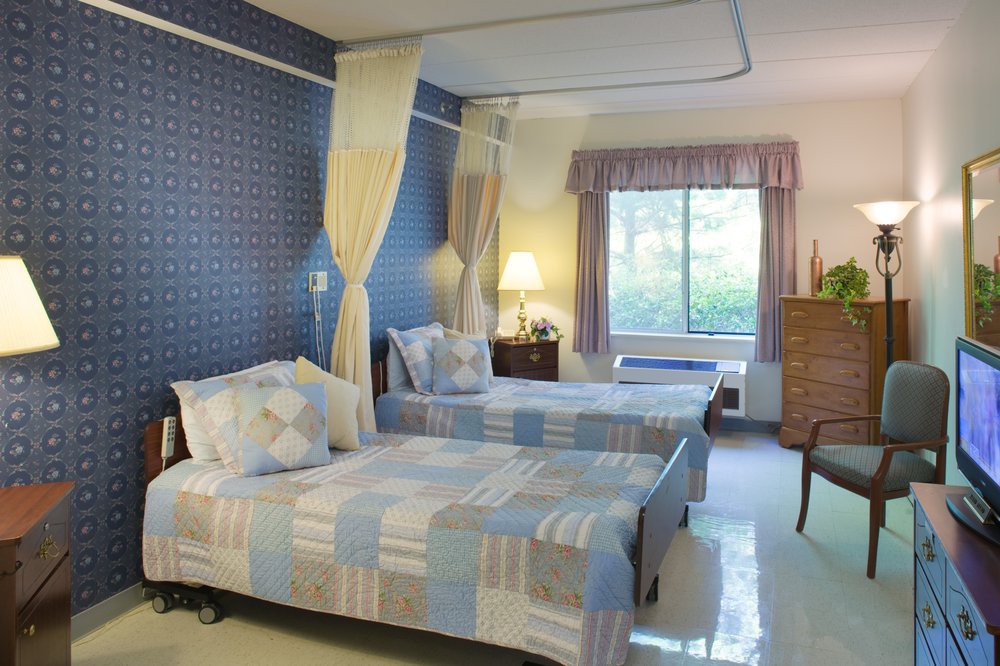
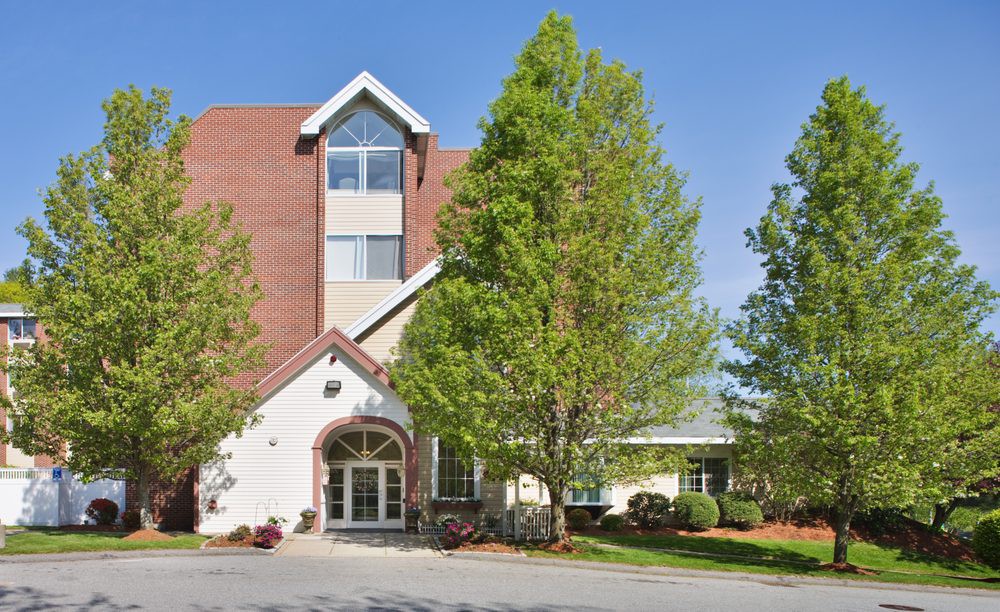
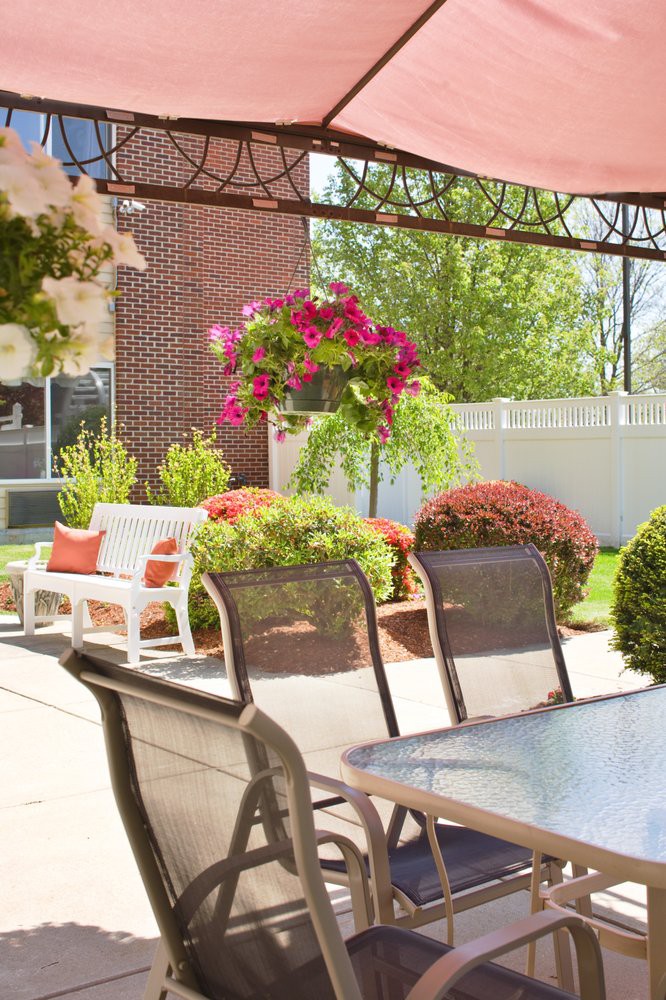
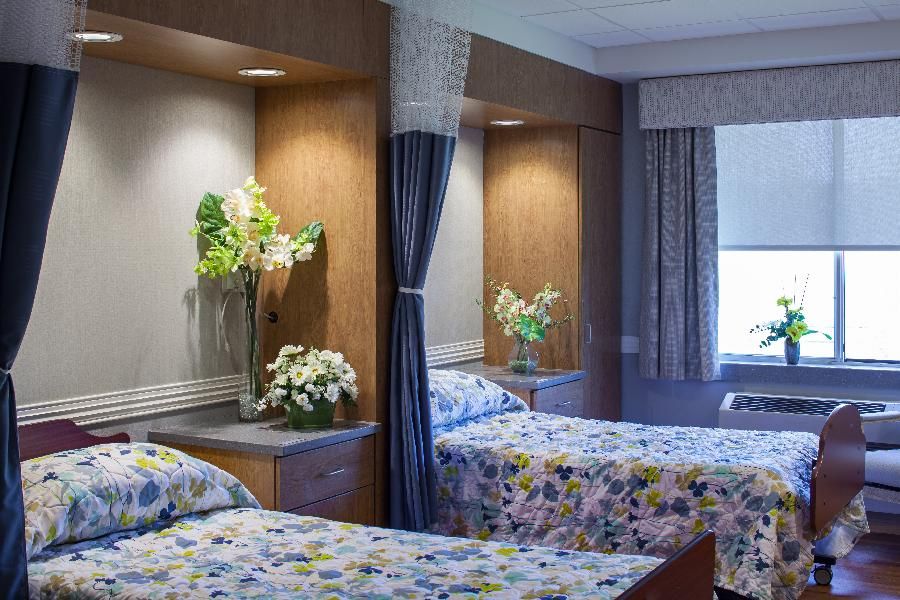
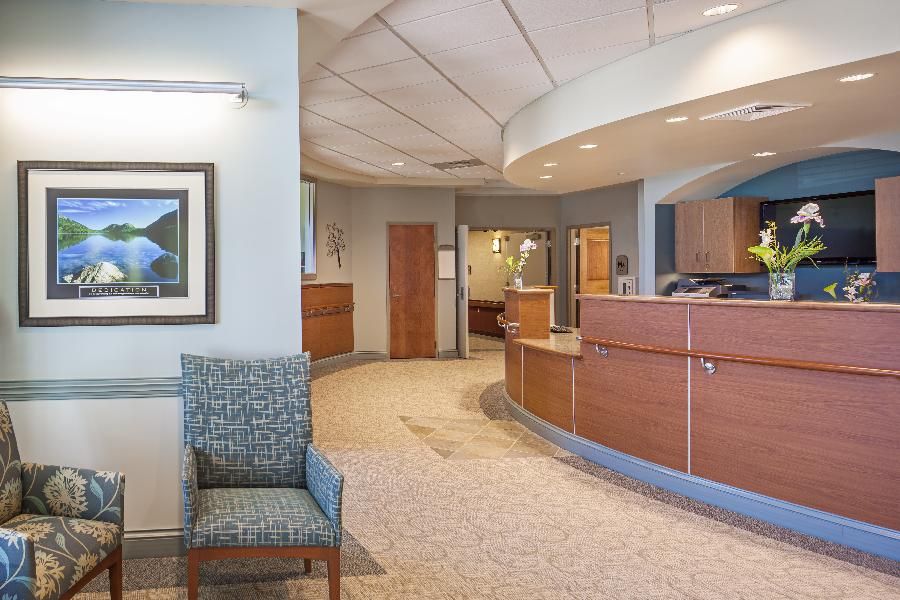
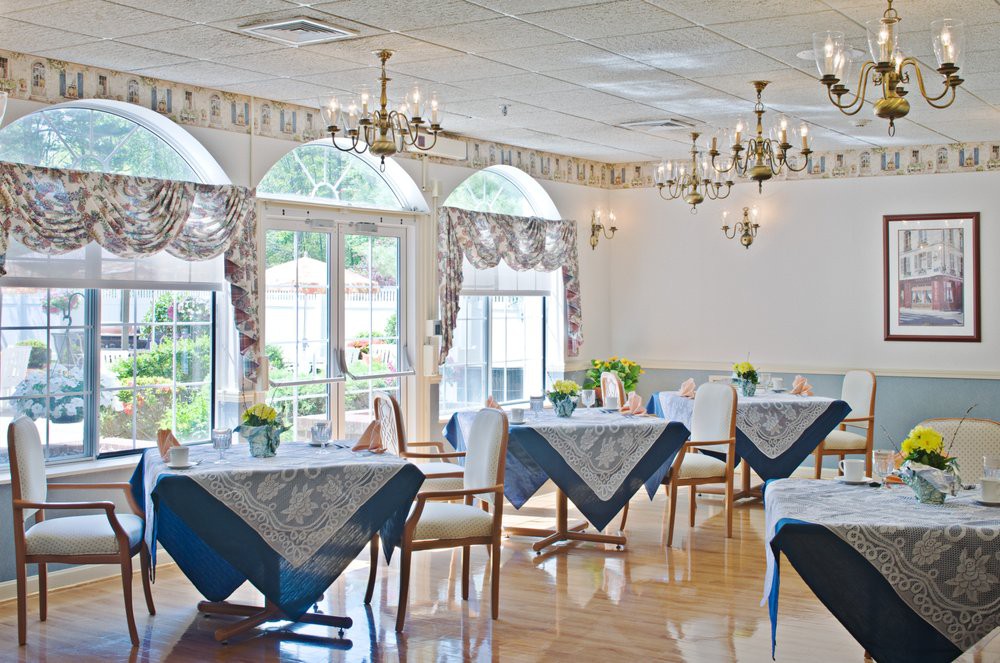
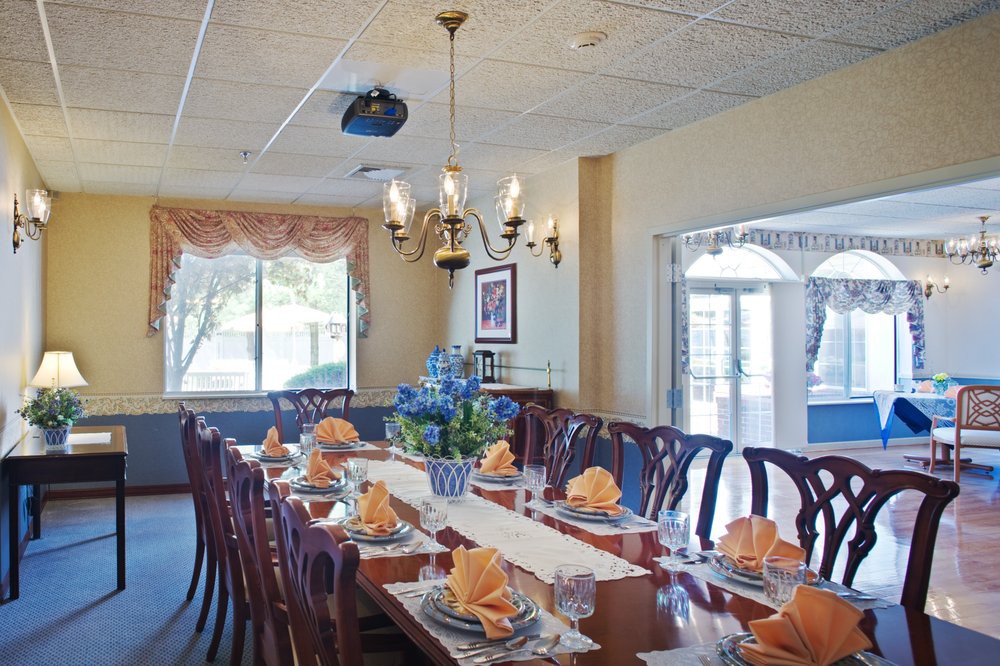
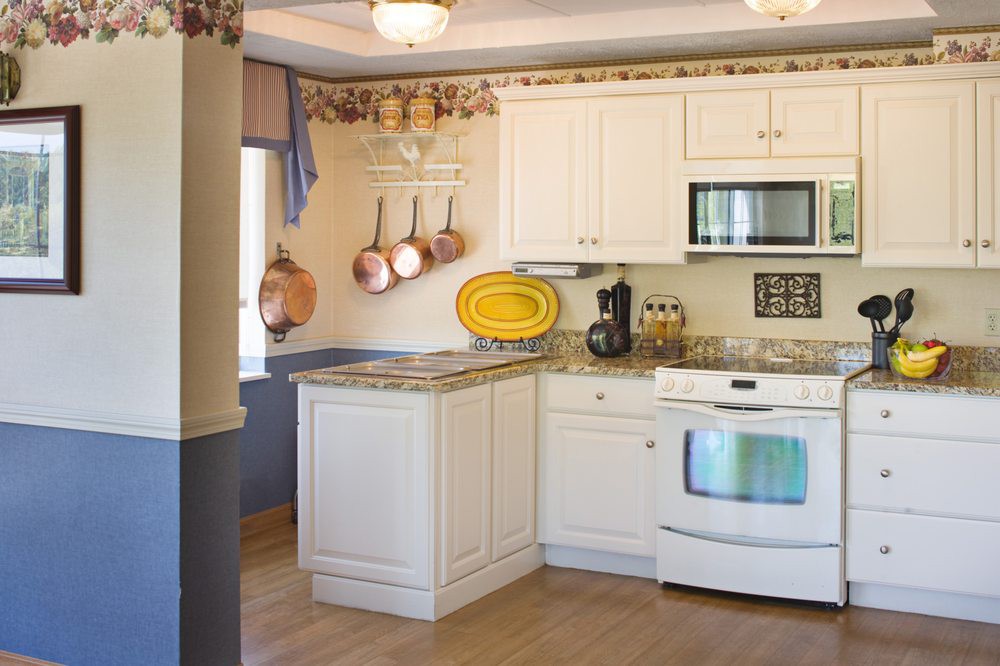
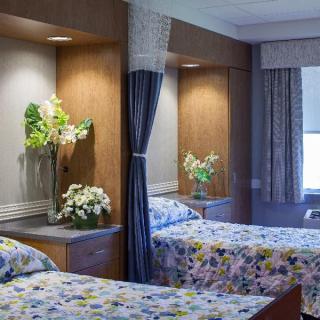
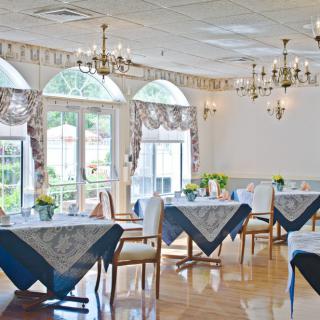
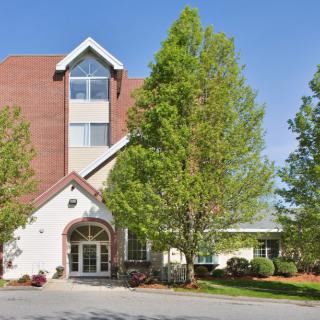
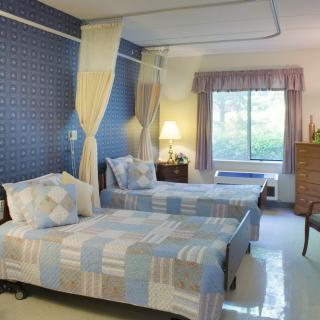
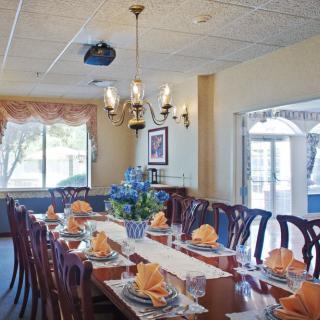
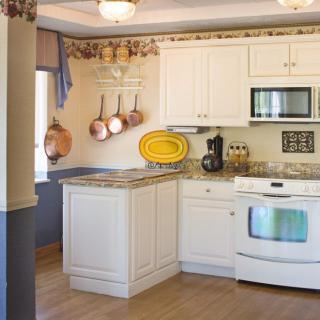
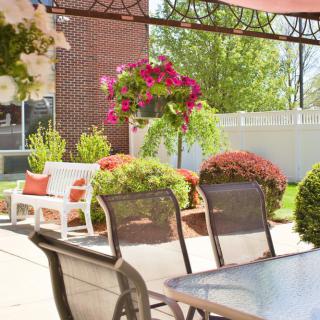
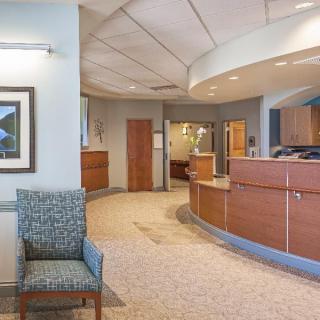
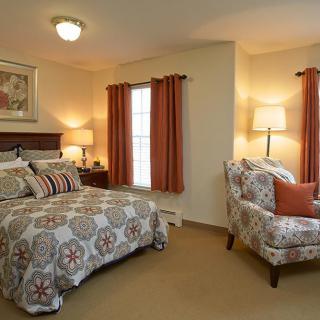
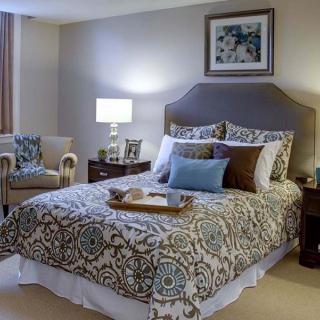
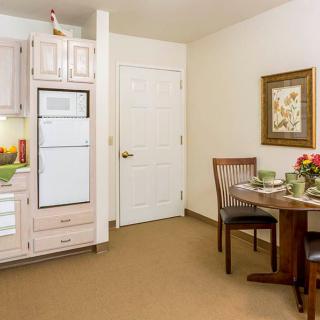
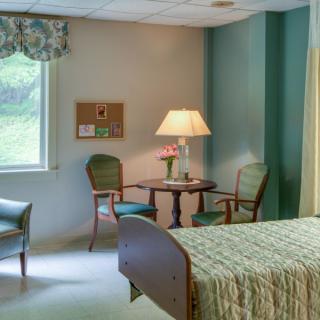
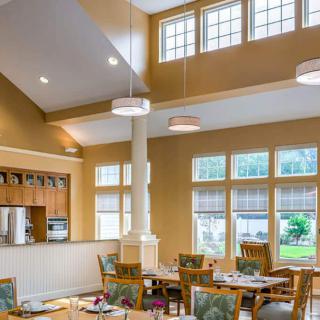
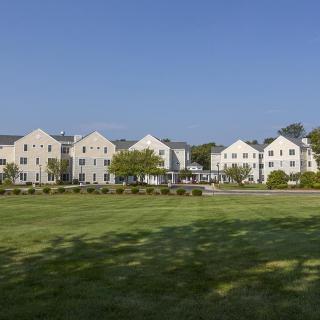
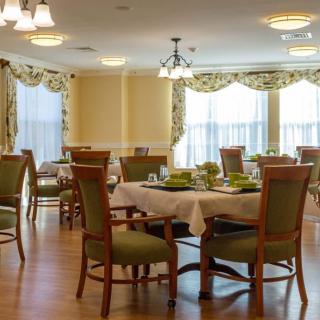
Sutton Hill Center on seniors.fyi includes 8 photos including images showing interior, windows, decor, bedroom, dining, chandelier, kitchen, oven, and more.
Nearby Communities
Spectrum at North Andover
North Andover, MA
4.3 from 4 reviews
Nearby cafes, park, pharmacies, and dining options.
Brightview North Andover
North Andover, MA
4.6 from 99 reviews
$4,000 to $5,985 / month
Friendly, attentive staff with an active program in a clean, hotel-like environment.
Infusion Support Systems Inc
North Andover, MA
$5,000 / month
Affordable pricing relative to local averages
North Meadow Village
Middleton, MA
1 from 2 reviews
Small, personalized setting with tailored care, meal services, dietary accommodations, plus Wi-Fi and housekeeping.
Academy Manor
Andover, MA
3.5 from 87 reviews
$8,160 to $9,390 / month
Caring memory care staff with clean rooms and engaging daily activities.
Stone Hill At Andover
Andover, MA
4.9 from 75 reviews
$4,745 to $9,295 / month
Caring, long-tenured staff in a clean, well-equipped campus with engaging activities and good family communication.
Bridges® By Epoch At Andover
Andover, MA
4.7 from 27 reviews
Ashland Farm At North Andover
North Andover, MA
4.6 from 84 reviews
$3,750 to $6,050 / month
Friendly staff in a clean, homey setting with engaging activities.
Artis Senior Living of Reading
Reading, MA
4.7 from 93 reviews
$9,350 / month
Kind, attentive staff with engaging activities in a clean, secure memory-care environment.
Medicare covers in-home health care services, which are medical and provided by licensed professionals under a physician's supervision, whereas non-medical personal assistance is generally not covered unless part of a broader skilled care plan. Eligibility for benefits depends on being homebound and needing intermittent skilled services from a Medicare-certified agency, with specific coverage limitations and additional resources available for navigating options.
In-home care is increasingly sought after by older adults for maintaining independence, with average private home care rates in 2025 varying by state and service type, reflecting geographical and local labor market influences. As demand rises, families are considering funding options like Medicaid waivers and long-term care insurance to manage costs effectively while ensuring quality care.
Home health care has become essential for supporting independence among the aging population, offering diverse services such as skilled nursing and rehabilitation in familiar environments, while also incorporating technology for personalized care. Despite its benefits, including improved recovery rates and emotional well-being, challenges like safety, staff availability, and insurance navigation must be managed for effective implementation.
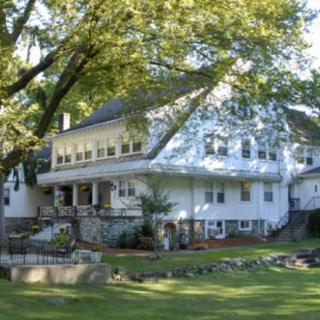
Landscaping, Building, Architecture, Trees, and Entrance
Windows
Kitchen and Oven
Garden, Outdoor, and Patio
Waiting Area and Reception
Get PricingAsk A QuestionSchedule A TourContact Senior Advisor
By clicking submit, you agree to our Partner's Terms of Use. You
also consent to receive calls and texts, which may be autodialed, from our Partner. Your consent is not a condition to
using our Partner's service. Please visit our Partner's Privacy Policy for information about their privacy practices.


 21 resident community capacity
 Skilled Nursing Facility
 Beauty salon
 Cable or satellite TV
 Dining room
 Fully furnished
 Garden
 Housekeeping services
 Kitchenette
 Move-in coordination
 Outdoor space
 Telephone
 Wi-Fi/high-speed internet available
 Gen Edw L Logan International (19 miles away)
 24-hour call system
 Activities of daily living assistance
 Assistance with bathing
 Assistance with dressing
 Assistance with transfers
 Diabetes diet
 Meal preparation and service
 Medication management
 Mental wellness program
 Special dietary restrictions
 Transportation arrangement (medical)
 Transportation to doctors appointments
 Nearby cafes, park, pharmacies, and dining options.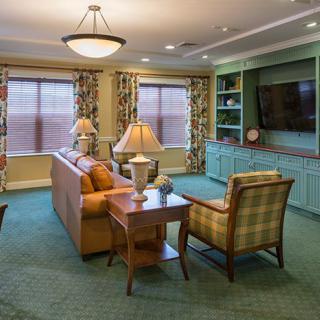


 Navigating Medicare Coverage for In-Home Care Services
 In-Home Care Costs in 2025: A Detailed State-by-State Exploration
 Understanding Home Health Care: A Comprehensive Guide