
45 Union Street, Natick, MA 01760
For more information about senior living options: (866) 208-4318
Overall Review of Mary Ann Morse Nursing & Rehabilitation
Pros
 The facility is very nice and well kept.
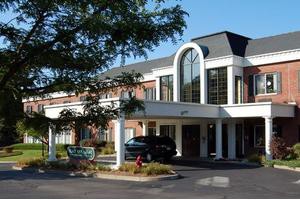
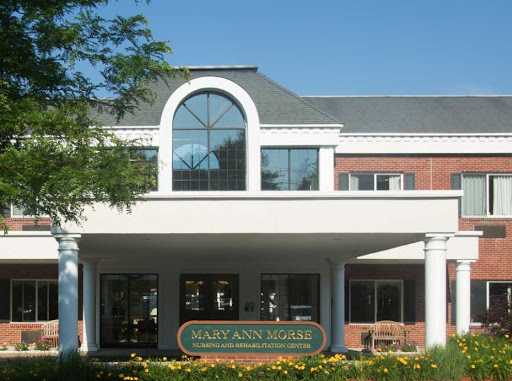
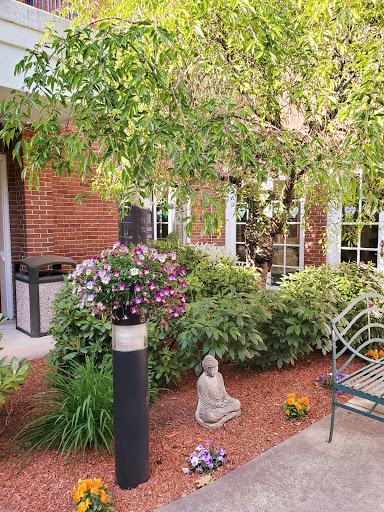
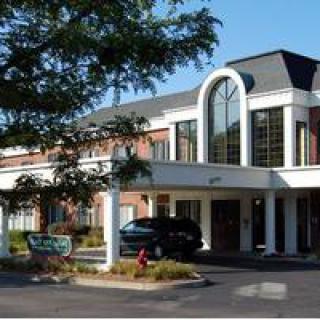
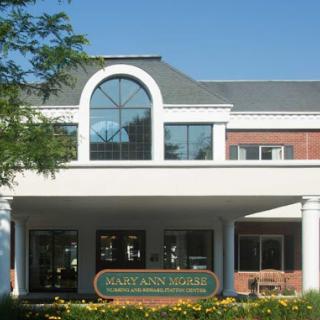
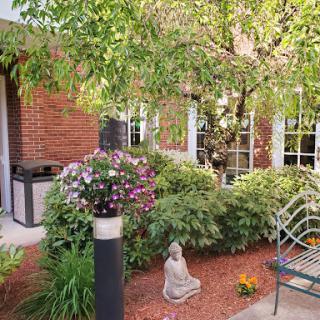
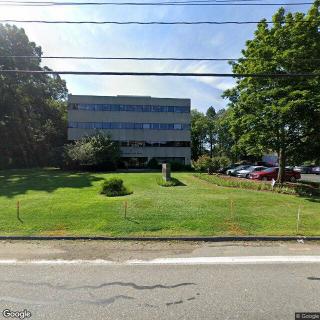
- The front entrance is attractive, with an open space and an enclosed patio.
- The mother enjoyed the food.
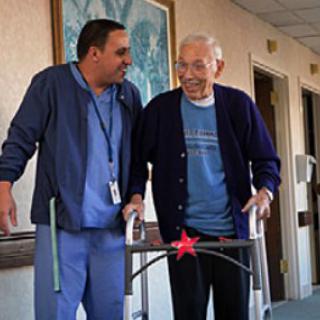
- The reviewers were happy with the staff.
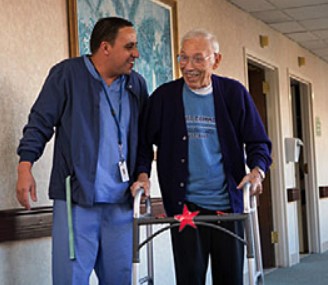
- The care is fantastic and the staff are very good.
- The facility is beautiful and its location is favorable.
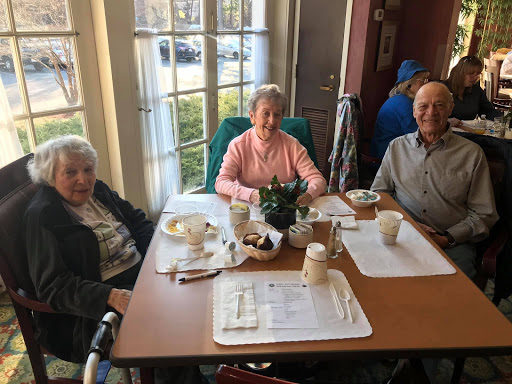
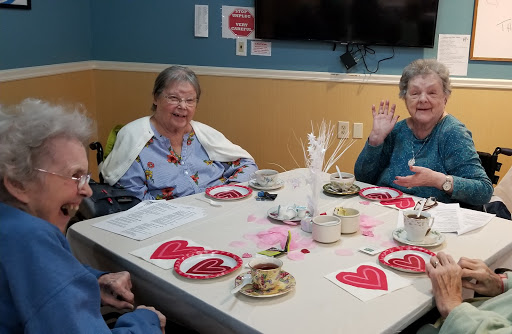
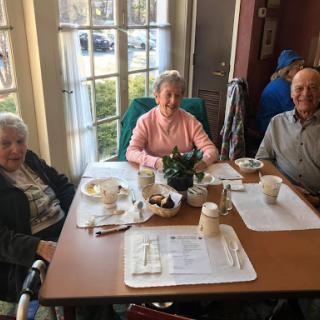
- There are many activities to keep residents entertained, and the meals are tasty and flavorful.
- The reviewers would recommend Mary Ann Morse.
Cons
 It is very busy and very overwhelming.
- The staff-to-patient ratio appears to be a little low because it’s a rehab.
- There was a language barrier there.
- A lot of the staff are immigrants, and it was very difficult to understand them with their masks on; everybody had a problem.
- It is smaller and more congested.
- In terms of value, it is very expensive.
- There was a two-year wait.
Review
Mary Ann Morse Nursing & Rehabilitation in Natick is best suited for families seeking a rehabilitative-to-nursing continuum in a campus-like setting where activity is visible, programming is robust, and staff engagement is apparent. The community tends to operate at a busier pace, which suits residents who appreciate structured schedules, plentiful social opportunities, and frequent staff interactions. The campus design, open lounges, a central enclosed patio, and second-floor outdoor spaces, facilitates easy visitation and regular outdoor time, a meaningful advantage for families wanting regular contact with loved ones. The meals are a noted asset, and when a resident enjoys flavorful options, that quality matters for ongoing satisfaction. In short, this is a durable option for those who want comprehensive rehab services under one roof and are willing to navigate a lively, sometimes crowded environment.
However, this model is not for everyone. Price sensitivity is real, with multiple observers labeling value as expensive relative to alternatives. The rehab footprint can feel congested, and even when staff are caring, the staff-to-patient ratio can appear lean on busy floors. Language barriers surfaced in some interactions, with many staff described as immigrants who can be hard to understand with masks, raising concerns for families prioritizing crystal-clear communication. Admission times can be longer because the facility remains highly sought after. Some residents may prefer a quieter setting with fewer lines at the door and with more dining options than a single dining room tied to the rehab unit. These realities push families to consider other options if cost, acoustics, or language clarity are critical factors.
Yet the positives often blunt the sting of the cons. Caregivers are repeatedly praised for their attentiveness, warmth, and willingness to accommodate family needs, even during challenging days. The care philosophy translates into reliable daily routines, and the activity calendar is robust enough to keep residents engaged, a meaningful asset for both rehab and long-term residents. The culinary program earns praise for flavor and quality, turning meals into a meaningful part of the resident experience rather than a mere routine. The physical campus, well-kept hallways, secure wings, inviting outdoor spaces, creates a sense of dignity and safety that families notice. Taken together, the strong care relationships, abundant activities, and appealing environment can offset the higher cost and crowding, particularly when the emphasis is on skilled rehab and steady nursing support delivered in one place.
To decide with confidence, focus on concrete factors during a visit. Inquire about the rehab floor’s staffing mix on weekdays versus weekends, and whether a dedicated care team stays with residents to build continuity. Ask about language support, whether interpreters are available, and how misunderstandings are resolved in real time. Validate room configurations, including whether private rooms are available and how much they add to monthly cost. Confirm dining options beyond the main dining room, and gauge how the kitchen handles special diets and flavor preferences. Inspect security measures and sit in common spaces during peak times to assess noise levels and crowding. If memory care is a priority, verify the status and availability of dedicated units and the admission timelines there.
For families weighing a longer stay, verify the financial picture early: upfront costs, ongoing monthly rates, and what happens if care needs escalate. If immediate admission is a concern, compare to peers with shorter waitlists, or explore nearby facilities that balance cost and quiet environments. Consider a trial period or short-term stay to evaluate fit before committing long term, and observe how the staff respond to family visitation and involvement. These steps illuminate whether the blend of care quality, programming, and campus charm aligns with the resident’s goals and the family’s expectations.
In the end, Mary Ann Morse stands out as a pragmatic choice for those who prize a capable rehab-to-nursing option with strong staffing, active programming, and a welcoming, well-loved campus, and who are comfortable with premium pricing and the inherent bustle. For families prioritizing cost containment, minimal language barriers, or a quieter, more residential feel, alternatives deserve serious consideration. With careful due diligence and direct conversations about staffing, room configurations, and daily rhythms, this community can deliver meaningful recovery, steady nursing care, and a dignified, engaged lifestyle for residents who fit its profile.
 124 resident community capacity
 Skilled Nursing Facility
 Air-conditioning
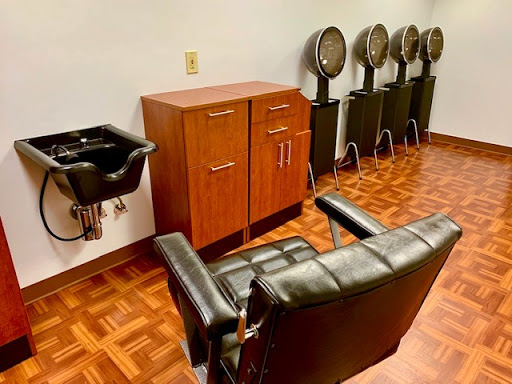
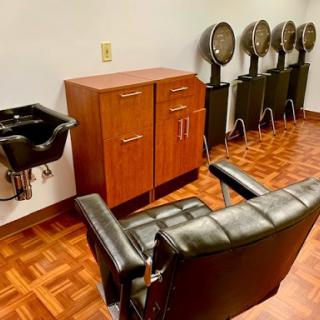
 Beauty salon
 Cable or satellite TV
 Computer center
 Dining room
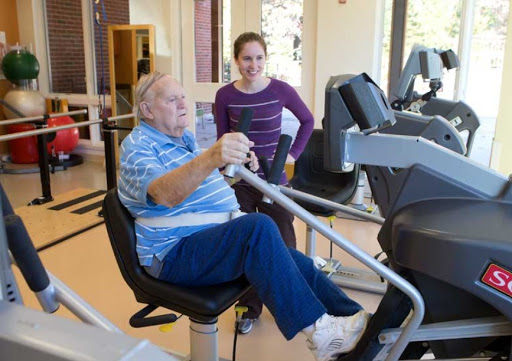
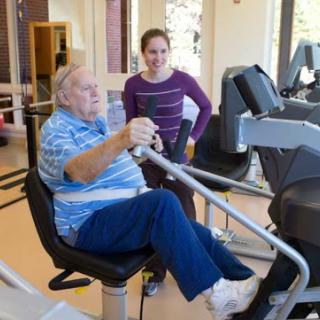
 Fitness room
 Fully furnished
 Gaming room
 Garden
 Housekeeping services
 Kitchenette
 Move-in coordination
 Outdoor space
 Private bathrooms
 Restaurant-style dining
 Small library
 Telephone
 Wellness center
 Wi-Fi/high-speed internet available
 Gen Edw L Logan International (18 miles away)
 Community operated transportation
 12-16 hour nursing
 24-hour call system
 Activities of daily living assistance
 Assistance with bathing
 Assistance with dressing
 Assistance with transfers
 Diabetes diet
 Medication management
 Mental wellness program
 Special dietary restrictions
 Concierge services
 Planned day trips





 Exploring Palliative Care in the Home: A Comprehensive Overview
 Comprehensive Insights into Palliative Home Care: What It Is and What to Expect
 Skilled Nursing Facilities vs. Nursing Homes: Making Sense of the Differences