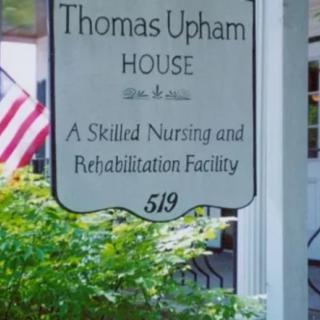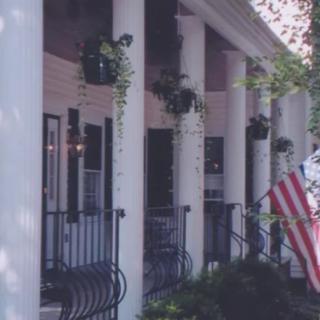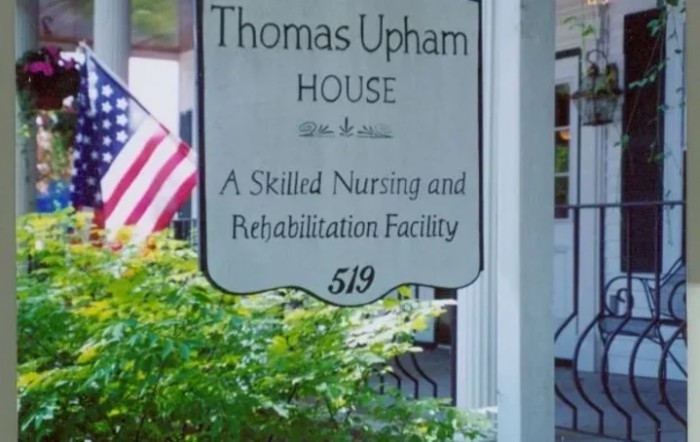
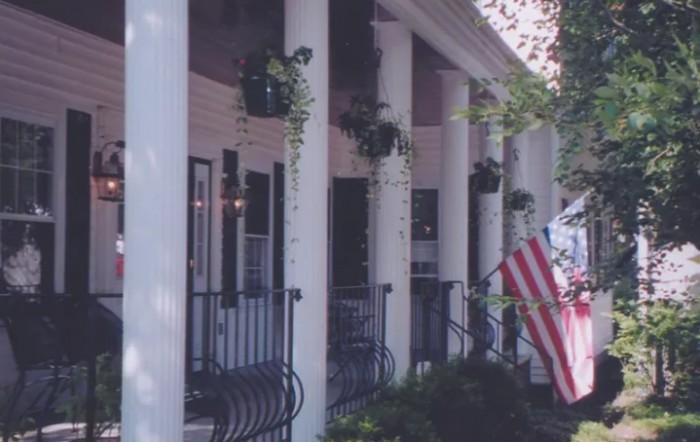
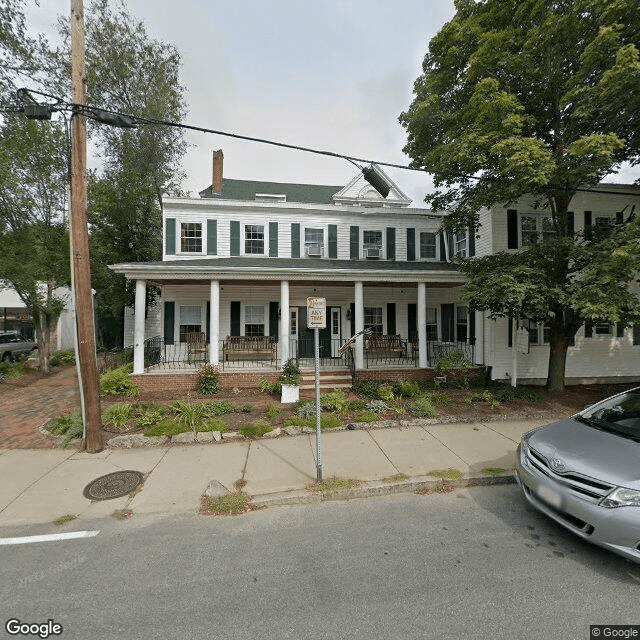
519 Main Street, Medfield, MA 02052
For more information about senior living options: (866) 208-4318
Overall Review of Thomas Upham House
Pros
 The staff were kind, compassionate, caring, and responsive to every request.
- They always had time to laugh with residents and were encouraging about their progress.
- They took residents’ pain away with warmth and attentive listening.
- The residents’ needs and care were always the top priority for all staff and departments.
- The staff interacted with residents by name, showing respect and creating a homelike setting.
- They provided 24-hour care and kept residents occupied with activities, with on-site physical therapy available.
- They were nurturing and supportive, contributing to a sense of peace for families.
Cons
 Suzette is very unprofessional.
- The facility serves crappy food.
- It’s not a fancy place.
Review
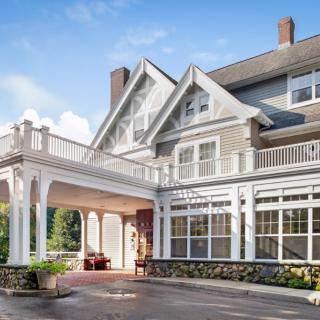
Thomas Upham House in Medfield is best suited for seniors who require around-the-clock nursing oversight within a genuinely warm, homelike setting and who can tolerate a modest, non-luxury environment. This community shines for residents recovering from medical events or surgeries who need attentive staff, daily engagement, and reliable monitoring to prevent hospital returns. Families should expect a culture centered on care, with a strong emphasis on personalized attention and consistent contact with leadership and department heads. Those who want a highly polished, upscale setting or significantly lower-cost options may find the fit less ideal and would be wise to explore alternatives.
The most compelling attribute is the staff culture. Across nurses, CNAs, social workers, and even kitchen and housekeeping teams, care is described as compassionate, responsive, and genuinely focused on residents’ needs. The sense that residents are known by name by owners and managers, along with accessible administrators and department heads, creates a trusted, accountable environment. This depth of attentiveness translates into real-world benefits: faster responses to requests, a willingness to accommodate special routines, and a palpable sense of dignity. For families seeking a place where staff appear invested in daily quality of life, this is a clear strength.
Equally important is the 24-hour care framework paired with meaningful activity. The facility’s programming keeps residents occupied with daily engagement, and on-site physical therapy support helps sustain mobility and independence where possible. The combination of continuous supervision and structured activity reduces isolation and supports recovery. In practice, these elements help residents maintain progress after procedures and give families reassurance that continuous oversight will be available, even after daytime routines end. When a family member needs ongoing oversight, this level of coverage can be a decisive offset to the setting’s modest amenities.
Yet there are clear cautions. A recurring concern centers on the food quality and the overall ambience, described by one family member as “crappy” in contrast to the otherwise nurturing, protective environment. The facility is not marketed as a luxury destination; it is a practical, skilled-nursing setting. Price is another hurdle: at roughly six figures annually, the cost signals a long-term financial commitment that may outpace what some families can comfortably bear, particularly when the care needs are at a minimum or when a family is balancing other options. A note of caution also arises from a single reviewer calling out unprofessional behavior by a staff member; while isolated, it underscores the importance of verifying the current leadership climate and recent personnel changes before committing.
Because the strongest appeal here is the caregiving nucleus, this community is most appropriate for residents who require steady nursing oversight and value an accessible, hands-on staff culture over resort-like amenities. Alternatives become compelling when the priority shifts to lower cost, greater independence, or more robust dining experiences, or when the care needs are not at the level of continuous skilled nursing. Families should consider nearby assisted living or memory-care options that offer lighter medical support, stronger culinary programs, or more expansive social calendars if those elements align better with the senior’s preferences or budget.
In making a decision, demand a comprehensive firsthand review: schedule a visit focused on administration responsiveness, tour the dining area during a meal, and request a candid discussion about staff-to-resident ratios, care plans, and how care is adjusted when medical needs evolve. Probe the current leadership team about quality assurance, incident follow-ups, and ongoing staff training. Compare the activity slate and PT availability against alternatives, and assess whether the cost aligns with anticipated long-term needs. If choosing Thomas Upham House, enter with clarity on expectations: a genuine, hands-on caregiving home that can deliver steady support, tempered by the realities of cost and non-luxury amenities.
 42 resident community capacity
 Skilled Nursing Facility
 Beauty salon
 Cable or satellite TV
 Dining room
 Fully furnished
 Garden
 Housekeeping services
 Kitchenette
 Move-in coordination
 Outdoor space
 Restaurant-style dining
 Small library
 Telephone
 Wi-Fi/high-speed internet available
 Gen Edw L Logan International (20 miles away)
 24-hour call system
 Activities of daily living assistance
 Assistance with bathing
 Assistance with dressing
 Assistance with transfers
 Diabetes diet
 Medication management
 Mental wellness program
 Special dietary restrictions



 Comprehensive Guide to Blood Pressure Charts for Older Adults: Understanding Normal and High Readings by Age
 Financing Long-Term Nursing Home Care Through Social Security: A Thorough Exploration
 Essential Knowledge on Pneumonia in Older Adults