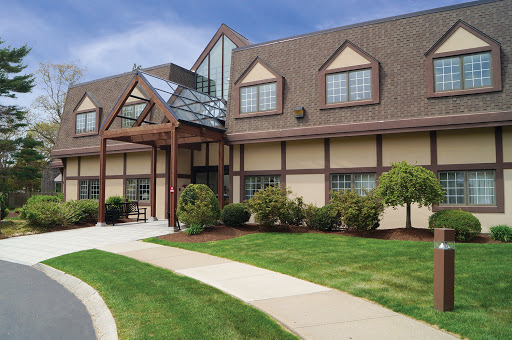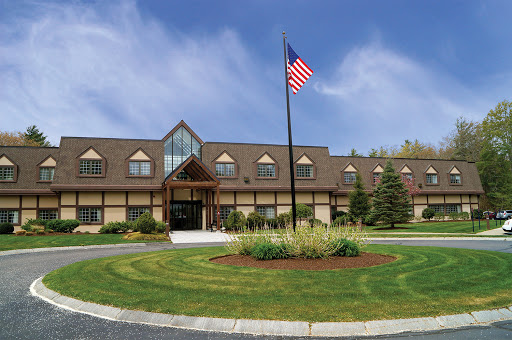
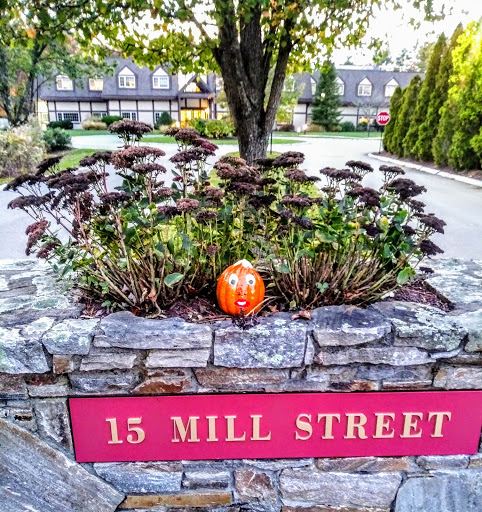



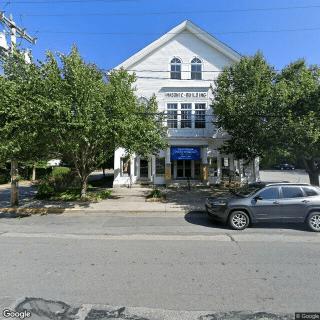
15 Mill Street, Marion, MA 02738
For more information about senior living options: (866) 208-4318
Overall Review of Sippican Healthcare Center
Pros
 The facility is wonderful.
- It is very clean, well-organized, and caring.
- The care is very good.
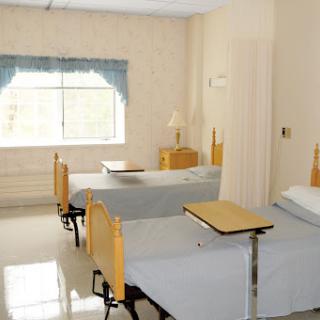
- The facility is immaculate and spotless.
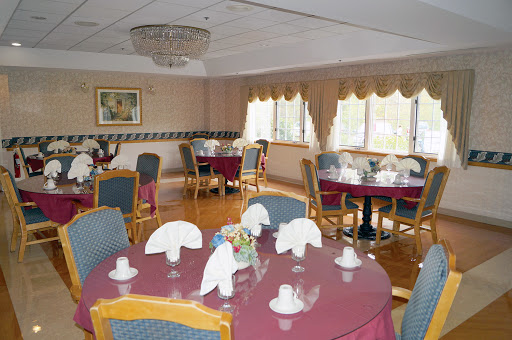
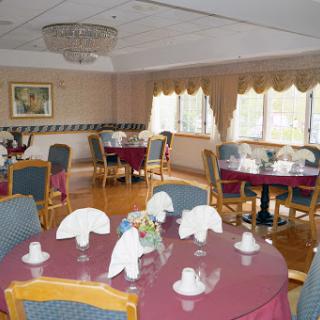
- The food is very good, nutritious, healthy, and well-made.
- The staff are very caring, helpful, and attentive.
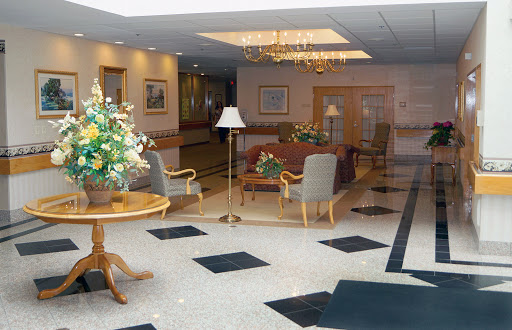
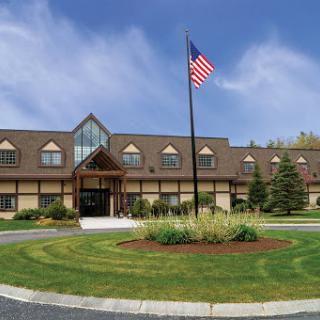
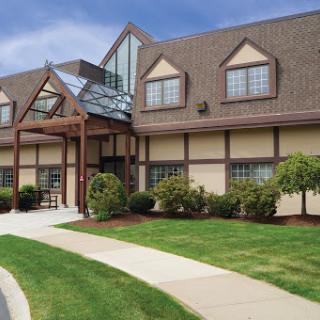
- The place is beautiful.
- The front-line staff, especially the receptionists, are among the friendliest and nicest people.
- The staff are warm and welcoming.
- They are helpful in directing calls and looking up information for the patient.
- They accommodate the patient’s preference for certain nurses, making her feel comfortable.
Cons
 One reviewer described Sippican Health Care Center as old, not very welcoming, with terrible food.
- Another reviewer complained about poor communication, noting zero information on outside appointments despite multiple requests.
- The health care proxy stated that the patient has been on lockdown since March and receives no medical information.
- It was noted that the patient went to dialysis shoeless and wearing bloody or dirty clothing.
- The reviewer observed an endless stream of people coming and going, but not family, which they found concerning.
- They reported that 18 people have died despite the lockdown, and that case numbers vary between reports.
- The grandmother’s health has been failing, with slipping and falling more often, and she has trouble walking with swollen legs.
Review
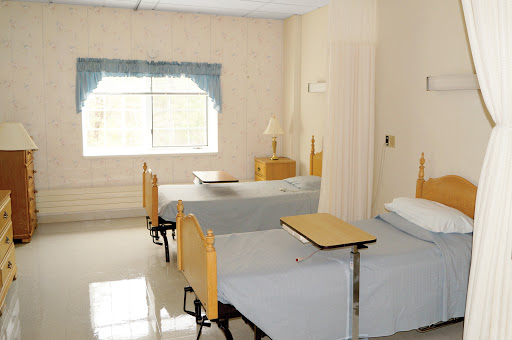
This community is best suited for families seeking intensive rehabilitative and medical care in a setting that emphasizes cleanliness, organization, and attentive, caring staff. It works well for residents who need structured post-acute support, daily therapy, and ongoing medical management, delivered in a facility that is praised for its immaculate environment and reliable food quality. For families prioritizing a calm, predictable routine with nurses who learn a resident’s preferences and stick with familiar caregivers, this center offers a stable, accommodating rhythm that can translate into real comfort for both resident and proxy.
Alternatives are worth considering for families who place a higher premium on modern ambiance, consistently proactive communication, and up-to-date presentation. Some reviewers describe the building as aging and not particularly welcoming, and one repeatedly notes difficulty obtaining timely, written updates about outside appointments. If transparency, ease of information flow to family members, or a more contemporary feel are nonnegotiables, it may be prudent to compare other options. Cost transparency is also a factor that came up anecdotally, suggesting that prospective residents should seek a clear, written explanation of what is included in ongoing charges.
The strongest positives here are the elements that tend to support recovery and daily well-being: exceptional cleanliness and organization, a high level of medical and rehabilitative care, and consistently warm, attentive staff across front-line roles. Food quality is highlighted as nutritious and well-prepared, and care teams are described as genuinely caring and helpful, with particular appreciation for staff who remember the resident’s usual nurses and preferences. These factors can offset some friction points, especially for families who value continuity of care and a resident who benefits from a predictable routine and a well-coordinated rehab program.
Yet, the facility presents tangible drawbacks that cannot be ignored in a decision. Communication gaps and limited written updates to families stand out as a recurrent concern, with several accounts detailing limited visibility into external appointments and care decisions. There are also alarmingly negative anecdotes about outside appointments, information sharing, and the overall atmosphere of the building. A few reviewers reference perceptions of an aging, less inviting environment and inconsistent experiences related to staffing, which may heighten anxiety for families seeking a consistently uplifting atmosphere. In rare cases, concerns about safety, transparency, and the scope of care come into sharper focus and warrant careful scrutiny during tours and conversations.
To decide wisely, prospective families should press for concrete assurances: request a direct contact for daily or weekly written updates about the resident’s care plan and outside appointments, and ask for a named liaison to coordinate communication between the family and care team. Schedule face-to-face meetings with the director of nursing, therapy leads, and the dietary team to review typical menus, therapy schedules, and how resident preferences are recorded and honored. Inquire about nurse assignments and the facility’s approach to familiarizing residents with the staff, especially for residents who slow to adapt to new faces. Finally, observe the environment: tour the ward areas, assess dining spaces, and gauge whether the atmosphere feels welcoming and safe, not only for the resident but for visiting family.
Bottom line: Sippican Healthcare Center can be an excellent fit for families prioritizing strong rehab and medical care within a pristine, well-run setting, where staff are consistently attentive and meals are nutritious. It is less ideal for those who demand unfailingly transparent, written updates and a uniformly modern, uplifting ambiance. For residents who benefit from familiarity with caregivers and a structured routine, the positives may clearly outweigh the negatives. For others, a careful comparison with alternatives, focusing on communication practices, building environment, and clarity of cost, will determine the wiser choice.
 123 resident community capacity
 Skilled Nursing Facility
 Air-conditioning
 Beauty salon
 Cable or satellite TV
 Computer center
 Dining room
 Fitness room
 Fully furnished
 Gaming room
 Garden
 Housekeeping services
 Kitchenette
 Move-in coordination
 Outdoor space
 Private bathrooms
 Restaurant-style dining
 Small library
 Telephone
 Wellness center
 Wi-Fi/high-speed internet available
 Marthas Vineyard (24 miles away)
 Community operated transportation
 12-16 hour nursing
 24-hour call system
 Activities of daily living assistance
 Assistance with bathing
 Assistance with dressing
 Assistance with transfers
 Diabetes diet
 Medication management
 Mental wellness program
 Special dietary restrictions
 Concierge services
 Planned day trips

 Comprehensive Insights into Palliative Home Care: What It Is and What to Expect
 Skilled Nursing Facilities vs. Nursing Homes: Making Sense of the Differences
 A Detailed Examination of Nursing Home Costs Across the U.S.