431 Pond Street, Boston, MA 02130
For more information about senior living options: (866) 208-4318
Overall Review of Armenian Nursing & Rehabilitation Center
Pros
 The care at Armenian Center was excellent, with staff who were kind, respectful, and encouraging.
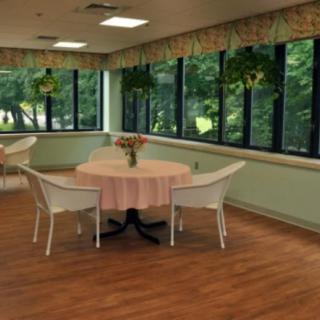
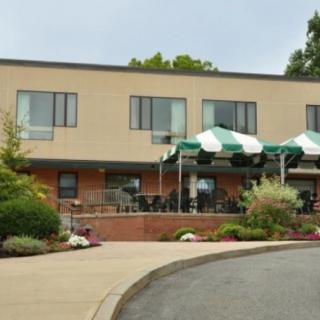
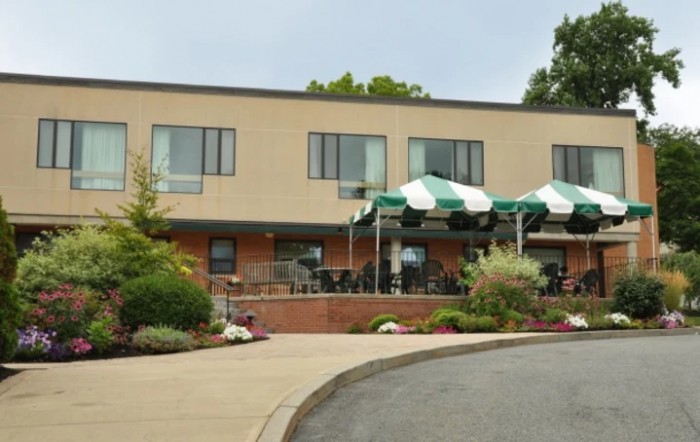
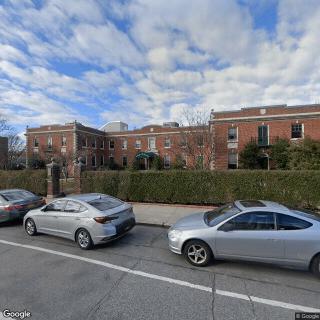
- The facility sits in a peaceful, attractive neighborhood, with well-kept grounds and a clean, fresh environment.
- The admissions director was helpful and knowledgeable, putting the family at ease.
- All staff members are outstandingly pleasant, empathetic, and truly care about each resident.
- The facility is clean, offers good food options, and makes residents feel well-known and cared for.
- The staff treat patients as human beings, not numbers.
- The center implemented safety measures during the Covid outbreak, including separating the Covid unit and ensuring staff wore masks.
Cons
 The food was horrible.
- The pizza was cold.
- The PCA was not helpful at all.
- She had to help him out of bed.
- The facility was old and decrepit, and no attention was paid to the patients.
- There wasn't an abundance of good care for dementia patients.
- This is a terrible facility, and its management of the Covid crisis resulted in many unnecessary deaths.
- Residents waited far too long for Covid tests, and the nurses refused to take the samples.
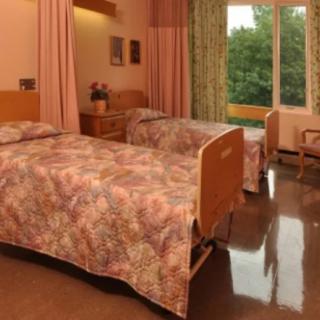
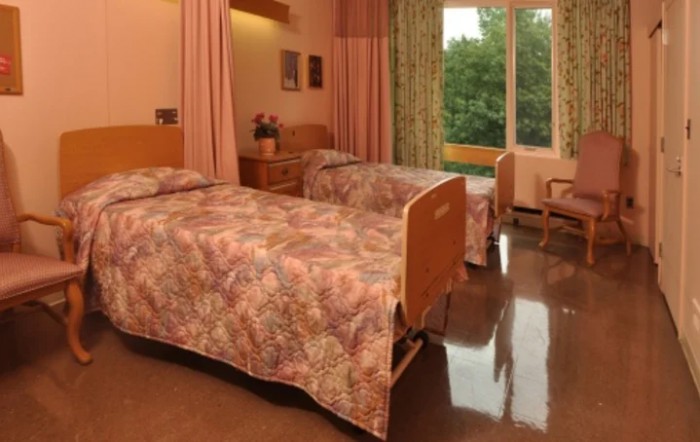
- The rooms were very small, often housing two residents.
- The nursing assistants were often rude to residents and family members.
Review
Armenian Nursing & Rehabilitation Center in Boston is best suited for families seeking a small, home-like environment where staff members know residents by name and care feels personal. It works well for post-acute rehabilitation, short-term recovery, or long-term memory-support needs, where forming trusting relationships with caregivers matters as much as the basics of safety and cleanliness. The setting is consistently described as clean, orderly, and well kept, with staff across roles earning praise for warmth and attentiveness. In short, the center trades some scale for a sense of community that can help a dependent loved one settle in and feel seen.
However, this option is not for everyone. Families prioritizing flawless staffing consistency, modern amenities, private rooms, or aggressive administrative oversight may want alternatives. Several reviews flag ongoing concerns about staffing stability, with turnover and per-diem workers sometimes unfamiliar with individual residents. Those who require a high-intensity, always-on care footprint, or who value strict communication protocols and rapid information flow, will likely prefer facilities with larger teams and more transparent governance. For couples or residents who want private space, the shared-room reality could also be a deal-breaker.
That said, the strongest positives do more than simply cushion the downsides. Residents consistently note that staff members know each person, respond with kindness, and support daily living with genuine respect. Nurturing attention from nurses, aides, and therapy staff helps stabilize pain and mobility, while the kitchen and dining teams deliver meals in a way that respects individual needs. The clean, well-kept environment reinforces a sense of dignity and safety, and admissions staff and ongoing, humane treatment are frequently praised. When the goal is recovery, rest, or steady routine within a caring community, these elements carry meaningful weight.
Where the gaps show up, they are not trivial. Several reviews describe staffing fragmentation and occasional gaps in communication, nurses or aides who do not recall specifics of a resident's plan, leaving families in limbo. Room configurations are compact, with shared accommodations that can feel cramped, and common areas may become crowded during activities. Instances of perceived disrespect or inattentiveness from some aides also surface, underscoring that the care experience can vary by shift and by caregiver. These dynamics can undermine trust if not addressed, especially for families navigating complex conditions like dementia or mobility limits.
Decision-making should hinge on direct observation and targeted questions. Schedule a tour and insist on meeting the administrator and frontline staff on multiple shifts. Inquire about current resident assignments, caregiver continuity, and any dementia-specific programming; ask to review the care plan cadence and family communication cadence. Check room options, dining flexibility, and available rehab services, ensuring the setting aligns with the resident’s daily rhythm and preferences. If the goal is long-term, insist on clarity about safety, staffing ratios, and how residents are engaged during the day. If possible, speak with several current families to gauge consistency of care over time.
The bottom line is that Armenian Nursing & Rehabilitation Center offers a compassionate, intimate option in a Boston setting. For families who prize personal attention, a clean, friendly environment, and steady, relationship-based care, it can be a smart match, provided the trade-offs of smaller rooms and variable staffing are acceptable. Those who cannot tolerate frequent staff turnover, uncertain daily communication, or a need for more robust capacity and privacy should explore alternatives with stronger governance and larger accommodations. The prudent path is a candid tour, careful questions about staffing and care planning, and a direct comparison with other area facilities before committing.
 83 resident community capacity
 Skilled Nursing Facility
 Air-conditioning
 Beauty salon
 Cable or satellite TV
 Computer center
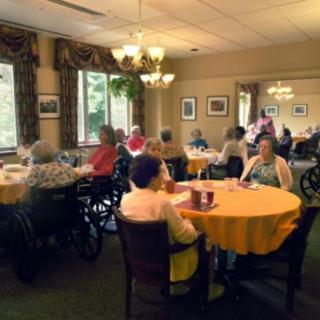
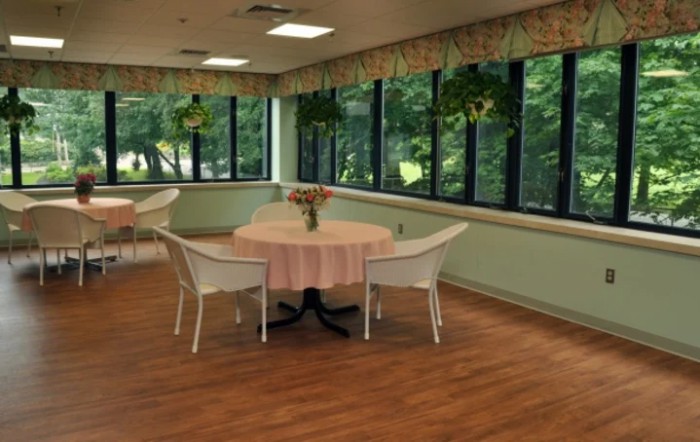
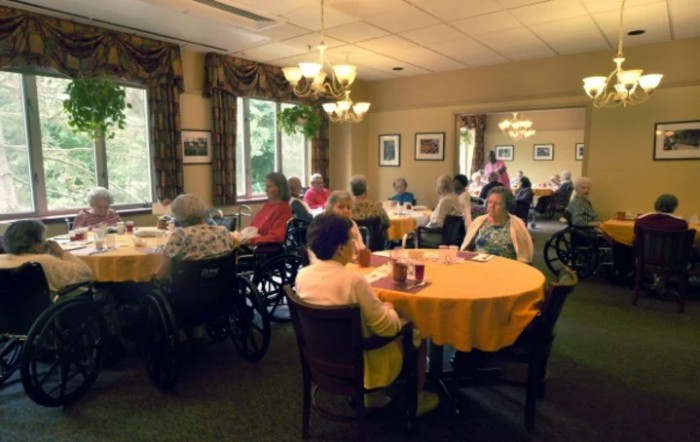
 Dining room
 Fitness room
 Fully furnished
 Gaming room
 Garden
 Housekeeping services
 Kitchenette
 Move-in coordination
 Outdoor space
 Private bathrooms
 Restaurant-style dining
 Small library
 Telephone
 Wellness center
 Wi-Fi/high-speed internet available
 Gen Edw L Logan International (7 miles away)
 Community operated transportation
 12-16 hour nursing
 24-hour call system
 Activities of daily living assistance
 Assistance with bathing
 Assistance with dressing
 Assistance with transfers
 Diabetes diet
 Medication management
 Mental wellness program
 Special dietary restrictions
 Concierge services
 Planned day trips







 Weight Training for Seniors: Building Strength and Vitality
 Understanding the Sandwich Generation: Stress and Responsibilities for Multigenerational Caregivers
 8 Essential Assistive Devices for Older Adults