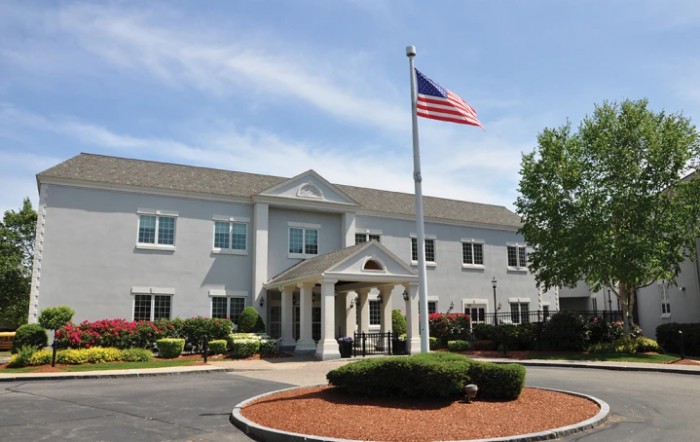
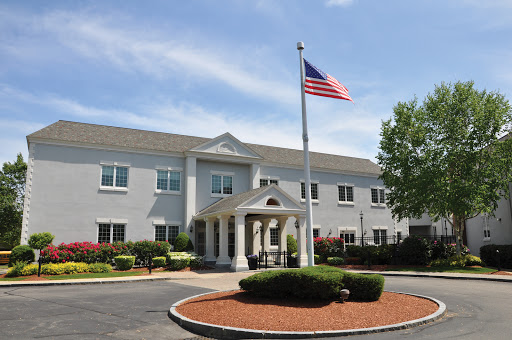



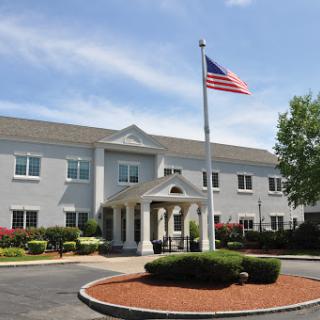

126 Monument Street, Haverhill, MA 01832
For more information about senior living options: (866) 208-4318
Overall Review of Hannah Duston Healthcare Center
Pros
 The staff were wonderful.
- The staff were very helpful and the resident progressed.
- She was able to walk with a walker and go home.
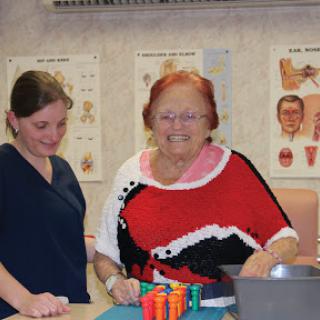
- They have a lot of activities for the residents.
- The staff and the cleaning staff were very kind and friendly.
- The staff kept families up to date on progress.
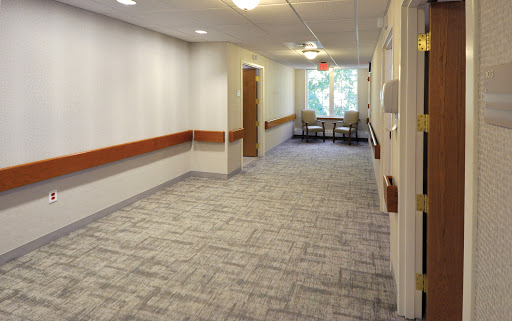
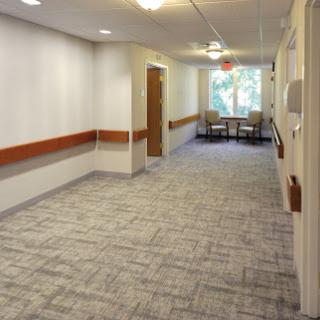
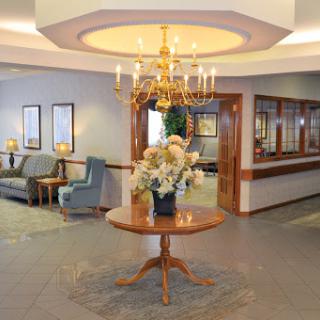
- The facility was always clean.
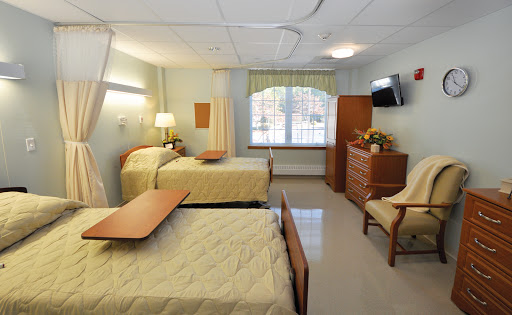
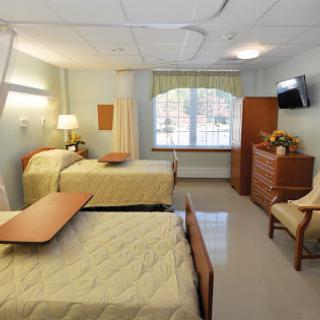
- The rooms were clean and spacious enough for her needs.
- The care was above and beyond, preserving the resident's dignity.
Cons
 The care was terrible.
- Every nurse blamed another for missed orders.
- They would never place a family member there again.
- Staff allowed visitors to say negative things about the family, which was not right.
- The staff never notified the family when the grandmother passed away.
- The reviewer did not have a good word to say about this facility any longer.
- The food was rather bleak.
- The air conditioning never functioned well.
Review
Hannah Duston Healthcare Center in Haverhill is best suited for families seeking a small, home-like skilled-nursing environment that emphasizes rehabilitation, personal attention, and steady family updates. The setting appeals to residents who respond well to a close-knit staff, regular progress reporting, and a clean, orderly atmosphere. For families prioritizing a strong rehab trajectory, visible resident advancement, and an intimate campus feel over size and culinary grandeur, this community stands out as a practical match.
Those who may want to consider alternatives include families requiring consistently flawless staffing across all shifts, airtight accountability, and highly structured governance. If a resident needs steady, uniform delivery of care with minimal risk of miscommunication, or if end-of-life and memory-care oversight must be exceptionally predictable, a larger, hospital-affiliated facility or a community with broader administrative infrastructure may be a safer bet. Also, families that prize high-end dining, expansive activity calendars, or specialized clinical programs may find the options at Hannah Duston more modest in scale.
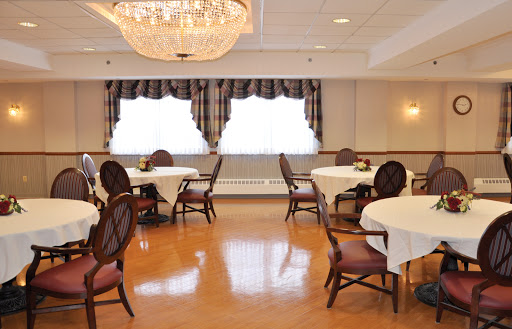
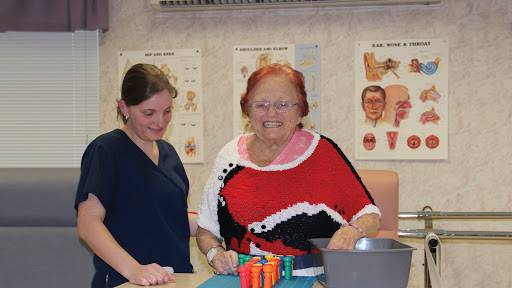
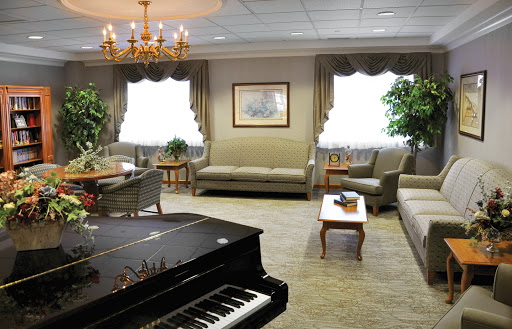
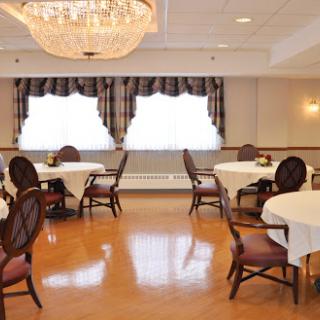
On the plus side, the strongest advantages lie in the intimate setting and the rehab-ready atmosphere. The smaller footprint translates into more daily contact with caregivers who understand the resident’s routine and preferences. Reviewers repeatedly highlight compassionate CNAs, helpful therapy staff, and a therapy-forward culture that produced tangible gains, one resident walking with a walker and returning home after rehab. The facility’s cleanliness, a pleasant dining area, and a willingness to accommodate preferences, like specific soaps or tea, accentuate a respectful, resident-centered approach. Regular progress conversations, conducted every couple of weeks, keep families in the loop and reinforce a sense of continuity during recovery.
Yet, the drawbacks are nontrivial and deserve careful weighing. The most striking risk centers on inconsistent staffing and communication: one account describes a cycle of missed orders and blame-shifting among nurses, a reality that can undermine confidence when a loved one relies on precise care. Family experiences also reveal troubling gaps in sensitive moments, reports of not being notified promptly at a loved one’s passing, and breaches of boundaries by visitors, suggesting that culture and procedures can vary and may not always align with family expectations. In addition, there are mentions of food quality and some lingering environmental concerns, such as air conditioning, that blemish the overall experience for a subset of residents.
The core question becomes whether the rehab gains and the intimate, attentive environment sufficiently offset the potential for inconsistent care and inconsistent communication. When a resident’s primary goal is meaningful functional improvement, the pros, personalized attention, a tight-knit team, ready access to therapy, and clear family updates, carry substantial weight. Those advantages often translate into real-world outcomes, including faster progress, restored independence, and a smoother discharge home. However, for families whose risk tolerance hinges on uniform staffing reliability and flawless, 24/7 governance, the cons can loom large and influence overall satisfaction.
For families moving forward, a disciplined site visit is essential. Probe the staffing mix by shift, ask to shadow a therapy session, and inquire about how orders and medications are tracked across the day. Request candid examples of how family updates are delivered and how issues are escalated. Check current residents’ and families’ impressions on responsiveness, and verify any recent improvements, such as cooling, dining options, or activity programming. If rehabilitation with close oversight and a warm, neighborly vibe are the priorities, Hannah Duston is a solid, practical fit. If unwavering staffing consistency and formal, hospital-grade governance are non-negotiables, it is prudent to compare with larger, more regimented communities.
 128 resident community capacity
 Skilled Nursing Facility
 Air-conditioning
 Beauty salon
 Cable or satellite TV
 Computer center
 Dining room
 Fitness room
 Fully furnished
 Gaming room
 Garden
 Housekeeping services
 Kitchenette
 Move-in coordination
 Outdoor space
 Private bathrooms
 Restaurant-style dining
 Small library
 Telephone
 Wellness center
 Wi-Fi/high-speed internet available
 Manchester (19 miles away)
 Community operated transportation
 12-16 hour nursing
 24-hour call system
 Activities of daily living assistance
 Assistance with bathing
 Assistance with dressing
 Assistance with transfers
 Diabetes diet
 Medication management
 Mental wellness program
 Special dietary restrictions
 Concierge services
 Planned day trips







 In-Home Care Costs in 2025: A Detailed State-by-State Exploration
 Understanding Home Health Care: A Comprehensive Guide
 Home Health Care Demystified: A Comprehensive Guide for Families and Caregivers