190 North Avenue, Haverhill, MA 01830
For more information about senior living options: (866) 208-4318
Overall Review of Wingate At Haverhill
Pros
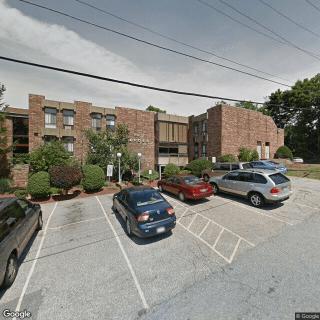
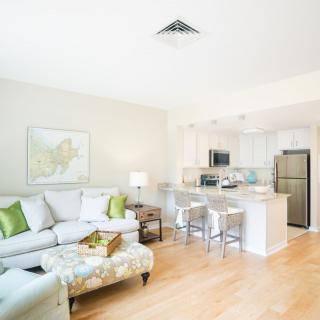
 Wingate at Haverhill seemed clean and well maintained.
- The people were well cared for.
- The staff seemed upbeat and appeared to enjoy working there.
Review
Wingate at Haverhill is best suited for seniors who want a dependable, well-kept living environment with a staff culture that feels engaged and optimistic about resident care. The facility reads as clean and well maintained, which translates into tangible safety and daily comfort. Residents appear to be well cared for, and the mood among staff is upbeat, suggesting reliable turnover in daily routines and a workforce that takes resident needs seriously. The fact that most residents are under Medicare points to a community that aligns with standard Medicare-driven expectations, making the budgeting and benefits picture straightforward for families navigating coverage.
Those weighing Wingate at Haverhill should explicitly consider alternatives if the priority shifts toward more intensive clinical programming or specialized memory-care offerings. If a family is seeking deeper medical oversight, highly personalized care plans, or a ritzy, private-pay environment with more expansive on-site amenities, other communities may deliver a closer fit. Similarly, if private-pay flexibility, broader dining options, or niche programming are non-negotiables, it is prudent to compare options to identify a setting that better matches those preferences.
The core strengths, cleanliness, solid maintenance, and a clearly positive staff demeanor, offer meaningful day-to-day value. A well-kept building supports mobility, reduces fall risk, and fosters pride in residence; upbeat, seemingly engaged staff reduces response times and enhances the sense of security for both residents and families. When combined with Medicare alignment, these positives help temper concerns about care quality by signaling reliable, predictable operations and a stable, resident-centered atmosphere.
However, the review leaves several practical questions unaddressed, which can influence the overall suitability for a given situation. There is limited detail about the level of medical oversight, the specific spectrum of services included, or the sophistication of programming, especially around memory care, if needed. Cost structure and what Medicare covers versus what remains out-of-pocket are not spelled out, making it essential for families to obtain a transparent itemization during tours. Without these specifics, the decision hinges on trust in staff behavior and appearance rather than documented care plans.
For families deciding in the Haverhill area, Wingate at Haverhill warrants careful inspection against concrete care expectations. Prospective residents should tour during different times of day, observe how staff interact with residents, and probe the floor plans for accessibility and safety features. Key questions should address staff-to-resident ratios during peak hours, availability of on-site medical services or visiting clinicians, meal quality and flexibility, activity programming, transportation options, and how transitions between levels of care would be managed. Understanding these elements helps ensure the Medicare-friendly, well-kept environment translates into a care plan that truly fits the residentā€™s needs.
In conclusion, Wingate at Haverhill stands out as a solid, no-surprises option for typical assisted-living needs where Medicare matters and where cleanliness and staff morale are clearly prioritized. It serves best those who value a stable, tidy environment with engaged caregivers and who are navigating Medicare-based budgeting without requiring aggressive clinical interventions. For families seeking more intensive medical support, broader private-pay amenities, or specialized programming, alternatives should be pursued to avoid gaps between expectation and experience. The prudent path is a structured tour combined with candid questions about care scope, costs, and transition options, ensuring the chosen community aligns with both current needs and likely future ones.
 146 resident community capacity
 Skilled Nursing Facility
 Air-conditioning
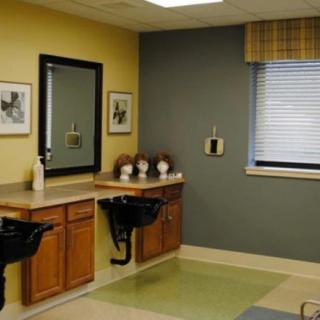
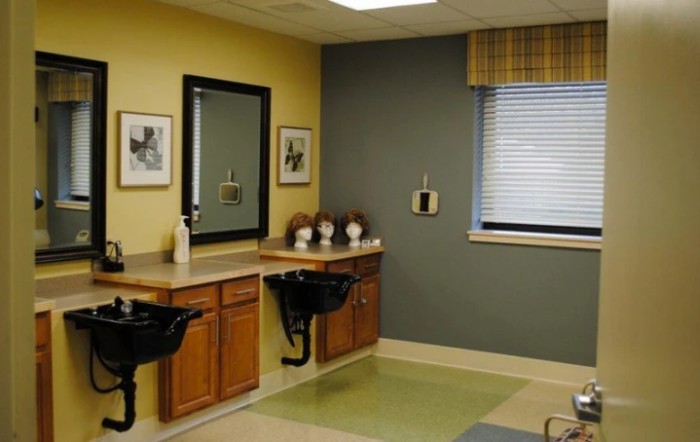
 Beauty salon
 Cable or satellite TV
 Computer center
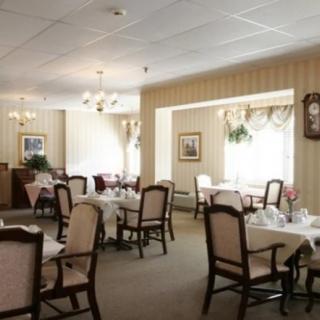
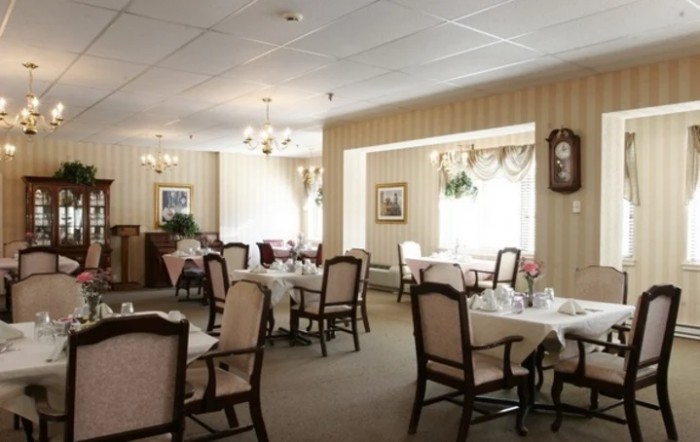
 Dining room
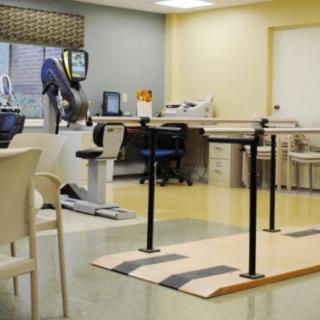
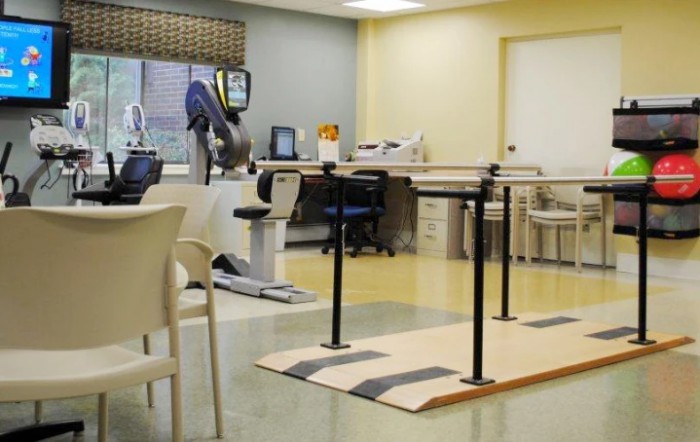
 Fitness room
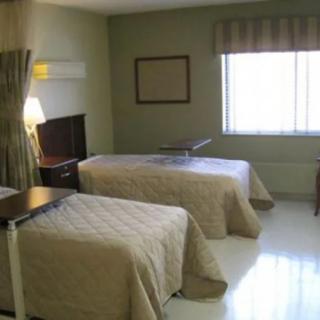
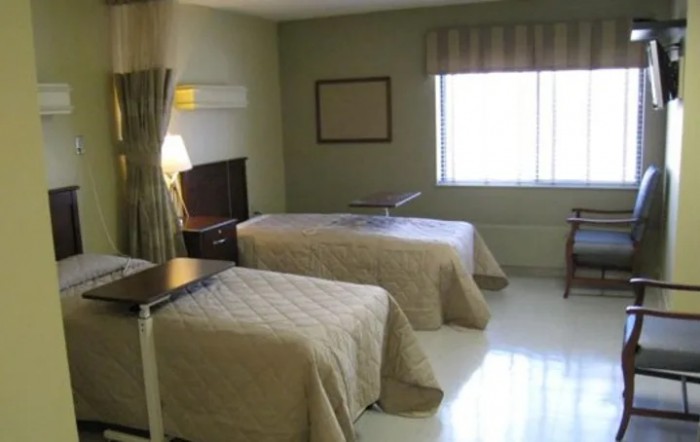
 Fully furnished
 Gaming room
 Garden
 Housekeeping services
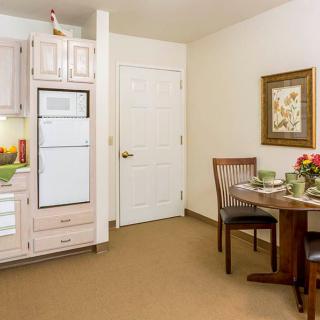
 Kitchenette
 Move-in coordination
 Outdoor space
 Private bathrooms
 Restaurant-style dining
 Small library
 Telephone
 Wellness center
 Wi-Fi/high-speed internet available
 Manchester (20 miles away)
 Community operated transportation
 12-16 hour nursing
 24-hour call system
 Activities of daily living assistance
 Assistance with bathing
 Assistance with dressing
 Assistance with transfers
 Diabetes diet
 Medication management
 Mental wellness program
 Special dietary restrictions
 Concierge services
 Planned day trips



 Urinary Tract Infections in Older Adults: Comprehensive Insights on Symptoms, Treatment, and Prevention
 California's Form 602A: An In-Depth Examination of Senior Care Assessment
 Comprehensive Look at Senior Blood Pressure Charts: Normal and Elevated Levels by Age