For more information about senior living options: (866) 208-4318
3.4 from 49 reviews
5 stars
25
4 stars
4
3 stars
0
2 stars
4
1 stars
16
Overall Review of Twin Oaks Rehab And Nursing
common38 reviews mention this
Staff care is mixed
Staff kindness and responsiveness come up often, but some residents describe serious gaps in attention.
Many residents and families describe nurses, CNAs, and other staff as kind, attentive, and helpful, including making transitions easier and providing support when families had questions. Several reviews also highlight medical follow-through—like diabetes monitoring and therapy support—along with overall comfort and cleanliness in some cases. On the other hand, multiple reviewers report rude or inattentive care, difficulty getting timely help, and concerns about neglect or poor follow-through on care needs.
caveat10 reviews mention this
Facility cleanliness varies
Cleanliness and facility upkeep are inconsistent in reviews.
Some reviews praise the building as clean and well kept, and a few mention the facility feeling organized and maintained. Other residents and families describe the place as dirty or unsanitary, with broken items, poor room condition, and an overall need for updates. A couple of comments also point to low equipment and disorganization, which adds to the mixed picture.
common5 reviews mention this
Therapy gets praise
Physical and rehab therapy is one of the more positive themes in resident feedback.
Several reviews call out therapy as excellent and note that therapists show patience and help residents make progress. A few residents also mention enjoying regular therapy sessions and specific rehab support, including recovery after surgery. Taken together, therapy stands out even when other aspects of the stay are described more negatively.
common6 reviews mention this
Food quality feels split
Meals receive both positive and negative feedback from residents and families.
Some residents describe the food as good, enjoy snacks, and say breakfast is especially satisfying. Others report the food as unpleasant or “fake,” and mention issues with coffee. The dining experience also appears connected to day-to-day satisfaction—since a few positive comments pair meals with comfort and a home-like feel, while negative ones pair meals with broader concerns about care.
differentiator2 reviews mention this
Diabetes management is noted
Residents mention diabetes support during their stay.
One review specifically says nursing staff and on-staff medical support kept diabetes in check. Another describes diabetes-related supplies not being handled as expected, including diabetic socks, which suggests the community’s diabetes-related needs may be managed with uneven follow-through. Overall, diabetes support is a recurring care theme in a small subset of reviews.
caveat7 reviews mention this
Communication problems are repeated
Families describe difficulty reaching staff and getting clear updates.
Several reviewers say it was hard to reach the facility by phone or that staff were difficult to understand when issues came up. Other comments point to families not being kept informed, including during transitions and care situations, and describe unreturned calls. A few reviews tie communication gaps to broader concerns about whether care steps were completed as planned.
How we summarize
Counts show how many written reviews mention each theme; a review can touch several themes, and only frequently mentioned themes are displayed.
Features
Housing
101 resident community capacity
Types of Care
Skilled Nursing Facility
Amenities
Air-conditioning
Beauty salon
Cable or satellite TV
Computer center
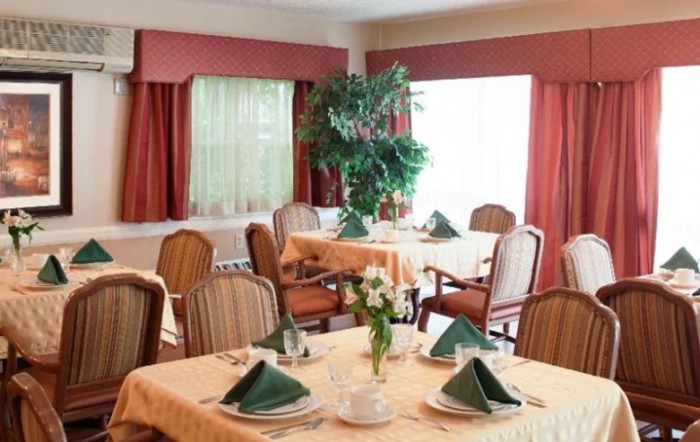
Dining room
Fitness room
Fully furnished
Gaming room
Garden
Housekeeping services
Kitchenette
Move-in coordination
Outdoor space
Private bathrooms
Restaurant-style dining
Small library
Telephone
Wellness center
Wi-Fi/high-speed internet available
Transportation
Gen Edw L Logan International (15 miles away)
Community operated transportation
Transportation arrangement
Transportation arrangement (non-medical)
Transportation to doctors appointments
Care Services
12-16 hour nursing
24-hour call system
24-hour supervision
Activities of daily living assistance
Assistance with bathing
Assistance with dressing
Assistance with transfers
Diabetes diet
Meal preparation and service
Medication management
Mental wellness program
Special dietary restrictions
Dining
Diabetes diet
Special dietary restrictions
Activities
Community-sponsored activities
Concierge services
Fitness programs
Planned day trips
Resident-run activities
Scheduled daily activities
Nearby Places of Interest
Physicians
The New England Facial and Cosmetic Surgery Center (0.4 miles)
Asthma & Allergy Affiliates (0.4 miles)
NS Physicians Group (1.5 miles)
Sports Medicine North (2.5 miles)
Lahey Clinic Peabody (2.5 miles)
Harvard Vanguard Medical Associates - Peabody-Lynnfield (2.6 miles)
Essex Surgical Associates (2.7 miles)
Pharmacies
CVS Pharmacy (0.5 miles)
Walgreens (1 miles)
CVS Pharmacy (1.6 miles)
CVS Pharmacy (1.8 miles)
CVS Pharmacy (2.4 miles)
CVS Pharmacy (3 miles)
Walgreens (3.1 miles)
Places of Worship
St Richard Catholic Church (1.3 miles)
Danvers Church Of The Nazarene (2.6 miles)
Temple B'Nai Abraham (3.8 miles)
First Church Nursery School (7.2 miles)
The Church of Jesus Christ of Latter-day Saints (8 miles)
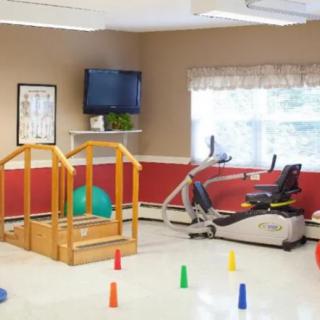
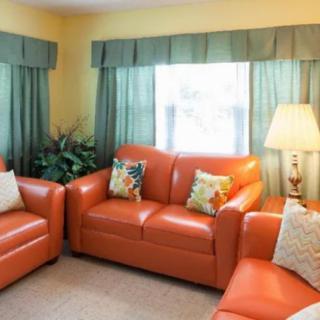
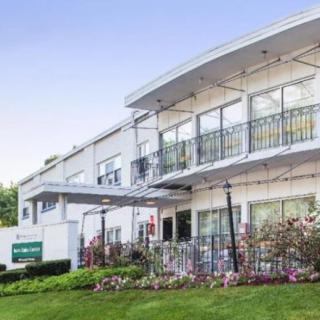
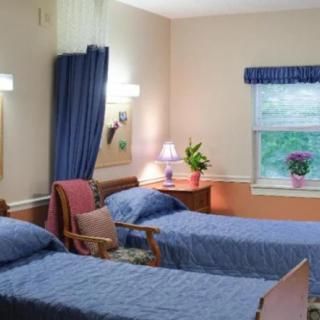
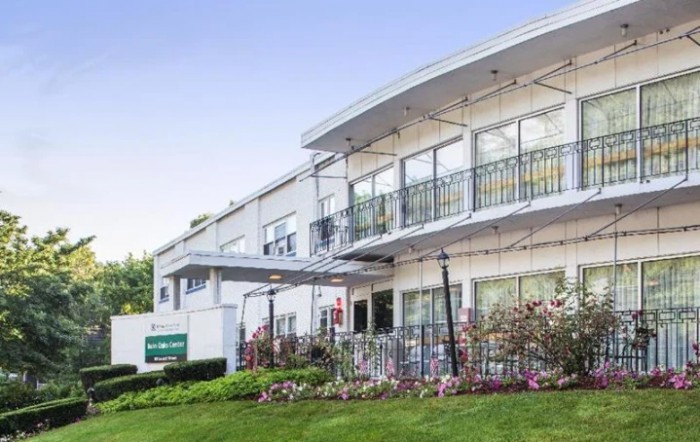
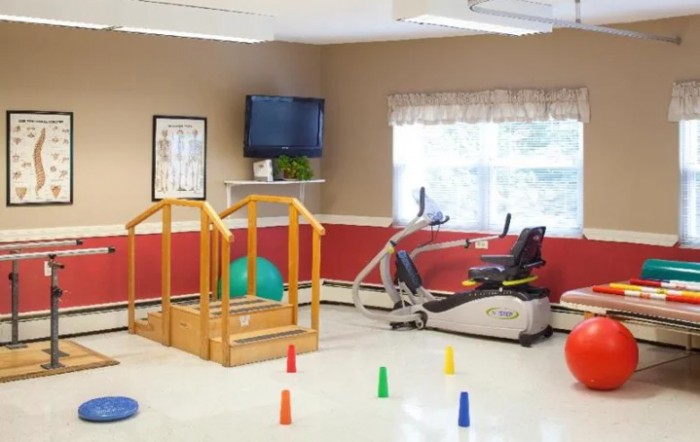
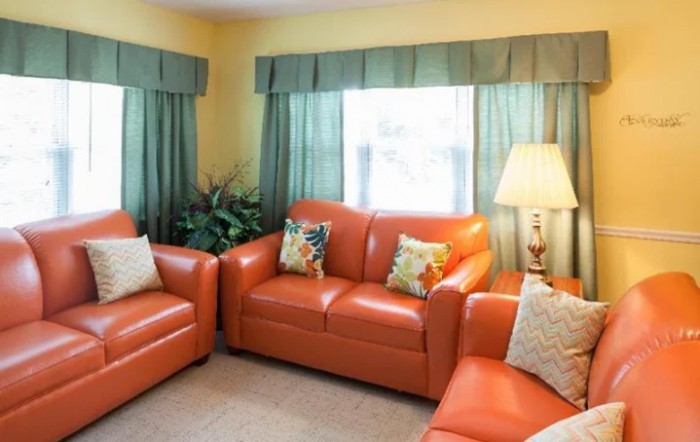
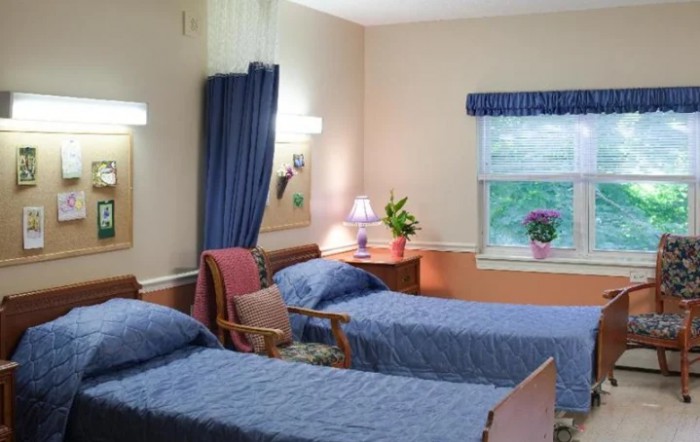
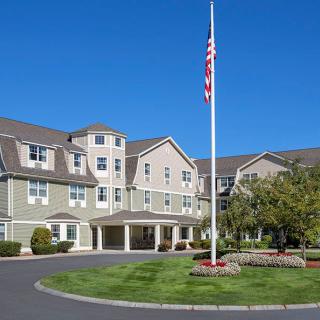
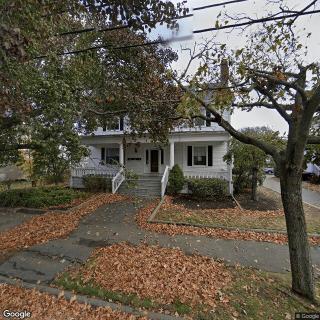
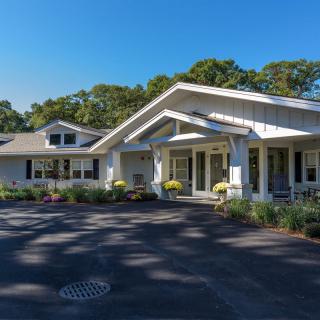
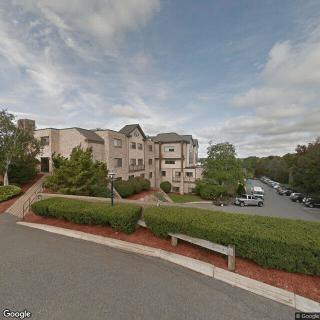
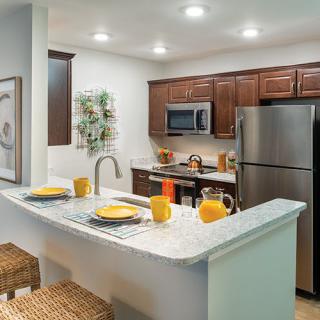
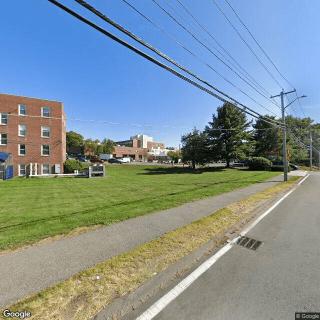
Twin Oaks Rehab And Nursing on seniors.fyi includes 5 photos including images showing interior, bedroom, dining, building, exterior, architecture, landscaping, exercise room, and more.
Nearby Communities
Danvers Twin Oaks Nursing Home
Danvers, MA
3 from 33 reviews
Great access to healthcare, dining, and parks nearby
North Shore Rehabilitation
Danvers, MA
4.4 from 120 reviews
Vibrant, well-connected community with easy access to cafes, parks, pharmacies, dining, healthcare, worship, and hospitals nearby.
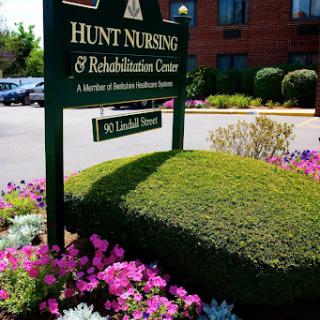
Hunt Nursing & Rehab Center
Danvers, MA
3.1 from 49 reviews
Attentive, compassionate staff and quality dining create a warm, caring environment.
Benchmark Senior Living At Putnam Farm
Danvers, MA
4.6 from 68 reviews
$4,050 to $8,750 / month
Beautiful, well-maintained community with friendly, proactive staff and engaging on-site activities.
Mrs Zani's Park Manor
Danvers, MA
Excellent nearby healthcare, dining, and green spaces.
Seasons of Danvers
Danvers, MA
4.4 from 27 reviews
$5,400 to $7,150 / month
Dedicated staff with engaging activities and a clean, well-maintained environment.
CareOne at Peabody
Peabody, MA
4.4 from 112 reviews
Attentive, compassionate staff in a clean, welcoming setting with strong rehab support.
Brooksby Village
Peabody, MA
3.7 from 49 reviews
$1,687 to $11,640 / month
Vibrant community with extensive amenities and well-maintained grounds.
Herrick House
Beverly, MA
4.5 from 13 reviews
$4,340 to $5,500 / month
Upscale, clean environment with attentive staff and strong security.
Hospice care at home provides specialized end-of-life support that focuses on comfort and dignity for individuals with life-limiting illnesses, offering a range of services including medical management, emotional and spiritual support, and logistical assistance tailored to the family's needs. It involves collaboration to create individualized care plans and extends to bereavement support after a loved one's passing.
The guide outlines the rising costs of 24/7 in-home care, ranging from $10,000 to over $20,000 monthly, driven by factors such as location and caregiver qualifications. It discusses the limited coverage by Medicare and private insurance, potential Medicaid support, and the emotional and living condition considerations influencing families' decisions on care arrangements.
Home health nursing is an expanding field where licensed professionals provide specialized medical care in patients' homes, addressing the needs of an aging population through personalized services like assessments and medication management. Effective collaboration with healthcare teams, cultural sensitivity, and quality assurance measures are essential for fostering trust and ensuring positive patient outcomes.
Exercise Equipment, Physical Therapy, and Exercise Room
Get PricingAsk A QuestionSchedule A TourContact Senior Advisor
By clicking submit, you agree to our Partner's Terms of Use. You
also consent to receive calls and texts, which may be autodialed, from our Partner. Your consent is not a condition to
using our Partner's service. Please visit our Partner's Privacy Policy for information about their privacy practices.

 101 resident community capacity
 Skilled Nursing Facility
 Air-conditioning
 Beauty salon
 Cable or satellite TV
 Computer center
 Dining room
 Fitness room
 Fully furnished
 Gaming room
 Garden
 Housekeeping services
 Kitchenette
 Move-in coordination
 Outdoor space
 Private bathrooms
 Restaurant-style dining
 Small library
 Telephone
 Wellness center
 Wi-Fi/high-speed internet available
 Gen Edw L Logan International (15 miles away)
 Community operated transportation
 12-16 hour nursing
 24-hour call system
 Activities of daily living assistance
 Assistance with bathing
 Assistance with dressing
 Assistance with transfers
 Diabetes diet
 Medication management
 Mental wellness program
 Special dietary restrictions
 Concierge services
 Planned day trips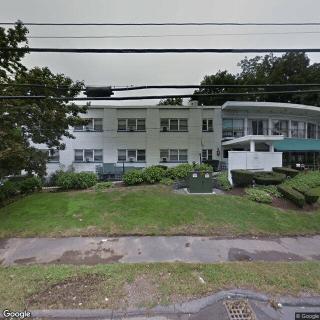
 Great access to healthcare, dining, and parks nearby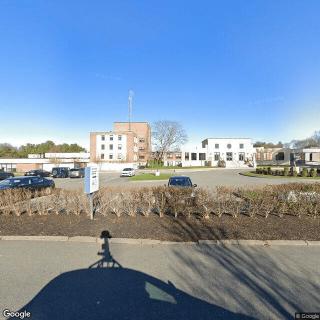
 Understanding Hospice Care at Home: Comprehensive Services, Key Benefits, and Eligibility
 Understanding the Full Cost of 24/7 In-Home Care: A Detailed Overview
 Exploring the World of Home Health Nurses: Qualifications, Roles, and Hiring Tips