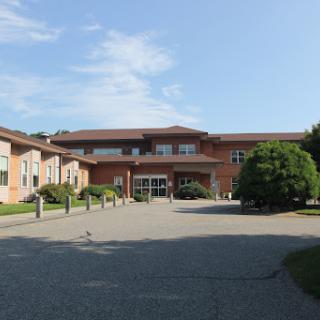
Pleasant Bay Of Brewster Rehab Center

Save

Pleasant Bay Of Brewster Rehab Center

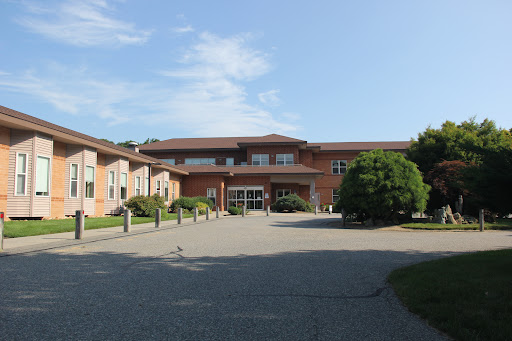
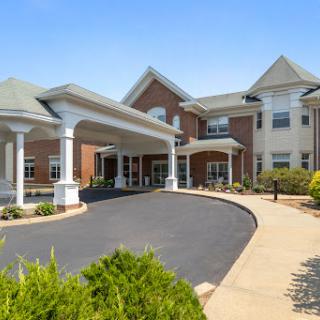
383 South Orleans Road, Brewster, MA 02631

For more information about senior living options: (844) 490-3973

3.8 from 70 reviews
5 stars
38
4 stars
10
3 stars
6
2 stars
3
1 stars
13

Skilled Nursing Facility

Overall Review of Pleasant Bay Of Brewster Rehab Center

Pros

  • pro Maddyson is amazing and always willing to share her knowledge.
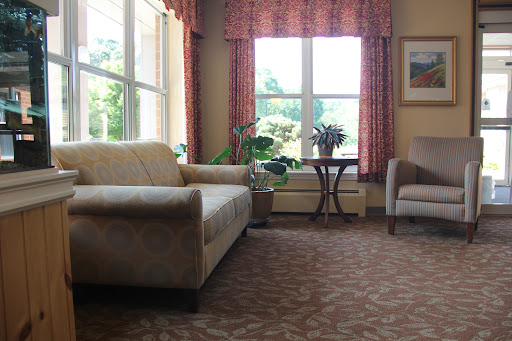
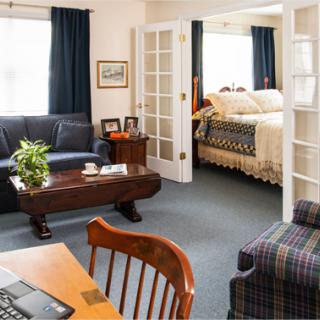
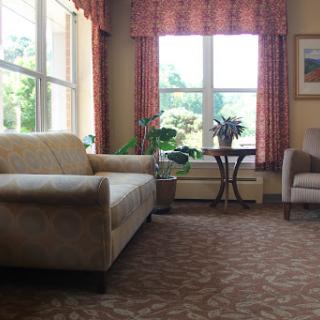
  • pro The facility is clean, bright, and well lit.
  • pro The rooms are nicely appointed.
  • pro The staff are patient, kind, and A+ caregivers.
  • pro Everything is geared toward healing and rehabilitation to restore mobility.
  • pro Care at the facility is phenomenal, with nurses who are attentive and responsive.
  • pro Sean the nurse made the stay go smoothly, and Alison was an amazing physical therapist.
  • pro The activities crew are amazing and bring positivity to residents.
  • pro The staff are friendly, helpful, and accommodating, with concerns addressed promptly.
  • pro The daily activities are engaging and enjoyable for residents.
  • pro The facility is highly recommended for rehabilitation services.
  • pro The care coordination and communication are excellent.

Cons

  • pro The facility is described as a horrible place with the worst management team.
  • pro Some nurse's aides are too busy on their phones to provide decent care.
  • pro Smoking on the property is unacceptable and should not be allowed.
  • pro There were concerns about infection control due to a coughing patient with no protection.
  • pro Rooms were too small, not wheelchair accessible, lacking privacy, and call bells went unanswered.
  • pro Management was unresponsive to family concerns and end-of-life privacy was lacking.
  • pro A patient reported being given an unknown medication that caused severe illness and a bipolar episode.
  • pro A nurse was accused of giving false medical advice online, being unprofessional and discriminatory.

Review

Across a broad set of reflections, the Cape Cod post-acute care ecosystem emerges as a place where many families found genuine care, cleanliness, and a rehab-focused approach, even as a few voices raised concerns about management and daily operations. Several reviewers sing the praises of individuals who stood out for their knowledge, kindness, and dedication. One reviewer highlights Maddyson as "amazing and always willing to share her knowledge," describing her as a true wealth of information and a constant help. The overall facility vibe is consistently portrayed as clean, bright, well-lit, with rooms that are nicely appointed, creating an environment conducive to healing and recovery. This sentiment of a positive, caring culture is echoed by many who credit the staff for making the rehabilitation journey smoother and more hopeful.

The rehabilitation experience itself is frequently praised for its emphasis on getting patients back to mobility and independence. Families describe teams that are patient, kind, and highly capable, with specific members named for their impact: Sean the nurse who "made my stay go smoothly," Alison the physical therapist who impressed with her effectiveness, and Gordon in physical therapy paired with Susan in occupational therapy as daily highlights. The activities program also receives accolades, with Rory and the book cart bringing moments of levity and connection. The sense that every facet of care is geared toward healing - from therapy to daily routines to environmental cleanliness - permeates many of these accounts, and several reviewers note that concerns are addressed promptly and with care.

Personal stories underscore a pattern of compassionate, attentive care during both routine rehab and more challenging health episodes. One reviewer recounts a four-week stay during which the patient was able to practice newly learned skills at home, attributing much of the progress to attentive nurses - who were consistently available despite the demands of the job. Families also recall deeply human moments: a nurse stopping at a store to bring a yogurt parfait when stomach issues arose, or the team diligently reaching out to physicians to optimize care in the moment. A long-tenured family member of a dementia patient describes witnessing the staff's perseverance under pressure, acknowledging the emotional weight of near-misses and the solace of seeing staff treat the patient as family. These narratives collectively paint a picture of a caregiving culture that values relationship-building, responsiveness, and professional integrity.

Beyond direct care, several reviewers credit the facility's leadership and organizational structure with contributing to positive experiences. Praise is directed at the administrator and the coordination of care, with notes about the facility being well-run, clean, and with staff who are friendly and accommodating. For many families, the sense of a supportive, well-functioning team can be a deciding factor when comparing options for rehabilitation services. The comments about being under new ownership or management also surface in several reviews, sometimes with mixed feelings, but there is a clear thread of appreciation for the ongoing efforts to maintain high standards and to improve the patient and family experience.

Not all feedback aligns with the overwhelmingly positive tone, however. A subset of reviews presents a starkly different view, calling attention to significant management and operational challenges. One reviewer labeled the facility as a "horrible place, worst management team in the world," a stark contrast to the many positive voices and a reminder that leadership and organizational responsiveness can profoundly affect family trust. Another reviewer pointed to limited private room availability during end-of-life care, privacy concerns, frequent calls not being answered, and stories of staff being overextended or distracted by other duties. There is also explicit criticism of perceived staffing shortages and comments that staff were "short on staff," with some accounts suggesting that concerns and follow-ups from families went unanswered by senior leadership.

Within the negative experiences, specific criticisms touch on interactions and policies that some families found troubling. One patient-era anecdote describes encountering a cough in the room that suggested inadequate infection controls and a lack of strict masking. Other accounts include concerns about the handling of medications and the accuracy of information provided to patients and families, including allegations of incorrect or inappropriate medication administration and adult caregivers dispensing medical advice in ways that caused distress. A particularly troubling individual incident centers on a nurse allegedly giving out false medical information online and exhibiting unprofessional behavior toward those who attempted to correct her. These elements underscore a critical need for robust accountability, transparent communication, and rigorous adherence to patient safety standards.

The reviews also place a spotlight on broader quality and safety concerns that matter to families and patients. There are remarks about the physical environment in some settings - rooms that feel cramped, privacy not always achievable, and call bells that sometimes go unanswered - which can compound the stress of recovery or end-of-life care. A few comments address the social and emotional climate, praising compassionate staff in some cases while lamenting the absence of timely responses and adequate privacy in others. The smoking policy and associated exposure near the hospital entrances also surface as a point of contention for some reviewers who view it as a health risk that should be addressed more aggressively.

In sum, the tapestry of experiences paints a facility or group of facilities that are capable of delivering high-quality rehabilitation and compassionate care, with standout individuals and teams who leave lasting, positive impressions. Yet, there are persistent concerns about management effectiveness, staff workload, privacy, infection control, and responsive communication, particularly from the perspective of families navigating sensitive and emotional moments. For anyone considering rehabilitation services at these Cape Cod centers, the messages suggest a balanced approach: you're likely to encounter dedicated professionals and a healing-forward environment, but it is wise to ask hard questions about staffing levels, privacy provisions, adherence to safety protocols, and the facility's responsiveness to family concerns before making a decision.

Features

Housing

  • 135 resident community capacity 135 resident community capacity

Types of Care

  • Skilled Nursing Facility Skilled Nursing FacilitySkilled Nursing Facilities are crucial for seniors as they provide round-the-clock medical care, rehabilitation services, and assistance with daily activities. These facilities ensure that seniors receive the specialized care they need to maintain their health and well-being as they age.

Amenities

  • Air-conditioning Air-conditioningAir conditioning is important for seniors as they are more vulnerable to heat-related illnesses and may have underlying health conditions that make it difficult for them to regulate their body temperature. It helps to keep them comfortable, safe, and healthy in hot weather.
  • Beauty salon Beauty salonBeauty salons are important for seniors because they provide a space for them to feel pampered, socialize, and maintain their personal grooming and hygiene. Regular visits to a beauty salon can help boost seniors' self-esteem and overall well-being.
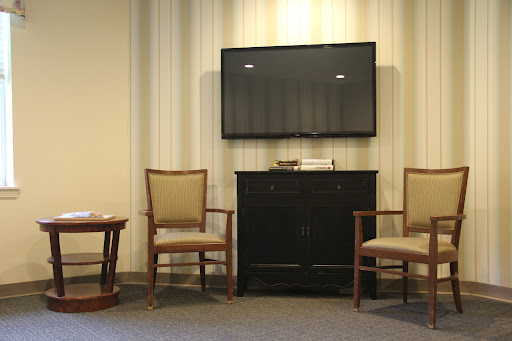
  • Cable or satellite TV Cable or satellite TVCable or satellite TV is important for seniors because it provides entertainment, news, and companionship, helping to combat loneliness and boredom. It also offers a wide range of programming options tailored to different interests and preferences.
  • Computer center Computer centerA computer center is essential for seniors as it provides access to technology, communication tools, and resources that can enhance their daily lives. It allows them to stay connected with loved ones, engage in online activities, and learn new skills, ultimately promoting socialization and mental stimulation.
  • Dining room Dining roomDining rooms are important for seniors as they provide a space for socialization, connection, and nutritious meals. They offer opportunities for residents to bond over shared meals, foster a sense of community, and promote healthy eating habits. Dining rooms also ensure that seniors have access to well-balanced meals tailored to their dietary needs and preferences.
  • Fitness room Fitness roomHaving a fitness room in a senior living community is essential for seniors to stay active, maintain their physical health, and improve their overall well-being. Regular exercise can help prevent falls, reduce the risk of chronic diseases, and promote mental sharpness. It also provides social opportunities for residents to connect with others and enjoy a sense of community.
  • Fully furnished Fully furnishedFully furnished senior living communities are important for seniors because they provide convenience, comfort, and a hassle-free moving experience. Seniors can easily settle into their new living space without the stress of having to buy and move furniture. This allows them to focus on enjoying their new home and community.
  • Gaming room Gaming roomGaming rooms are important for seniors as they provide a fun and engaging environment for socializing, cognitive stimulation, and physical activity. Games can improve memory, problem-solving skills, and overall mental well-being while fostering friendships and reducing feelings of isolation.
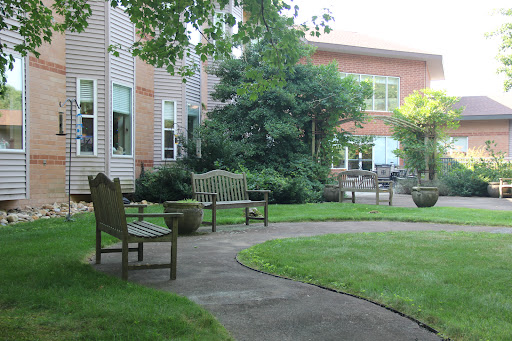
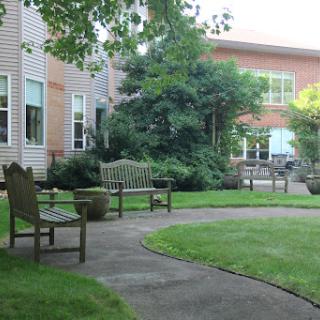
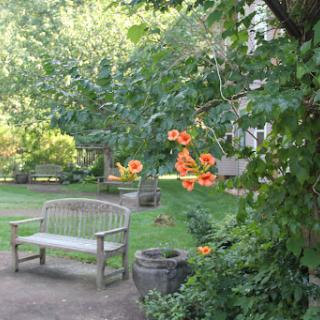
  • Garden GardenGardens are important for seniors as they provide a peaceful and therapeutic environment for relaxation, physical activity, and socialization. Being in nature has been shown to reduce stress, improve mood, and promote overall well-being. Gardens also offer opportunities for seniors to engage in gardening activities, which can improve mobility, flexibility, and cognitive function. Additionally, gardens create a sense of community and connection with others who share a passion for plants and outdoor spaces.
  • Housekeeping services Housekeeping servicesHousekeeping services are important for seniors because they help maintain a clean and safe living environment, promote independence, and reduce the risk of accidents or illnesses. Additionally, having assistance with household chores can alleviate physical strain and allow seniors to focus on other aspects of their well-being.
  • Kitchenette KitchenetteKitchenettes are important for seniors living in senior living communities because they provide the convenience and independence of being able to prepare simple meals and snacks in the comfort of their own living space. This can help promote a sense of autonomy and well-being for seniors, allowing them to maintain some level of control over their dietary choices and daily routines.
  • Move-in coordination Move-in coordinationMove-in coordination is important for seniors because it helps ease the transition into their new living environment. It ensures that all logistics, such as packing, organizing movers, and setting up utilities are taken care of, allowing seniors to focus on settling in and adjusting to their new home. Having a smooth move-in process can alleviate stress and anxiety, making the transition smoother and more enjoyable for seniors.
  • Outdoor space Outdoor spaceOutdoor spaces are important for seniors as they provide opportunities for physical activity, social interaction, exposure to natural light and fresh air, and a sense of connection to nature. Having access to outdoor spaces can improve overall well-being and quality of life for older adults living in senior communities.
  • Private bathrooms Private bathroomsPrivate bathrooms are important for seniors in senior living communities because they provide independence, dignity, and comfort. Having a private bathroom allows seniors to maintain their personal hygiene routines without the need for assistance, promoting a sense of autonomy and privacy. Additionally, private bathrooms help prevent the spread of infections and provide a safe and clean environment for seniors to navigate safely.
  • Restaurant-style dining Restaurant-style diningRestaurant-style dining is important for seniors because it allows them to enjoy delicious, nutritious meals in a social and upscale setting. This enhances their dining experience, promotes healthy eating habits, and fosters socialization with fellow residents, ultimately contributing to their overall well-being and quality of life.
  • Small library Small librarySmall libraries are important for seniors as they provide access to a variety of reading materials, including books, newspapers, and magazines. This can help stimulate their minds, keep them engaged, and provide a sense of community through book clubs and other social activities. Additionally, reading has been shown to improve cognitive function and overall mental well-being in older adults.
  • Telephone TelephoneTelephones are important for seniors as they provide a lifeline for communication with loved ones, emergency services, and healthcare providers. They offer a sense of security and independence, enabling seniors to stay connected and access assistance when needed.
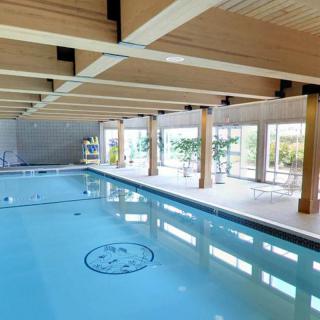
  • Wellness center Wellness centerWellness centers are important for seniors because they offer a variety of programs and services that promote physical, mental, and emotional well-being. These centers provide opportunities for exercise, socialization, education, and relaxation, helping seniors maintain their overall health and quality of life.
  • Wi-Fi/high-speed internet available Wi-Fi/high-speed internet availableWi-Fi/high-speed internet is important for seniors to stay connected with loved ones, access online resources, and participate in virtual activities to combat feelings of loneliness and isolation. It also allows them to easily manage healthcare needs, access entertainment, and engage in lifelong learning opportunities.

Transportation

  • Barnstable Mun Boardman Polando (15 miles away) Barnstable Mun Boardman Polando (15 miles away)
  • Community operated transportation Community operated transportationCommunity operated transportation is crucial for seniors as it provides them with the means to access essential services, social activities, and medical appointments. It allows seniors to maintain their independence and quality of life by ensuring they can participate in activities outside of their homes. Additionally, community-operated transportation services offer a safe and reliable way for seniors to travel without having to rely on family or friends for assistance.
  • Transportation arrangement Transportation arrangementTransportation arrangements are crucial for seniors as they may face challenges with driving, mobility, or access to public transportation. Having reliable transportation services ensures that seniors can easily attend appointments, social activities, and maintain their independence and quality of life.
  • Transportation arrangement (non-medical) Transportation arrangement (non-medical)Transportation arrangements are essential for seniors as they provide access to essential services, activities, and social interactions outside the home. This service helps maintain independence, mobility, and overall well-being for seniors who may have limited transportation options.
  • Transportation to doctors appointments Transportation to doctors appointmentsTransportation to doctors appointments is crucial for seniors as it ensures they have access to necessary medical care and support, promoting their health and well-being. It allows them to receive timely treatment, monitor existing conditions, and address any new health concerns efficiently. Additionally, transportation services can help seniors maintain their independence and quality of life by enabling them to stay connected with their healthcare providers.

Care Services

  • 12-16 hour nursing 12-16 hour nursing12-16 hour nursing care is crucial for seniors in order to ensure around-the-clock monitoring, timely medication administration, and prompt response to any health concerns or emergencies. This level of care helps to promote the overall well-being and safety of seniors living in senior living communities.
  • 24-hour call system 24-hour call system24-hour call systems are important for seniors because they provide peace of mind and immediate assistance in case of emergencies. This technology ensures that help is always available, promoting safety and security for elderly individuals living alone or in assisted living facilities.
  • 24-hour supervision 24-hour supervision24-hour supervision is important for seniors to ensure their safety, well-being, and access to immediate assistance in case of emergencies or health issues. This constant support provides peace of mind for both seniors and their loved ones, allowing them to age in place with dignity and security.
  • Activities of daily living assistance Activities of daily living assistanceActivities of daily living assistance are important for seniors because they provide essential support with tasks such as eating, bathing, dressing, and mobility. This assistance helps seniors maintain their independence, dignity, and overall quality of life as they age.
  • Assistance with bathing Assistance with bathingAssistance with bathing is crucial for seniors as it helps maintain personal hygiene, prevents infections, and ensures their overall well-being and comfort. It also provides a sense of dignity and independence for seniors who may struggle with this task on their own.
  • Assistance with dressing Assistance with dressingAssistance with dressing is important for seniors because it helps maintain their independence, promotes personal hygiene, prevents accidents and injuries, and improves overall quality of life. This service ensures that seniors can continue to dress comfortably and confidently, despite any physical limitations they may have.
  • Assistance with transfers Assistance with transfersAssistance with transfers is crucial for seniors as it helps prevent falls and injuries, maintains their independence, and ensures they can safely navigate their living environment. It also provides peace of mind for both seniors and their loved ones.
  • Diabetes diet Diabetes dietA diabetes diet is crucial for seniors as it helps manage blood sugar levels, reduce risks of complications, and improve overall health and well-being. By following a balanced and nutritious diet tailored to their specific needs, seniors can better control their diabetes and enhance their quality of life.
  • Meal preparation and service Meal preparation and serviceMeal preparation and service are crucial for seniors as they may have limited mobility or energy to cook nutritious meals. Having access to healthy and convenient food options can ensure they are getting the proper nutrition needed to maintain their overall health and well-being.
  • Medication management Medication managementMedication management is crucial for seniors to ensure they are taking the right medications at the correct dosages and times. This helps prevent adverse drug interactions, reduces the risk of medication errors, and promotes overall health and well-being. Proactive management also allows for adjustments as needed based on changing health conditions or new prescriptions.
  • Mental wellness program Mental wellness programMental wellness programs are essential for seniors as they promote cognitive stimulation, emotional support, and social engagement. These programs help prevent isolation, depression, and cognitive decline, ultimately enhancing the overall quality of life for older adults.
  • Special dietary restrictions Special dietary restrictionsSpecial dietary restrictions are important for seniors because age-related changes in metabolism and health conditions can make it difficult for their bodies to process certain foods. By following a diet tailored to their specific needs, seniors can maintain their overall health and well-being, manage chronic conditions, and reduce the risk of complications such as malnutrition or food interactions with medications.

Dining

  • Diabetes diet Diabetes dietA diabetes diet is crucial for seniors as it helps manage blood sugar levels, reduce risks of complications, and improve overall health and well-being. By following a balanced and nutritious diet tailored to their specific needs, seniors can better control their diabetes and enhance their quality of life.
  • Special dietary restrictions Special dietary restrictionsSpecial dietary restrictions are important for seniors because age-related changes in metabolism and health conditions can make it difficult for their bodies to process certain foods. By following a diet tailored to their specific needs, seniors can maintain their overall health and well-being, manage chronic conditions, and reduce the risk of complications such as malnutrition or food interactions with medications.

Activities

  • Community-sponsored activities Community-sponsored activitiesCommunity-sponsored activities are important for seniors as they provide opportunities for social interaction, mental stimulation, and physical activity. These activities can help improve overall well-being, combat loneliness and isolation, and promote a sense of belonging and purpose among older adults.
  • Concierge services Concierge servicesConcierge services are essential for seniors as they provide assistance with daily tasks and errands, enhance their quality of life by offering convenience and personalized care, and promote a sense of safety and security.
  • Fitness programs Fitness programsFitness programs are crucial for seniors as they help improve strength, flexibility, balance, and overall well-being. Staying active can reduce the risk of chronic diseases, improve mental health, and enhance quality of life in older adults.
  • Planned day trips Planned day tripsPlanned day trips are important for seniors because they offer opportunities for socialization, mental stimulation, and physical activity. They provide a change of scenery and help seniors stay engaged and connected to their community, promoting overall well-being and quality of life.
  • Resident-run activities Resident-run activitiesResident-run activities are important for seniors as they encourage social interaction, creativity, and a sense of autonomy. These activities empower seniors to stay engaged and active in their community while fostering meaningful connections with their peers.
  • Scheduled daily activities Scheduled daily activitiesScheduled daily activities are important for seniors because they provide structure, socialization, mental stimulation, and physical activity. Engaging in regular activities can improve overall well-being and quality of life for seniors living in a community setting.

Description

The Pleasant Bay Of Brewster Rehab Center in Brewster, MA is a vibrant and comfortable assisted living community that offers a wide range of amenities and care services to its residents.

The community features a beauty salon where residents can indulge in pampering treatments and hairstyling. They can also enjoy their favorite TV shows with the provided cable or satellite TV in their fully furnished living spaces. For those who need transportation, the community offers community-operated transportation as well as transportation arrangements for non-medical purposes.

Residents will find various spaces to engage in activities and socialize, such as the computer center, gaming room, small library, and outdoor garden area. Delicious meals are served in the elegant dining room with restaurant-style dining options available, meeting special dietary restrictions if needed.

Care services provided include 24-hour call system and supervision for added security, assistance with daily living activities like bathing, dressing, and transfers. The trained staff also assists residents with medication management and provides diabetes diet plans. A mental wellness program ensures the emotional well-being of residents.

Residents can look forward to an active lifestyle with concierge services available to help plan day trips and participate in scheduled daily activities. Fitness programs are offered to promote physical health.

The location of Pleasant Bay Of Brewster Rehab Center is convenient with nearby amenities such as cafes, parks, pharmacies, physicians' offices, restaurants, and hospitals. This makes it easy for residents to access essentials or enjoy outings with friends and family.

Overall, this assisted living community provides a welcoming environment where residents can receive personalized care while enjoying a fulfilling lifestyle surrounded by various amenities and opportunities for leisure and socialization.

Videos

Nearby Places of Interest

Restaurants

  • Outer Bar & Grille (1.2 miles)
  • Corner Store- Chatham (2.8 miles)
  • Orleans Bowling Center (2.9 miles)
  • Cobie's (3.2 miles)
  • Corner Store- Orleans (3.3 miles)
  • Hole in One Breakfast and Lunch (3.5 miles)
  • Hangar B Eatery (3.5 miles)

Physicians

  • Mass. Eye and Ear (2.2 miles)
  • Endocrine Center of Cape Cod - Harwich (2.3 miles)
  • Fontaine Primary Care (2.3 miles)
  • Li Li Dr Fontaine Medical Center Harwich (2.3 miles)
  • Puzio Eyecare Associates (2.5 miles)
  • Brewster Medical Associates Pc (2.5 miles)
  • Harwich Primary Care (2.5 miles)

Hospitals

  • Long Pond Medical Center (2.3 miles)

Pharmacies

  • Stop & Shop Pharmacy (2.5 miles)
  • CVS Pharmacy (2.5 miles)
  • Osco Pharmacy (3.6 miles)
  • Stop & Shop Pharmacy (4 miles)
  • CVS Pharmacy (4.1 miles)
  • CVS Pharmacy (6.5 miles)
  • Shaw's Pharmacy (6.7 miles)

Parks

  • Nickerson State Park Area 1 (3 miles)
  • Nickerson State Park (3 miles)
  • River Road Boat Launch (3.1 miles)
  • Drummer Boy Park (6.3 miles)
  • Johnny Kelley Park (8.7 miles)

Cafes

  • Chatham Perk (3.4 miles)
  • Hot Chocolate Sparrow (3.4 miles)
  • Snowy Owl Coffee Roasters (3.6 miles)
  • The Kitchen Cafe (3.6 miles)
  • Snowy Owl Coffee Espresso Bar (4.7 miles)
  • Chatham Village Cafe (4.8 miles)
  • The Seal Pub And Cafe (5.4 miles)

Frequently Asked Questions

Where is Pleasant Bay Of Brewster Rehab Center?
What photos are available for Pleasant Bay Of Brewster Rehab Center in Brewster, Massachusetts?

Nearby Communities

Skilled Nursing Facility in Nearby Cities

Related Resources

  • best car for seniorsTop Cars for Senior Drivers and Essential Safety Innovations

    Senior drivers prioritize comfort, safety, and ease of use in vehicles due to age-related challenges, seeking features like easy entry, clear visibility, and modern driver-assistance technologies. Recommended models include the Subaru Forester, Honda CR-V, and Toyota Camry, with emphasis on test-driving for personal comfort and evaluating crash-test ratings alongside insurance considerations.

  • private pay home careA Closer Look at Private Pay Home Care

    Private pay home care offers a flexible caregiving option for older adults and families who don't qualify for government programs, allowing them to directly fund in-home care services that range from daily assistance to specialized support. This model's customization potential enables aging in place while addressing financial considerations through strategic planning options, though clients must navigate marketplace challenges and ensure quality compliance.

  • what to do for arthritisComprehensive Approaches for Arthritis: A Detailed Guide to Symptoms, Causes, and Care
    Arthritis encompasses over 100 joint disorders affecting people of all ages, leading to symptoms like pain and stiffness that impair mobility and quality of life. Effective management involves early diagnosis, lifestyle changes, medical treatments, emotional support, and ongoing monitoring with healthcare professionals.