For more information about senior living options: (866) 208-4318
4 from 153 reviews
5 stars
100
4 stars
13
3 stars
7
2 stars
4
1 stars
29
Overall Review of Orchard Hill Rehabilitation And Healthcare Center
common28 reviews mention this
Staff compassion comes through
Staff kindness and responsiveness are mentioned by many families.
Across a large share of reviews, residents and visitors describe staff as kind, welcoming, and willing to help. Multiple reviewers call out specific team members and say interactions feel supportive, patient, and respectful. Some residents also describe feeling safe and looked after, with staff offering help and follow-through.
common13 reviews mention this
Cleaning and first impressions
Clean, welcoming spaces are a frequent takeaway in reviews.
Several reviews mention a clean building and a warm, friendly welcome when arriving or visiting. A number of families also say the environment smells good and looks well kept, including comments tied to holiday visits. A smaller set of negative reviews dispute that cleanliness and describe odors or rooms that did not feel properly maintained.
differentiator14 reviews mention this
Rehab and therapy progress
Therapy progress and skilled rehab support stand out repeatedly.
Many reviewers highlight the rehabilitation and therapy team as a strong part of the experience. Several describe meaningful functional gains, including moving from limited mobility to walking with a walker. Even when other parts of care drew criticism, some reviews still singled out therapy staff as professional and helpful.
caveat18 reviews mention this
Food quality and diet concerns
Food is a recurring point of disagreement among reviewers.
Some residents and families say meals are fine or even enjoyable, and a few mention better-than-expected food. Other reviews describe meals as unappealing, incomplete, or not matching dietary needs, including diabetic or renal concerns. Several reviewers also mention getting meals cold or not receiving meals as expected, which adds to the inconsistency described across reviews.
caveat16 reviews mention this
Nursing responsiveness varies
Nursing communication and call responsiveness are inconsistent in reviews.
A notable number of reviews describe slow responses, poor communication, or difficulty reaching staff, including situations involving call buttons and unanswered phones. Some families report long gaps in care such as delayed toileting, bathing, or bed checks. At the same time, several other reviews describe nurses as attentive, helpful, and supportive, suggesting the experience depends on the situation and unit coverage.
How we summarize
Counts show how many written reviews mention each theme; a review can touch several themes, and only frequently mentioned themes are displayed.
Features
Housing
135 resident community capacity
Types of Care
Skilled Nursing Facility
Amenities
Air-conditioning
Beautician on-site
Beauty salon
Cable or satellite TV
Computer center
Dining room
Fitness room
Fully furnished
Gaming room
Garden
Housekeeping services
Indoor common areas
Kitchenette
Move-in coordination
Outdoor common areas
Outdoor space
Private bathrooms
Restaurant-style dining
Small library
Telephone
Wellness center
Wi-Fi/high-speed internet available
Transportation
Baltimore-Washington International (17 miles away)
Community operated transportation
Transportation arrangement
Transportation arrangement (non-medical)
Transportation to doctors appointments
Care Services
12-16 hour nursing
24-hour call system
24-hour supervision
Activities of daily living assistance
Assistance with bathing
Assistance with dressing
Assistance with transfers
Diabetes diet
High acuity care
Meal preparation and service
Medication management
Mental wellness program
Special dietary restrictions
Dining
Diabetes diet
Meals provided
Special dietary restrictions
Activities
Community-sponsored activities
Concierge services
Fitness programs
Planned day trips
Resident-run activities
Scheduled daily activities
Videos
Nearby Places of Interest
Pharmacies
CVS Pharmacy (0.3 miles)
Walgreens (0.3 miles)
Walgreens (1.4 miles)
Walgreens (2.1 miles)
Walgreens (2.6 miles)
CVS Pharmacy (2.7 miles)
Walgreens (2.7 miles)
Restaurants
McDonald's (0.3 miles)
The Cheesecake Factory (0.8 miles)
THB - Towson (0.8 miles)
THB Bagels & Deli of Timonium (1.4 miles)
Subway (1.5 miles)
Sonic Drive-In (1.9 miles)
Nautilus Diner (2 miles)
Physicians
Advanced Allergy & Asthma Center (0.5 miles)
Clinical Associates (1.1 miles)
Greater Baltimore Medical Center (1.5 miles)
O'Dea Building- St Josephs Hospital (1.6 miles)
Pediatric Partners (2.2 miles)
Maryland Pediatric Group: Winkelstein Amy L MD (3.1 miles)
Dr Richard A. Adler, Belcara Health Ophthalmology (3.1 miles)
Places of Worship
Church of the Immaculate Conception (0.6 miles)
Church of the Nativity (1.5 miles)
Brown Memorial Woodbrook Presbyterian Church (2.3 miles)
St Demetrios Greek Ort (4.7 miles)
Theaters
Cinemark Towson And Xd (1 miles)
Transportation
Lutherville Light Rail Station (1.4 miles)
Penn Station (7.1 miles)
Hospitals
Sheppard Pratt Health System (1.4 miles)
GBMC (1.5 miles)
Johns Hopkins Medicine at Green Spring Station (3 miles)
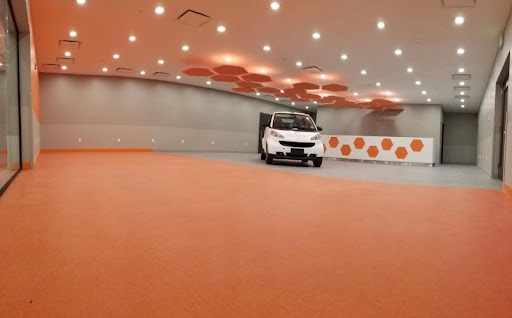
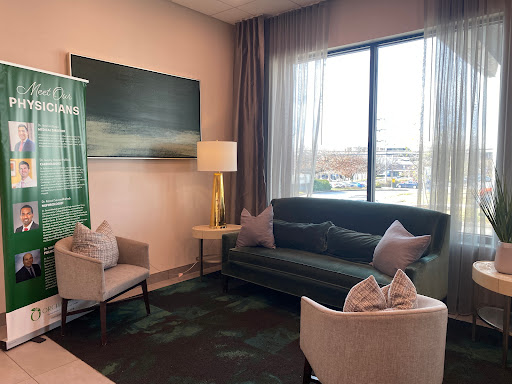
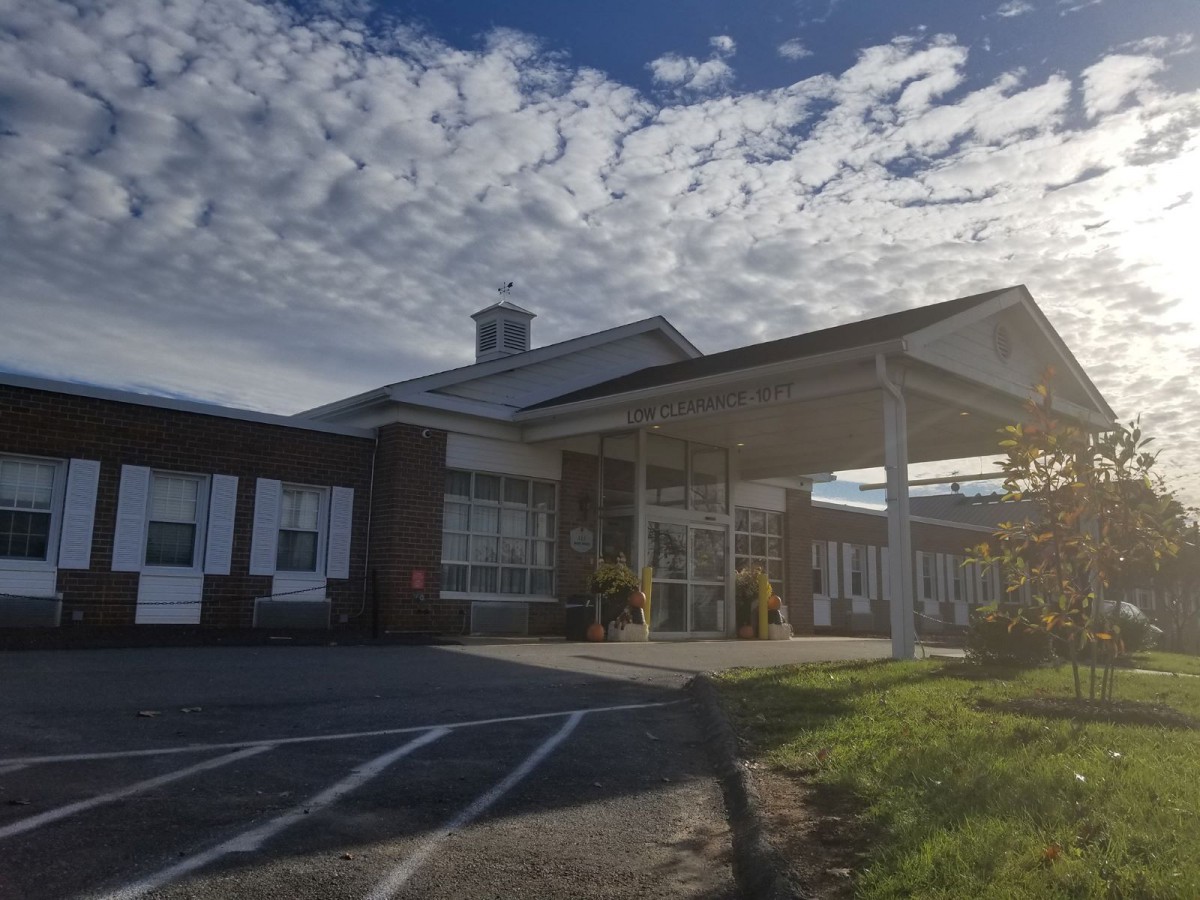
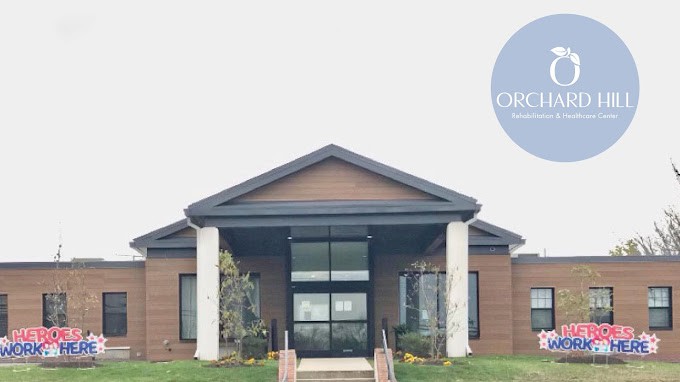
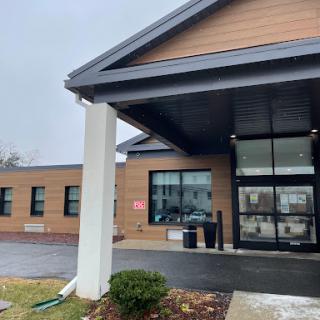
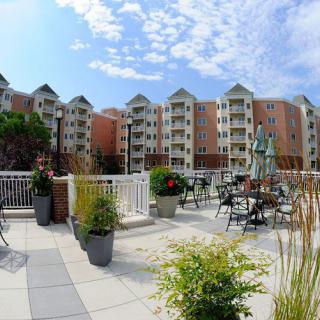
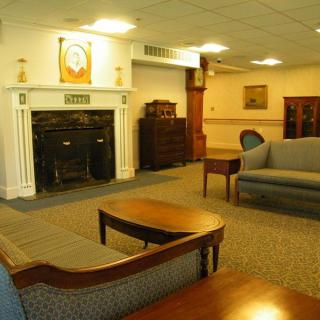
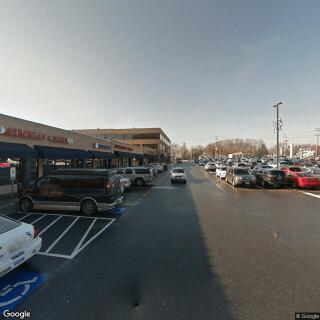
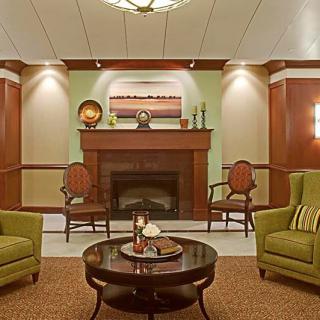
Orchard Hill Rehabilitation And Healthcare Center on seniors.fyi includes 7 photos including images showing building, entrance, architecture, interior, exterior, landscaping, lighting, lounge, and more.
Nearby Communities
Manorcare Health Services Dulaney
Towson, MD
Strong access to healthcare and nearby amenities (doctors, hospitals, pharmacies, parks).
Park View at Towson
Towson, MD
3.9 from 21 reviews
$760 to $990 / month
Clean, well-maintained interiors with helpful staff and engaging activities.
Blakehurst Retirement Community
Towson, MD
4.5 from 71 reviews
Beautiful surroundings, warm atmosphere, attentive staff, and strong amenities.
Pickersgill Retirement Community
Towson, MD
4.2 from 138 reviews
$2,880 to $3,000 / month
Caring staff and a welcoming, activity-rich environment.
Ivory House Health Services
Lutherville, MD
4.4 from 16 reviews
Nearby healthcare, dining, parks, worship, and entertainment.
Presbyterian Home of Maryland
Towson, MD
4.3 from 10 reviews
Compassionate, high-quality care with engaging activities and accessible leadership.
Edenwald
Towson, MD
4.4 from 38 reviews
Clean, open and airy with wide hallways, private rooms with baths, attentive staff, and a wide range of on-site activities.
College Manor
Lutherville, MD
4.4 from 30 reviews
$4,950 to $5,400 / month
Friendly, caring staff in a warm, family-like setting with engaging activities and home-cooked meals.
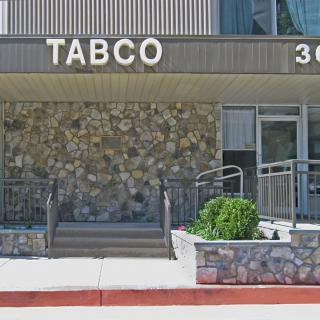
Tabco Towers
Towson, MD
3.5 from 16 reviews
$957 to $1,025 / month
Friendly staff and affordable pricing with clean common areas.
Weight training is vital for seniors to maintain muscle mass, bone density, and overall health, combating age-related declines through customized resistance exercises that enhance balance and well-being. Safe routines should start with realistic goals and proper form, while emphasizing gradual progress and consultations with healthcare providers to ensure safety and effectiveness.
The Sandwich Generation comprises adults managing the dual responsibilities of caring for aging parents and raising children, leading to significant emotional, logistical, and financial challenges. This situation is exacerbated by longer life expectancies and cultural expectations, necessitating effective coping strategies and support resources to alleviate caregiver stress and burnout.
The article highlights eight essential assistive devices that improve the independence and safety of older adults, addressing issues related to mobility, balance, vision, hearing, and dexterity. It emphasizes the importance of proper selection guided by healthcare professionals to enhance seniors' quality of life while allowing them to age in place.
Orchard Hill Rehabilitation And Healthcare Center photos
×
Interior
Building
Architecture
Windows
Lighting
Entrance
Exterior
Interior
Landscaping
Windows, Artwork, and Lounge
Building
Architecture
Lighting
Entrance
Exterior
Clouds and Daylight
Get PricingAsk A QuestionSchedule A TourContact Senior Advisor
By clicking submit, you agree to our Partner's Terms of Use. You
also consent to receive calls and texts, which may be autodialed, from our Partner. Your consent is not a condition to
using our Partner's service. Please visit our Partner's Privacy Policy for information about their privacy practices.








 135 resident community capacity
 Skilled Nursing Facility
 Air-conditioning
 Beautician on-site
 Cable or satellite TV
 Computer center
 Dining room
 Fitness room
 Fully furnished
 Gaming room
 Garden
 Housekeeping services
 Indoor common areas
 Kitchenette
 Move-in coordination
 Outdoor common areas
 Private bathrooms
 Restaurant-style dining
 Small library
 Telephone
 Wellness center
 Wi-Fi/high-speed internet available
 Baltimore-Washington International (17 miles away)
 Community operated transportation
 12-16 hour nursing
 24-hour call system
 Activities of daily living assistance
 Assistance with bathing
 Assistance with dressing
 Assistance with transfers
 Diabetes diet
 High acuity care
 Medication management
 Mental wellness program
 Special dietary restrictions
 Concierge services
 Planned day trips
 Strong access to healthcare and nearby amenities (doctors, hospitals, pharmacies, parks).


 Weight Training for Seniors: Building Strength and Vitality
 Understanding the Sandwich Generation: Stress and Responsibilities for Multigenerational Caregivers
 8 Essential Assistive Devices for Older Adults