Autumn Lake at Ballenger Creek

Save

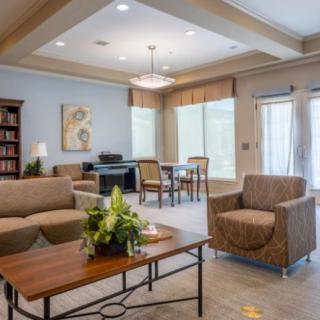
  • Interior

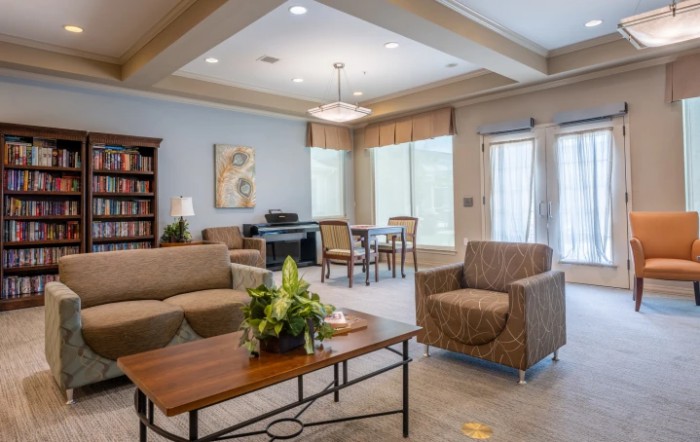
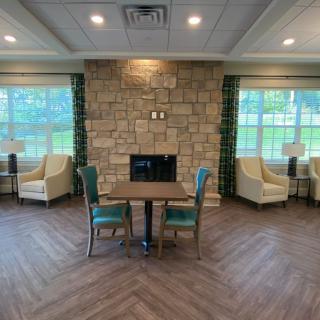
    A modern living room with comfortable seating and stylish decor.
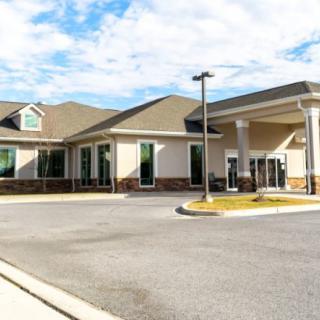
  • Building

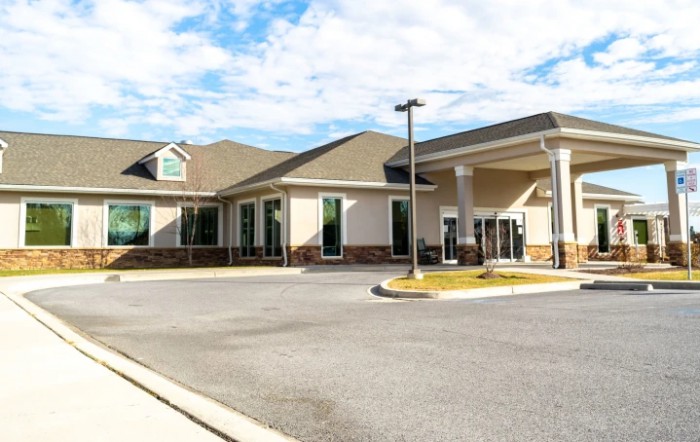
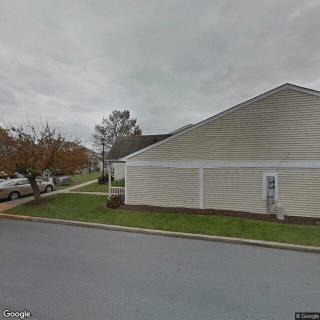
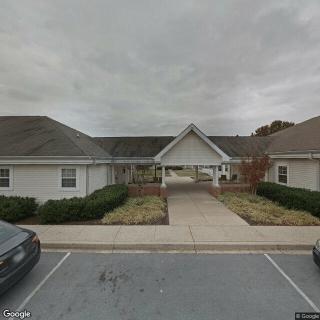
    A commercial building with a parking area in front, captured during the daytime.
  • Architecture

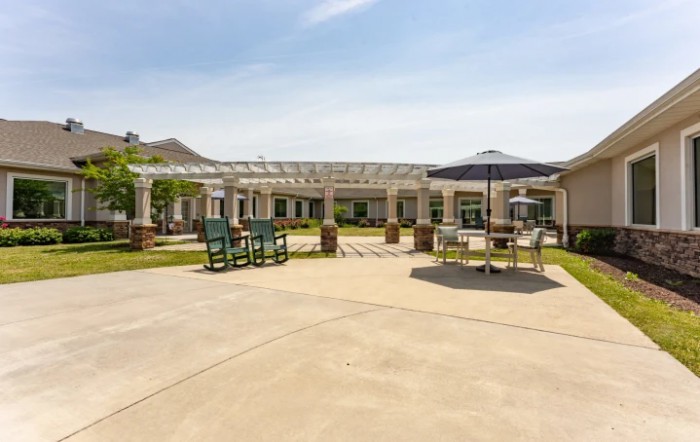
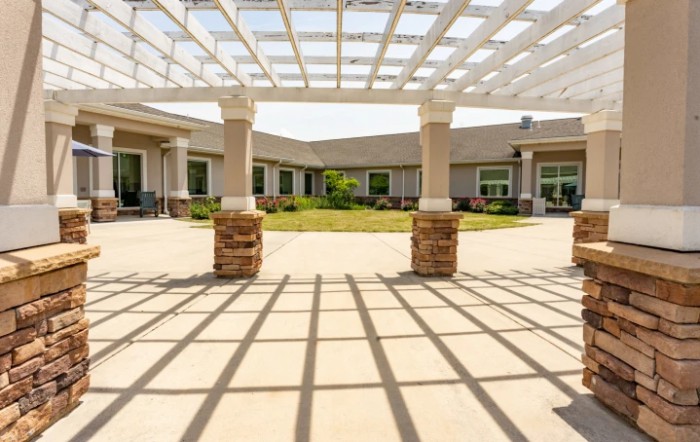
    A sunlit courtyard with a pergola providing shade over the patio.
  • Outdoor

    A spacious outdoor patio with tables, chairs, and a pergola on a sunny day.
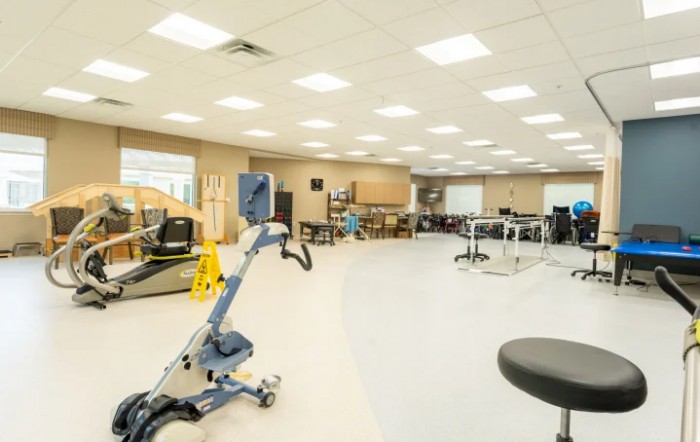
  • Exercise Equipment

    A spacious and well-equipped physical therapy and rehabilitation center featuring various exercise machines.
  • Healthcare

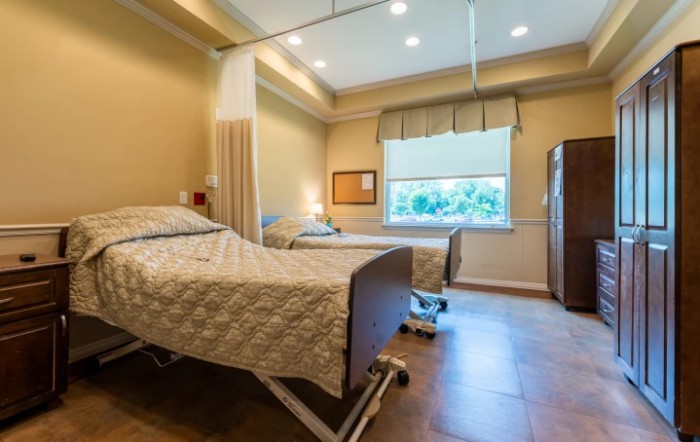
    A clean and modern hospital room with two patient beds.

Autumn Lake at Ballenger Creek

347 Ballenger Center Drive, Frederick, MD 21703

For more information about senior living options: (844) 490-3973

3.8 from 100 reviews
5 stars
64
4 stars
6
3 stars
0
2 stars
4
1 stars
26

Skilled Nursing Facility

What level of care are you interested in?

Assisted Living

Memory Care

Independent Living

Skilled Nursing Facility

Continuing Care Retirement Community (CCRC)CCRC

Other


Request a tour at Autumn Lake at Ballenger Creek

    Overall Review of Autumn Lake at Ballenger Creek

    Pros

    • pro The initial experience with the staff was positive, with the nurses described as very sweet and genuinely listening.
    • pro The facility is described as nice and the staff as very helpful.
    • pro A family member said Autumn Lake's staff and operations are a great place for healing.
    • pro The staff on the unit the reviewer stayed in (bed 506A) were outstanding.
    • pro Nurse Sherry provided a comforting hug during a difficult time.
    • pro Housekeeper Derrick was cheerful, upbeat, and thorough in keeping the room clean.
    • pro A nurse's aide went above and beyond by bringing a snack from home when needed.
    • pro The reviewer would recommend Autumn Lake.

    Cons

    • pro The reviewer calls the facility the worst they have encountered.
    • pro Care deteriorated to sub-par after about three days, with medications given in incorrect doses and not at consistent times.
    • pro Meals were extremely poor in quality, including a burnt, dried lasagna square and, on another day, only two slices of plain white bread.
    • pro Thanksgiving dinner arrived cold and the resident was left alone.
    • pro The ham served was rotten, indicating serious food safety concerns.
    • pro The facility showed a clear lack of care and compassion toward residents.
    • pro Residents with incontinence were frequently left sitting in a saturated bed for hours.
    • pro The call bell was not answered promptly, leaving the resident waiting for help.
    • pro An aide yanked a resident's arm with enough force to cause months of soreness.
    • pro Staff pressured for the resident to stay longer, offering an AMA option rather than arranging a transfer.
    • pro The reviewer questions the facility's ability to care for anyone and suggests it should be shut down due to neglect.
    • pro A supervisor was abrupt, dismissive, and unsympathetic toward family concerns.
    • pro The overall vibe conveyed by the facility was not caring or compassionate.
    • pro Admissions were described as chaotic, with no medications on arrival and poor pain management.
    • pro Nurses were described as useless and the facility as a place that neglects residents.

    Review

    What emerges from these accounts is a striking and troubling mosaic of experiences at this care facility, with families and former patients recounting a spectrum that stretches from moments of genuine kindness to episodes that feel neglectful, disorganized, and even unsafe. Across the board, the most consistent throughline is concern about basic dignity and reliable care: timely medications, adequate meals, clean and comfortable conditions, and staff who respond with compassion rather than distance or blunt dismissal. Several reviewers describe the facility as surprisingly capable at times, but these positives sit alongside a chorus of credible and specific complaints that leave a lasting impression of instability and frustration.

    Several reviewers focus on a pattern of subpar nursing care, especially around medications and day-to-day attention. In one long critique, the writer depicts medications being given in incorrect doses and at inconsistent times after only a few days' stay. Nutrition is described as a recurring problem, with meals that appear barely edible and portions that are startlingly small or poorly prepared. One person recalls a lasagna square that was burnt and dried, another recalls a meal consisting of two slices of plain white bread with nothing else, followed by a nurse's aide delivering a salad only after questions were raised. The Thanksgiving gathering for residents and loved ones devolved into a scene where the patient sat alone in bed with a cold plate of food, and a later discovery of a "rotten" ham left the family appalled. The severity of these concerns is reinforced by mentions of incontinence issues being met with delays and a consistent claim that staff were too busy to respond promptly, leading to extended times with a patient sitting in a saturated bed or waiting for help after a fall.

    Safety and dignity issues are another recurring thread. There are explicit reports of someone falling in the bathroom and waiting for an excessive time before aid arrived, despite a call bell being pulled. In a separate case, it's described that a bed became soiled and a nursing aide pulled on a patient's arm with enough force to leave it sore for months. These anecdotes are not merely about discomfort; they point to serious questions about supervision, staffing levels, and the adequacy of on-site medical and caregiving support. The most alarming claims describe a pattern of ignoring urgent needs, with family members repeatedly told that staff were "very busy" and would get to the resident as soon as possible, leaving families to intervene and advocate just to secure basic attention, meals, and comfort.

    The emotional toll is palpable in several of the narratives, especially when families tried to navigate transfers or discharge plans. One family attempted to move their loved one to another facility or home, only to be told that the patient would need to remain for another six weeks, with the option of signing AMA (against medical advice) if they refused. The sense of coercion and fear around discharge decisions adds another layer to the sense of frustration, as families feel cornered by a system that appears uncertain about the patient's best interests and safety at home or elsewhere.

    Despite these strongly negative experiences, there are notable mentions of warmth, empathy, and competence from individual staff members who stood out for their kindness and professionalism. Several accounts praise specific nurses and aides for offering comfort and encouragement during difficult moments: a nurse giving a comforting hug during emotional distress, another providing timely support for speech therapy delays, and a third delivering a reassuring presence with a fist bump and words of encouragement. A housekeeper is described as cheerful and thorough, and an unnamed nurse aide is celebrated for bringing a snack from home when the patient's sugar level was dipping. The consistency of these positive anecdotes - alongside explicit statements of willingness to recommend the facility - underscores that care quality can be highly variable even within the same unit or same day.

    Interwoven with these mixed experiences are overtly harsh condemnations that frame the facility in the most severe possible light. One reviewer writes of "hell on earth" where a beloved mother received non-existent care, lost dignity, and died within days of admission, with repeated attempts to contact nursing leadership failing to yield meaningful attention or after-death care. Another account describes a patient entering without medications or prescriptions, being left in a bed to suffer pain after a hip replacement, and doctors or nurses closely examining wounds without proper gloves or procedures. The fear and frustration conveyed in these passages are stark, and the take-away is a strong sentiment that what should be a safe and supportive environment for vulnerable residents is instead a place where basic protections and professional standards are compromised.

    Across the spectrum, some readers recount more positive, even glowing experiences - at least in certain contexts. A recurring note is that when the facility works well, it works really well: attentive nursing care, a responsive on-site management presence, and staff who go above and beyond to keep patients comfortable, engaged, and dignified. One set of testimonials emphasizes that the unit's staff - along with management on site - can be unusually supportive, resourceful, and proactive about addressing concerns. Another reviewer recounts a seven-week stay in which the staff were consistently caring and professional, and where kindness and support from multiple caregivers helped the patient feel secure and well cared for. These hopeful voices remind readers that the facility is not uniformly deficient; the challenge appears to be achieving consistent, reliable care across all shifts, units, and days.

    In sum, the body of experiences presents a troubling disparity between good intentions and troubling realities. Families report care lapses that jeopardize safety and dignity - delays in feeding, missed medications, neglected hygiene, and avoidable discomfort or harm - paired with moments of real compassion and competence from individual staff members. The overarching impression is of a facility that struggles with staffing and consistency, where the quality of care can swing dramatically from one shift to the next or from one caregiver to another. For anyone considering placement here, the stories suggest a need for vigilant oversight, clear communication with the care team, and proactive advocacy by families to ensure that the resident's basic needs are met promptly, respectfully, and with the attention deserved by someone relying on the facility for critical support.

    Features

    Housing

    • 21 resident community capacity 21 resident community capacity

    Types of Care

    • Skilled Nursing Facility Skilled Nursing FacilitySkilled Nursing Facilities are crucial for seniors as they provide round-the-clock medical care, rehabilitation services, and assistance with daily activities. These facilities ensure that seniors receive the specialized care they need to maintain their health and well-being as they age.

    Amenities

    • Beauty salon Beauty salonBeauty salons are important for seniors because they provide a space for them to feel pampered, socialize, and maintain their personal grooming and hygiene. Regular visits to a beauty salon can help boost seniors' self-esteem and overall well-being.
    • Cable or satellite TV Cable or satellite TVCable or satellite TV is important for seniors because it provides entertainment, news, and companionship, helping to combat loneliness and boredom. It also offers a wide range of programming options tailored to different interests and preferences.
    • Dining room Dining roomDining rooms are important for seniors as they provide a space for socialization, connection, and nutritious meals. They offer opportunities for residents to bond over shared meals, foster a sense of community, and promote healthy eating habits. Dining rooms also ensure that seniors have access to well-balanced meals tailored to their dietary needs and preferences.
    • Fully furnished Fully furnishedFully furnished senior living communities are important for seniors because they provide convenience, comfort, and a hassle-free moving experience. Seniors can easily settle into their new living space without the stress of having to buy and move furniture. This allows them to focus on enjoying their new home and community.
    • Garden GardenGardens are important for seniors as they provide a peaceful and therapeutic environment for relaxation, physical activity, and socialization. Being in nature has been shown to reduce stress, improve mood, and promote overall well-being. Gardens also offer opportunities for seniors to engage in gardening activities, which can improve mobility, flexibility, and cognitive function. Additionally, gardens create a sense of community and connection with others who share a passion for plants and outdoor spaces.
    • Housekeeping services Housekeeping servicesHousekeeping services are important for seniors because they help maintain a clean and safe living environment, promote independence, and reduce the risk of accidents or illnesses. Additionally, having assistance with household chores can alleviate physical strain and allow seniors to focus on other aspects of their well-being.
    • Kitchenette KitchenetteKitchenettes are important for seniors living in senior living communities because they provide the convenience and independence of being able to prepare simple meals and snacks in the comfort of their own living space. This can help promote a sense of autonomy and well-being for seniors, allowing them to maintain some level of control over their dietary choices and daily routines.
    • Move-in coordination Move-in coordinationMove-in coordination is important for seniors because it helps ease the transition into their new living environment. It ensures that all logistics, such as packing, organizing movers, and setting up utilities are taken care of, allowing seniors to focus on settling in and adjusting to their new home. Having a smooth move-in process can alleviate stress and anxiety, making the transition smoother and more enjoyable for seniors.
    • Outdoor space Outdoor spaceOutdoor spaces are important for seniors as they provide opportunities for physical activity, social interaction, exposure to natural light and fresh air, and a sense of connection to nature. Having access to outdoor spaces can improve overall well-being and quality of life for older adults living in senior communities.
    • Telephone TelephoneTelephones are important for seniors as they provide a lifeline for communication with loved ones, emergency services, and healthcare providers. They offer a sense of security and independence, enabling seniors to stay connected and access assistance when needed.
    • Wi-Fi/high-speed internet available Wi-Fi/high-speed internet availableWi-Fi/high-speed internet is important for seniors to stay connected with loved ones, access online resources, and participate in virtual activities to combat feelings of loneliness and isolation. It also allows them to easily manage healthcare needs, access entertainment, and engage in lifelong learning opportunities.

    Care Services

    • 24-hour call system 24-hour call system24-hour call systems are important for seniors because they provide peace of mind and immediate assistance in case of emergencies. This technology ensures that help is always available, promoting safety and security for elderly individuals living alone or in assisted living facilities.
    • 24-hour supervision 24-hour supervision24-hour supervision is important for seniors to ensure their safety, well-being, and access to immediate assistance in case of emergencies or health issues. This constant support provides peace of mind for both seniors and their loved ones, allowing them to age in place with dignity and security.
    • Activities of daily living assistance Activities of daily living assistanceActivities of daily living assistance are important for seniors because they provide essential support with tasks such as eating, bathing, dressing, and mobility. This assistance helps seniors maintain their independence, dignity, and overall quality of life as they age.
    • Assistance with bathing Assistance with bathingAssistance with bathing is crucial for seniors as it helps maintain personal hygiene, prevents infections, and ensures their overall well-being and comfort. It also provides a sense of dignity and independence for seniors who may struggle with this task on their own.
    • Assistance with dressing Assistance with dressingAssistance with dressing is important for seniors because it helps maintain their independence, promotes personal hygiene, prevents accidents and injuries, and improves overall quality of life. This service ensures that seniors can continue to dress comfortably and confidently, despite any physical limitations they may have.
    • Assistance with transfers Assistance with transfersAssistance with transfers is crucial for seniors as it helps prevent falls and injuries, maintains their independence, and ensures they can safely navigate their living environment. It also provides peace of mind for both seniors and their loved ones.
    • Coordination with health care providers Coordination with health care providersCoordination with health care providers is crucial for seniors to ensure proper medical care, medication management, and overall well-being. This collaboration helps prevent overlapping treatments, track progress more effectively, and provide comprehensive support tailored to individual needs.
    • Diabetes diet Diabetes dietA diabetes diet is crucial for seniors as it helps manage blood sugar levels, reduce risks of complications, and improve overall health and well-being. By following a balanced and nutritious diet tailored to their specific needs, seniors can better control their diabetes and enhance their quality of life.
    • Meal preparation and service Meal preparation and serviceMeal preparation and service are crucial for seniors as they may have limited mobility or energy to cook nutritious meals. Having access to healthy and convenient food options can ensure they are getting the proper nutrition needed to maintain their overall health and well-being.
    • Medication management Medication managementMedication management is crucial for seniors to ensure they are taking the right medications at the correct dosages and times. This helps prevent adverse drug interactions, reduces the risk of medication errors, and promotes overall health and well-being. Proactive management also allows for adjustments as needed based on changing health conditions or new prescriptions.
    • Mental wellness program Mental wellness programMental wellness programs are essential for seniors as they promote cognitive stimulation, emotional support, and social engagement. These programs help prevent isolation, depression, and cognitive decline, ultimately enhancing the overall quality of life for older adults.
    • Special dietary restrictions Special dietary restrictionsSpecial dietary restrictions are important for seniors because age-related changes in metabolism and health conditions can make it difficult for their bodies to process certain foods. By following a diet tailored to their specific needs, seniors can maintain their overall health and well-being, manage chronic conditions, and reduce the risk of complications such as malnutrition or food interactions with medications.
    • Transportation arrangement (medical) Transportation arrangement (medical)Transportation arrangements for medical purposes are essential for seniors as they may have difficulty driving themselves to appointments or accessing public transportation. Having reliable and safe transportation options ensures that seniors can receive timely medical care and maintain their health and well-being.
    • Transportation to doctors appointments Transportation to doctors appointmentsTransportation to doctors' appointments is crucial for seniors as it ensures they have access to necessary medical care and support for their health needs. Without reliable transportation, seniors may struggle to attend important appointments, leading to potential delays in treatment and health complications. Providing transportation services helps seniors maintain their overall well-being and quality of life.

    Dining

    • Diabetes diet Diabetes dietA diabetes diet is crucial for seniors as it helps manage blood sugar levels, reduce risks of complications, and improve overall health and well-being. By following a balanced and nutritious diet tailored to their specific needs, seniors can better control their diabetes and enhance their quality of life.
    • Special dietary restrictions Special dietary restrictionsSpecial dietary restrictions are important for seniors because age-related changes in metabolism and health conditions can make it difficult for their bodies to process certain foods. By following a diet tailored to their specific needs, seniors can maintain their overall health and well-being, manage chronic conditions, and reduce the risk of complications such as malnutrition or food interactions with medications.

    Activities

    • Community-sponsored activities Community-sponsored activitiesCommunity-sponsored activities are important for seniors as they provide opportunities for social interaction, mental stimulation, and physical activity. These activities can help improve overall well-being, combat loneliness and isolation, and promote a sense of belonging and purpose among older adults.
    • Scheduled daily activities Scheduled daily activitiesScheduled daily activities are important for seniors because they provide structure, socialization, mental stimulation, and physical activity. Engaging in regular activities can improve overall well-being and quality of life for seniors living in a community setting.

    Description

    Autumn Lake at Ballenger Creek in Frederick, MD is an exceptional assisted living community that provides a range of amenities and care services to ensure the comfort and well-being of its residents.

    Our residents can enjoy the convenience of cable or satellite TV in their fully furnished living spaces, as well as a dining room where they can savor delicious meals prepared by our skilled kitchen staff. For those who prefer to cook their own meals, each apartment also comes with a kitchenette.

    Our community boasts beautiful outdoor spaces and gardens where residents can relax, take walks, or engage in activities. Wi-Fi/high-speed internet and telephone services are available for residents to stay connected with friends and family.

    We understand the importance of assisting our residents with their daily needs, which is why we offer 24-hour supervision and assistance with activities of daily living such as bathing, dressing, and transfers. Our dedicated staff also coordinates with health care providers to ensure seamless medical support for our residents. Additionally, we provide diabetes diets, medication management, and mental wellness programs tailored to individual needs.

    At Autumn Lake at Ballenger Creek, we prioritize the dietary requirements of our residents by offering special dietary restrictions options. We believe that engaging in various activities is key to promoting a vibrant lifestyle for our residents; therefore, we have scheduled daily activities that cater to different interests and preferences.

    Our community is conveniently located near several cafes, parks, pharmacies, physicians' offices, restaurants, theaters, and hospitals. Transportation arrangement for medical purposes and doctors' appointments is also provided.

    Experience luxurious yet compassionate assisted living at Autumn Lake at Ballenger Creek.

    Nearby Places of Interest

    Located in Frederick, Maryland, this area offers a range of healthcare options with several physicians' offices, pharmacies, and hospitals within close proximity. The community also provides convenient dining choices with various fast food and sit-down restaurants nearby. For leisure activities, there are parks like Ballenger Creek Dog Park and Baker Park for outdoor enjoyment. Additionally, cafes such as Panera Bread and Frederick Coffee Co & Cafe provide cozy spots to relax with a cup of coffee. Overall, this part of Frederick offers a mix of healthcare services, dining options, and recreational amenities that may be appealing to seniors looking for a convenient and vibrant neighborhood to call home.

    Physicians

    • The Pediatric Center Ballenger Creek (0.4 miles)
    • Frederick Primary Care Associates (0.4 miles)
    • Pediatric Center (0.4 miles)
    • Frederick Pediatric Associates (0.5 miles)
    • Frederick Endoscopy Center (0.6 miles)
    • Dr Xue (0.7 miles)
    • K&K Hearing Associates (1 miles)

    Pharmacies

    • CVS Pharmacy (0.4 miles)
    • Walgreens (0.5 miles)
    • CVS Pharmacy (0.7 miles)
    • Walgreens (1.7 miles)
    • CVS Pharmacy (2 miles)
    • CVS Pharmacy (2.2 miles)
    • Crawford (2.2 miles)

    Hospitals

    • Occupational Health Solutions (0.6 miles)
    • Advanced Urgent Care (0.9 miles)
    • Children's National Medical Center (0.9 miles)
    • Frederick Memorial Hospital (1.1 miles)
    • FMH Or (1.7 miles)
    • Frederick Memorial Hospital (2 miles)
    • FMH Radiology (2 miles)

    Restaurants

    • McDonald's (0.8 miles)
    • Big Papi’s (0.9 miles)
    • Dutch's Daughter (0.9 miles)
    • Burger King (1.1 miles)
    • Waffle House (1.1 miles)
    • Popeyes Louisiana Kitchen (1.1 miles)
    • McDonald's (1.2 miles)

    Parks

    • Ballenger Creek Dog Park (1.2 miles)
    • Baker Park (1.6 miles)
    • Carroll Creek Linear Park (1.8 miles)

    Cafes

    • Frederick Social (1.5 miles)
    • Panera Bread (1.5 miles)
    • Frederick Coffee Co & Cafe (1.8 miles)
    • Gravel and Grind (2.1 miles)
    • Starbucks (2.2 miles)

    Theaters

    • Warehouse Cinemas (2.3 miles)

    Frequently Asked Questions

    Where is Autumn Lake at Ballenger Creek?
    What photos are available for Autumn Lake at Ballenger Creek in Frederick, Maryland?

    Nearby Communities

    Related Resources

    • what does an elder law attorney do6 Crucial Ways an Elder Law Attorney Assists Families

      Elder law attorneys assist older adults and their families with legal matters such as estate planning, Medicaid eligibility, and guardianships, while also providing protection against elder abuse. They help navigate complex regulations to safeguard financial resources, ensure well-being, and maintain autonomy for seniors.

    • tax implications of parent living with youNavigating the Tax Landscape of Caregiving: Credits, Deductions, and Beyond

      Caregiving for an aging parent entails emotional and financial responsibilities accompanied by significant tax implications, including potential benefits from claiming them as dependents and deductions for medical expenses and caregiving costs. Caregivers must understand eligibility requirements, maintain thorough documentation, and consider consulting a tax professional to navigate these complexities effectively.

    • low impact exercises for seniorsHighly Beneficial Low-Impact Exercises for Senior Living Residents
      Low-impact exercises are vital for seniors as they promote health, independence, and social interaction while reducing joint strain. These adaptable activities, guided by healthcare professionals, enhance strength, flexibility, and emotional well-being.


    Get Pricing Ask A Question Schedule A Tour Contact Senior Advisor