
730 Furnace Street, Cumberland, MD 21502
For more information about senior living options: (866) 208-4318
Overall Review of Allegany Health Nursing And Rehab
Pros
 The mother received very good care from everyone, with aides and nurses who were caring and attentive.
- The doctors, PAs, and therapists kept up with all medical needs, and the therapists were very good with her.
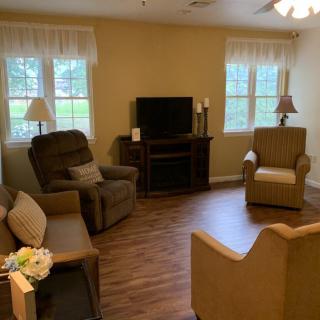
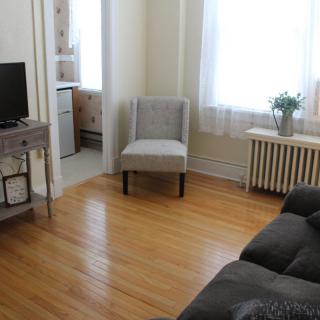
- The facility was clean and had a homelike atmosphere, even though the building is old.
- All staff made her feel cared for.
- Therapy worked around her mom's schedule and prepared her for discharge home.
- The mother would definitely return to this facility for future needs.
Cons
 The patient was never given therapy.
- Some aides and nurses were not caring or competent.
- An aide threatened to confine the patient to a room and leave her there.
- Nothing was done or investigated after the threat was reported.
- The lead social worker was a nightmare.
- The room was always dirty, and the patient was placed in a room alone after requesting a roommate.
- No nurses or staff checked on the patient for the entire three hours.
- The facility is not recommended.
Review
Allegany Health Nursing And Rehab in Cumberland is best suited for seniors who need post-acute rehabilitation with solid medical oversight and capable therapy services, and who can tolerate variability in administrative responsiveness. When the team is functioning, the facility can deliver serious care: therapists who adapt to the resident’s schedule, clinicians who monitor medical needs closely, and a setting that feels homelike and reasonably well kept. The strongest advocates note that skilled therapists and attentive nurses can drive meaningful progress, and that the care team can coordinate discharge planning effectively. In short, this community tends to perform well for rehab-focused stays when the right staff is on duty and routines are predictable.
Those who may want to consider alternatives are residents or families with a lower tolerance for inconsistent staffing, gaps in therapy delivery, or administrative friction. Evaluations repeatedly highlight a troubling range in experiences: some aides and nurses are genuinely caring, while others are not; a social worker can become a point of frustration; and room cleanliness and roommate management have shown instability. For long-term placement where constant reliability, proactive social work, and consistently strong housekeeping are nonnegotiable, other facilities may offer steadier performance. Families should enter with a plan to verify staffing levels, accountability, and routine maintenance before committing.
On the positive side, the clearest, most actionable pros center on engaged clinical care and capable rehabilitation. Several reviews describe nurses and aides who are attentive and quick to notice changes in a resident’s condition, and doctors or physician assistants who stay on top of medical needs. Therapists receive repeated praise for their expertise and flexibility, with schedules that accommodate the resident’s recovery plan and goals. The facility’s atmosphere is repeatedly described as homelike, and when therapy is aligned with discharge planning, progress toward returning home can be meaningful. Cleanliness is noted when staff engagement is high, reinforcing a sense of safety and dignity.
Yet the main cons carry substantial weight in decision-making. Instances of neglectful or inconsistent staffing, including a social worker described as a “nightmare,” create risk for overlooked concerns and delayed escalation. Negative anecdotes about room conditions, a resident placed in solitude against requests for a roommate, and a report of a lack of ongoing nurse checks during a visit reveal vulnerabilities in day-to-day operations. An old building style is rarely fatal, but when cleanliness or on-site responsiveness falters, it erodes trust and can undermine rehabilitation momentum. Such experiences are not universal, but they recur enough to merit serious attention during any visit or second opinion.
Those weighing the decision should balance the apparent care quality with the reliability gaps. The pros, professional medical oversight, capable therapy, a caring staff when present, and a reasonably pleasant environment, can offset several concerns if the team is consistent and transparent. However, the cons are not trivial: they speak to potential safety risks, fragmented communication, and uneven resident experience. Prospective families should demand measurable assurances, therapy continuity, clear escalation paths for concerns, transparent room assignments, and proactive social work support. A thorough pre-admission tour paired with candid conversations about staffing patterns and incident handling is essential.
In the end, Allegany Health Nursing And Rehab offers a practical path for short-term rehab or post-hospital recovery when the caregiving team is reliably engaged and the environment remains clean and orderly. It is less ideal for people who require unwavering staffing consistency, robust social work support, and meticulously managed accommodations on a day-to-day basis. If the choice is made, approach with concrete expectations: request to meet the therapy supervisor, review a sample discharge plan, tour recent resident rooms, and talk to current families about their latest experiences. For families prioritizing strong rehab outcomes and medical oversight with a predictable routine, Allegany Health can deliver; for those needing ironclad consistency across all dimensions of care, exploring alternatives is a prudent step.
 153 resident community capacity
 Skilled Nursing Facility
 Air-conditioning
 Beauty salon
 Cable or satellite TV
 Computer center
 Dining room
 Fitness room
 Fully furnished
 Gaming room
 Garden
 Housekeeping services
 Kitchenette
 Move-in coordination
 Outdoor space
 Private bathrooms
 Restaurant-style dining
 Small library
 Telephone
 Wellness center
 Wi-Fi/high-speed internet available
 Community operated transportation
 12-16 hour nursing
 24-hour call system
 Activities of daily living assistance
 Assistance with bathing
 Assistance with dressing
 Assistance with transfers
 Diabetes diet
 Medication management
 Mental wellness program
 Special dietary restrictions
 Concierge services
 Planned day trips






 Comprehensive Insights and Practical Strategies to Help Older Adults Avoid Falls
 6 Crucial Ways an Elder Law Attorney Assists Families
 Navigating the Tax Landscape of Caregiving: Credits, Deductions, and Beyond