Catonsville Commons Costs & Pricing
At Catonsville Commons, the monthly cost for a private room is set at $5,100, positioning it above both the average rates for Baltimore City and the broader state of Maryland. In comparison, Baltimore City offers private rooms at approximately $3,729 per month, while the statewide average hovers around $4,112. This indicates that Catonsville Commons may provide a more premium experience or additional amenities and services that justify its higher pricing in the local market. Potential residents and their families should consider not only the costs but also the quality of life and level of care available when evaluating options within this price range.
| Floor plans | Catonsville Commons | Baltimore city | Maryland |
|---|
| Private | $5,100 | $3,729 | $4,112 |
Skilled Nursing Facilities with a similar price nearby
-
from -$812 / mo

Winter Growth-Maryland Memories
$4,288 / month
8.9 miles away
-
About the same
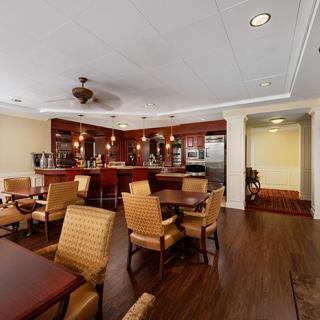
Brightview Towson
$5,200 to $7,825 / month
10.9 miles away
-
from -$1000 / mo
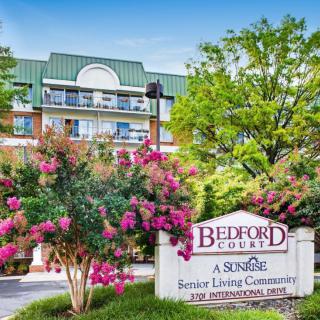
Bedford Court
$4,100 to $6,960 / month
21.7 miles away
-
from -$240 / mo
Little Sisters of the Poor
$4,860 to $9,330 / month
1.5 miles away
-
from -$650 / mo
Assisted Living Well
$4,450 / month
13.9 miles away
Overall Review of Catonsville Commons
common
45 reviews mention this
Staff and nursing feel responsive
Residents and families often describe the staff as kind and responsive to needs.
Across multiple reviews, visitors and residents say nurses, aides, and other team members are warm, respectful, and helpful. Several people also mention specific moments where staff explained care, coordinated plans, or followed through quickly. A smaller set of reviews goes the other direction, describing delays, lack of attention, or difficulty getting help, but the majority of comments emphasize responsiveness.
common
22 reviews mention this
Meals: good overall, mixed quality
Dining is a frequent point of feedback, with both praise and serious complaints.
Many reviews describe meals as good, with one person calling the food delicious and another saying a roommate noted the food was good. Others praise dietary adjustments for special needs and restricted diets. At the same time, several reviews report problems like cold or poorly prepared food, trays not matching restrictions, or food being taken away when residents declined a meal.
differentiator
18 reviews mention this
Rehab therapy supports recovery
Rehabilitation and therapy are central to the experience families describe.
Reviews repeatedly focus on rehab outcomes, including improvements in walking and strength after hospital or fall-related stays. Families also mention therapy planning and therapists working with residents during the stay. A few reviews describe major care breakdowns tied to medical support, but the overall pattern of feedback centers on rehabilitation care and progress.
caveat
16 reviews mention this
Cleanliness gets strong but split feedback
Cleanliness is inconsistent, with some praising it and others reporting unsanitary conditions.
Some visitors describe the facility as neat, clean, and well maintained. Others report odors, dirty rooms, dirty linens, and visible unsanitary conditions, including claims about bathroom and shower cleanliness. There are also reviews complaining about sanitation and cleanliness during care routines, which directly contradict the positive comments.
caveat
12 reviews mention this
Nursing support issues are mentioned
Several reviews raise concerns about coverage, staffing, and care follow-through.
A number of reviews describe situations where residents had to wait for attention, call buttons were allegedly removed, or staff did not check on patients for long stretches. Some also mention issues with changes like diapers or turning/repositioning, along with complaints about delayed responses. While many reviews describe attentive care, this recurring criticism centers on care follow-through and staffing consistency.
common
6 reviews mention this
Activities on-site are part of life
On-site activities show up in reviews alongside care.
Reviews mention on-site activities and resident programming, including day-room activities and arts-and-crafts-style options. People also describe the facility as planning events that residents and families can participate in. A few reviews focus entirely on medical and cleanliness concerns, but the presence of activity-focused comments supports that daily life includes some structured engagement.
How we summarize
Counts show how many written reviews mention each theme; a review can touch several themes, and only frequently mentioned themes are displayed.

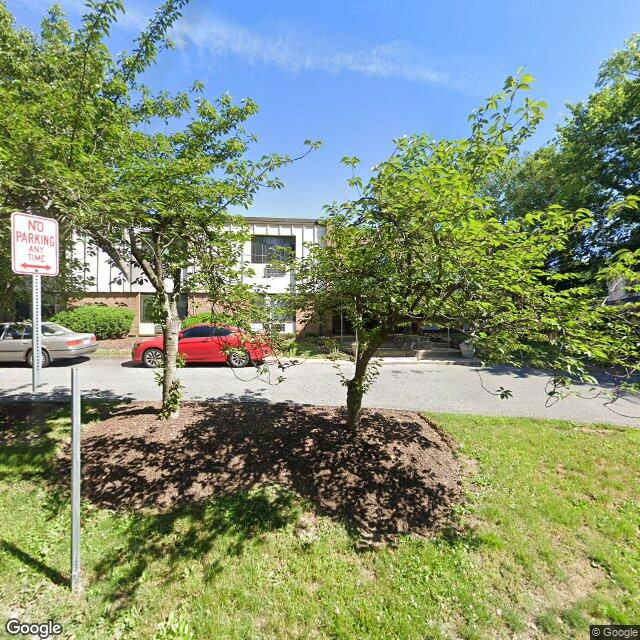
 Skilled Nursing Facility
 Activities on-site
 Indoor common areas
 Outdoor common areas
 Private
 Respite or short term stays offered
 Baltimore-Washington International (8 miles away)
 Meals provided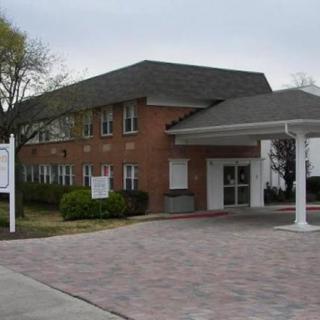
 Caring staff and engaging activities with a memory-care focus.

 Comprehensive Approaches for Arthritis: A Detailed Guide to Symptoms, Causes, and Care
 Comprehensive Insights and Practical Strategies to Help Older Adults Avoid Falls
 6 Crucial Ways an Elder Law Attorney Assists Families