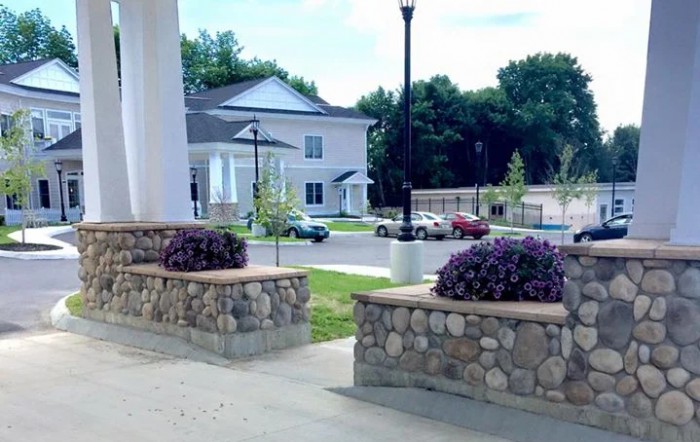
Seaport Village Healthcare in Ellsworth, ME

Save
Seaport Village Healthcare Seaport Village Healthcare

Seaport Village Healthcare in Ellsworth, ME

Information last verified:

19 General Moore Way, Ellsworth, ME 04605

For more information about senior living options: (844) 490-3973

3.7 from 6 reviews
5 stars
3
4 stars
0
3 stars
2
2 stars
0
1 stars
1

Overall Review of Seaport Village Healthcare

Pros

  • pro The staff was very caring.
  • pro The patient was generally physically well cared for.
  • pro It is a beautiful living center for loved ones.
  • pro The facility is modern and clean, with caring staff and a high-quality rehabilitation department.
  • pro The staff took excellent care of residents, from medical care to therapy and nursing.
  • pro Everything was immaculately clean, and staff took pride in their work.

Cons

  • pro The facility felt like a ghost town, with residents only occasionally out with each other and staff overworked.
  • pro The staff consistently seemed overworked, with very few regular staff.
  • pro There was no life to the place, despite some aspects of patient care.
  • pro It was extremely expensive, forcing private pay due to complex regulations.
  • pro A completely disabled patient was mishandled during discharge, dropped off in his yard with no one to care for him and ending up on the floor all night.
  • pro Administrative decision-making was criticized as poor, culminating in police and ambulance intervention.

Review

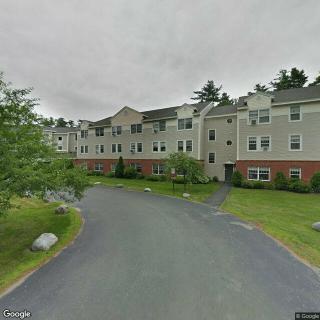
Seaport Village Healthcare in Ellsworth, ME is best suited for families seeking steady medical oversight and solid rehabilitative services in a clean, orderly setting, with an emphasis on professional care rather than a bustling social scene. It suits seniors who value a focused, inpatient rehab or long-term care experience delivered with attention to nursing and therapy, and who can tolerate quieter everyday life. Given recent ownership changes and the potential for shifts in operations, families should anticipate possible adjustments in staffing and policy. Those who prize a lively, highly social community or strongly budget-sensitive care plans may want to consider other options first.

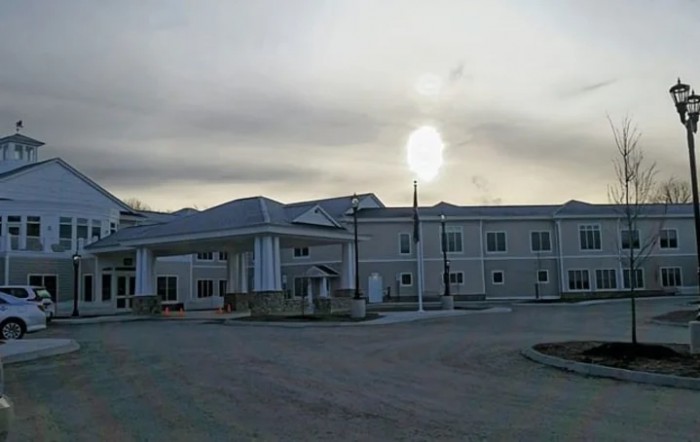
On the upside, the strongest argument for Seaport Village is the caliber of care in place when needs are medical or rehabilitative. Reviewers consistently note a modern, clean facility and a rehabilitation department that delivers high-quality therapy. The nursing and medical teams are described as caring and attentive, with care extended beyond routine tasks to the broader recovery process. When therapy and medical management align, residents can experience meaningful progress in mobility and daily functioning, and the facility’s pride in cleanliness translates into a respectful, home-like environment for residents.

Yet the positives coexist with several serious caveats that temper the overall value. Staffing patterns emerge as a persistent concern: while individuals on the front lines may be compassionate, the system often feels understaffed and overworked, with few regular staff members available. This creates an atmosphere that can feel lifeless or hollow, residents spend less time socializing, and staff burnout can undermine consistency in daily routines. The social fabric of the community matters; for families prioritizing ongoing companionship and activity, Seaport Village may fall short relative to peers that foster a more actively engaged resident life.

Cost is another critical constraint. The facility is described as extremely expensive, with private-pay requirements driven by regulatory constraints. Even when care is good, the financial burden can offset the benefit of strong medical and rehabilitative services. The combination of high price and limited social activity creates a narrow value proposition for many families, especially when alternative communities offer similar or better outcomes at lower or more predictable rates. This is not a facility that sells itself on affordability; the price tag must be weighed against the practicality of daily life and long-term finances.

One explicit red flag centers on administrative decision-making. A documented discharge mishap, where a completely disabled resident was left in a yard with no one able to assist, highlights a potential risk in care governance. Such events undermine confidence in safety protocols and the overall reliability of operational leadership. While this singular incident may not reflect every shift in care, it is a meaningful datapoint for families evaluating risk tolerance and the robustness of oversight.

Given these dynamics, alternative communities may be more appropriate for families prioritizing social engagement, consistent staffing, and cost-conscious planning. If a vibrant resident life and frequent activities are nonnegotiables, or if budget constraints demand a more predictable, lower-cost option, exploring other Ellsworth-area facilities is prudent. Anecdotal comparisons suggest that some families have found better welcome experiences and smoother transitions elsewhere; one review even notes a significantly more positive reception after relocation to Milbridge, underscoring that a change in setting can yield meaningful improvements in daily life and satisfaction.

For decision-making, approach Seaport Village with a clear set of questions and criteria. Request up-to-date staffing ratios by shift, inquire about ownership structure and any recent governance changes, and review how discharges are managed, including safeguards for residents’ safety during transitions. Ask for a sample weekly activity calendar to gauge social and recreational opportunities, and compare it with alternatives that emphasize community life and engagement. Above all, weigh the proven medical and rehabilitative strengths against cost, staffing stability, and the risk of administrative missteps to determine whether this community aligns with the resident’s priorities and the family’s tolerance for trade-offs.

Features

Housing

  • 61 resident community capacity 61 resident community capacity

Types of Care

  • Skilled Nursing Facility Skilled Nursing FacilitySkilled Nursing Facilities are crucial for seniors as they provide round-the-clock medical care, rehabilitation services, and assistance with daily activities. These facilities ensure that seniors receive the specialized care they need to maintain their health and well-being as they age.

Amenities

  • Air-conditioning Air-conditioningAir conditioning is important for seniors as they are more vulnerable to heat-related illnesses and may have underlying health conditions that make it difficult for them to regulate their body temperature. It helps to keep them comfortable, safe, and healthy in hot weather.
  • Beauty salon Beauty salonBeauty salons are important for seniors because they provide a space for them to feel pampered, socialize, and maintain their personal grooming and hygiene. Regular visits to a beauty salon can help boost seniors' self-esteem and overall well-being.
  • Cable or satellite TV Cable or satellite TVCable or satellite TV is important for seniors because it provides entertainment, news, and companionship, helping to combat loneliness and boredom. It also offers a wide range of programming options tailored to different interests and preferences.
  • Computer center Computer centerA computer center is essential for seniors as it provides access to technology, communication tools, and resources that can enhance their daily lives. It allows them to stay connected with loved ones, engage in online activities, and learn new skills, ultimately promoting socialization and mental stimulation.
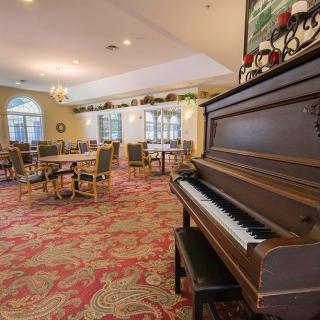
  • Dining room Dining roomDining rooms are important for seniors as they provide a space for socialization, connection, and nutritious meals. They offer opportunities for residents to bond over shared meals, foster a sense of community, and promote healthy eating habits. Dining rooms also ensure that seniors have access to well-balanced meals tailored to their dietary needs and preferences.
  • Fitness room Fitness roomHaving a fitness room in a senior living community is essential for seniors to stay active, maintain their physical health, and improve their overall well-being. Regular exercise can help prevent falls, reduce the risk of chronic diseases, and promote mental sharpness. It also provides social opportunities for residents to connect with others and enjoy a sense of community.
  • Fully furnished Fully furnishedFully furnished senior living communities are important for seniors because they provide convenience, comfort, and a hassle-free moving experience. Seniors can easily settle into their new living space without the stress of having to buy and move furniture. This allows them to focus on enjoying their new home and community.
  • Gaming room Gaming roomGaming rooms are important for seniors as they provide a fun and engaging environment for socializing, cognitive stimulation, and physical activity. Games can improve memory, problem-solving skills, and overall mental well-being while fostering friendships and reducing feelings of isolation.
  • Garden GardenGardens are important for seniors as they provide a peaceful and therapeutic environment for relaxation, physical activity, and socialization. Being in nature has been shown to reduce stress, improve mood, and promote overall well-being. Gardens also offer opportunities for seniors to engage in gardening activities, which can improve mobility, flexibility, and cognitive function. Additionally, gardens create a sense of community and connection with others who share a passion for plants and outdoor spaces.
  • Housekeeping services Housekeeping servicesHousekeeping services are important for seniors because they help maintain a clean and safe living environment, promote independence, and reduce the risk of accidents or illnesses. Additionally, having assistance with household chores can alleviate physical strain and allow seniors to focus on other aspects of their well-being.
  • Kitchenette KitchenetteKitchenettes are important for seniors living in senior living communities because they provide the convenience and independence of being able to prepare simple meals and snacks in the comfort of their own living space. This can help promote a sense of autonomy and well-being for seniors, allowing them to maintain some level of control over their dietary choices and daily routines.
  • Move-in coordination Move-in coordinationMove-in coordination is important for seniors because it helps ease the transition into their new living environment. It ensures that all logistics, such as packing, organizing movers, and setting up utilities are taken care of, allowing seniors to focus on settling in and adjusting to their new home. Having a smooth move-in process can alleviate stress and anxiety, making the transition smoother and more enjoyable for seniors.
  • Outdoor space Outdoor spaceOutdoor spaces are important for seniors as they provide opportunities for physical activity, social interaction, exposure to natural light and fresh air, and a sense of connection to nature. Having access to outdoor spaces can improve overall well-being and quality of life for older adults living in senior communities.
  • Private bathrooms Private bathroomsPrivate bathrooms are important for seniors in senior living communities because they provide independence, dignity, and comfort. Having a private bathroom allows seniors to maintain their personal hygiene routines without the need for assistance, promoting a sense of autonomy and privacy. Additionally, private bathrooms help prevent the spread of infections and provide a safe and clean environment for seniors to navigate safely.
  • Restaurant-style dining Restaurant-style diningRestaurant-style dining is important for seniors because it allows them to enjoy delicious, nutritious meals in a social and upscale setting. This enhances their dining experience, promotes healthy eating habits, and fosters socialization with fellow residents, ultimately contributing to their overall well-being and quality of life.
  • Small library Small librarySmall libraries are important for seniors as they provide access to a variety of reading materials, including books, newspapers, and magazines. This can help stimulate their minds, keep them engaged, and provide a sense of community through book clubs and other social activities. Additionally, reading has been shown to improve cognitive function and overall mental well-being in older adults.
  • Telephone TelephoneTelephones are important for seniors as they provide a lifeline for communication with loved ones, emergency services, and healthcare providers. They offer a sense of security and independence, enabling seniors to stay connected and access assistance when needed.
  • Wellness center Wellness centerWellness centers are important for seniors because they offer a variety of programs and services that promote physical, mental, and emotional well-being. These centers provide opportunities for exercise, socialization, education, and relaxation, helping seniors maintain their overall health and quality of life.
  • Wi-Fi/high-speed internet available Wi-Fi/high-speed internet availableWi-Fi/high-speed internet is important for seniors to stay connected with loved ones, access online resources, and participate in virtual activities to combat feelings of loneliness and isolation. It also allows them to easily manage healthcare needs, access entertainment, and engage in lifelong learning opportunities.

Transportation

  • Community operated transportation Community operated transportationCommunity operated transportation is crucial for seniors as it provides them with the means to access essential services, social activities, and medical appointments. It allows seniors to maintain their independence and quality of life by ensuring they can participate in activities outside of their homes. Additionally, community-operated transportation services offer a safe and reliable way for seniors to travel without having to rely on family or friends for assistance.
  • Transportation arrangement Transportation arrangementTransportation arrangements are crucial for seniors as they may face challenges with driving, mobility, or access to public transportation. Having reliable transportation services ensures that seniors can easily attend appointments, social activities, and maintain their independence and quality of life.
  • Transportation arrangement (non-medical) Transportation arrangement (non-medical)Transportation arrangements are essential for seniors as they provide access to essential services, activities, and social interactions outside the home. This service helps maintain independence, mobility, and overall well-being for seniors who may have limited transportation options.
  • Transportation to doctors appointments Transportation to doctors appointmentsTransportation to doctors appointments is crucial for seniors as it ensures they have access to necessary medical care and support, promoting their health and well-being. It allows them to receive timely treatment, monitor existing conditions, and address any new health concerns efficiently. Additionally, transportation services can help seniors maintain their independence and quality of life by enabling them to stay connected with their healthcare providers.

Care Services

  • 12-16 hour nursing 12-16 hour nursing12-16 hour nursing care is crucial for seniors in order to ensure around-the-clock monitoring, timely medication administration, and prompt response to any health concerns or emergencies. This level of care helps to promote the overall well-being and safety of seniors living in senior living communities.
  • 24-hour call system 24-hour call system24-hour call systems are important for seniors because they provide peace of mind and immediate assistance in case of emergencies. This technology ensures that help is always available, promoting safety and security for elderly individuals living alone or in assisted living facilities.
  • 24-hour supervision 24-hour supervision24-hour supervision is important for seniors to ensure their safety, well-being, and access to immediate assistance in case of emergencies or health issues. This constant support provides peace of mind for both seniors and their loved ones, allowing them to age in place with dignity and security.
  • Activities of daily living assistance Activities of daily living assistanceActivities of daily living assistance are important for seniors because they provide essential support with tasks such as eating, bathing, dressing, and mobility. This assistance helps seniors maintain their independence, dignity, and overall quality of life as they age.
  • Assistance with bathing Assistance with bathingAssistance with bathing is crucial for seniors as it helps maintain personal hygiene, prevents infections, and ensures their overall well-being and comfort. It also provides a sense of dignity and independence for seniors who may struggle with this task on their own.
  • Assistance with dressing Assistance with dressingAssistance with dressing is important for seniors because it helps maintain their independence, promotes personal hygiene, prevents accidents and injuries, and improves overall quality of life. This service ensures that seniors can continue to dress comfortably and confidently, despite any physical limitations they may have.
  • Assistance with transfers Assistance with transfersAssistance with transfers is crucial for seniors as it helps prevent falls and injuries, maintains their independence, and ensures they can safely navigate their living environment. It also provides peace of mind for both seniors and their loved ones.
  • Diabetes diet Diabetes dietA diabetes diet is crucial for seniors as it helps manage blood sugar levels, reduce risks of complications, and improve overall health and well-being. By following a balanced and nutritious diet tailored to their specific needs, seniors can better control their diabetes and enhance their quality of life.
  • Meal preparation and service Meal preparation and serviceMeal preparation and service are crucial for seniors as they may have limited mobility or energy to cook nutritious meals. Having access to healthy and convenient food options can ensure they are getting the proper nutrition needed to maintain their overall health and well-being.
  • Medication management Medication managementMedication management is crucial for seniors to ensure they are taking the right medications at the correct dosages and times. This helps prevent adverse drug interactions, reduces the risk of medication errors, and promotes overall health and well-being. Proactive management also allows for adjustments as needed based on changing health conditions or new prescriptions.
  • Mental wellness program Mental wellness programMental wellness programs are essential for seniors as they promote cognitive stimulation, emotional support, and social engagement. These programs help prevent isolation, depression, and cognitive decline, ultimately enhancing the overall quality of life for older adults.
  • Special dietary restrictions Special dietary restrictionsSpecial dietary restrictions are important for seniors because age-related changes in metabolism and health conditions can make it difficult for their bodies to process certain foods. By following a diet tailored to their specific needs, seniors can maintain their overall health and well-being, manage chronic conditions, and reduce the risk of complications such as malnutrition or food interactions with medications.

Dining

  • Diabetes diet Diabetes dietA diabetes diet is crucial for seniors as it helps manage blood sugar levels, reduce risks of complications, and improve overall health and well-being. By following a balanced and nutritious diet tailored to their specific needs, seniors can better control their diabetes and enhance their quality of life.
  • Special dietary restrictions Special dietary restrictionsSpecial dietary restrictions are important for seniors because age-related changes in metabolism and health conditions can make it difficult for their bodies to process certain foods. By following a diet tailored to their specific needs, seniors can maintain their overall health and well-being, manage chronic conditions, and reduce the risk of complications such as malnutrition or food interactions with medications.

Activities

  • Community-sponsored activities Community-sponsored activitiesCommunity-sponsored activities are important for seniors as they provide opportunities for social interaction, mental stimulation, and physical activity. These activities can help improve overall well-being, combat loneliness and isolation, and promote a sense of belonging and purpose among older adults.
  • Concierge services Concierge servicesConcierge services are essential for seniors as they provide assistance with daily tasks and errands, enhance their quality of life by offering convenience and personalized care, and promote a sense of safety and security.
  • Fitness programs Fitness programsFitness programs are crucial for seniors as they help improve strength, flexibility, balance, and overall well-being. Staying active can reduce the risk of chronic diseases, improve mental health, and enhance quality of life in older adults.
  • Planned day trips Planned day tripsPlanned day trips are important for seniors because they offer opportunities for socialization, mental stimulation, and physical activity. They provide a change of scenery and help seniors stay engaged and connected to their community, promoting overall well-being and quality of life.
  • Resident-run activities Resident-run activitiesResident-run activities are important for seniors as they encourage social interaction, creativity, and a sense of autonomy. These activities empower seniors to stay engaged and active in their community while fostering meaningful connections with their peers.
  • Scheduled daily activities Scheduled daily activitiesScheduled daily activities are important for seniors because they provide structure, socialization, mental stimulation, and physical activity. Engaging in regular activities can improve overall well-being and quality of life for seniors living in a community setting.

Description

Seaport Village Healthcare in Ellsworth, ME is an assisted living community that offers a wide range of amenities and care services to ensure the comfort and well-being of its residents. The community features a beauty salon where residents can enjoy pampering services, as well as cable or satellite TV in their fully furnished apartments for entertainment. Community-operated transportation is available to help residents get around conveniently.

For those who enjoy technology, there is a computer center equipped with Wi-Fi/high-speed internet access. Meals are served in a dining room with restaurant-style dining, and special dietary restrictions are accommodated. Housekeeping services ensure that the living spaces are always clean and tidy.

Residents have access to various recreational activities within the community such as a fitness room, gaming room, small library, and outdoor space like gardens. A wellness center is also available to cater to the physical and mental health needs of residents.

Care services provided include assistance with activities of daily living such as bathing, dressing, and transfers. The community has staff available 24/7 to provide supervision and assistance whenever needed. Medication management is also offered for those who require it.

Seaport Village Healthcare prioritizes the social well-being of its residents by organizing resident-run activities and scheduled daily activities for engagement. Concierge services are also available for any additional assistance needed.

The community is conveniently located near several amenities including cafes, parks, pharmacies, physicians, restaurants, places of worship, hospitals, and transportation options.

Overall, Seaport Village Healthcare offers a comfortable and supportive environment for seniors seeking assisted living services in Ellsworth, ME.

Nearby Places of Interest

Hospitals

  • Collier's Nursing Home (0.1 miles)
  • Mary Dow Center For Cancer Care (0.4 miles)
  • Cmsvend*Maine Hopital (0.4 miles)
  • Maine Coast Memorial Hospital (0.4 miles)
  • DaVita Eastern Maine Dialysis (1.6 miles)
  • Kidspeace National Centers Of New England (3 miles)
  • Blue Hill Memorial Hospital (12.3 miles)

Physicians

  • Paul K. Albert - Optometrist (0.1 miles)
  • Ellsworth Free Medical Clinic (0.4 miles)
  • Frenchman Bay Orthopedics (0.4 miles)
  • MCMH Breast Clinic (0.4 miles)
  • OB/GYN/Midwifery (0.4 miles)
  • Coastal Eye Care (0.9 miles)
  • Coastal Health Center (1.1 miles)

Parks

  • Knowlton Park (0.1 miles)
  • S.K. Whiting Park (0.4 miles)
  • Town of Gouldsboro (0.4 miles)
  • Ellsworth Waterford Park and Marina (0.9 miles)
  • Lamoine State Park (8.9 miles)
  • Acadia National Park (14.4 miles)
  • Agamont Park (15.3 miles)

Cafes

  • Steamy Buddha (0.3 miles)
  • Morton's Homemade Ice Cream (0.3 miles)
  • Mortons Moo (0.3 miles)
  • Josie's Country Store and Cafe (1.2 miles)
  • Sweet Pea's Cafe (9.5 miles)
  • Bucklyn Coffee (12.2 miles)
  • Sandy's Blue Hill Cafe (12.3 miles)

Restaurants

  • Sylvia's Cafe (0.4 miles)
  • Margaritas Mexican Restaurant (0.4 miles)
  • Airline Brewing Company (0.4 miles)
  • Riverside Cafe (0.4 miles)
  • Serendib (0.4 miles)
  • Union River Lobster Restaurant (0.5 miles)
  • Freshies (0.6 miles)

Places of Worship

  • Ellsworth United Methodist Church (0.5 miles)
  • Community Of Christ (0.5 miles)
  • Church of Life & Praise (0.7 miles)
  • Unitarian Universalist Church (0.9 miles)
  • Christian Ridge Church of God (0.9 miles)
  • St Thomas Trad Anglcan Church (3 miles)
  • Maine Coast Baptist Church (5.2 miles)

Transportation

  • Enterprise Rent-A-Car (0.8 miles)
  • Hancock County - Bar Harbor Airport (BHB) (7.7 miles)

Pharmacies

  • Shaw's Pharmacy (1 miles)
  • Walgreens (1.3 miles)
  • Hannaford Pharmacy (1.4 miles)
  • Walmart Pharmacy (2 miles)
  • Howland Edee Chom (11.7 miles)
  • Community Pharmacies (12.9 miles)

Frequently Asked Questions

Where is Seaport Village Healthcare?

Nearby Communities

  • The Inn At Seaport Village

    The Inn At Seaport Village

    Ellsworth, ME

    3.7 from 6 reviews
     

    pro Fully furnished apartments with kitchenettes and 24-hour care.

  • Ida W. Lockhart Residence

    Ida W. Lockhart Residence

    Ellsworth, ME

    4 from 103 reviews
     

    pro Small, intimate assisted living with comprehensive care and on-site amenities.

  • Carlisle Street Home

    Carlisle Street Home

    Ellsworth, ME


    pro Intimate 6-bed community with comprehensive care, meals, housekeeping, and daily activities.

  • Franklin Home

    Franklin Home

    Ellsworth, ME


    pro Comprehensive assisted living with 24/7 supervision, ADL support, meals (including diabetes/special diets), medication management, and transportation coordination.

  • Forest Avenue Home

    Forest Avenue Home

    Ellsworth, ME


    pro Small, fully furnished homes with comprehensive care, dining, housekeeping, and move-in coordination.

  • Hilltop Home

    Hilltop Home

    Ellsworth, ME


    pro Comprehensive on-site care and amenities in a comfortable, fully furnished setting.

  • Ellen M. Leach Memorial Home

    Ellen M. Leach Memorial Home

    Brewer, ME

    4.7 from 32 reviews
    $2,241 to $2,688 / month

    pro Clean, welcoming environment with engaging activities and included nursing services; affordable pricing.

  • Woodlands Senior Living of Brewer

    Woodlands Senior Living of Brewer

    Brewer, ME

    4.2 from 47 reviews
     

    pro Well-maintained facility with experienced staff and a strong commitment to resident care.

  • Longfellow Heights

    Longfellow Heights

    Orono, ME


    pro Spiritual support with off-site devotional activities and inviting indoor common areas.

Related Resources

  • nursing home costsA Detailed Examination of Nursing Home Costs Across the U.S.

    Nursing home care costs in the U.S. vary significantly based on location, level of care, and amenities, with private room prices ranging from approximately $6,700 to over $30,000 monthly. Families need to explore various payment options and conduct thorough research to manage these expenses effectively.

  • non medical home careExploring Nonmedical Home Care: Understanding Services, Costs, and Financial Approaches

    Nonmedical home care provides assistance with daily activities and companionship for individuals wishing to maintain independence and quality of life at home, without medical intervention. Its growing popularity is driven by an aging population, the need for supportive environments for recovery, and the emotional benefits of caregiver companionship, while costs vary based on service frequency and location.

  • brain games for seniorsEngaging Brain Games and Innovative Apps to Keep Senior Minds Active

    Maintaining cognitive fitness through engaging in various brain games, both traditional and digital, is crucial for seniors as it enhances memory retention, problem-solving abilities, and emotional well-being while helping to protect against age-related decline. A holistic approach that includes diverse activities, physical exercise, a balanced diet, and social interaction further supports mental health and cognitive function.