
11 General Moore Way, Ellsworth, ME 04605
For more information about senior living options: (866) 208-4318
Overall Review of The Inn At Seaport Village
Pros
 The staff was very caring.
- It is a beautiful living center for loved ones.
- The facility is modern and clean, with caring staff and high-quality rehabilitation.
- The staff provided excellent care to residents, including medical care, therapy, and nursing.
- Everything was immaculately clean, and staff took pride in their work.
- The welcome at Milbridge was 1000% better.
Cons
 The staff always seemed overworked, with very few regular staff.
- It always felt like a ghost town, with residents rarely out and no life in the place.
- It was extremely expensive, forcing private pay due to regulations.
- The facility failed to discharge a completely disabled patient to a safe environment.
- The patient was dropped off in his yard with no one available to care for him, ending up on the floor all night.
- Administration's decision making was poor, requiring police and ambulance intervention.
Review
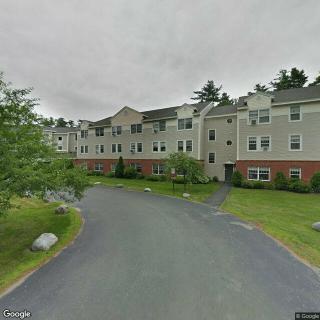
The Inn At Seaport Village is best suited for families seeking solid rehabilitation services and a clean, modern environment for a senior who can tolerate a quieter, less socially intensive setting. The rehabilitation department earns praise for its medical oversight and therapy quality, and the facility shows pride in cleanliness and maintenance. This makes it a practical choice for post-acute needs, recovery after surgery, or ongoing nursing support when the emphasis is on skilled care rather than bustling social life. It is less compelling for residents who crave a robust day-to-day community, frequent activities, or a highly energetic living atmosphere. High private-pay costs compound the decision, so financial planning must be as much a part of the decision as clinical needs.
Those weighing alternatives should consider the potential for more warmth and social engagement elsewhere. Several families report a noticeably quieter environment and a staff pool that feels lean and stretched, with turnover that disrupts continuity of care. The property’s sale to Bella Point and related management shifts create uncertainty about long-term culture and planning. For families who prize steady, high-touch community life and predictable staffing alongside safety, these signals suggest exploring other options in the Ellsworth-Maine corridor before committing. Milbridge facilities, in particular, have been described as delivering a warmer welcome, underscoring the value of firsthand visits to gauge daily life and staff presence.
On the upside, the Inn’s strengths cluster around clinical competence and cleanliness. The setting is modern and well-kept, with therapy programs that many families view as well-structured and responsive. Nursing oversight and medical attention are described as solid, contributing to a sense of security for residents who require consistent post-hospital or rehab support. In short, for families prioritizing rehabilitative outcomes and a tidy, comfortable environment, these advantages can meaningfully offset some limitations inherent in a quieter, less bustling community.
The most serious red flags arise from the consistency of daily life and safety concerns. The “ghost town” feel, few residents visible in common areas, limited informal social interaction, and a staff pattern that can look overextended, can undermine the overall sense of well-being, especially for residents who rely on companionship and routine engagement. A standout safety incident, where a completely disabled patient was discharged to a yard with inadequate supervision, highlights flaws in decision-making and crisis oversight. Even when clinical care remains strong, such lapses erode trust and raise the stakes for families monitoring care plans, transfer protocols, and discharge criteria.
In weighing the pros and cons, the Inn’s medical and rehabilitative strengths do not fully offset the staffing fragility, the high cost, and the safety questions underscored by recent reports. For families seeking a robust, social, and continuously supervised living environment, this facility may fall short of expectations. For those prioritizing professional therapy and a pristine setting, with ability to absorb the price, it remains a viable option, yet only if a thorough on-site assessment confirms stable staffing, reliable programming, and a clear, safety-forward discharge framework. The prudent course is to visit with multiple families, observe activity levels, interview front-line staff about shift coverage, and demand transparent answers on cost, staffing ratios, and recent governance changes.
Bottom line: The Inn At Seaport Village offers dependable rehab and clean, comfortable surroundings, which can justify consideration for specific recovery goals. However, it is not the best fit for residents who need strong, continuous social engagement or worry about staffing stability and safety oversight. Alternatives with a warmer day-to-day atmosphere and clearer continuity of care should be explored, particularly if budget is flexible enough to accommodate higher costs. Prospective visitors should prioritize direct conversations around staffing levels, activity programming, safety protocols, and recent changes in ownership or management to determine fit.
 30 resident community capacity
 Assisted Living
 Beauty salon
 Cable or satellite TV
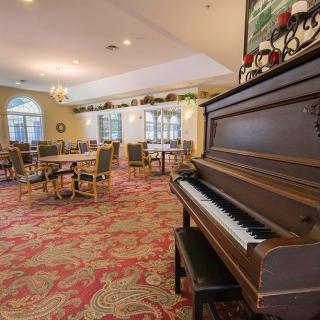
 Dining room
 Fully furnished
 Garden
 Housekeeping services
 Kitchenette
 Move-in coordination
 Outdoor space
 Telephone
 Wi-Fi/high-speed internet available
 24-hour call system
 Activities of daily living assistance
 Assistance with bathing
 Assistance with dressing
 Assistance with transfers
 Diabetes diet
 Meal preparation and service
 Medication management
 Mental wellness program
 Special dietary restrictions
 Transportation arrangement (medical)
 Transportation to doctors appointments

 Social Security Benefits and Assisted Living: Navigating Options Across the U.S.
 An Extensive Exploration of the VA Aid and Attendance Benefit
 Senior Transition Services: Understanding Their Role, Cost, and Importance