Toledo Retirement And Rehabilitation Center

Save
Toledo Retirement And Rehabilitation Center Toledo Retirement And Rehabilitation Center Toledo Retirement And Rehabilitation Center Toledo Retirement And Rehabilitation Center

Toledo Retirement And Rehabilitation Center

1009 North Obrie Street, Zwolle, LA 71486

For more information about senior living options: (844) 490-3973

3.5 from 6 reviews
5 stars
3
4 stars
1
3 stars
0
2 stars
0
1 stars
2

Skilled Nursing Facility

What level of care are you interested in?

Assisted Living

Memory Care

Independent Living

Skilled Nursing Facility

Continuing Care Retirement Community (CCRC)CCRC

Other


Request a tour at Toledo Retirement And Rehabilitation Center

    Overall Review of Toledo Retirement And Rehabilitation Center

    Pros

    • pro The father is doing well at the facility.
    • pro The uncle could talk, feed himself, and drive a car when he first arrived at the facility.
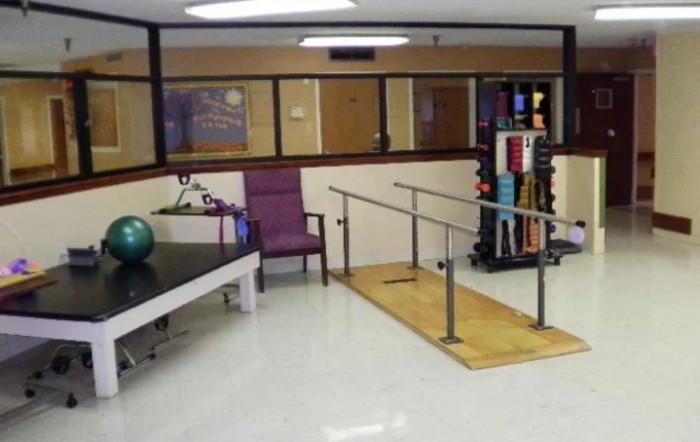
    • pro The facility provides physical, occupational, and speech therapy to residents.
    • pro The staff are personable and easy to talk to.
    • pro The facility is superior in every important area.

    Cons

    • pro The nursing staff neglected the uncle, leading to his decline and death within about three weeks.
    • pro A doctor allegedly performed a minor surgery without anesthesia or pain relief.
    • pro A surgery was scheduled without the power of attorney's consent.
    • pro The reviewer warns others not to send loved ones to this facility.
    • pro The nursing staff is described as inadequate, with aides and nurses of low quality.
    • pro The DON is described as not much better, and the facility has a reputation for lying to families.

    Review

    The accounts gathered from those connected to this facility present a striking divide in experiences, spanning from severe concerns about care to high praise for rehabilitation services. On one end, families recount harrowing lapses in safety, communication, and consent that they allege had lasting consequences for their loved ones. On the other end, others describe a facility that provides robust therapy options and a staff they find approachable and capable. Taken together, the stories paint a complex picture of a place where outcomes and impressions vary dramatically from one resident to the next.

    One of the most troubling strands centers on alleged neglect and rapid health decline after admission. A reviewer describes a family member who arrived at the facility with the ability to converse, feed himself, and even drive a car, only to be rescued later in a much different state. That account insists the person was no longer speaking after a short stay, with the nursing staff accused of neglecting him in every way during those weeks. The severity of the claims culminates in a belief that the care environment contributed to the decline, a claim that the reviewer states as a direct consequence of the facility's handling of his needs. The narrative leaves little room for ambiguity about the perceived gap between prior functioning and the state in which the loved one left the facility, and it casts the care team in a deeply negative light.

    Compounding the concern about care quality are allegations about medical procedures performed without appropriate safeguards. The reviewer recounts a minor surgical procedure performed without anesthesia or any attempt to numb the pain, a claim that, if accurate, would raise serious questions about patient safety and standards of care. In another alarming detail, the account asserts that a surgery was scheduled even though the power of attorney had not approved or signed any related paperwork. Together, these elements evoke a sense of medical decision-making that bypassed patient rights and the formalities meant to protect vulnerable residents. The combination of alleged neglect and questionable medical practices forms a narrative in which families feel the patient's dignity and safety were not adequately safeguarded.

    The distress in this same account extends to the ongoing relationships with staff and leadership. The reviewer describes the experience as emblematic of a broader pattern of poor care: the nursing staff allegedly delivering inadequate support, and the Director of Nursing (DON) not meeting expectations. The writer characterizes the staff pool as low in quality, choosing "the bottom of the barrel" for aides and nurses, and they cast doubt on the honesty of the facility's communications with families. The result, in this view, is a pervasive mistrust and a recommendation against the facility for anyone seeking standard or reliable care. The portrayal is stark, pointing to a systemic failure in staffing and governance that families interpret as a direct threat to residents' well-being.

    Against these deeply negative impressions, other reviewers offer a contrasting picture. A different voice in the same space describes the facility as superior in every important area, suggesting that the institution excels where it matters most for many residents. This account highlights comprehensive therapy options available on-site, including physical, occupational, and speech therapy, all positioned to work with residents as they progress. The writer emphasizes a staff culture that is personable and easy to communicate with, praising a team that combines warmth with expertise. The sentiment here is that the facility's professionals bring years of experience to bear for the residents' benefit and are quick to go above and beyond to meet needs and preferences.

    That positive perspective is reinforced by another comment that also emphasizes therapeutic offerings and accessibility. The reviewers describe a knowledgeable staff capable of guiding residents and families through the rehabilitation journey, with a level of attentiveness that makes them feel supported. The language used suggests a well-functioning ecosystem where therapists, aides, and clinical leaders collaborate to create meaningful progress for residents. In this view, the facility's strength lies in its rehabilitation framework and the assuring presence of a coordinated team.

    Taken together, these experiences underscore a broader reality in long-term care: places designed to support vulnerable adults can provoke a spectrum of outcomes, shaped by individual circumstances, staffing patterns, and governance. The handful of accounts of neglect and questionable medical decisions raise red flags about oversight, consent, and day-to-day care quality. Meanwhile, the praise for robust therapy programs, approachable staff, and experienced leadership points to a facility that can deliver positive, life-enhancing support for many residents. For families and guardians evaluating care options, the message is clear: gather multiple perspectives, verify licensing and care practices, and seek direct conversations with staff and administrators to understand how the facility operates on a day-to-day basis.

    If you're considering care for a loved one, these narratives suggest a careful, methodical approach. Look for consistent evidence of high-quality nursing care, transparent communication, and strict adherence to consent and advance directives. Seek tours and ask pointed questions about staffing ratios, the process for obtaining informed consent, pain management practices, and how emergencies are handled. Contact regulatory bodies or patient advocacy groups to check for any complaints or sanctions, and listen to both the positive and negative experiences shared by families who have real-world experience with the facility. In the end, choosing a care setting is about balancing expectations with verifiable practices - ensuring that dignity, safety, and appropriate medical oversight are central to the care plan.

    Features

    Housing

    • 80 resident community capacity 80 resident community capacity

    Types of Care

    • Skilled Nursing Facility Skilled Nursing FacilitySkilled Nursing Facilities are crucial for seniors as they provide round-the-clock medical care, rehabilitation services, and assistance with daily activities. These facilities ensure that seniors receive the specialized care they need to maintain their health and well-being as they age.

    Amenities

    • Air-conditioning Air-conditioningAir conditioning is important for seniors as they are more vulnerable to heat-related illnesses and may have underlying health conditions that make it difficult for them to regulate their body temperature. It helps to keep them comfortable, safe, and healthy in hot weather.
    • Beauty salon Beauty salonBeauty salons are important for seniors because they provide a space for them to feel pampered, socialize, and maintain their personal grooming and hygiene. Regular visits to a beauty salon can help boost seniors' self-esteem and overall well-being.
    • Cable or satellite TV Cable or satellite TVCable or satellite TV is important for seniors because it provides entertainment, news, and companionship, helping to combat loneliness and boredom. It also offers a wide range of programming options tailored to different interests and preferences.
    • Computer center Computer centerA computer center is essential for seniors as it provides access to technology, communication tools, and resources that can enhance their daily lives. It allows them to stay connected with loved ones, engage in online activities, and learn new skills, ultimately promoting socialization and mental stimulation.
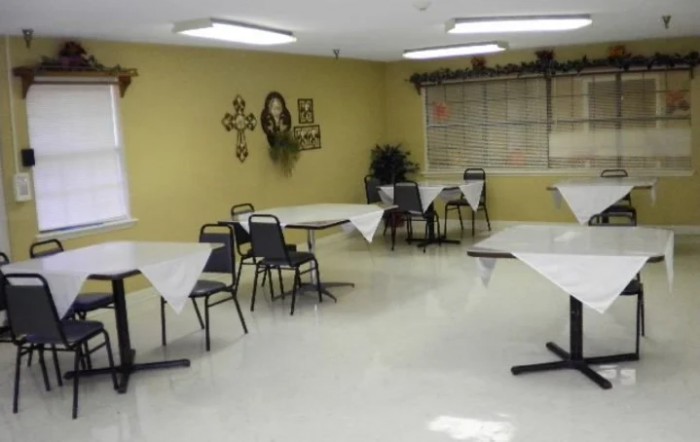
    • Dining room Dining roomDining rooms are important for seniors as they provide a space for socialization, connection, and nutritious meals. They offer opportunities for residents to bond over shared meals, foster a sense of community, and promote healthy eating habits. Dining rooms also ensure that seniors have access to well-balanced meals tailored to their dietary needs and preferences.
    • Fitness room Fitness roomHaving a fitness room in a senior living community is essential for seniors to stay active, maintain their physical health, and improve their overall well-being. Regular exercise can help prevent falls, reduce the risk of chronic diseases, and promote mental sharpness. It also provides social opportunities for residents to connect with others and enjoy a sense of community.
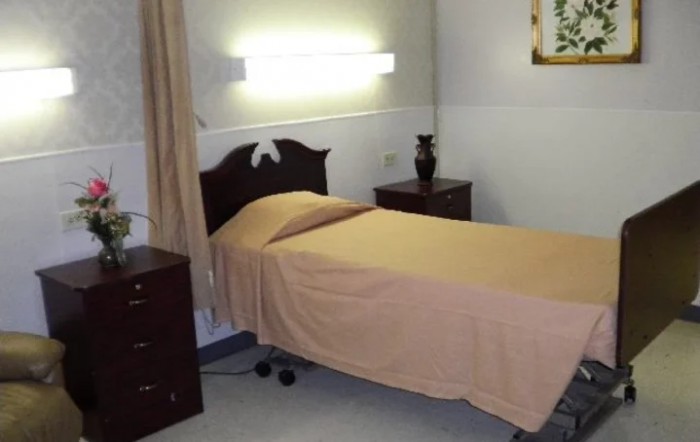
    • Fully furnished Fully furnishedFully furnished senior living communities are important for seniors because they provide convenience, comfort, and a hassle-free moving experience. Seniors can easily settle into their new living space without the stress of having to buy and move furniture. This allows them to focus on enjoying their new home and community.
    • Gaming room Gaming roomGaming rooms are important for seniors as they provide a fun and engaging environment for socializing, cognitive stimulation, and physical activity. Games can improve memory, problem-solving skills, and overall mental well-being while fostering friendships and reducing feelings of isolation.
    • Garden GardenGardens are important for seniors as they provide a peaceful and therapeutic environment for relaxation, physical activity, and socialization. Being in nature has been shown to reduce stress, improve mood, and promote overall well-being. Gardens also offer opportunities for seniors to engage in gardening activities, which can improve mobility, flexibility, and cognitive function. Additionally, gardens create a sense of community and connection with others who share a passion for plants and outdoor spaces.
    • Housekeeping services Housekeeping servicesHousekeeping services are important for seniors because they help maintain a clean and safe living environment, promote independence, and reduce the risk of accidents or illnesses. Additionally, having assistance with household chores can alleviate physical strain and allow seniors to focus on other aspects of their well-being.
    • Kitchenette KitchenetteKitchenettes are important for seniors living in senior living communities because they provide the convenience and independence of being able to prepare simple meals and snacks in the comfort of their own living space. This can help promote a sense of autonomy and well-being for seniors, allowing them to maintain some level of control over their dietary choices and daily routines.
    • Move-in coordination Move-in coordinationMove-in coordination is important for seniors because it helps ease the transition into their new living environment. It ensures that all logistics, such as packing, organizing movers, and setting up utilities are taken care of, allowing seniors to focus on settling in and adjusting to their new home. Having a smooth move-in process can alleviate stress and anxiety, making the transition smoother and more enjoyable for seniors.
    • Outdoor space Outdoor spaceOutdoor spaces are important for seniors as they provide opportunities for physical activity, social interaction, exposure to natural light and fresh air, and a sense of connection to nature. Having access to outdoor spaces can improve overall well-being and quality of life for older adults living in senior communities.
    • Private bathrooms Private bathroomsPrivate bathrooms are important for seniors in senior living communities because they provide independence, dignity, and comfort. Having a private bathroom allows seniors to maintain their personal hygiene routines without the need for assistance, promoting a sense of autonomy and privacy. Additionally, private bathrooms help prevent the spread of infections and provide a safe and clean environment for seniors to navigate safely.
    • Restaurant-style dining Restaurant-style diningRestaurant-style dining is important for seniors because it allows them to enjoy delicious, nutritious meals in a social and upscale setting. This enhances their dining experience, promotes healthy eating habits, and fosters socialization with fellow residents, ultimately contributing to their overall well-being and quality of life.
    • Small library Small librarySmall libraries are important for seniors as they provide access to a variety of reading materials, including books, newspapers, and magazines. This can help stimulate their minds, keep them engaged, and provide a sense of community through book clubs and other social activities. Additionally, reading has been shown to improve cognitive function and overall mental well-being in older adults.
    • Telephone TelephoneTelephones are important for seniors as they provide a lifeline for communication with loved ones, emergency services, and healthcare providers. They offer a sense of security and independence, enabling seniors to stay connected and access assistance when needed.
    • Wellness center Wellness centerWellness centers are important for seniors because they offer a variety of programs and services that promote physical, mental, and emotional well-being. These centers provide opportunities for exercise, socialization, education, and relaxation, helping seniors maintain their overall health and quality of life.
    • Wi-Fi/high-speed internet available Wi-Fi/high-speed internet availableWi-Fi/high-speed internet is important for seniors to stay connected with loved ones, access online resources, and participate in virtual activities to combat feelings of loneliness and isolation. It also allows them to easily manage healthcare needs, access entertainment, and engage in lifelong learning opportunities.

    Transportation

    • Community operated transportation Community operated transportationCommunity operated transportation is crucial for seniors as it provides them with the means to access essential services, social activities, and medical appointments. It allows seniors to maintain their independence and quality of life by ensuring they can participate in activities outside of their homes. Additionally, community-operated transportation services offer a safe and reliable way for seniors to travel without having to rely on family or friends for assistance.
    • Transportation arrangement Transportation arrangementTransportation arrangements are crucial for seniors as they may face challenges with driving, mobility, or access to public transportation. Having reliable transportation services ensures that seniors can easily attend appointments, social activities, and maintain their independence and quality of life.
    • Transportation arrangement (non-medical) Transportation arrangement (non-medical)Transportation arrangements are essential for seniors as they provide access to essential services, activities, and social interactions outside the home. This service helps maintain independence, mobility, and overall well-being for seniors who may have limited transportation options.
    • Transportation to doctors appointments Transportation to doctors appointmentsTransportation to doctors appointments is crucial for seniors as it ensures they have access to necessary medical care and support, promoting their health and well-being. It allows them to receive timely treatment, monitor existing conditions, and address any new health concerns efficiently. Additionally, transportation services can help seniors maintain their independence and quality of life by enabling them to stay connected with their healthcare providers.

    Care Services

    • 12-16 hour nursing 12-16 hour nursing12-16 hour nursing care is crucial for seniors in order to ensure around-the-clock monitoring, timely medication administration, and prompt response to any health concerns or emergencies. This level of care helps to promote the overall well-being and safety of seniors living in senior living communities.
    • 24-hour call system 24-hour call system24-hour call systems are important for seniors because they provide peace of mind and immediate assistance in case of emergencies. This technology ensures that help is always available, promoting safety and security for elderly individuals living alone or in assisted living facilities.
    • 24-hour supervision 24-hour supervision24-hour supervision is important for seniors to ensure their safety, well-being, and access to immediate assistance in case of emergencies or health issues. This constant support provides peace of mind for both seniors and their loved ones, allowing them to age in place with dignity and security.
    • Activities of daily living assistance Activities of daily living assistanceActivities of daily living assistance are important for seniors because they provide essential support with tasks such as eating, bathing, dressing, and mobility. This assistance helps seniors maintain their independence, dignity, and overall quality of life as they age.
    • Assistance with bathing Assistance with bathingAssistance with bathing is crucial for seniors as it helps maintain personal hygiene, prevents infections, and ensures their overall well-being and comfort. It also provides a sense of dignity and independence for seniors who may struggle with this task on their own.
    • Assistance with dressing Assistance with dressingAssistance with dressing is important for seniors because it helps maintain their independence, promotes personal hygiene, prevents accidents and injuries, and improves overall quality of life. This service ensures that seniors can continue to dress comfortably and confidently, despite any physical limitations they may have.
    • Assistance with transfers Assistance with transfersAssistance with transfers is crucial for seniors as it helps prevent falls and injuries, maintains their independence, and ensures they can safely navigate their living environment. It also provides peace of mind for both seniors and their loved ones.
    • Diabetes diet Diabetes dietA diabetes diet is crucial for seniors as it helps manage blood sugar levels, reduce risks of complications, and improve overall health and well-being. By following a balanced and nutritious diet tailored to their specific needs, seniors can better control their diabetes and enhance their quality of life.
    • Meal preparation and service Meal preparation and serviceMeal preparation and service are crucial for seniors as they may have limited mobility or energy to cook nutritious meals. Having access to healthy and convenient food options can ensure they are getting the proper nutrition needed to maintain their overall health and well-being.
    • Medication management Medication managementMedication management is crucial for seniors to ensure they are taking the right medications at the correct dosages and times. This helps prevent adverse drug interactions, reduces the risk of medication errors, and promotes overall health and well-being. Proactive management also allows for adjustments as needed based on changing health conditions or new prescriptions.
    • Mental wellness program Mental wellness programMental wellness programs are essential for seniors as they promote cognitive stimulation, emotional support, and social engagement. These programs help prevent isolation, depression, and cognitive decline, ultimately enhancing the overall quality of life for older adults.
    • Special dietary restrictions Special dietary restrictionsSpecial dietary restrictions are important for seniors because age-related changes in metabolism and health conditions can make it difficult for their bodies to process certain foods. By following a diet tailored to their specific needs, seniors can maintain their overall health and well-being, manage chronic conditions, and reduce the risk of complications such as malnutrition or food interactions with medications.

    Dining

    • Diabetes diet Diabetes dietA diabetes diet is crucial for seniors as it helps manage blood sugar levels, reduce risks of complications, and improve overall health and well-being. By following a balanced and nutritious diet tailored to their specific needs, seniors can better control their diabetes and enhance their quality of life.
    • Special dietary restrictions Special dietary restrictionsSpecial dietary restrictions are important for seniors because age-related changes in metabolism and health conditions can make it difficult for their bodies to process certain foods. By following a diet tailored to their specific needs, seniors can maintain their overall health and well-being, manage chronic conditions, and reduce the risk of complications such as malnutrition or food interactions with medications.

    Activities

    • Community-sponsored activities Community-sponsored activitiesCommunity-sponsored activities are important for seniors as they provide opportunities for social interaction, mental stimulation, and physical activity. These activities can help improve overall well-being, combat loneliness and isolation, and promote a sense of belonging and purpose among older adults.
    • Concierge services Concierge servicesConcierge services are essential for seniors as they provide assistance with daily tasks and errands, enhance their quality of life by offering convenience and personalized care, and promote a sense of safety and security.
    • Fitness programs Fitness programsFitness programs are crucial for seniors as they help improve strength, flexibility, balance, and overall well-being. Staying active can reduce the risk of chronic diseases, improve mental health, and enhance quality of life in older adults.
    • Planned day trips Planned day tripsPlanned day trips are important for seniors because they offer opportunities for socialization, mental stimulation, and physical activity. They provide a change of scenery and help seniors stay engaged and connected to their community, promoting overall well-being and quality of life.
    • Resident-run activities Resident-run activitiesResident-run activities are important for seniors as they encourage social interaction, creativity, and a sense of autonomy. These activities empower seniors to stay engaged and active in their community while fostering meaningful connections with their peers.
    • Scheduled daily activities Scheduled daily activitiesScheduled daily activities are important for seniors because they provide structure, socialization, mental stimulation, and physical activity. Engaging in regular activities can improve overall well-being and quality of life for seniors living in a community setting.

    Description

    Toledo Retirement and Rehabilitation Center in Zwolle, LA is a well-appointed assisted living community that offers a range of amenities and care services to support the needs and preferences of its residents. With a warm and inviting atmosphere, this community provides a comfortable and homelike environment for seniors looking for assistance with daily activities while maintaining their independence.

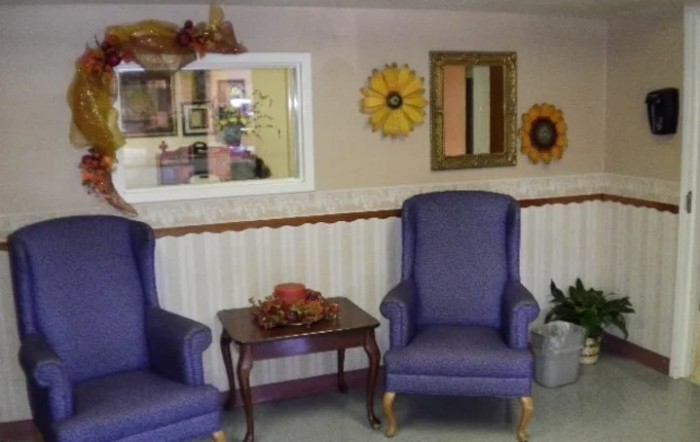
    Residents at Toledo Retirement and Rehabilitation Center can take advantage of various amenities designed to enhance their quality of life. They can visit the beauty salon to enjoy pampering services or relax in the gaming room or small library for leisurely activities. The fitness room and wellness center cater to those who wish to maintain an active lifestyle, while the outdoor spaces, including a garden, offer opportunities for fresh air and relaxation. In addition, high-speed internet access is available throughout the community.

    Mealtimes are an important aspect of community living, and Toledo Retirement and Rehabilitation Center ensures that residents are provided with delicious restaurant-style dining options. Special dietary restrictions can be accommodated, such as diabetic diets, ensuring that every resident's nutritional needs are met.

    Care services at Toledo Retirement and Rehabilitation Center are comprehensive and personalized. The dedicated staff is available around the clock through a 24-hour call system to provide supervision and assistance with activities of daily living. This includes help with bathing, dressing, transfers, medication management, meal preparation, and service. A mental wellness program is also offered to promote emotional wellbeing among residents.

    Toledo Retirement and Rehabilitation Center takes pride in keeping its residents engaged through various activities planned throughout the day. Fitness programs encourage physical activity, while planned day trips provide opportunities for exploration beyond the community's grounds. Resident-run activities allow individuals to share their skills or hobbies with others, fostering a sense of camaraderie.

    This assisted living community also considers convenience as a priority by offering transportation arrangements for non-medical purposes such as grocery shopping or social outings. Furthermore, nearby restaurants offer additional dining options when residents wish to explore the local culinary scene. This community is located close to transportation options and places of worship, ensuring easy access to essential services and spiritual support.

    Overall, Toledo Retirement and Rehabilitation Center in Zwolle, LA creates an inclusive and comfortable environment where seniors can thrive with a range of amenities, care services, and engaging activities tailored to their needs.

    Nearby Places of Interest

    Transportation

    • U-Haul (0.1 miles)
    • U-Haul Neighborhood Dealer (2.8 miles)
    • U-Haul Neighborhood Dealer (14.4 miles)

    Places of Worship

    • Memorial Baptist Church (0.3 miles)
    • Tabernacle of Love (0.7 miles)
    • Mt Calvary Baptist Church (1 miles)
    • First United Methodist Church (1.1 miles)
    • Southern Baptist Convention (1.1 miles)
    • Haskins Chapel United Methodist Church (1.1 miles)
    • St Joseph Parish Hall (1.2 miles)

    Restaurants

    • L & W Tamale House (0.9 miles)
    • Burger House (1.2 miles)
    • E B's Tamale Co. (1.3 miles)
    • Mark Henry's Restaurant Properties (11.8 miles)
    • Pizza Hut (12 miles)
    • Cook's Crawfish Hole (12.4 miles)
    • Bryce's Landing Restaurant (15.5 miles)

    Parks

    • Girlfriends Rv Park (8.9 miles)

    Physicians

    • Lakeside Family Medicine (10.8 miles)
    • Chet Gregory MD (11 miles)
    • Michael Reish MD (11 miles)

    Pharmacies

    • Walgreens (10.8 miles)

    Cafes

    • Sabean's Coffee & Creamery (24.4 miles)

    Frequently Asked Questions

    Where is Toledo Retirement And Rehabilitation Center?
    What photos are available for Toledo Retirement And Rehabilitation Center in Zwolle, Louisiana?

    Nearby Communities

    Related Resources

    • senior move managementSenior Move Management: Understanding the Role, Value, and Associated Costs

      Senior move management provides specialized support for older adults relocating by assisting with logistics, emotional challenges, and downsizing decisions to ensure a smooth transition to new living environments. These services address the unique needs of seniors and have become increasingly important as baby boomers retire and seek to downsize.

    • weight training for seniorsWeight Training for Seniors: Building Strength and Vitality

      Weight training is vital for seniors to maintain muscle mass, bone density, and overall health, combating age-related declines through customized resistance exercises that enhance balance and well-being. Safe routines should start with realistic goals and proper form, while emphasizing gradual progress and consultations with healthcare providers to ensure safety and effectiveness.

    • what does the sandwich generation meanUnderstanding the Sandwich Generation: Stress and Responsibilities for Multigenerational Caregivers


      The Sandwich Generation comprises adults managing the dual responsibilities of caring for aging parents and raising children, leading to significant emotional, logistical, and financial challenges. This situation is exacerbated by longer life expectancies and cultural expectations, necessitating effective coping strategies and support resources to alleviate caregiver stress and burnout.


    Get Pricing Ask A Question Schedule A Tour Contact Senior Advisor