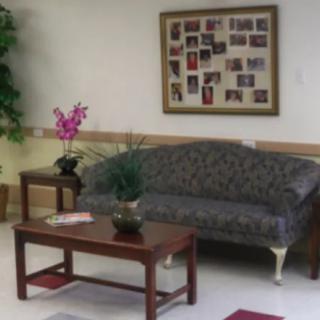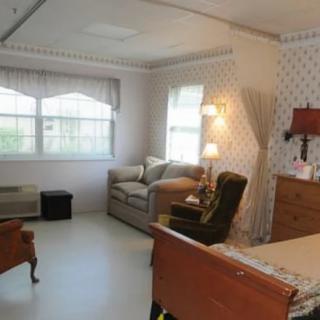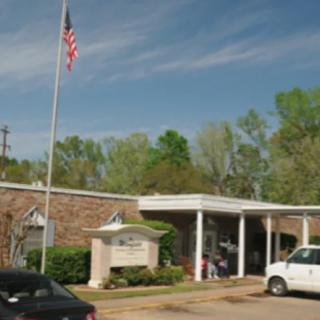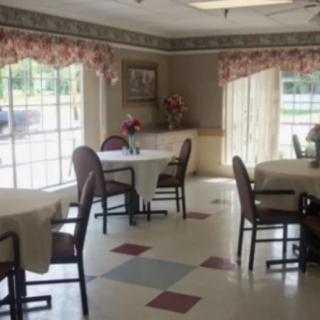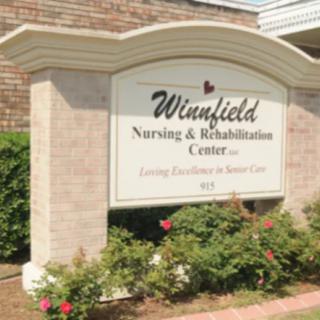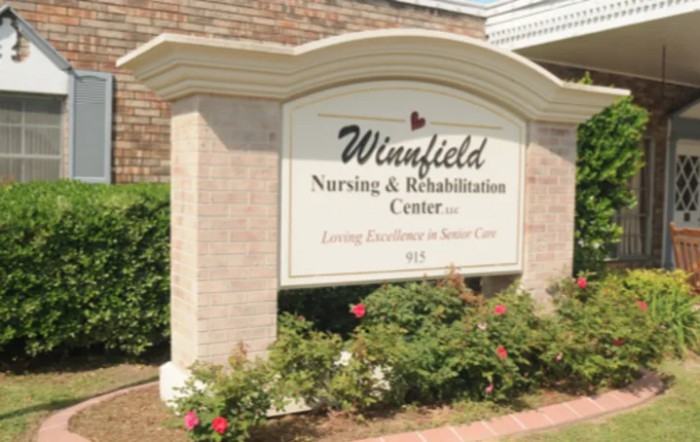
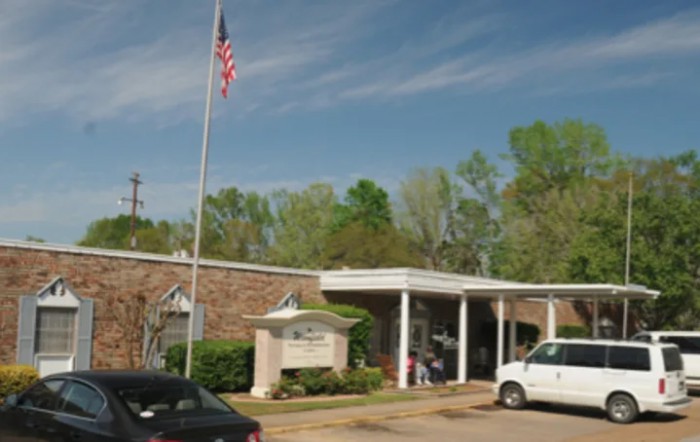
915 1St Street, Winnfield, LA 71483
For more information about senior living options: (866) 208-4318
Overall Review of Winnfield Nursing And Rehabilitation Center
Pros
 The facility feels like family.
- Therapy was wonderful, and the staff are great people.
- Winnfield cares for residents and goes above and beyond to meet special needs.
- Grandfather is well taken care of there.
- The administrator is always attentive to residents' needs.
- The facility has made improvements and hires people who genuinely care.
- Grandfather enjoys the activities and loves the food.
- The staff work together to keep residents happy and well cared for.
Cons
 The facility is horrible.
- The staff neglected the reviewer’s mother, failing to feed or care for her.
- The mother became dehydrated due to neglect.
- The Director of Nurses lied about the mother's care.
- The place is very dirty.
- If a loved one is placed there, they may end up in the hospital or dying.
Review
Winnfield Nursing and Rehabilitation Center is best suited for families that prize a community with a hands-on, family-like atmosphere where therapy is a clear strength, administrators are visible and responsive, and residents stay actively engaged in daily life. The strongest case for this facility rests on tangible, people-focused advantages: therapy programs described as wonderful, staff across departments who work together to support residents, and an administration that tends to personal concerns, even after hours. When a loved one thrives on daily activity, meaningful interaction, and a sense of connectedness with caregivers, Winnfield can feel like a reassuring home base in a small town setting.
That said, this community also warrants careful consideration of its potential drawbacks. Some families may want to look elsewhere if reliable oversight and unimpeded visitation are non-negotiable. Several reviews raise red flags about neglect and poor basic care, including dehydration, inadequate feeding or hygiene, and dirty conditions, with one account alleging a failure to follow up despite promises. Another family paints a picture of unfriendly or obstructive communication and restricted access to a loved one. These points suggest that consistency in care and transparency of operations can vary, and that any decision here should hinge on how rigorously the facility can guarantee safety, cleanliness, and open family engagement.
The positives do offset the concerns only to the extent that the facility can maintain its strengths while sealing the gaps. When the staff is described as caring and cohesive, and when administration demonstrates attentiveness and accountability, residents experience better daily life, more reliable therapy outcomes, and more frequent demonstrations of genuine concern from leadership. The improvements noted by families, new administration’s focus on keeping the place in check, ongoing activity programming, and a reputation for good food and busy residents, signal that Winnfield can deliver a solid care experience for those who value a warm, participatory environment.
Yet the sharper, more alarming feedback cannot be dismissed. Allegations of neglect, dehydration, and dirty conditions, coupled with reports of restricted family access, highlight real risk factors that could undermine any otherwise positive aspects. The contrast between “great staff and activities” and “care failures that landed a loved one in the hospital” is not a nuance but a wake-up call. Families must weigh the likelihood of recurring quality issues against the facility’s capacity to address them swiftly and transparently. In practical terms, the decision hinges on whether strong local leadership and consistent day-to-day performance can be verified during a tour and through conversations with current residents and staff.
For families leaning toward Winnfield, a pragmatic decision framework is essential. Prioritize a thorough on-site assessment: meet the administrator and nursing leadership, request to observe a shift handoff, and ask about nurse-to-resident ratios and incident-tracking processes. Seek candid responses about how care plans are implemented, how staff are trained, and how quickly concerns are escalated and resolved. Verify cleanliness with a walk-through of rooms, bathrooms, and common areas, and probe the facility’s visitation policies to ensure genuine access for family members. If these elements align with a strong, proactive culture, the positives can translate into reliable daily life and ongoing therapeutic benefit.
Ultimately, Winnfield should be viewed as a viable option for families who can tolerate some risk in exchange for a high-touch, community-focused experience. It is less suitable for those who require unwavering consistency, total transparency, and open, unfettered family contact. A steady, hands-on administration coupled with robust therapy and active resident engagement can deliver meaningful quality of life, but only if the facility commits to eliminating gaps in basic care and visitor access. The prudent path is to arrange multiple visits, solicit recent resident and family references, and insist on concrete assurances around safety, cleanliness, and responsive leadership before making a placement decision. If those assurances are met, Winnfield can offer a compassionate, engaged environment that supports both recovery and everyday well-being.
 124 resident community capacity
 Skilled Nursing Facility
 Air-conditioning
 Beauty salon
 Cable or satellite TV
 Computer center
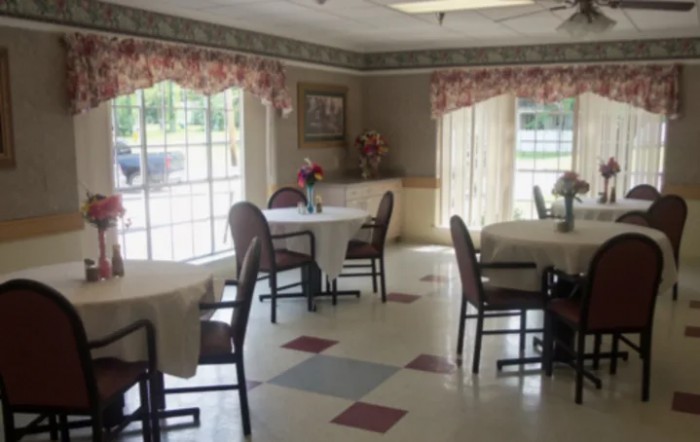
 Dining room
 Fitness room
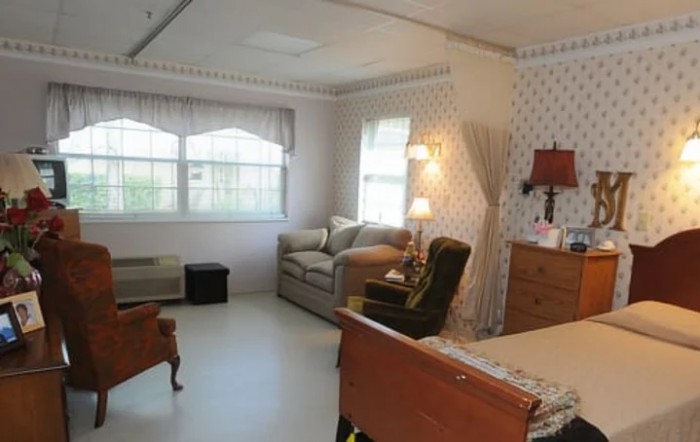
 Fully furnished
 Gaming room
 Garden
 Housekeeping services
 Kitchenette
 Move-in coordination
 Outdoor space
 Private bathrooms
 Restaurant-style dining
 Small library
 Telephone
 Wellness center
 Wi-Fi/high-speed internet available
 Community operated transportation
 12-16 hour nursing
 24-hour call system
 Activities of daily living assistance
 Assistance with bathing
 Assistance with dressing
 Assistance with transfers
 Diabetes diet
 Medication management
 Mental wellness program
 Special dietary restrictions
 Concierge services
 Planned day trips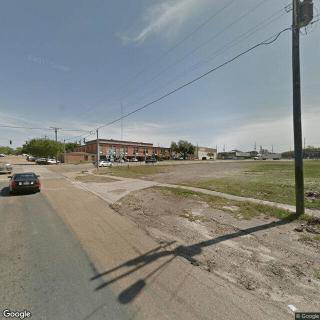



 Nurturing Our Elders: Linda's Journey of Supporting Her Mother
 A Comprehensive Exploration of Common Misunderstandings about Powers of Attorney
 Senior Move Management: Understanding the Role, Value, and Associated Costs