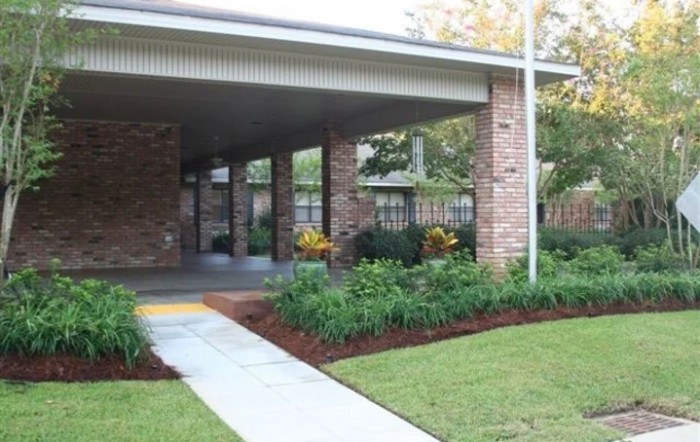




336 Edgewood Drive, Pineville, LA 71360
For more information about senior living options: (866) 208-4318
Hilltop Nursing & Rehabilitation Center Costs & Pricing
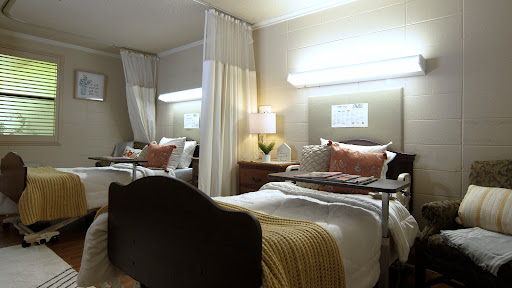
Hilltop Nursing & Rehabilitation Center offers competitive pricing for its services compared to the broader market in Rapides Parish and the state of Louisiana. For a semi-private room, residents can expect to pay $2,410 per month, which is significantly lower than both the parish average of $3,102 and the state average of $3,598. Similarly, private room rates at Hilltop are set at $2,892 - again more affordable than Rapides Parish's average of $3,204 and Louisiana's higher average of $4,521. The studio option at Hilltop is priced at $3,133, which slightly exceeds the parish's rate but remains below the state level. However, it's noteworthy that the 2-bedroom accommodation is priced considerably higher at $8,900 per month compared to both local ($5,888) and state averages ($3,878). Overall, Hilltop presents a range of pricing that reflects its commitment to providing quality care while remaining mindful of affordability in comparison to regional options.
| Floor plans | Hilltop Nursing & Rehabilitation Center | Rapides Parish | Louisiana |
|---|---|---|---|
| Semi-Private | $2,410 | $3,102 | $3,598 |
| Private | $2,892 | $3,204 | $4,521 |
| Studio | $3,133 | $2,769 | $3,235 |
| 2 Bedrooms | $8,900 | $5,888 | $3,878 |
Skilled Nursing Facilities with a similar price nearby
-
from +$315 / mo
The Summit
$2,725 to $4,855 / month5.3 miles away -
from -$465 / mo
Marigold Place
$1,945 to $5,563 / month7.2 miles away
Overall Review of Hilltop Nursing & Rehabilitation Center
Pros
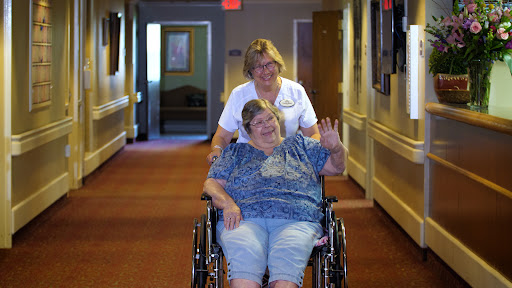
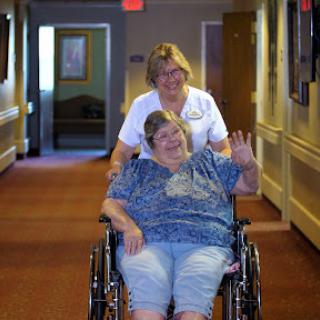
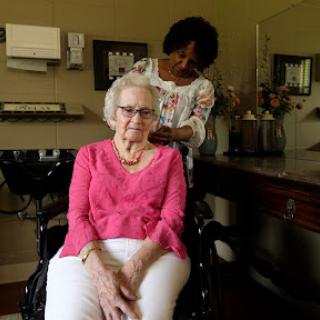
 Hilltop Nursing & Rehabilitation Center takes good care of residents, including meals and bathing.
 - The CNAs come in to accompany residents and assist with eating.
- They attend to residents medically and monitor their health needs.
- The staff walk families through the admissions process, including Medicaid qualification.
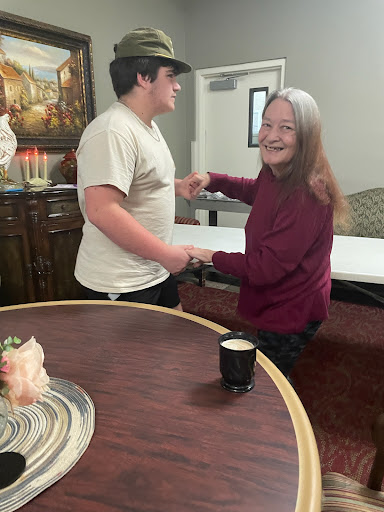
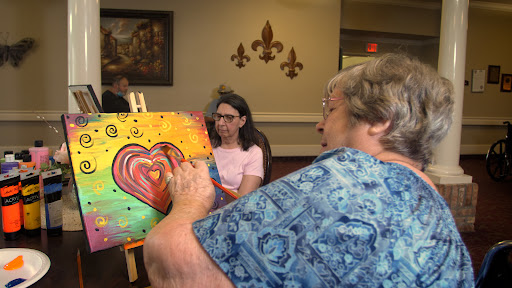
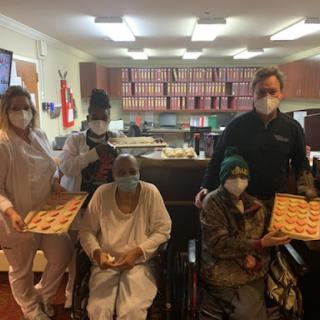
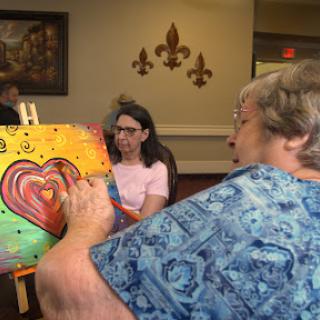
- There are group sessions with games and light dancing for residents.
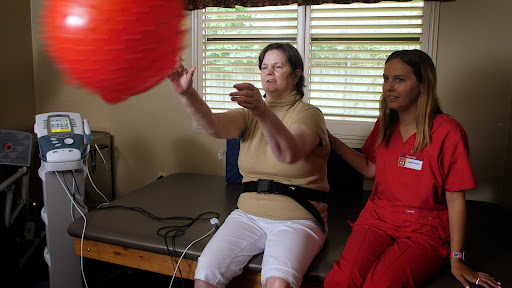
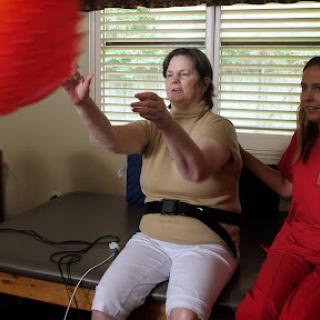
- The home staff are professional and caring, and the rehab team works hard to get patients back on their feet.
- Reviewers say Hilltop is awesome and would highly recommend it.
- One reviewer notes that residents enjoy social opportunities and music visits.
Cons
 They say that during Covid they could not physically visit, and the patient was wheeled to a window, leaving her bloody and filthy.
 - They describe the staff as extremely rude when asked to hold the patient’s belongings and note it wasn’t their responsibility.
- They call dealing with the facility a nightmare from the beginning.
- They state the place treats the elderly with disrespect and even hope it goes out of business.
- They say the staff are not trained to redirect or interact with Alzheimer's patients, leading to wandering and safety concerns.
- They note the food isn’t appetizing and there is little for residents to do beyond a small Bingo session.
- They mention belongings were left outside the building and could be stolen, reflecting poor handling of items.
Review
Hilltop Nursing & Rehabilitation Center in Pineville is best suited for families seeking a socially engaged, rehab-forward environment where residents can participate in regular activities and receive attentive bedside care. The center shines for residents who thrive on structured social programming, group games, music, dancing, and opportunities to socialize with peers. Staff members, particularly CNAs and nurses, are repeatedly described as caring and involved, and families frequently note that residents appear content and engaged with the programming and with the people who come to entertain or assist. The availability of Medicaid-related assistance and help navigating admission and qualification processes also makes Hilltop a practical option for families balancing care needs with budget considerations.
That said, there are clear reasons some families should consider alternatives. The most consistent caveat across reviews is variability in day-to-day consistency of care and communication. Some families report calm, responsive staff who address questions and needs promptly; others describe difficult interactions, difficulty finding someone to answer questions, or a sense that care improves only after escalation. Safety concerns surface in particular when memory care needs are present: a few reviews flag that staff may struggle with redirecting Alzheimer’s patients, leading to wandering or confusion and, in at least one case, a problematic incident around supervision. For families prioritizing a rigorous dementia-focused program, or seeking a facility with uniformly predictable staff responses, Hilltop may not meet the mark without careful on-site verification and ongoing oversight.
The positive threads, strong social programming, assistance with meals and daily activities, and a rehab-focused mindset, do offset some of the drawbacks when viewed in the right light. Several residents’ families praise the way staff walk them through the process of obtaining care, securing Medicaid eligibility, and coordinating medical and rehab needs. Group sessions, light entertainment, and opportunities for movement offer tangible benefits for residents who respond well to routine, companionship, and structured activities. On the dining side, reports are mixed but generally favorable about meals and nourishment in several accounts, suggesting that nutrition is a reliable, if not perfectly uniform, area across shifts and days. Taken together, these elements show Hilltop can deliver meaningful quality of life improvements for many residents, especially those who value social engagement and accessible medical support.
Yet the con list cannot be dismissed. Several reviews describe inconsistent housekeeping and occasions when a resident appeared unclean or unwell, raising questions about routine attention to personal care and hygiene. A few families recount disagreements or frustrations with administrative responsiveness or care plan transparency, underscoring the need for proactive, regular family involvement. One especially troubling account describes a situation where a resident’s belongings and discharge logistics were mishandled posthumously, illustrating how fragile processes around transition or end-of-life moments can feel when communication and accountability aren’t airtight. Another recurring thread is the variability in the activity lineup, while some residents enjoy music and dancing, others describe days with limited options beyond bingo, which may not satisfy more active or diverse interests. These elements matter because even a strong clinical staff can be overshadowed by inconsistent daily life and unclear accountability.
In weighing the decision, families should approach Hilltop with a practical, discovery-driven plan. An on-site tour should be scheduled with a focus on observing real-time staff-resident interactions, noting how caregivers respond to questions, and evaluating whether residents appear clean, comfortable, and engaged during a typical shift. Ask to see current care plans for memory care residents and request recent incident or safety reports to gauge how potential wandering or behavior management is handled. Inspect the dining area and daily activity schedule to determine whether meals align with resident preferences and whether there are meaningful options beyond occasional bingo. Finally, verify the process for Medicaid qualification, transition support, and how staff communicate with families, especially when concerns arise or when a resident’s condition changes.
In sum, Hilltop offers a credible, care-oriented option for families prioritizing social vitality, accessible rehab, and practical Medicaid navigation, with a track record of caring staff and resident engagement. However, the center’s strengths are tempered by uneven daily operations, safety and dementia-care gaps, and reports of inconsistent responsiveness. For families where constant, predictable oversight, pristine cleanliness, and robust dementia-specific safeguards are non-negotiable, it is prudent to explore alternatives and conduct a thorough, firsthand assessment before committing. When Hilltop aligns with a resident’s personality, care needs, and a family’s ability to stay actively involved, it can be a solid home that supports recovery, companionship, and day-to-day well-being.
 130 resident community capacity
 Skilled Nursing Facility
 Air-conditioning
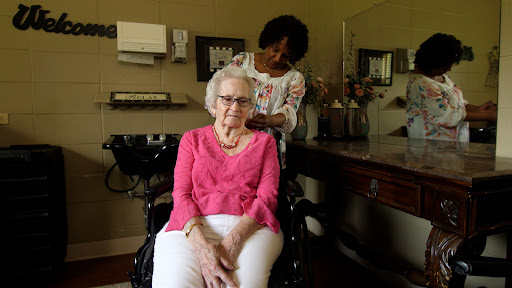
 Beauty salon
 Cable or satellite TV
 Computer center
 Dining room
 Fitness room
 Fully furnished
 Gaming room
 Garden
 Housekeeping services
 Kitchenette
 Move-in coordination
 Outdoor space
 Private bathrooms
 Restaurant-style dining
 Small library
 Telephone
 Wellness center
 Wi-Fi/high-speed internet available
 Alexandria International (9 miles away)
 Community operated transportation
 12-16 hour nursing
 24-hour call system
 Activities of daily living assistance
 Assistance with bathing
 Assistance with dressing
 Assistance with transfers
 Diabetes diet
 Medication management
 Mental wellness program
 Special dietary restrictions
 Concierge services
 Planned day trips



 Caring for Those Who Care: Recognizing, Understanding, and Overcoming Caregiver Burnout
 Caregiver Exhaustion: Recognizing the Signs and Restoring Your Well-Being
 Understanding Hospice Care at Home: Comprehensive Services, Key Benefits, and Eligibility