
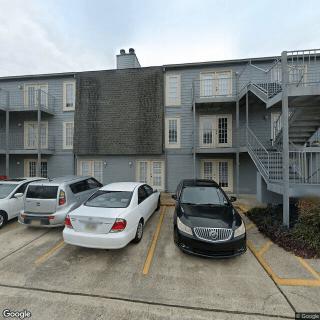
6900 Chef Menteur Hwy, New Orleans, LA 70126
To contact a resident: (504) 246-1100
For more information about senior living options: (866) 208-4318
Overall Review of Lafon Nursing Facility
Pros
 The staff and attendants are gracious and seem to enjoy assisting all the residents.
- The aunt is extremely well cared for.
- The place is recommended.
- The staff is wonderful.
- The facility is always clean and spotless.
- There are lots of activities for the residents.
- The facility is clean, fresh smelling, and fully staffed with courteous, helpful, and smiling people.
Cons
 They lost my mom's dentures and have repeatedly misplaced clothes and shoes.
- Accidents are always described as not being serious.
- They leave people in hallways all day and night.
- Their staff is unprofessional.
- The nurses are rude and lazy.
- The facility is outdated.
Review
Lafon Nursing Facility in New Orleans is best suited for families that value a warm, person-oriented staff and a clean, active environment where residents can stay engaged through daily activities. This community tends to work for those who want reliable daily care from attendants who are described as gracious and helpful, with an emphasis on maintaining cleanliness and a pleasant atmosphere. It can be a good fit for residents who respond well to routine and social programming, and for families that can stay engaged with caregivers to supervise care and advocate on behalf of their loved one.
Conversely, anyone seeking impeccable, fail-safe medical oversight and transparent, consistently responsive communication should consider alternatives. Several reviews flag significant gaps in accountability and follow-through: items such as dentures and clothes going missing, and situations where injuries were described as “not serious” despite evident harm. Complaints about rude or lazy staff and reports of unprofessional behavior further underscore the risk of inconsistent care. Residents left in hallways and an overall perception of an outdated facility raise red flags for families prioritizing safety, immediacy of response, and up-to-date infrastructure.
The strongest positives center on the human side of care. Multiple accounts highlight courteous, attentive staff who appear genuinely invested in residents’ well-being, and a facility that is consistently clean and fresh-smelling. The presence of ample activities and a sense of community can help residents feel connected and occupied, which matters in long-term care. When these elements align, they create a livable, dignified living environment where residents are treated with consideration and respect, and where daily life remains meaningful rather than monotonous.
Yet the negative notes cannot be dismissed. Communication gaps recur, and when problems arise, whether care plans, incident follow-ups, or item misplacement, families hear mixed messages about severity and urgency. The characterization of certain injuries as minor, coupled with claims of mismanagement or indifference, suggests risk areas that require aggressive family oversight and a proactive care plan. An outdated physical plant compounds these concerns, hinting at possible frustrations with equipment, accessibility, or modern safety standards. In short, the cons threaten to undermine the benefits unless countermeasures are consistently applied.
How these elements interact matters for decision-making. The prosaic strengths, cleanliness, staff warmth, routine, and activity options, do offset some daily life frictions when families can stay actively involved and insist on clear, written care plans. However, the more serious complaints about treatment authenticity, responsiveness, and accountability do not easily neutralize with good vibes or a pleasing atmosphere. For families weighing options, Lafon offers a hospitable, workable environment for many residents, but only if there is rigorous, ongoing oversight, a dependable care protocol, and transparent communication reinforced by strong administrative accountability.
For families considering Lafon, the recommended path is purposeful due diligence before committing. Visit at different times, speak with front-line staff and the charge nurse, and request a detailed, written plan of care that outlines response times, rehab protocols, and how interruptions to items or incidents are resolved. Probe how staff are trained to handle emergencies and how management tracks and addresses concerns. If these assurances cannot be demonstrated consistently, or if the facility’s age and systemic issues persist, it is prudent to compare with alternatives that offer tighter oversight, more modern facilities, and a proven track record of rapid issue resolution, whether other local nursing facilities or enhanced home-based care options. This approach protects families, respects loved ones’ dignity, and avoids the sunk-cost trap of staying with a setup that may only meet basic expectations at best.
 Skilled Nursing Facility
 New Orleans International (15 miles away)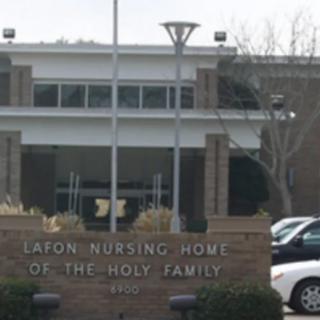



 Comprehensive Insights and Practical Strategies to Help Older Adults Avoid Falls
 6 Crucial Ways an Elder Law Attorney Assists Families
 Navigating the Tax Landscape of Caregiving: Credits, Deductions, and Beyond