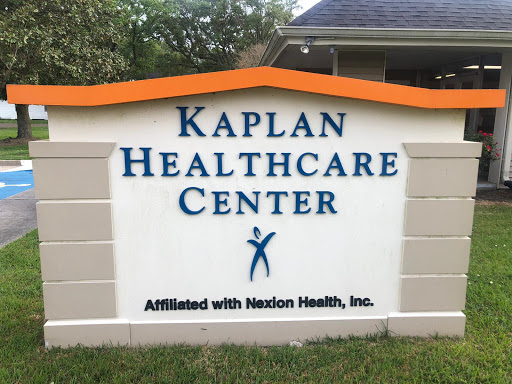

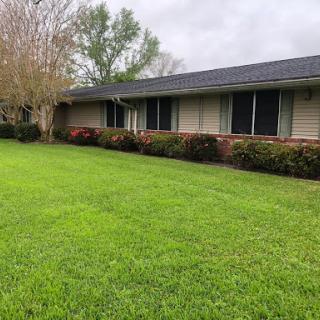

1300 West Eighth Street, Kaplan, LA 70548
For more information about senior living options: (866) 208-4318
Overall Review of Kaplan Healthcare Center
Pros
 The staff are very nice.
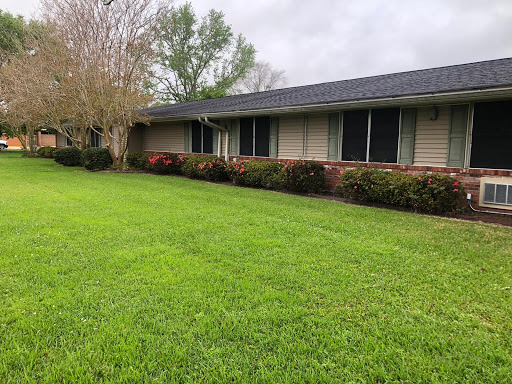
- The facility is very clean.
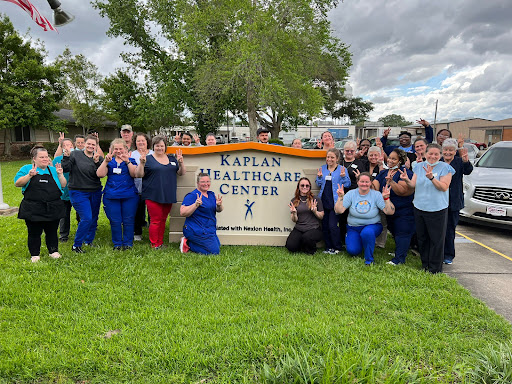
- The staff make residents feel at home, surrounded by friends and family.
- The facility is great and staffed with nice people.
- The care is great, and the activities are enjoyable.
- Residents are treated fairly and with respect, and many would recommend staying there.
- The staff are welcoming and accommodating.
- Amanda was helpful and made the visit pleasant.
- The staff and doctors are cooperative, helpful, and kind, including Dr. Harsh and Dr. Abha Chugh.
- The Catholic facility offers Mass on Wednesdays, and residents are happy and satisfied.
Cons
 The administrator doesn’t care about patients, and the social worker Amy is horrible, making the facility feel lonely and causing residents to decline and become depressed.
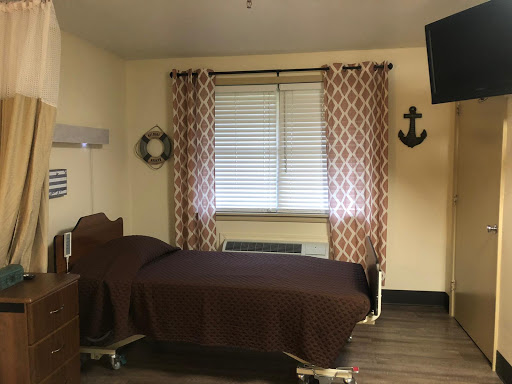
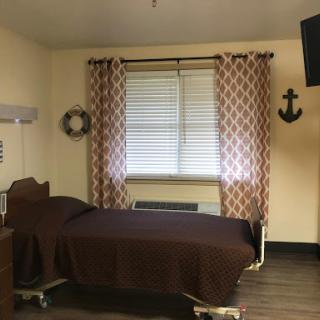
 - The beds are way too small and uncomfortable, the food is only okay, and there are bars on the bed; they hate it there.
- The administrator has the nastiest attitude and the care is not great, with no concern shown for patients as she sits in her office all day and never interacts with residents.
- The facility is described as lonely and boring, with patients feeling unsupported and isolated.
- There are claims that patients are evicted and sent hours away when the facility no longer wants to deal with them.
Review
Kaplan Healthcare Center is best suited for seniors who prize a warm, home-like atmosphere where staff warmth and daily connectivity are the core experience. This community excels for residents who want to feel surrounded by friends and family, where nurses, aides, cooks, and support staff consistently project a welcoming, approachable vibe. A strong cultural thread is the sense of belonging: people comment on feeling “at home,” with casual, everyday interactions that cultivate companionship, familiarity, and a lived-in, caring culture. The presence of Catholic services on Wednesdays and other faith-friendly touches also makes it a solid fit for residents who value spiritual continuity as part of daily life.
Those who may want to consider alternatives are the ones who need iron-clad administrative reliability and highly proactive care oversight. A small but vocal segment of reviews flags concerns about leadership and its impact on resident experience. Critics describe administrators as disengaged or brusque and talk about a social worker whom they view as unhelpful. In several accounts, families worry about how decisions are communicated, how quickly issues are addressed, and what happens if a resident’s condition changes or care needs spike. For families prioritizing consistently responsive governance, or for residents who fear potential isolation if staff attention shifts, a different option may be preferable.
The strongest pros here, staff kindness, a genuinely homelike environment, cleanliness, and solid day-to-day care, are not incidental; they actively offset some of the more difficult concerns. Multiple residents praise the way care feels personal, with frontline caregivers who are seen as approachable and dependable. The clean, well-kept atmosphere reinforces safety and comfort, while the robust social calendar and accessible activities keep daily life lively rather than stagnant. These advantages tend to blunt the sting of occasional administrative friction by maintaining a steady, human-centered experience where residents feel valued and seen.
Care quality emerges consistently as a practical strength. Descriptions of daily nursing and support work emphasize attentiveness, fairness, and respect. Families highlight how staff members create a sense of stability, someone always seems to know the resident’s preferences, routines, and needs. The overall tone from residents is that care is reliable and personable, not clinical or impersonal; this matters greatly for people who prioritize dignity and emotional well-being alongside physical support. The combination of attentive caregivers and a culture that treats residents like family translates into meaningful daily comfort, predictable routines, and a recognizable sense of belonging.
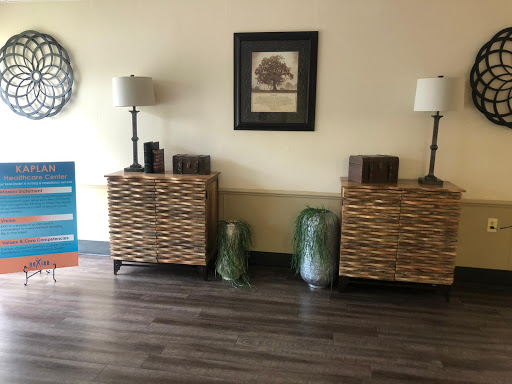
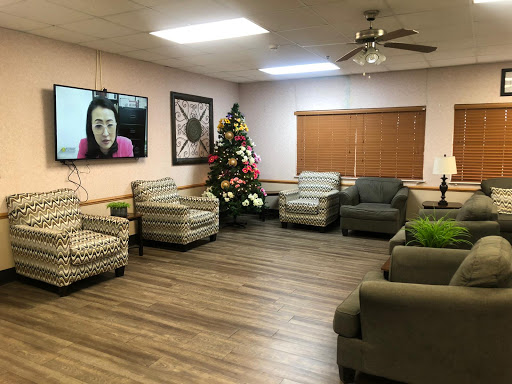
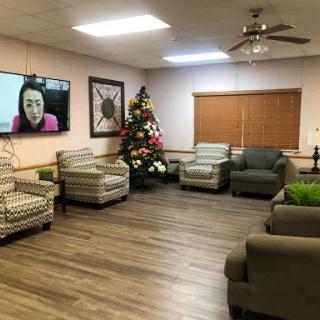
Environment and community life further shape Kaplan’s value proposition. The facility’s cleanliness pairs with a welcoming, talkative social scene where friendships form quickly and holiday decorations brighten rooms, reinforcing a feeling of home rather than a hospital. The faith-based element provides a familiar rhythm for many, offering regular Mass and spiritual support that can anchor daily routines. This environment supports social engagement, reduces loneliness, and helps residents keep a sense of identity and purpose, crucial factors for sustained satisfaction in assisted living.
The bottom line for families weighing Kaplan is clear: the setting delivers warmth, companionship, and dependable daily care in a home-like package, with an atmosphere that many residents actively prefer. However, the mix of feedback about leadership and the occasional perception of administrative distance cannot be ignored. If a family’s decision hinges on consistently proactive administration, or if there is concern that resident engagement could wane in moments of heightened need, it is prudent to schedule a deliberate tour focused on meeting the administrator and the social worker, observe how staff interactions unfold in common spaces, and probe how care plans evolve when conditions shift. It is also wise to tour with questions about room size and furnishings, since at least one reviewer noted bed comfort as a downside, and to confirm available options that align with mobility or preference for more spacious accommodations.
In practical terms, Kaplan represents a compelling choice for seniors who value a supportive, social, and spiritually engaged community with genuinely attentive frontline care. Families should proceed if the priority is a welcoming, home-like daily life where staff appear invested in residents’ happiness and routine. For those who cannot tolerate perceived gaps in administrative responsiveness, or who must avoid the risk of isolation due to leadership dynamics, it pays to compare alternatives that emphasize robust governance, clearer escalation paths, and perhaps larger private rooms. The decision should hinge on the resident’s temperament, medical needs, and the importance placed on a deeply familial atmosphere versus the certainty of administrative decisiveness.
 113 resident community capacity
 Skilled Nursing Facility
 Air-conditioning
 Beauty salon
 Cable or satellite TV
 Computer center
 Dining room
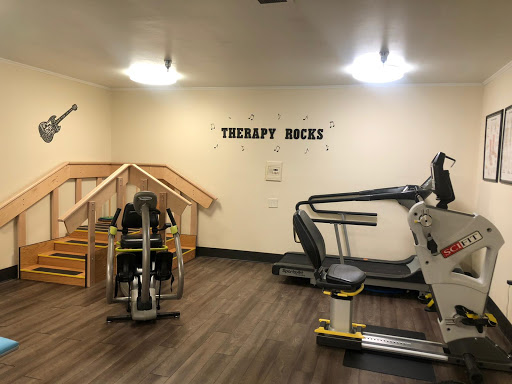
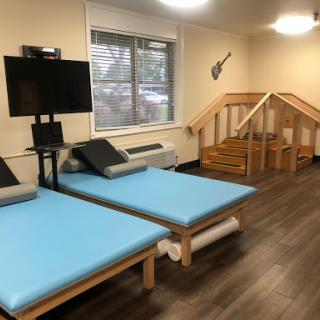
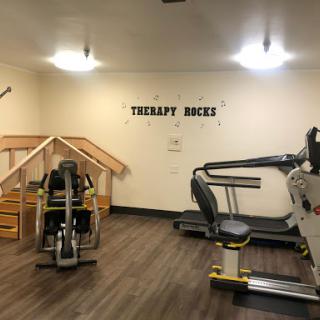
 Fitness room
 Fully furnished
 Gaming room
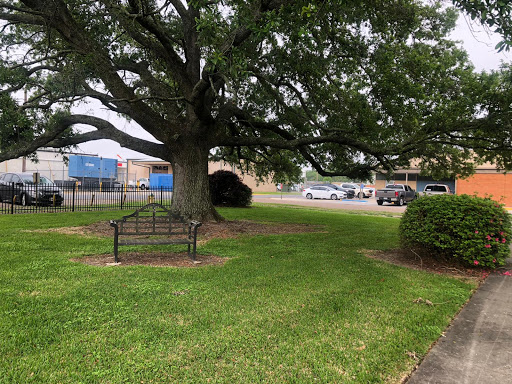
 Garden
 Housekeeping services
 Kitchenette
 Move-in coordination
 Outdoor space
 Private bathrooms
 Restaurant-style dining
 Small library
 Telephone
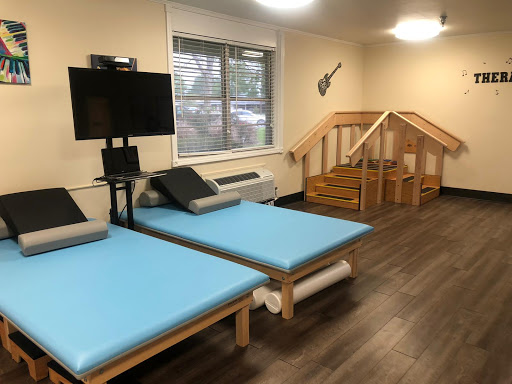
 Wellness center
 Wi-Fi/high-speed internet available
 Lafayette Regional (23 miles away)
 Community operated transportation
 12-16 hour nursing
 24-hour call system
 Activities of daily living assistance
 Assistance with bathing
 Assistance with dressing
 Assistance with transfers
 Diabetes diet
 Medication management
 Mental wellness program
 Special dietary restrictions
 Concierge services
 Planned day trips





 Nurturing Our Elders: Linda's Journey of Supporting Her Mother
 A Comprehensive Exploration of Common Misunderstandings about Powers of Attorney
 Senior Move Management: Understanding the Role, Value, and Associated Costs