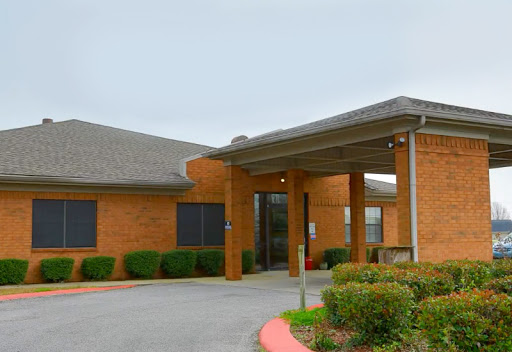









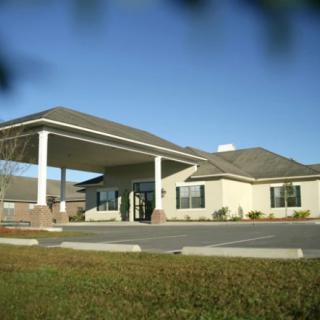
2305 Richard Street, Abbeville, LA 70510
For more information about senior living options: (866) 208-4318
Overall Review of Eastridge Nursing Center
Pros
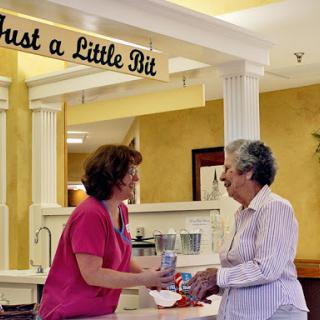
 The staff are wonderful and caring.
- The facility is very clean and helps with anything needed.
- The staff are kind, caring, and compassionate to families and residents.
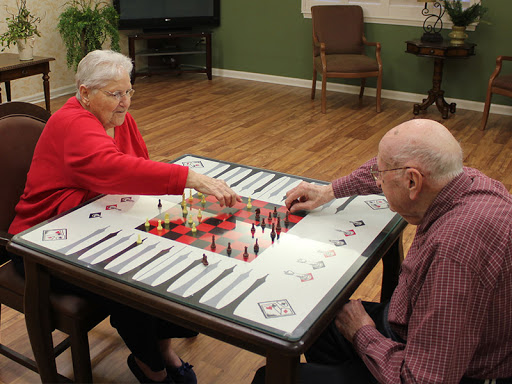
- The environment is friendly with a welcoming atmosphere.
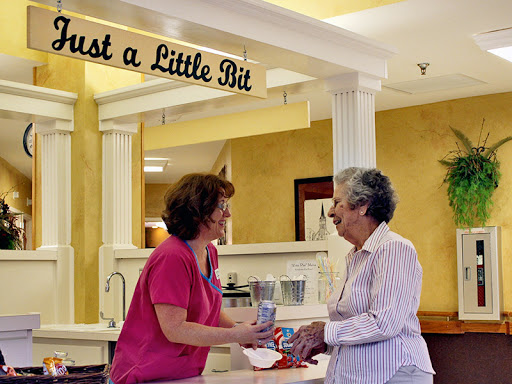
- The staff genuinely care about residents and treat them like family.
- The kitchen staff enjoy working there.
- The staff are welcoming and inviting to students and visitors.
- The facility is highly recommended by those who have experienced it.
Cons
 The reviewer states the grandfather developed infected bed sores, was placed on hospice, and died after being in the facility for a week.
- They assert that staff did not do their job and neglected him.
- They say the place needs to be monitored and shut down ASAP because it is unacceptable.
- They plan to contact a lawyer.
- They note that the food is not the best.
Review
Eastridge Nursing Center in Abbeville is best suited for seniors who prize a warm, homelike atmosphere, with a clearly focused emphasis on personable, hands-on care and active rehab involvement. The facility appears to work well for short-term recovery, particularly after surgery or joint rehabilitation, where a motivated, compassionate staff can support steady progress. Families seeking a welcoming environment, frequent reassurance from staff, and a sense that residents are treated like family will likely feel comfortable here. The strongest impression from multiple positive accounts is a culture of genuine care, clean surroundings, and staff who are responsive to daily needs.
At the same time, there is a clear caveat for families weighing alternatives. A vocal minority has expressed grave concerns about care quality, including reports of serious bedsores and a rapid move to hospice after a relatively brief stay. Those concerns underscore the possibility of care lapses that can have life-altering consequences. If a resident requires meticulous, consistent clinical oversight, especially around wound care, skin integrity, and complex medical needs, or if staffing stability is a primary concern, it may be prudent to consider facilities with a longer track record in high-risk care. Diet quality also surfaces as a mixed note, with some residents unconcerned and others wishing for better culinary options.
The strongest pros, broadcast in the reviews as caring, compassionate staff, a clean facility, and a friendly, welcoming environment, offer meaningful advantages that can positively offset daily stresses of aging or rehabilitation. Residents consistently report warmth from caregivers, with staff who take time to address questions and provide reassurance. For families, this translates into meaningful daily interactions, visible engagement in rehabilitation activities, and a sense of partnership in care. The environment is described as conducive to social connection, which can enhance mood and motivation during recovery. For students and allied professionals, the facility also comes across as a place where learning and compassionate practice are valued, reinforcing a culture of attentiveness to residents’ needs.
Yet those positives do not fully erase the gravity of the negative experiences cited. The most serious concerns revolve around potential neglect and preventable complications, which can overshadow otherwise strong interpersonal care. Prospective residents should recognize that a warm, friendly demeanor does not automatically translate into flawless clinical outcomes. The facility’s ability to deliver consistent wound care, monitor skin integrity, and maintain steady medical vigilance is the critical factor that could determine whether the overall experience leans toward success or disappointment. This tension, between daily kindness and high-stakes clinical risk, requires careful, proactive assessment before committing.
For families moving through the decision, practical steps matter. Arrive prepared to review a concrete care plan, wound-care protocols, and the staffing model for shifts with the nursing leadership. Ask for specific metrics on skin checks, pressure-relief strategies, frequency of clinician follow-ups, and ways families will receive timely progress updates. Observe interactions with residents during a visit, note how meals and daily activities are organized, and request opportunities to meet frontline staff and the unit manager. A transparent, documented commitment to ongoing improvement and clear communication channels are essential in translating the warm atmosphere into reliable, high-quality care.
In the end, Eastridge offers a compelling blend of approachable, compassionate care and rehab-focused activity that can support meaningful recovery and daily comfort. The facility can be an excellent fit when a family can actively participate, insist on clear care plans, and monitor progress with regular updates. However, the presence of severe care-concerns in some reviews means this is not a universal remedy for all seniors. For residents with complex medical needs, or for families without the bandwidth to maintain vigilant oversight, exploring alternatives with stronger safety profiles, stricter wound-care guarantees, and demonstrably stable staffing may be the wiser course. The right choice hinges on balancing the value of a caring, community-centered environment with the imperative of unwavering medical safety.
 90 resident community capacity
 Skilled Nursing Facility
 Air-conditioning
 Beauty salon
 Cable or satellite TV
 Computer center
 Dining room
 Fitness room
 Fully furnished
 Gaming room
 Garden
 Housekeeping services
 Kitchenette
 Move-in coordination
 Outdoor space
 Private bathrooms
 Restaurant-style dining
 Small library
 Telephone
 Wellness center
 Wi-Fi/high-speed internet available
 Lafayette Regional (17 miles away)
 Community operated transportation
 12-16 hour nursing
 24-hour call system
 Activities of daily living assistance
 Assistance with bathing
 Assistance with dressing
 Assistance with transfers
 Diabetes diet
 Medication management
 Mental wellness program
 Special dietary restrictions
 Concierge services
 Planned day trips






 Caring for Those Who Care: Recognizing, Understanding, and Overcoming Caregiver Burnout
 Caregiver Exhaustion: Recognizing the Signs and Restoring Your Well-Being
 Understanding Hospice Care at Home: Comprehensive Services, Key Benefits, and Eligibility