

142 Roger Powell Road, Sebree, KY 42455
For more information about senior living options: (866) 208-4318
Overall Review of Redbanks Colonial Terrace
Pros
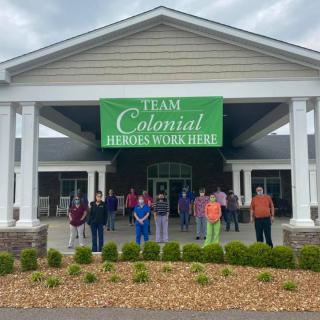
 The staff were very friendly and helpful.
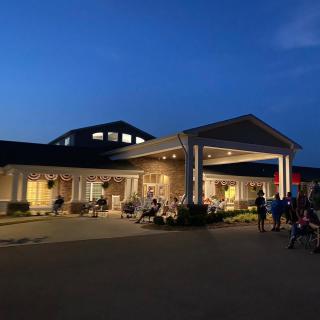
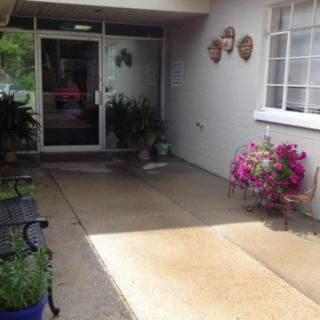
- The facility was very clean and inviting.
- It is by far the best facility.
- The staff treat residents and visitors with respect.
- Families felt their loved ones received the best care.
- Nurses provided regular updates to families about their loved ones.
Cons
 There was a complete lack of quality care at the facility.
- The odor of urine and feces was overwhelming upon entry.
- Nails had not been clipped for weeks, and the patient smelled strongly of urine.
- The rug next to the bed was covered in food and dirt.
- The monthly cost was over $9,000, which seemed unacceptable given the level of care.
- Families were told not to send their relatives there and faced the harsh reality of the situation.
Review
Redbanks Colonial Terrace in Sebree, KY, is best suited for seniors who want a clean, inviting environment with genuinely friendly staff and steady family communication, and who are comfortable with light to moderate daily assistance. The setting appeals to families prioritizing respectful interactions, visible care routines, and a home-like atmosphere where updates come regularly and staff appear approachable. Those who value a consistently neat facility and a culture of courtesy will find this community aligns with practical expectations for everyday living, rather than a facility focused on high-intensity medical intervention.
For families weighing alternatives, this community may not be the right fit for residents with substantial medical or skilled-nursing needs, or for households unwilling to tolerate potential inconsistencies in care. If a resident requires aggressive wound care, complex medication management, frequent turning, or rapid response to medical changes, there are other options where staffing and clinical oversight are more robust. Cost considerations also matter: with monthly charges cited near $9,000, families should compare whether value is delivered through comprehensive medical attention, predictable staffing levels, and continuous quality assurance, areas where doubts have been raised by some reviews.
The strongest positives center on everyday warmth and order. Multiple accounts praise the staff for friendliness and helpfulness, and the facility’s cleanliness and inviting ambiance receive frequent corroboration. Family members report respectful treatment and clear attempts to maintain open lines of communication, including regular updates from nursing staff. A volunteer’s perspective emphasizes a welcoming environment where residents and their visitors feel treated with dignity, and another account notes consistent cleanliness and attentive care during visits. Taken together, these traits create a dependable baseline of comfort and trust for families prioritizing daily lived experience.
However, a troubling outlier cannot be ignored: a review detailing a perceived collapse in basic caregiving standards. Allegations include the odor of urine and feces upon entry, neglected personal grooming (such as nails not clipped for weeks), and a room that smelled of urine with surrounding areas dirty. The complaint further questions whether the level of care matched the facility’s cost, asserting that the care gaps were unacceptable for a residence charging upwards of $9,000 monthly. Such a report highlights a critical risk: when cleanliness and courtesy exist alongside serious accusations of neglect, trust in consistency of care becomes precarious. Even if other reviews are favorable, this kind of discrepancy warrants careful scrutiny.
In weighing how the positives balance the negatives, the conclusion hinges on verifiable practice and oversight. The favorable elements, polite staff, a clean environment, and transparent family communication, offer real value and can ease daily living, especially for residents who do not require intensive medical management. Yet the weight of a grave care-quality concern cannot be dismissed, particularly given the price point. The key for prospective families is to demand tangible assurances: verified staffing levels across shifts, routine housekeeping quality checks, live demonstrations of daily care plans, and accessible incident reporting. Without those safeguards, the favorable impressions risk being displaced by real or perceived neglect.
The practical course is to approach a decision with disciplined due diligence. Prospective residents should request a tour at varying times to observe staffing patterns, request recent state inspection reports, and speak with active residents and their families about care responsiveness. Insist on seeing a current care plan, pharmacy details, and a clear escalation path for concerns. Ask about nurse-call response times, daily care documentation, and how housekeeping and odor control are managed. If pursuing this community, consider a trial period with defined goals and a structured exit plan if quality signals deteriorate. In the end, Redbanks Colonial Terrace offers a solid, reassuring baseline of cleanliness and culture, but the presence of serious care-quality concerns means it is best approached with rigorous oversight and a clear, measurable care assurance framework. For families prioritizing stability, transparency, and hands-on supervision, this facility rewards thorough vetting rather than assumption.
 87 resident community capacity
 Skilled Nursing Facility
 Air-conditioning
 Beauty salon
 Cable or satellite TV
 Computer center
 Dining room
 Fitness room
 Fully furnished
 Gaming room
 Garden
 Housekeeping services
 Kitchenette
 Move-in coordination
 Outdoor space
 Private bathrooms
 Restaurant-style dining
 Small library
 Telephone
 Wellness center
 Wi-Fi/high-speed internet available
 Community operated transportation
 12-16 hour nursing
 24-hour call system
 Activities of daily living assistance
 Assistance with bathing
 Assistance with dressing
 Assistance with transfers
 Diabetes diet
 Medication management
 Mental wellness program
 Special dietary restrictions
 Concierge services
 Planned day trips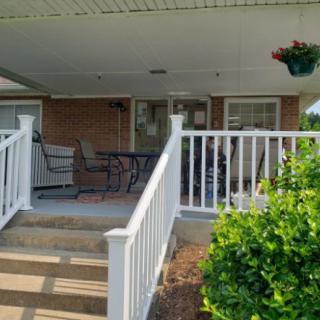




 Supportive Employee Benefits That Help Caregivers Attain Better Work-Life Harmony
 Top Cars for Senior Drivers and Essential Safety Innovations
 A Closer Look at Private Pay Home Care