


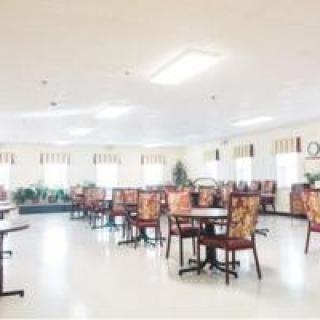

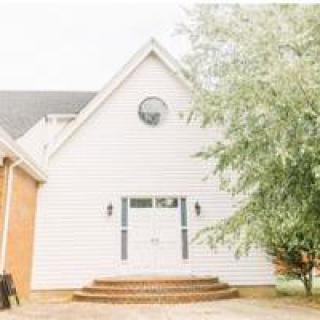






2000 South Main Street, Paris, KY 40361
For more information about senior living options: (866) 208-4318
Overall Review of Bourbon Heights Nursing Home
Pros
 The staff at Bourbon Heights is professional and caring.
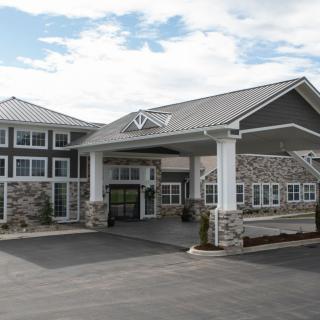
- The facility is clean and well-kept.
- It is acceptable for residents to share a room if it is set up for two.
- The reviewer’s mother has been there for seven months and is very happy with the treatment she receives.
- The facility is conveniently located near the reviewer’s home.
Cons
 The staff ignore EMS when attempting to take people back to the facility.
- The motto “Where your loved ones are just a number on the bottom line” implies the business cares more about profit than people.
- Residence care has been reduced dramatically over seven years, with residents moved from private rooms to shared rooms at no extra cost, even when the rooms are the same size or smaller.
- Bourbon Heights should not be about making a profit since it is described as a non-profit organization.
- They don’t have enough staff to properly care for residents, yet want to add 5–7 more to unit one.
- The CNAs’ break rooms are ridiculous; CNAs are treated horribly, residents are neglected, and nurses are lazy.
- A nurse was rude and unprofessional.
- Photos of suppers served to patients posted on Facebook are unacceptable; someone should report it to the state, and they should be ashamed.
- The facility suffers from staffing shortages, miscommunication, drama, and personality conflicts; traveling nurses and CNAs are treated poorly, and timesheets receive terrible responses.
Review
Bourbon Heights Nursing Home is best suited for families that want to keep a loved one nearby in Paris, Kentucky, and can actively supervise care to offset ongoing staffing and communication challenges. The facility shows up as a clean, well-kept environment with a tangible commitment to residents who can benefit from nearby oversight. For families willing to participate in regular check-ins, request consistent caregivers, and push for clear care plans, this community can function as a workable option, provided realistic expectations are maintained about staffing realities and management responsiveness.
Those who may want to consider alternatives are the families prioritizing consistent, high-quality bedside care with minimal risk of neglect or miscommunication. If dependable staffing on every shift, respectful treatment of CNAs and nurses, steady teamwork, and transparent operations are non-negotiables, Bourbon Heights may fall short. Also, families who want to avoid potential conflicts between administration and frontline staff, or who are uncomfortable with reports of turnover, timekeeping disputes, and instances of inappropriate social media sharing about resident meals, should explore other facilities with stronger, more stable staffing cultures.
The strongest positives here, cleanliness, a home-like, well-maintained setting, and occasional evidence of caring staff, do offer meaningful counterbalances to the most troubling themes. A facility that’s kept up and close to home can reduce daily stress for families and allow quicker, hands-on intervention when issues arise. In positive reviews, residents’ families note professional and caring interactions, and one account describes a mother who remains healthy and well-cared-for in her seven months there. These elements matter, especially for families who can dedicate time and energy to monitor care, arrange timely communications, and advocate for residents’ preferences.
Yet the downsides loom large and cannot be understated. Understaffing across shifts appears repeatedly, with concerns about CNAs and nurses being overwhelmed, disrespected, or inadequately supported. Reports of miscommunication and internal drama threaten the consistency of daily routines, while accounts of mismanagement in hours, timesheets, and staffing deployments paint a picture of a facility struggling to align its operations with resident needs. There are serious implications for safety and comfort when residents are not promptly attended to, when meals and care plans go unfollowed, or when staff morale translates into inconsistent treatment of residents and their families.
From a decision-making perspective, prospective families should pursue concrete, risk-averse checks before committing. Inquire about current staffing ratios by shift, turnover rates, and the leadership structure that drives day-to-day care. Request a tour during mealtimes and evenings to observe how residents are attended, how aides are paired with assignments, and how communication flows between nurses, CNAs, and families. Ask for recent state inspection results and what corrective actions have been implemented for any cited deficiencies. Establish a clear point of contact and a written care plan, including specifics on responding to emergencies, feeding tube management, and changes in medical status. Consider a trial period if offered, with scheduled family check-ins to evaluate whether needs and expectations align.
Ultimately, Bourbon Heights presents a mixed feasibility for families weighing proximity, cleanliness, and some level of resident-focused care against persistent concerns about staffing and administrative cohesion. For those who can maintain active oversight, demand accountability, and tolerate variability, it can be a workable choice. For families seeking a consistently seamless, low-friction caregiving environment with highly reliable staffing and minimal concern about internal politics, exploring stronger staffing cultures elsewhere is prudent. The verdict hinges on the willingness to engage deeply with the facility’s operations and to safeguard a loved one through vigilant, ongoing advocacy.
 99 resident community capacity
 Skilled Nursing Facility
 Air-conditioning
 Beauty salon
 Cable or satellite TV
 Computer center
 Dining room
 Fitness room
 Fully furnished
 Gaming room
 Garden
 Housekeeping services
 Kitchenette
 Move-in coordination
 Outdoor space
 Private bathrooms
 Restaurant-style dining
 Small library
 Telephone
 Wellness center
 Wi-Fi/high-speed internet available
 Blue Grass (21 miles away)
 Community operated transportation
 12-16 hour nursing
 24-hour call system
 Activities of daily living assistance
 Assistance with bathing
 Assistance with dressing
 Assistance with transfers
 Diabetes diet
 Medication management
 Mental wellness program
 Special dietary restrictions
 Concierge services
 Planned day trips





 Home Health Care Aides: Understanding Their Role and Supporting Your Family
 Urinary Tract Infections in Older Adults: Comprehensive Insights on Symptoms, Treatment, and Prevention
 California's Form 602A: An In-Depth Examination of Senior Care Assessment