For more information about senior living options: (866) 208-4318
3.5 from 52 reviews
5 stars
29
4 stars
3
3 stars
1
2 stars
5
1 stars
14
Overall Review of Spring Creek Health Care
common33 reviews mention this
Staff compassion is widely noted
Residents and families frequently describe attentive, compassionate care from the staff.
Across the reviews, many families say staff members are kind, supportive, and responsive to residents’ needs. Several also mention therapists, nurses, and social workers as particularly helpful during stays and transitions. There are also complaints about care quality and rudeness in a smaller set of reviews, but the overall volume of positive staff experiences is substantial.
caveat9 reviews mention this
Cleanliness comes up on both sides
Cleanliness is a recurring concern, with multiple reviewers citing odors or neglect-related messes.
A portion of reviewers praise the facility as clean and well-maintained, including reports of clean rooms and an overall clean environment. On the other hand, several reviews describe strong urine or feces odors and incidents involving soiled undergarments or failure to keep patients cleaned. A couple of the most serious negative reviews also tie these cleanliness issues to infections and worsening conditions.
common9 reviews mention this
Therapy and rehab support varies
Therapy is frequently mentioned, including praise for rehab progress and walking support.
Many reviews highlight rehabilitation and therapy as a key part of the experience, with residents and families describing therapy teams that helped with strength, walking, and recovery goals. Some reviewers also compare physical care outcomes to other facilities when they felt changes were needed. While most therapy mentions are positive, there are also negative accounts where families say physical care needs were not adequately met.
common7 reviews mention this
Activities and social time matter
Recreational activities are mentioned often, alongside concerns about limited social interaction.
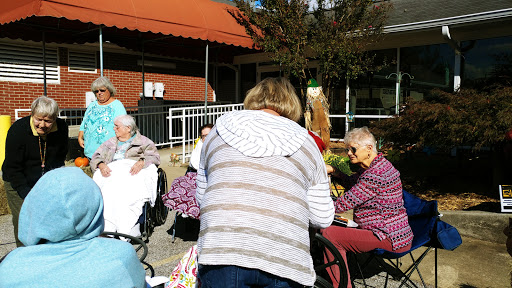
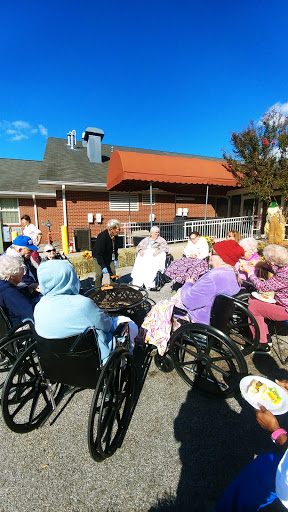
Several reviews call out activities and recreation as a positive part of day-to-day life, including examples like bingo and other group activities. A few reviewers also mention family engagement ideas such as sending letters and Valentine’s-themed messages. At the same time, at least one reviewer says there was very little social interaction and describes the facility layout as not helping residents spend time outside.
caveat3 reviews mention this
Staffing coverage feels inconsistent
Reviewers describe staffing coverage as inconsistent, including reports of understaffing.
Some reviews note changes intended to improve staffing, including comments that more people were hired and that additional staffing was needed. Other reviewers raise concerns about being understaffed, including specific complaints about aides’ coverage on weekends or about staffing limitations during a stay. The experience appears mixed across reviews rather than consistently one way.
How we summarize
Counts show how many written reviews mention each theme; a review can touch several themes, and only frequently mentioned themes are displayed.
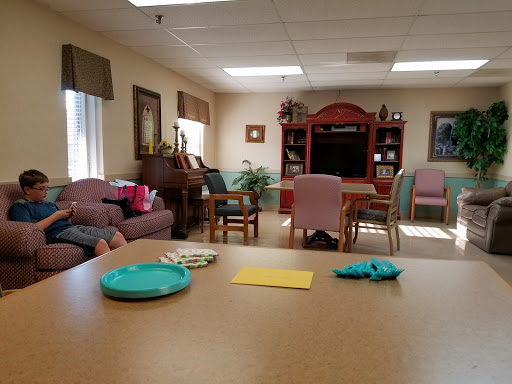
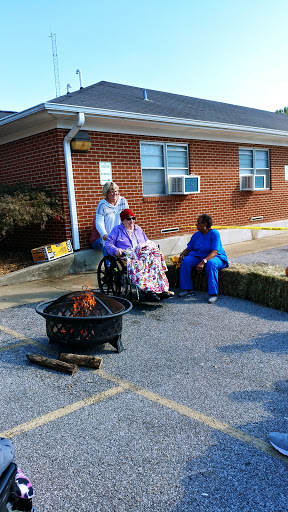
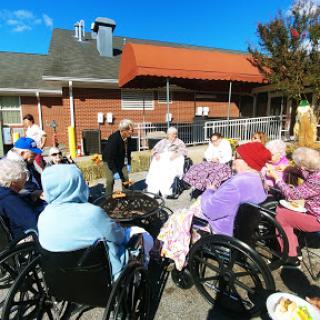
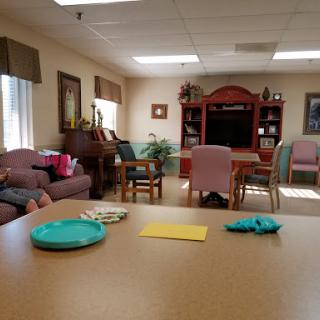
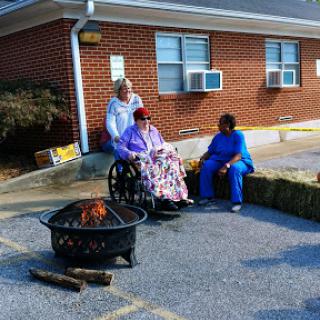
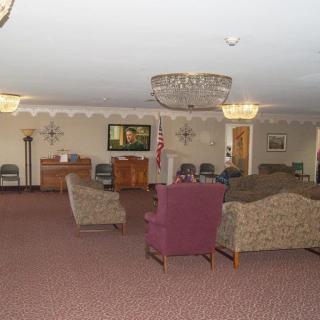
Spring Creek Health Care on seniors.fyi includes 10 photos including images showing outdoor, bedroom, interior, wheelchair, gazebo, garden, landscaping, nature, and more.
Nearby Communities
Brookdale Murray
Murray, KY
4.6 from 78 reviews
$3,795 to $5,595 / month
Friendly staff, clean and spacious apartments, engaged resident community.
Glendale Place
Murray, KY
4.6 from 5 reviews
Well-maintained, clean facility with friendly staff and restaurant-style dining
Southern Grace Assisted Living
Murray, KY
Small, intimate community with comprehensive care services and engaging activities.
Fern Terrace Of Murray
Murray, KY
3.3 from 3 reviews
Clean, well-maintained facility with friendly, helpful staff.
Hickory Woods Retirement Center
Murray, KY
5 from 2 reviews
Clean, bright, home-like environment with attentive staff and engaging activities.
Hickory Woods Retirement Center
Murray, KY
24/7 supervision with medication management and a mental wellness program, plus restaurant-style dining and extensive amenities.
Green Acres Health Care
Mayfield, KY
5 from 25 reviews
Staff know residents and families by name, delivering warm, personalized care in a cheerful, clean environment.
Charter Senior Living of Paris TN
Paris, TN
4.6 from 72 reviews
$2,450 to $4,500 / month
Compassionate staff and attentive care; residents feel loved, with engaging activities and good food.
The Bungalows at Mayfield
Mayfield, KY
5 from 50 reviews
$2,935 to $3,750 / month
Caring, professional staff in a warm, community-focused setting with engaging activities.
Living wills and advance directives are crucial legal documents that outline an individual's healthcare preferences when they cannot make decisions themselves, enhancing patient autonomy and alleviating family stress during medical crises. The article emphasizes the need for these documents to be personalized, legally valid, and regularly updated, while also encouraging communication about end-of-life wishes among family members and healthcare providers.
The article examines living wills and advance directives, highlighting their significance in expressing healthcare preferences for those unable to communicate due to illness or incapacity. It discusses their historical development, legal components, limitations, practical drafting advice, and the importance of clear communication among families and healthcare professionals regarding end-of-life decisions.
Hospice care focuses on providing comfort and support for individuals nearing the end of life, with Medicare Part A covering services like nursing care and counseling for patients with a terminal illness and a life expectancy of six months or less. While most hospice services are low-cost for eligible patients, families should be aware that certain expenses, such as room and board, may not be covered.
Get PricingAsk A QuestionSchedule A TourContact Senior Advisor
By clicking submit, you agree to our Partner's Terms of Use. You
also consent to receive calls and texts, which may be autodialed, from our Partner. Your consent is not a condition to
using our Partner's service. Please visit our Partner's Privacy Policy for information about their privacy practices.








 226 resident community capacity
 Skilled Nursing Facility
 Air-conditioning
 Beauty salon
 Cable or satellite TV
 Computer center
 Dining room
 Fitness room
 Fully furnished
 Gaming room
 Garden
 Housekeeping services
 Kitchenette
 Move-in coordination
 Outdoor space
 Private bathrooms
 Restaurant-style dining
 Small library
 Telephone
 Wellness center
 Wi-Fi/high-speed internet available
 Community operated transportation
 12-16 hour nursing
 24-hour call system
 Activities of daily living assistance
 Assistance with bathing
 Assistance with dressing
 Assistance with transfers
 Diabetes diet
 Medication management
 Mental wellness program
 Special dietary restrictions
 Concierge services
 Planned day trips
 Friendly staff, clean and spacious apartments, engaged resident community.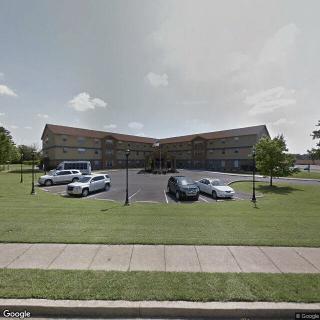





 Comprehensive Exploration of Living Wills and Other Advance Directives
 A Detailed Exploration of Living Wills and Advance Directives
 Comprehensive Guide to Medicare Coverage for Hospice Care