

500 Beck Lane, Mayfield, KY 42066
For more information about senior living options: (866) 208-4318
Overall Review of Mills Health & Rehab Center
Pros
 The staff at Mills Health & Rehab Center are very caring and helpful.
- They communicate clearly with families, share what they’re doing, ask for input, and offer strong support.
- They implement safety measures to protect residents, such as lowering beds, adding protective mats, and keeping rails down as needed.
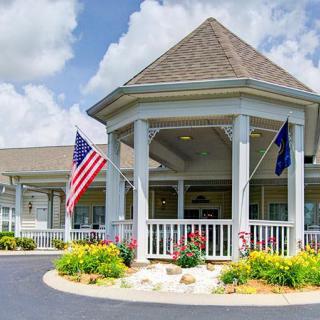
- The facility provides pleasant spaces, like the closed-in porch, contributing to a reassuring environment.
- They offer regular progress updates through weekly and phone meetings, keeping families informed.
- They have a track record of helping residents regain abilities, showing dedication and effective care.
- They take great care of residents, making families feel safe.
Cons
 The hospital reneging on palliative care and the Clinimix package was not very professional.
- The case manager at the hospital was furious about how the situation was handled.
- He fell out of his bed yesterday, signaling safety concerns at the facility.
- This time, progress with him is not as quick, and he is not eating.
- They were lacking in physical therapy for the great grandmother, resulting in negative outcomes.
Review
Mills Health & Rehab Center in Mayfield is best suited for families confronting post-hospital recovery needs where safety, dependable staff communication, and a familiar, patient-centered environment matter most. It serves seniors who have had a stroke or significant mobility and swallowing challenges and require ongoing skilled nursing care, physical therapy, and regular family updates. The layout and care routines are tuned to risk mitigation and steady progress, making it a practical choice for caregivers who want to see concrete safety measures and transparent caregiver involvement. It is less ideal for families seeking highly active dementia programming or aggressively goal-directed therapy across a broad, all-day activity slate. For those with expectations of robust, diverse activities and highly structured memory-care programming, alternatives may be worth exploring.
On the plus side, the staff’s attentiveness and willingness to communicate stand out. Families consistently praise how caregivers and nurses discuss plans openly, seek input, and keep relatives informed about what is happening with a loved one. This is paired with a clear commitment to safety: steps like lowering the bed to minimize fall distance, adding protective mats, and attempting to manage opportunities for wandering are indicative of a proactive approach to risk reduction. The facility also supports families with frequent check-ins and a private room experience that can ease transitions from hospital. In sum, Mills emphasizes hands-on bedside care and steady family partnerships, which translates into reliable day-to-day reassurance for caretakers.
However, the strongest caveat centers on the inherent fall-risk realities of residents recovering from stroke or managing advanced dementia, and how safety measures interact with those risks. The accounts show a facility willing to refine safety setups as incidents occur, yet falls can still occur even with bed-height adjustments and protective mats. This underlines a core tension: Mills can minimize danger, but it cannot eliminate it for higher-risk individuals. Prospective families should weigh the benefit of meticulous supervision and environmental safeguards against the persistent likelihood of accidents inherent to the resident’s condition, and plan contingencies accordingly.
Care for residents with dementia is present but uneven in intensity. When memory challenges are the central issue, the staff is capable of establishing familiarity with the environment and maintaining a steady routine, including regular progress reviews via structured meetings. Yet reports also suggest that cognitive engagement and broader activity offerings may not be as robust as some families expect, particularly for those who want a more diversified daily schedule beyond physical therapy and speech therapy. Mills tends to excel at preserving safety and delivering targeted therapy, while holistic programming for memory care can feel limited in scope.
A notable misstep in care coordination surfaced in one review around a palliative-care decision. A package that was identified as suitable by hospital staff was reconsidered by the facility at the last moment, creating a sense of professional discord and eroding trust at a vulnerable moment. The situation was subsequently resolved, but the episode highlights the importance of clear, upfront care-planning conversations and documented agreements that survive transitions. For families evaluating Mills, it is prudent to confirm how palliative and comfort-focused options will be handled from intake onward, and to ensure there is a documented care plan that all parties agree to before a crisis arises.
Bottom line: Mills Health & Rehab Center delivers solid, safety-forward skilled nursing care with attentive staff and dependable family communication. It is a strong fit for stroke recovery and short-to-medium term rehab needs where supervision, privacy, and clear updates are priorities. Those considering long-term dementia-focused care with broad enrichment programming or highly aggressive activity playlists may want to compare facilities with more expansive memory-care offerings and a more consistently varied daily schedule. For families who prioritize practical safety, steady progress, and transparent caregiver partnerships, Mills provides a pragmatic, capable option, while encouraging diligent planning around care planning and end-of-life discussions to prevent missteps and preserve trust when it matters most.
 98 resident community capacity
 Skilled Nursing Facility
 Air-conditioning
 Beauty salon
 Cable or satellite TV
 Computer center
 Dining room
 Fitness room
 Fully furnished
 Gaming room
 Garden
 Housekeeping services
 Kitchenette
 Move-in coordination
 Outdoor space
 Private bathrooms
 Restaurant-style dining
 Small library
 Telephone
 Wellness center
 Wi-Fi/high-speed internet available
 Barkley Regional (23 miles away)
 Community operated transportation
 12-16 hour nursing
 24-hour call system
 Activities of daily living assistance
 Assistance with bathing
 Assistance with dressing
 Assistance with transfers
 Diabetes diet
 Medication management
 Mental wellness program
 Special dietary restrictions
 Concierge services
 Planned day trips




 Engaging Brain Games and Innovative Apps to Keep Senior Minds Active
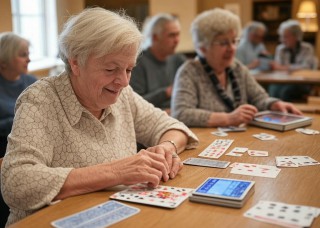 Effective Strategies for Keeping Seniors' Minds Active: A Deep Dive into Brain Games and Apps
 In-Depth Look at the VA Aid and Attendance Program
