


Westminster Terrace

Save

  • Interior

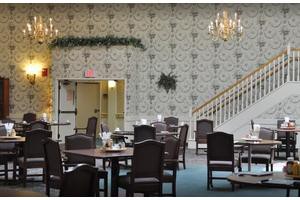
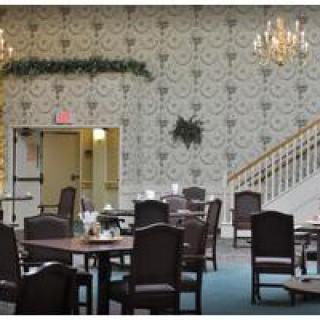
    An elegant dining area with chandeliers, neatly arranged tables and chairs, and a decorative wallpaper design.
  • Outdoors

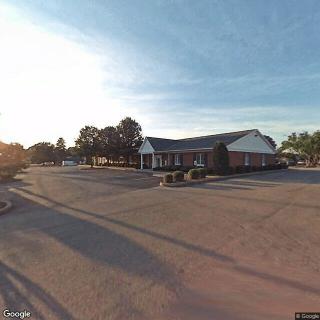
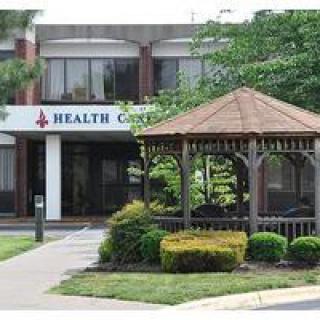
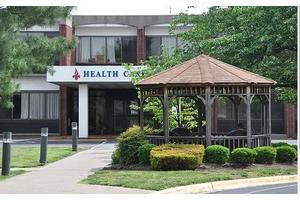
    A health center building with a gazebo and landscaped garden at the entrance.
  • Building

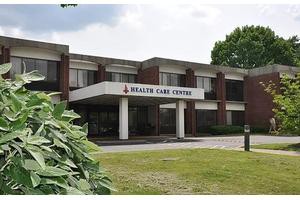
    A healthcare center building with a sign 'Health Care Centre' displayed above the entrance.
  • Trees

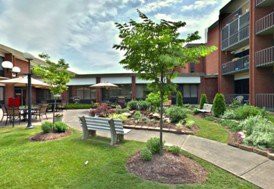
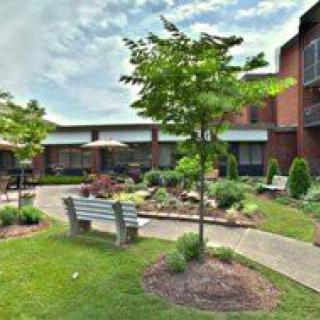
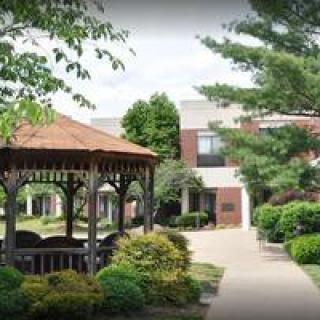
    A serene courtyard garden with benches and lush greenery.
  • Windows

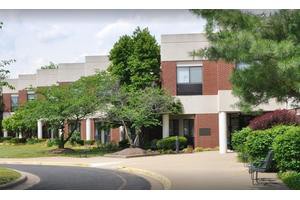
    An exterior view of a building surrounded by trees and well-maintained landscaping.
  • Landscaping

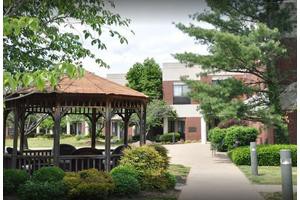
    A cozy gazebo near a brick building surrounded by greenery and a paved pathway.
  • Chandelier

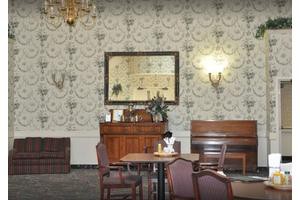
    A vintage-style room featuring antique furniture, ornate wallpaper, and a chandelier.

Westminster Terrace

2116 Buechel Bank Road, Louisville, KY 40218

For more information about senior living options: (844) 490-3973

4.5 from 2 reviews
Skilled Nursing Facility

Overall Review of Westminster Terrace

Pros

  • pro The aunt's care at Presbyterian Homes Westminster is described as satisfactory, with a plan for the floor nurse manager to lead on her needs.
  • pro Medicaid paperwork for the aunt was handled efficiently by a staff member.
  • pro The aunt's wife is happy with the care and has no complaints.
  • pro The facility offers activities, and items such as books and snacks are delivered to the aunt's room.
  • pro The staff are attentive and responsive to requests, aiming to cater to the aunt's needs.
  • pro Visits to the grandfather are hassle-free, with staff who know the visitors by name and warmly welcome them back.
  • pro Time spent with the grandfather includes enjoyable activities like walking, playing pool, and getting fresh air on the balcony, reflecting a positive visit experience.

Cons

  • pro The facility didn't have her sit up for a little while.
  • pro There had been nurse turnover and more agency nurses were working there.
  • pro There were COVID-19 cases at the facility.

Review

Two family experiences give a blended picture of elder care that mixes concern with warmth, routine with unpredictability, and a strong sense of personal connection to the people who are caring for loved ones. On one hand, there is a stay at Presbyterian Homes Westminster involving an aunt, with notes about care plans, staffing fluctuations, and administrative details. On the other hand, there's a picture of hassle-free, familiar visits with a grandfather, where the family experiences steady routines, friendly staff, and easy opportunities to spend time together. Taken together, the two accounts outline what matters most to the writer: attentive, responsive care for an ailing family member, and a welcoming environment that makes visits pleasant and easy.

The aunt's experience at Presbyterian Homes Westminster centers on a worry about a daily care routine. The writer describes a concern that she wasn't sitting up for a period of time, and their plan is to address this directly with the floor nurse manager so that a nurse with floor authority would take the lead in ensuring it gets done. They note a turnover of nurses and an influx of agency staff, which appears to have affected consistency. The facility reportedly faced some COVID cases, adding to the sense that it is a busy, challenging environment. Despite these pressures, the family feels reassured by a staff member who promised that their request would be catered to, and they mention that Medicaid paperwork was handled by a dedicated person. While the initial visit to the building didn't happen, the wife spoke by phone and expressed satisfaction with the aunt's situation: there are activities available, and she seemed content with the overall care even though she herself is not currently able to participate.

Administrative processes also factor into the aunt's experience. The team had investigated the placement before admission, and Medicaid pending status was part of the mix, with a staff member assigned to manage the Medicaid papers. The narrator emphasizes a responsive intention from the staff, even while acknowledging the facility's busier cadence and the turnover in nursing personnel. The aunt's activities are described as present in the facility's program, but her physical condition prevents active participation. In this context, the family's practice of bringing in books and snacks, and arranging for packages to be delivered to her room, underscores a collaborative approach to care that complements formal services. The overall tone from the family is measured and constructive, focusing on clarifying roles and ensuring that care priorities - like sitting up - receive attention from management and direct caregivers.

In contrast, the grandfather's experience presents a more consistently positive and low-pressure dynamic. The writer describes hassle-free visits with their brother, noting that staff members have learned their names and recognize who they are visiting by the third visit. This sense of familiarity appears to translate into a smooth, welcoming atmosphere where the family can arrive and engage with their grandfather without bureaucratic or interpersonal friction. The routine includes a short walk on the third floor, a game of pool that the grandfather enjoys watching, and a balcony excursion for fresh air and conversation about home life. After these visits, staff consistently invite the family to return, reinforcing a sense of belonging and ongoing care. The overall mood here is one of ease, warmth, and genuine caregiver attention to the needs and preferences of both the grandfather and his relatives.

Taken together, these experiences illustrate two facets of elder care: a setting under the pressures of staffing turnover and medical administration, and a caregiving environment in which family connection and personal attention flourish. The aunt's account highlights legitimate concerns - ensuring that daily physical needs are met, navigating agency staffing, and managing Medicaid processes - while still acknowledging that the staff's responsiveness offers some reassurance. The grandfather's narrative, meanwhile, shines a light on the importance of consistent relationships, familiar faces, and opportunities for meaningful family interaction within the facility. In both cases, the presence of caring staff who know the family and occupants by name, and who are willing to engage and accommodate requests, stands out as a central theme.

Ultimately, the writer conveys a measured optimism. On the aunt's side, there is an intention to address a specific care concern directly with leadership to ensure that the appropriate person takes charge of her routine and safety. On the grandfather's side, there is clear satisfaction with the ease of visiting, the staff's attentiveness, and the sense that the facility is a welcoming place that keeps doors open for family involvement. The two narratives together suggest a facility that can deliver compassionate, person-centered care under challenging conditions, while also reminding us that continuous attention to daily routines, staffing stability, and administrative processes remains essential to maintaining high-quality experiences for all residents and their families.

Features

Housing

  • 112 resident community capacity 112 resident community capacity

Types of Care

  • Skilled Nursing Facility Skilled Nursing FacilitySkilled Nursing Facilities are crucial for seniors as they provide round-the-clock medical care, rehabilitation services, and assistance with daily activities. These facilities ensure that seniors receive the specialized care they need to maintain their health and well-being as they age.

Amenities

  • Air-conditioning Air-conditioningAir conditioning is important for seniors as they are more vulnerable to heat-related illnesses and may have underlying health conditions that make it difficult for them to regulate their body temperature. It helps to keep them comfortable, safe, and healthy in hot weather.
  • Beauty salon Beauty salonBeauty salons are important for seniors because they provide a space for them to feel pampered, socialize, and maintain their personal grooming and hygiene. Regular visits to a beauty salon can help boost seniors' self-esteem and overall well-being.
  • Cable or satellite TV Cable or satellite TVCable or satellite TV is important for seniors because it provides entertainment, news, and companionship, helping to combat loneliness and boredom. It also offers a wide range of programming options tailored to different interests and preferences.
  • Computer center Computer centerA computer center is essential for seniors as it provides access to technology, communication tools, and resources that can enhance their daily lives. It allows them to stay connected with loved ones, engage in online activities, and learn new skills, ultimately promoting socialization and mental stimulation.
  • Dining room Dining roomDining rooms are important for seniors as they provide a space for socialization, connection, and nutritious meals. They offer opportunities for residents to bond over shared meals, foster a sense of community, and promote healthy eating habits. Dining rooms also ensure that seniors have access to well-balanced meals tailored to their dietary needs and preferences.
  • Fitness room Fitness roomHaving a fitness room in a senior living community is essential for seniors to stay active, maintain their physical health, and improve their overall well-being. Regular exercise can help prevent falls, reduce the risk of chronic diseases, and promote mental sharpness. It also provides social opportunities for residents to connect with others and enjoy a sense of community.
  • Fully furnished Fully furnishedFully furnished senior living communities are important for seniors because they provide convenience, comfort, and a hassle-free moving experience. Seniors can easily settle into their new living space without the stress of having to buy and move furniture. This allows them to focus on enjoying their new home and community.
  • Gaming room Gaming roomGaming rooms are important for seniors as they provide a fun and engaging environment for socializing, cognitive stimulation, and physical activity. Games can improve memory, problem-solving skills, and overall mental well-being while fostering friendships and reducing feelings of isolation.
  • Garden GardenGardens are important for seniors as they provide a peaceful and therapeutic environment for relaxation, physical activity, and socialization. Being in nature has been shown to reduce stress, improve mood, and promote overall well-being. Gardens also offer opportunities for seniors to engage in gardening activities, which can improve mobility, flexibility, and cognitive function. Additionally, gardens create a sense of community and connection with others who share a passion for plants and outdoor spaces.
  • Housekeeping services Housekeeping servicesHousekeeping services are important for seniors because they help maintain a clean and safe living environment, promote independence, and reduce the risk of accidents or illnesses. Additionally, having assistance with household chores can alleviate physical strain and allow seniors to focus on other aspects of their well-being.
  • Kitchenette KitchenetteKitchenettes are important for seniors living in senior living communities because they provide the convenience and independence of being able to prepare simple meals and snacks in the comfort of their own living space. This can help promote a sense of autonomy and well-being for seniors, allowing them to maintain some level of control over their dietary choices and daily routines.
  • Move-in coordination Move-in coordinationMove-in coordination is important for seniors because it helps ease the transition into their new living environment. It ensures that all logistics, such as packing, organizing movers, and setting up utilities are taken care of, allowing seniors to focus on settling in and adjusting to their new home. Having a smooth move-in process can alleviate stress and anxiety, making the transition smoother and more enjoyable for seniors.
  • Outdoor space Outdoor spaceOutdoor spaces are important for seniors as they provide opportunities for physical activity, social interaction, exposure to natural light and fresh air, and a sense of connection to nature. Having access to outdoor spaces can improve overall well-being and quality of life for older adults living in senior communities.
  • Private bathrooms Private bathroomsPrivate bathrooms are important for seniors in senior living communities because they provide independence, dignity, and comfort. Having a private bathroom allows seniors to maintain their personal hygiene routines without the need for assistance, promoting a sense of autonomy and privacy. Additionally, private bathrooms help prevent the spread of infections and provide a safe and clean environment for seniors to navigate safely.
  • Restaurant-style dining Restaurant-style diningRestaurant-style dining is important for seniors because it allows them to enjoy delicious, nutritious meals in a social and upscale setting. This enhances their dining experience, promotes healthy eating habits, and fosters socialization with fellow residents, ultimately contributing to their overall well-being and quality of life.
  • Small library Small librarySmall libraries are important for seniors as they provide access to a variety of reading materials, including books, newspapers, and magazines. This can help stimulate their minds, keep them engaged, and provide a sense of community through book clubs and other social activities. Additionally, reading has been shown to improve cognitive function and overall mental well-being in older adults.
  • Telephone TelephoneTelephones are important for seniors as they provide a lifeline for communication with loved ones, emergency services, and healthcare providers. They offer a sense of security and independence, enabling seniors to stay connected and access assistance when needed.
  • Wellness center Wellness centerWellness centers are important for seniors because they offer a variety of programs and services that promote physical, mental, and emotional well-being. These centers provide opportunities for exercise, socialization, education, and relaxation, helping seniors maintain their overall health and quality of life.
  • Wi-Fi/high-speed internet available Wi-Fi/high-speed internet availableWi-Fi/high-speed internet is important for seniors to stay connected with loved ones, access online resources, and participate in virtual activities to combat feelings of loneliness and isolation. It also allows them to easily manage healthcare needs, access entertainment, and engage in lifelong learning opportunities.

Transportation

  • Louisville International-Standiford (5 miles away) Louisville International-Standiford (5 miles away)
  • Community operated transportation Community operated transportationCommunity operated transportation is crucial for seniors as it provides them with the means to access essential services, social activities, and medical appointments. It allows seniors to maintain their independence and quality of life by ensuring they can participate in activities outside of their homes. Additionally, community-operated transportation services offer a safe and reliable way for seniors to travel without having to rely on family or friends for assistance.
  • Transportation arrangement Transportation arrangementTransportation arrangements are crucial for seniors as they may face challenges with driving, mobility, or access to public transportation. Having reliable transportation services ensures that seniors can easily attend appointments, social activities, and maintain their independence and quality of life.
  • Transportation arrangement (non-medical) Transportation arrangement (non-medical)Transportation arrangements are essential for seniors as they provide access to essential services, activities, and social interactions outside the home. This service helps maintain independence, mobility, and overall well-being for seniors who may have limited transportation options.
  • Transportation to doctors appointments Transportation to doctors appointmentsTransportation to doctors appointments is crucial for seniors as it ensures they have access to necessary medical care and support, promoting their health and well-being. It allows them to receive timely treatment, monitor existing conditions, and address any new health concerns efficiently. Additionally, transportation services can help seniors maintain their independence and quality of life by enabling them to stay connected with their healthcare providers.

Care Services

  • 12-16 hour nursing 12-16 hour nursing12-16 hour nursing care is crucial for seniors in order to ensure around-the-clock monitoring, timely medication administration, and prompt response to any health concerns or emergencies. This level of care helps to promote the overall well-being and safety of seniors living in senior living communities.
  • 24-hour call system 24-hour call system24-hour call systems are important for seniors because they provide peace of mind and immediate assistance in case of emergencies. This technology ensures that help is always available, promoting safety and security for elderly individuals living alone or in assisted living facilities.
  • 24-hour supervision 24-hour supervision24-hour supervision is important for seniors to ensure their safety, well-being, and access to immediate assistance in case of emergencies or health issues. This constant support provides peace of mind for both seniors and their loved ones, allowing them to age in place with dignity and security.
  • Activities of daily living assistance Activities of daily living assistanceActivities of daily living assistance are important for seniors because they provide essential support with tasks such as eating, bathing, dressing, and mobility. This assistance helps seniors maintain their independence, dignity, and overall quality of life as they age.
  • Assistance with bathing Assistance with bathingAssistance with bathing is crucial for seniors as it helps maintain personal hygiene, prevents infections, and ensures their overall well-being and comfort. It also provides a sense of dignity and independence for seniors who may struggle with this task on their own.
  • Assistance with dressing Assistance with dressingAssistance with dressing is important for seniors because it helps maintain their independence, promotes personal hygiene, prevents accidents and injuries, and improves overall quality of life. This service ensures that seniors can continue to dress comfortably and confidently, despite any physical limitations they may have.
  • Assistance with transfers Assistance with transfersAssistance with transfers is crucial for seniors as it helps prevent falls and injuries, maintains their independence, and ensures they can safely navigate their living environment. It also provides peace of mind for both seniors and their loved ones.
  • Diabetes diet Diabetes dietA diabetes diet is crucial for seniors as it helps manage blood sugar levels, reduce risks of complications, and improve overall health and well-being. By following a balanced and nutritious diet tailored to their specific needs, seniors can better control their diabetes and enhance their quality of life.
  • Meal preparation and service Meal preparation and serviceMeal preparation and service are crucial for seniors as they may have limited mobility or energy to cook nutritious meals. Having access to healthy and convenient food options can ensure they are getting the proper nutrition needed to maintain their overall health and well-being.
  • Medication management Medication managementMedication management is crucial for seniors to ensure they are taking the right medications at the correct dosages and times. This helps prevent adverse drug interactions, reduces the risk of medication errors, and promotes overall health and well-being. Proactive management also allows for adjustments as needed based on changing health conditions or new prescriptions.
  • Mental wellness program Mental wellness programMental wellness programs are essential for seniors as they promote cognitive stimulation, emotional support, and social engagement. These programs help prevent isolation, depression, and cognitive decline, ultimately enhancing the overall quality of life for older adults.
  • Special dietary restrictions Special dietary restrictionsSpecial dietary restrictions are important for seniors because age-related changes in metabolism and health conditions can make it difficult for their bodies to process certain foods. By following a diet tailored to their specific needs, seniors can maintain their overall health and well-being, manage chronic conditions, and reduce the risk of complications such as malnutrition or food interactions with medications.

Dining

  • Diabetes diet Diabetes dietA diabetes diet is crucial for seniors as it helps manage blood sugar levels, reduce risks of complications, and improve overall health and well-being. By following a balanced and nutritious diet tailored to their specific needs, seniors can better control their diabetes and enhance their quality of life.
  • Special dietary restrictions Special dietary restrictionsSpecial dietary restrictions are important for seniors because age-related changes in metabolism and health conditions can make it difficult for their bodies to process certain foods. By following a diet tailored to their specific needs, seniors can maintain their overall health and well-being, manage chronic conditions, and reduce the risk of complications such as malnutrition or food interactions with medications.

Activities

  • Community-sponsored activities Community-sponsored activitiesCommunity-sponsored activities are important for seniors as they provide opportunities for social interaction, mental stimulation, and physical activity. These activities can help improve overall well-being, combat loneliness and isolation, and promote a sense of belonging and purpose among older adults.
  • Concierge services Concierge servicesConcierge services are essential for seniors as they provide assistance with daily tasks and errands, enhance their quality of life by offering convenience and personalized care, and promote a sense of safety and security.
  • Fitness programs Fitness programsFitness programs are crucial for seniors as they help improve strength, flexibility, balance, and overall well-being. Staying active can reduce the risk of chronic diseases, improve mental health, and enhance quality of life in older adults.
  • Planned day trips Planned day tripsPlanned day trips are important for seniors because they offer opportunities for socialization, mental stimulation, and physical activity. They provide a change of scenery and help seniors stay engaged and connected to their community, promoting overall well-being and quality of life.
  • Resident-run activities Resident-run activitiesResident-run activities are important for seniors as they encourage social interaction, creativity, and a sense of autonomy. These activities empower seniors to stay engaged and active in their community while fostering meaningful connections with their peers.
  • Scheduled daily activities Scheduled daily activitiesScheduled daily activities are important for seniors because they provide structure, socialization, mental stimulation, and physical activity. Engaging in regular activities can improve overall well-being and quality of life for seniors living in a community setting.

Description

Westminster Terrace in Louisville, KY is a premier assisted living community that offers a wide range of amenities and care services to meet the needs of its residents. The community is designed to provide a comfortable and convenient living environment with numerous amenities such as a beauty salon, cable or satellite TV, a computer center, and a fitness room. Residents can enjoy restaurant-style dining in the elegant dining room or relax in the outdoor spaces and gardens.

At Westminster Terrace, residents are provided with fully furnished private apartments complete with kitchenettes and private bathrooms. Housekeeping services are available to ensure that the living spaces are clean and tidy.

The community offers various care services to support the independence and well-being of its residents. A 24-hour call system and supervision are provided for added peace of mind. Trained staff members are available to assist residents with activities of daily living such as bathing, dressing, and transfers. Medication management is also offered to help residents stay on track with their medications.

To promote mental wellness, Westminster Terrace offers a mental wellness program that focuses on providing emotional support and engagement. Special dietary restrictions can be accommodated by the dining services team, ensuring that each resident's dietary needs are met.

Residents at Westminster Terrace can take advantage of an array of activities offered by the community including fitness programs, planned day trips, and resident-run activities. The concierge services are available to assist residents with any additional needs or requests they may have.

Located in Louisville, KY, Westminster Terrace is surrounded by numerous amenities including cafes, parks, pharmacies, physicians' offices, restaurants, places of worship, theaters, and hospitals. The community also offers transportation arrangements for non-medical needs as well as transportation to doctors' appointments.

With its exceptional amenities, care services, and convenient location near essential amenities in Louisville, Westminster Terrace provides a vibrant and fulfilling assisted living experience for its residents.

Nearby Places of Interest

Parks

  • Buechel Park (0.7 miles)
  • Des Pres Park (3 miles)
  • Community Park (4.6 miles)
  • Cherokee Park (4.6 miles)
  • Charlie Vettiner Park (4.9 miles)

Physicians

  • Baptist Medical Associates (0.9 miles)
  • Strickland Cox & Assoc (1.6 miles)
  • Dr Pamela Asseff DDS, PSC. General & Cosmetic Dentistry (1.9 miles)
  • Advanced ENT & Allergy (2.3 miles)
  • The LASIK Vision Institute (2.8 miles)
  • Community Medical Associates (2.8 miles)
  • KentuckyOne Health Medical Center Cardiologists (3 miles)

Pharmacies

  • CVS Pharmacy (0.9 miles)
  • Kroger Pharmacy (1.1 miles)
  • Walgreens (2.3 miles)
  • CVS Pharmacy (2.3 miles)
  • Walgreens (2.5 miles)
  • Walgreens (3 miles)
  • Walgreens (3.1 miles)

Places of Worship

  • St Martha Parish (1 miles)
  • Holy Trinity Catholic Church (5.1 miles)

Restaurants

  • Chick-Fil-A (1.5 miles)
  • KFC (1.6 miles)
  • McDonald's (2.3 miles)
  • Roosters (2.7 miles)
  • Cattlemans Road House (2.9 miles)
  • McDonald's (2.9 miles)
  • Rafferty's (2.9 miles)

Hospitals

  • Baptist Health Louisville Labor & Delivery (3.4 miles)
  • Baptist Health Louisville (3.4 miles)
  • Baptist Hospital East Park Tower (3.4 miles)
  • Baptist Hospital East Surgery (3.4 miles)
  • 3 East Olop (3.9 miles)

Theaters

  • Cinemark Mall St Matthews and XD (4.2 miles)

Cafes

  • Panera Bread (4.2 miles)
  • Heine Brothers' - Longest Ave in the Highlands (4.9 miles)
  • Fante's Coffee (4.9 miles)
  • Panera Bread (5.1 miles)

Transportation

  • TSA Pre️ (5.1 miles)
  • SDF Arrivals (5.1 miles)
  • Security Checkpoint (5.1 miles)
  • Louisville Muhammad Ali International Airport (SDF) (5.1 miles)

Frequently Asked Questions

Where is Westminster Terrace?
What photos are available for Westminster Terrace in Louisville, Kentucky?

Nearby Communities

  • Rose Anna Hughes Home

    Rose Anna Hughes Home

    Louisville, KY

    4.2 from 22 reviews
    $2,182 to $3,990 / month

    pro Friendly, compassionate staff in a clean, welcoming environment with all-inclusive pricing.

  • Freedom Heritage Care Center

    Freedom Heritage Care Center

    Louisville, KY

    4 from 67 reviews
     

    pro Excellent access to nearby dining, parks, worship, and healthcare.

  • CreekSide on Bardstown

    CreekSide on Bardstown

    Louisville, KY

    4.6 from 21 reviews
     

    pro Memory-care focused with 24-hour supervision, private furnished apartments, and a full range of amenities (wellness center, dining, activities, transportation).

  • Bashford East Health Care

    Bashford East Health Care

    Louisville, KY

    4.6 from 36 reviews
    $4,440 / month

    pro Private studio apartments with memory care and a competitive private-room rate (~$4,440/mo).

  • Creekside on Bardstown

    Creekside on Bardstown

    Louisville, KY

    4.2 from 79 reviews
    $3,500 to $5,000 / month

    pro Friendly, engaged staff; small, close-knit community; clean, well-maintained spaces.

  • Klondike Manor Health Care Ctr

    Klondike Manor Health Care Ctr

    Louisville, KY

    3.8 from 16 reviews
     

    pro Some staff were very nice and provided compassion.

  • Diversicare Of Seneca Place

    Diversicare Of Seneca Place

    Louisville, KY

    3.8 from 95 reviews
     

    pro Nice and clean facility with helpful staff.

  • Brookstone Senior

    Brookstone Senior

    Louisville, KY

    4 from 10 reviews
    $735 / month

    pro Affordable 55+ senior living with access to extensive nearby services and pet-friendly policy.

  • Franciscan Health Care Center

    Franciscan Health Care Center

    Louisville, KY

    4 from 99 reviews
    $3,006 to $4,669 / month

    pro Comfortable private rooms with attentive staff and engaging activities.

Related Resources

  • aid and attendance vaIn-Depth Look at the VA Aid and Attendance Program

    The VA Aid and Attendance program offers financial assistance to veterans needing help with daily activities due to health issues, available through a pension for low-income wartime veterans or an allowance for 100% disabled individuals. Eligibility depends on medical documentation of care needs and navigating guidelines about income and service history, with funds being usable for various healthcare-related expenses.

  • caring for elderly parentsNurturing Our Loved Ones: A Daughter's Journey in Caring for Her Mother

    Please provide the content you'd like summarized.

  • caring for elderly parentsNurturing Our Elders: Linda's Journey of Supporting Her Mother
    Linda's caregiving journey for her elderly mother, Joan, is marked by deep love and challenges as she navigates health changes, emotional support, and practical arrangements while learning to prioritize self-care and utilize community resources. Their evolving relationship highlights resilience and the universal themes of empathy and preparedness in caregiver experiences.