388 Perkins Madden Road, Hindman, KY 41822
For more information about senior living options: (866) 208-4318
Overall Review of Knott County Health And Rehabilitation Center
Pros
 The staff are very professional.
- It is a caring facility that treats families like their own.
- The staff are awesome and dedicated to residents.
- The food is well prepared and tailored to residents’ dietary needs.
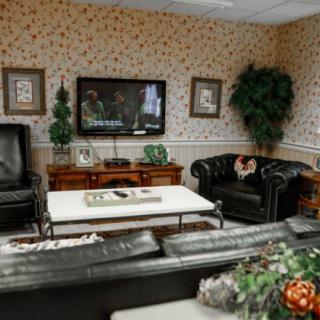
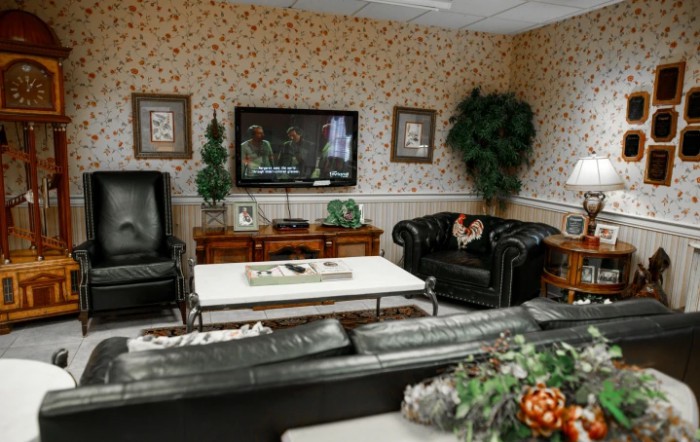
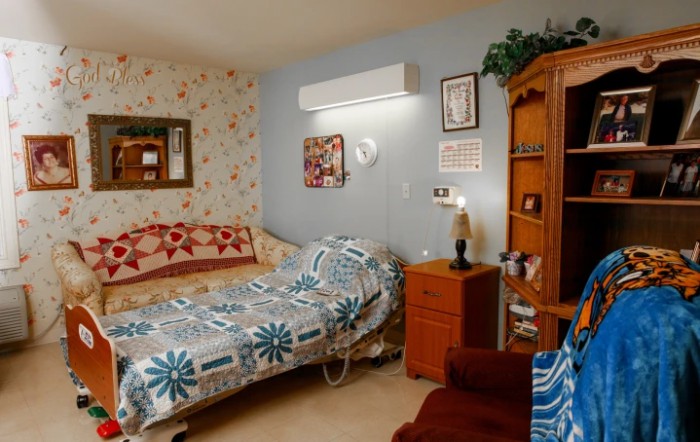
- The decorations and interior are nice and look freshly done.
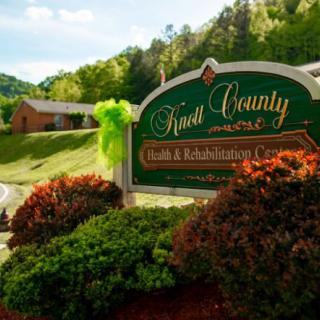
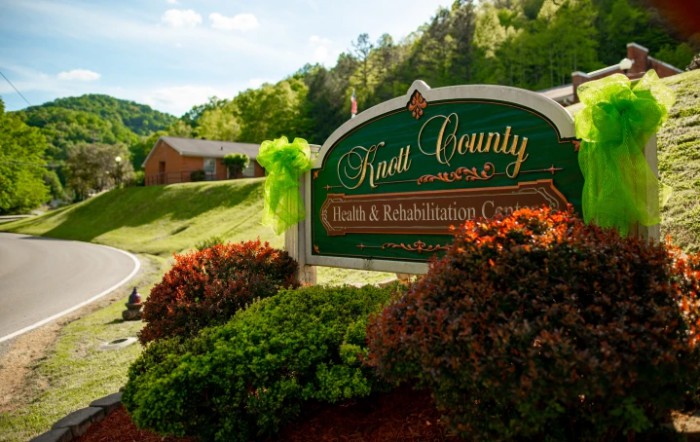
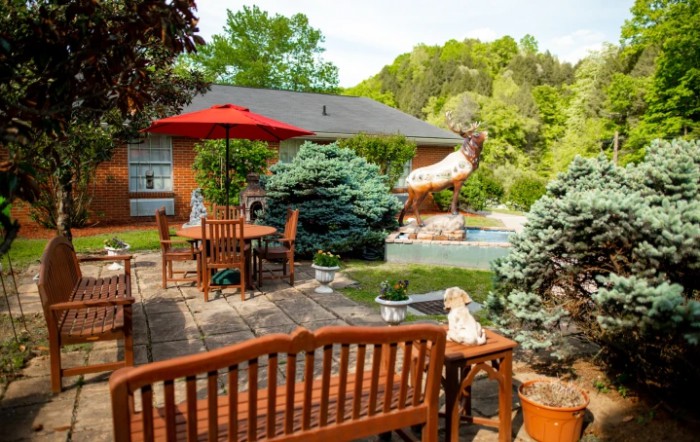
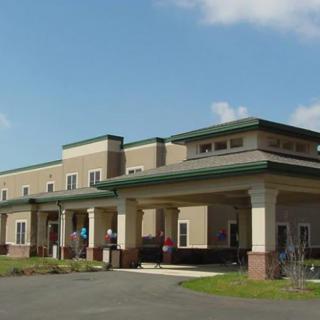
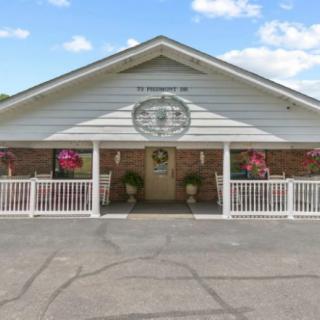
- The exterior features greenery, flowers, and seating for visitors.
- The facility houses animals for residents who enjoy companionship.
- The staff are friendly, the facility is kept clean, and they do a fantastic job of caring for all residents.
Cons
 The grandmother's condition worsened due to the treatment she received.
- The grandmother was hospitalized for over a month due to pneumonia and required a chest-draining procedure with potential surgery.
- The staff did nothing to fix the problem.
- The facility is located next to a garbage dump.
- Visitor parking is limited to fewer than 20 spaces and is frequently full.
- The employee parking lot is reserved for employees, which makes visitors uncomfortable parking there when the visitor lot is full.
- The staff seem to be understaffed.
Review
Knott County Health and Rehabilitation Center in Hindman, KY is best suited for families that value a warm, relationship-driven approach to care. This community shines when staff demonstrate genuine, personalized attention and when residents benefit from a home-like setting where amenities, such as on-site animals, pleasant décor, and seasonal touches, help create a comforting atmosphere. It is especially well-matched for residents who do not require constant, high-intensity medical interventions but do need reliable daily assistance, social engagement, and a sense of community. For families prioritizing heartfelt staff interactions and a welcoming environment, this center offers undeniable strengths.
That said, some families should consider alternatives. Those whose loved ones require rapid, highly skilled medical responsiveness or frequent acute clinical oversight may find other options better suited to their needs. A perception of understaffing at times can translate into slower response to crises or evolving medical concerns. Additionally, practical drawbacks, such as limited visitor parking and a campus location near a garbage dump, could weigh on the overall experience, particularly for families who visit daily or rely on easy access. For residents with complex memory care needs, or for families seeking highly specialized dementia programming, it is prudent to compare how other facilities structure care plans and crisis management.
The strongest positives here revolve around the care culture and the environment. Reviewers consistently praise the staff for professionalism, warmth, and a family-like treatment of residents and their relatives. The center’s cleanliness, the upkeep of interiors, and the inviting exterior contribute to a dignified, homelike feel that resonates with families seeking a reassuring, steady presence. The presence of animals and pleasant, seasonal decor add meaningful enrichment for residents who enjoy companionship or simple, comforting surroundings. In practice, these pros translate into attendees feeling that their loved ones are valued and well cared for at most times.
However, the main concerns cannot be ignored when weighing a decision. Reported gaps in medical responsiveness in serious situations are a red flag for families that cannot tolerate delays in necessary treatment. Coupled with notices of understaffing and operational inconveniences like crowded visitor parking, these factors can erode confidence during critical moments. The combination of strong personal care in daily routines with potential lapses in crisis management creates a clear tension: the environment and day-to-day interactions are appealing, but the facility’s capacity to address urgent medical needs promptly remains a legitimate worry for prospective residents and their advocates.
For families actively evaluating options, use a practical, evidence-based decision process. Schedule a candid tour and observe staff interactions with residents, noting how caregivers communicate during routine care and in moments of stress. Ask to review state or regulatory inspections, staffing ratios, and the center’s emergency response protocols. Inquire specifically about memory care programming if memory-related needs are present, and request a direct conversation with front-line nurses or care coordinators about how acute changes are managed. Inspect the parking situation at peak visiting hours and consider whether the campus setting aligns with daily visit logistics and safety. Finally, compare meal plans and dietary accommodations to ensure nutritional needs and preferences can be consistently supported.
Ultimately, Knott County Health and Rehabilitation Center delivers undeniable warmth, dignity, and a visually comforting environment that many families will find compelling. For residents whose needs are met by strong relational care, engaging activities, and a steady routine, this facility can feel like a lifeline and a genuine home. Yet for those requiring rigorous, immediate medical interventions or for families sensitive to visit logistics and environmental drawbacks, it is wise to explore alternatives in the region. The right choice will hinge on balancing the value placed on interpersonal care and ambiance against the importance of robust, responsive clinical oversight and unfettered access to the community when visits matter most.
 92 resident community capacity
 Skilled Nursing Facility
 Air-conditioning
 Beauty salon
 Cable or satellite TV
 Computer center
 Dining room
 Fitness room
 Fully furnished
 Gaming room
 Garden
 Housekeeping services
 Kitchenette
 Move-in coordination
 Outdoor space
 Private bathrooms
 Restaurant-style dining
 Small library
 Telephone
 Wellness center
 Wi-Fi/high-speed internet available
 Community operated transportation
 12-16 hour nursing
 24-hour call system
 Activities of daily living assistance
 Assistance with bathing
 Assistance with dressing
 Assistance with transfers
 Diabetes diet
 Medication management
 Mental wellness program
 Special dietary restrictions
 Concierge services
 Planned day trips



 Nurturing Our Elders: Linda's Journey of Supporting Her Mother
 A Comprehensive Exploration of Common Misunderstandings about Powers of Attorney
 Senior Move Management: Understanding the Role, Value, and Associated Costs