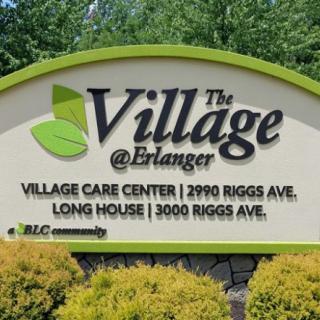




2990 Riggs Avenue, Erlanger, KY 41018
For more information about senior living options: (866) 208-4318
Overall Review of Village Care Center
Pros
 It is quiet, and everyone is friendly.
- The staff members are helpful.
- The rent is reasonable.
- It has an activity calendar and an activity coordinator; they try to do something every day.
- They offer restaurant-style meals.
- The resident director and activities director are very nice.
- The facility was bright, modern and cheerful.
Cons
 The facility reportedly had never enough staff, was never clean, and residents were never watched; the last days were described as horrible.
- It did not provide adequate physical therapy and seemed more focused on preventing falls than helping residents regain mobility.
- A walker was buried in the back of a bathroom while a wheelchair sat by the bed, indicating poor attention to mobility aids.
- There were no clear rules about employee vaccinations and the site was described as having a COVID outbreak with no masks visible.
- A staff member (described as creepy) in one unit was singled out, suggesting unsafe conditions.
- Care for the elderly included neglect such as failing to wash and brush hair, leading to matting and an unwanted haircut against the resident’s wishes.
- In Alzheimer’s care, residents were said to receive insufficient attention, be left on the toilet, and not be moved regularly, raising safety concerns.
- A nurse allegedly tried to administer pills to a sedated resident, risking choking and indicating unsafe practices.
- Families reported staff disappearing when they visited, leaving residents unattended or not repositioned, and neglecting basic needs like toileting.
Review
Village Care Center in Erlanger, KY is best for families who are prepared to take an active role in oversight and care coordination. The reviews show a facility that can function well for residents who need light to moderate assistance and who can benefit from a caring staff when they are fully present. This community rewards vigilance: daily check-ins, clear questions to therapy and nursing, and a hands-on advocate at the bedside appear to influence outcomes and day-to-day satisfaction. In short, it is not a hands-off option; it works best when someone on the outside is credible, engaged, and present.
Those weighing alternatives should consider this center if a loved one demands consistently high staffing reliability, rigorous safety practices, and a robust rehabilitation program. The strongest warning from the reviews is that staffing levels and attentiveness vary, and that can translate into lapses in safety, cleanliness, and progress toward mobility goals. For families prioritizing steady rehabilitation gains, predictable caregiver coverage, and a consistently clean environment, other communities with stronger track records in PT intensity and daily resident monitoring will likely serve better.
On the upside, there are affirming impressions embedded in the feedback. A subset of reviewers describes Village Care Center as a “great place” with staff who are capable and attentive when they are present, and they note a positive atmosphere and friendly interactions in portions of the day. Those viewpoints matter because they signal that, under the right staffing patterns, residents can enjoy dignity, decent companionship, and meaningful daily routines. The core differentiation is whether the facility maintains that level of presence consistently across all shifts and days.
The primary drawbacks lie in sustained staffing gaps and safety-related gaps that recur across multiple accounts. Reviewers recount too-frequent episodes of insufficient supervision, inconsistent help with activities of daily living, and gaps in rehabilitation focus. Specific concerns include danger signs for fall-prone residents, misplacement of assistive devices, delayed bedding changes, and questions about whether therapists are aggressively pushing mobility goals. Cleanliness and daily maintenance also surface as recurring issues, suggesting that the lived experience can swing from hopeful to frustrating depending on who is staffing and when.
To navigate a potential move to Village Care Center, families should adopt a rigorous, proactive verification process. Schedule extended tours with opportunities to observe therapy sessions and bedside care, and ask for real-time examples of staffing ratios by shift. Request a clear, written care plan with defined rehab milestones, fall-prevention protocols, and a system for promptly addressing call lights and housekeeping requests. Speak with current residents or family members about daily routines, and insist on seeing the low-bed setups, mats, and safe fall-prevention equipment in place. Make a plan for ongoing daily or near-daily visits to maintain visibility into care quality.
Bottom line: Village Care Center can be a viable choice for families willing to champion accountability and for residents who don’t require around-the-clock, specialized supervision. When vigilance lapses, however, the drawbacks, staffing variability, safety and cleanliness concerns, and uneven progress in rehabilitation, can outweigh the benefits. Those with the strongest rehab goals, persistent mobility needs, or uncompromising standards for safety and cleanliness may want to explore alternatives first, reserving Village Care Center for a trial period only after explicit assurances about staffing stability and a documented, actionable care plan.
 100 resident community capacity
 Skilled Nursing Facility
 Air-conditioning
 Beauty salon
 Cable or satellite TV
 Computer center
 Dining room
 Fitness room
 Fully furnished
 Gaming room
 Garden
 Housekeeping services
 Kitchenette
 Move-in coordination
 Outdoor space
 Private bathrooms
 Restaurant-style dining
 Small library
 Telephone
 Wellness center
 Wi-Fi/high-speed internet available
 Cincinnati Northern Kentucky International (4 miles away)
 Community operated transportation
 12-16 hour nursing
 24-hour call system
 Activities of daily living assistance
 Assistance with bathing
 Assistance with dressing
 Assistance with transfers
 Diabetes diet
 Medication management
 Mental wellness program
 Special dietary restrictions
 Concierge services
 Planned day trips








 Understanding the Nuances of Palliative Care and Hospice: A Comprehensive Exploration
 Is In-Home Healthcare Tax Deductible? Your Comprehensive Guide
 Nurturing Well-Being Through Gardening: A Detailed Guide for Senior Enthusiasts