Overall Review of Wichita Care & Rehabilitation Center
common20 reviews mention this
Staff are caring and friendly
Staff are described as caring, kind, and friendly by many residents and families.
Many reviewers describe the staff as polite, compassionate, and supportive, often highlighting the care-giver relationship and teamwork on the unit. A number of comments also mention leadership and improvements that residents and families noticed. Some reviews, however, include serious complaints about staff mistreatment or a rude administrator.
differentiator9 reviews mention this
Care quality improves with leadership
Reviewers repeatedly point to positive change over the past year.
Several families and visitors describe the facility as having improved recently, with changes that they felt affected both day-to-day care and the overall environment. Comments specifically call out better teamwork, helpful administration, and an improving facility direction. One visitor also frames the shift as a notable transformation compared with a prior visit.
caveat2 reviews mention this
Short staffing affects residents
Some residents report delays in getting help due to understaffing.
Two reviews describe staffing levels as a problem, with one mentioning that help was not provided right away. Another comments directly on short staffing that they felt resulted in care gaps. These concerns appear alongside other reviews that describe the staff as doing their best.
caveat3 reviews mention this
Cleanliness and pests raise alarms
Several reviewers describe major cleanliness problems.
Some reviewers say the facility was dirty, with one describing an unsafe, poorly maintained condition. Another review adds reports of pests and serious safety concerns. A third review also mentions dirtiness along with staffing challenges, describing a need for more consistent support.
common4 reviews mention this
CMS ratings are mentioned often
Multiple reviews reference CMS star ratings and related progress.
A handful of reviewers mention CMS star ratings, tying them to improvements and positive changes. Several of these comments connect the rating to better care, a stronger team, and improved food and activities. Not every review focuses on ratings, but they recur in the positive feedback.
How we summarize
Counts show how many written reviews mention each theme; a review can touch several themes, and only frequently mentioned themes are displayed.
Features
Housing
50 resident community capacity
Types of Care
Skilled Nursing Facility
Amenities
Beauty salon
Cable or satellite TV
Dining room
Fully furnished
Garden
Housekeeping services
Kitchenette
Move-in coordination
Outdoor space
Restaurant-style dining
Small library
Telephone
Wi-Fi/high-speed internet available
Transportation
Wichita Mid-Continent (8 miles away)
Care Services
24-hour call system
24-hour supervision
Activities of daily living assistance
Assistance with bathing
Assistance with dressing
Assistance with transfers
Diabetes diet
Meal preparation and service
Medication management
Mental wellness program
Special dietary restrictions
Dining
Diabetes diet
Special dietary restrictions
Activities
Community-sponsored activities
Resident-run activities
Scheduled daily activities
Videos
Nearby Places of Interest
Physicians
Midwest Surgical Pa (0.4 miles)
Kansas Professional Anesthesia & Pain Management (0.5 miles)
Allergy & Asthma Center (0.6 miles)
Vitreo-Retinal Consultants (1.7 miles)
Douthit Douglas D MD (1.8 miles)
Via Christi Clinic (1.8 miles)
Wichita Radiological Group PA (1.8 miles)
Pharmacies
CVS Pharmacy (0.7 miles)
Walgreens (1 miles)
Walgreens (1.6 miles)
CVS Pharmacy (1.7 miles)
Broadway Pharmacy (2.5 miles)
Walgreens (2.6 miles)
Walgreens (3 miles)
Parks
College Hill Park (0.9 miles)
Edgemoor Park (2.3 miles)
Herman Hill Park (3.1 miles)
Air Park (3.2 miles)
Places of Worship
Blessed Sacrament Catholic Church (1.1 miles)
Saint Marks Church of God in Christ (2.2 miles)
World Impact (2.5 miles)
St Thomas Aquinas (3 miles)
Chapel of the Sorrowful Mother (3.1 miles)
Galilee Church of God in Christ (3.3 miles)
Restaurants
The Hill Bar & Grill (1.2 miles)
Tanya's Soup Kitchen (1.8 miles)
Central Standard Brewing (1.9 miles)
Taco Shop (2.1 miles)
McDonald's (2.2 miles)
Meddys (2.2 miles)
Bubba's 33 (2.3 miles)
Cafes
Panera Bread (1.6 miles)
Il Primo Espresso Caffe (2.2 miles)
Leslie Coffee Co. (3.5 miles)
Starbucks (3.5 miles)
Theaters
Regal Warren Old Town (2.6 miles)
Hospitals
Ltac Of Wichita (2.7 miles)
Via Christi Clinic on Emporia (3 miles)
Via Christi Hospital On St Francis (3.1 miles)
Ascension Via Christi Rehabilitation Hospital (3.3 miles)
Elder abuse affects many older adults worldwide and includes physical, emotional, neglectful, and financial harm, with about one in six individuals over 60 experiencing abuse annually. Prevention and intervention strategies focus on awareness, support for caregivers, and mandatory reporting, while recovery necessitates comprehensive support for both physical and emotional needs.
The guide details ten essential responsibilities of senior caregivers, including personal care, mobility assistance, medication management, and emotional support, while emphasizing the importance of safety, nutrition, and maintaining a safe living environment to enhance seniors' quality of life and independence.
The article highlights nine memory-boosting activities for seniors that enhance cognitive health and social interaction, including puzzles, trivia quizzes, and storytelling, while emphasizing the importance of adapting these activities to individual preferences to maximize enjoyment and engagement. Consistent mental engagement is linked to improved cognitive function and emotional well-being in older adults.
Get PricingAsk A QuestionSchedule A TourContact Senior Advisor
By clicking submit, you agree to our Partner's Terms of Use. You
also consent to receive calls and texts, which may be autodialed, from our Partner. Your consent is not a condition to
using our Partner's service. Please visit our Partner's Privacy Policy for information about their privacy practices.

 50 resident community capacity
 Skilled Nursing Facility
 Beauty salon
 Cable or satellite TV
 Dining room
 Fully furnished
 Garden
 Housekeeping services
 Kitchenette
 Move-in coordination
 Outdoor space
 Restaurant-style dining
 Small library
 Telephone
 Wi-Fi/high-speed internet available
 Wichita Mid-Continent (8 miles away)
 24-hour call system
 Activities of daily living assistance
 Assistance with bathing
 Assistance with dressing
 Assistance with transfers
 Diabetes diet
 Medication management
 Mental wellness program
 Special dietary restrictions
 Affordable private and semi-private rooms relative to county and state averages.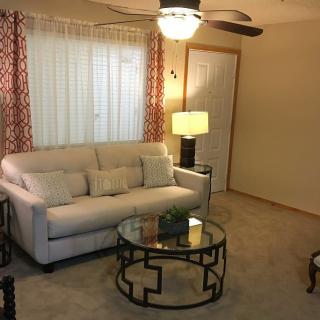

 Powerful Realities of Elder Abuse and the Most Effective Ways to Report It
 Ten Vital Duties of a Senior Caregiver: A Comprehensive Guide
 9 Stimulating Memory Activities for Seniors: Puzzles, Cards, and Much More