










12340 Quivira Road, Overland Park, KS 66213
For more information about senior living options: (866) 208-4318
Overall Review of Stratford Commons Memory Care
Pros
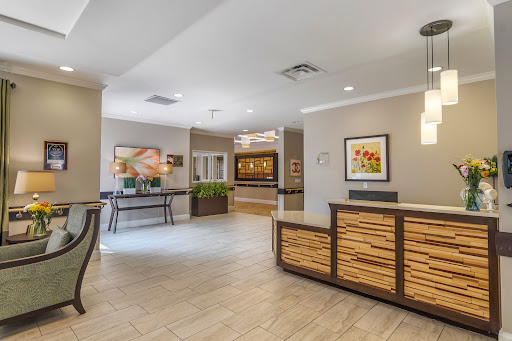
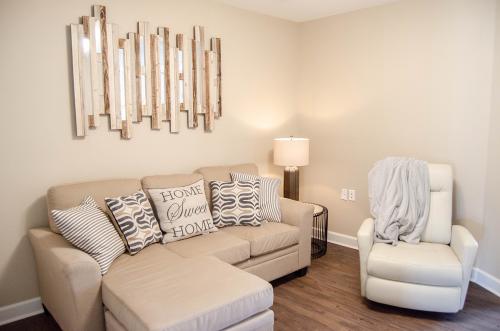
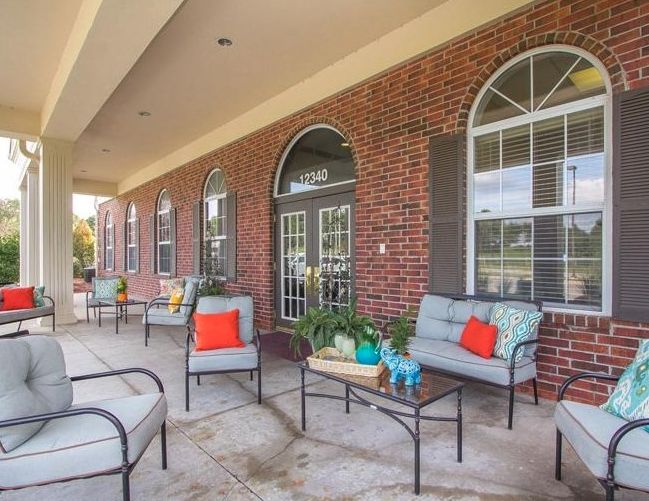
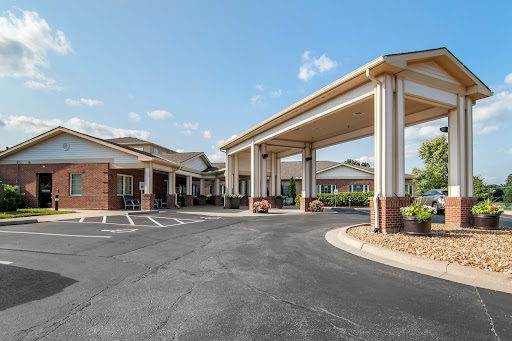
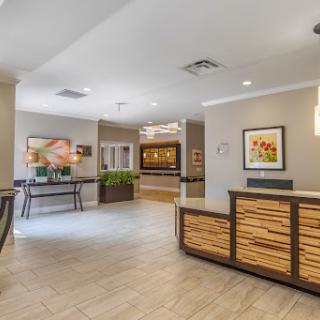
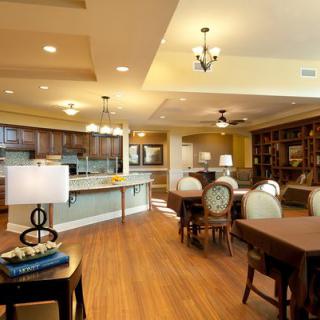
 Stratford Commons is a very nice place, updated and very clean.
- The pricing offers good value, about $1,000 cheaper per month than other options.
- The staff are very nice and attentive.
- The center has on-site professionals, including a doctor, podiatrist, dentist, and hair services.
- It offers a lot of amenities and has a layout that helps residents not get lost.
- The food is delicious.
- Daily transportation is available, and prescriptions can be filled on-site with bubble-packed medications.
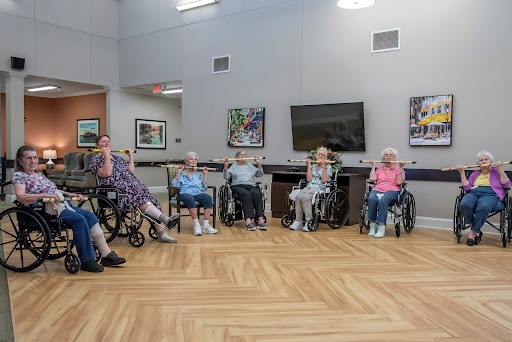
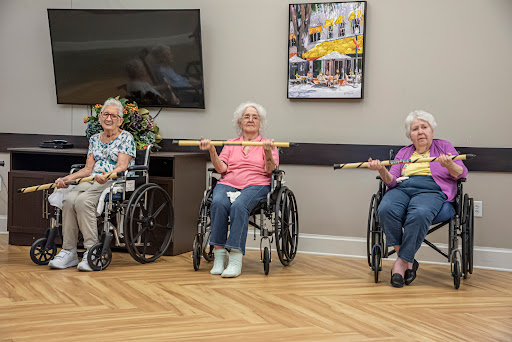
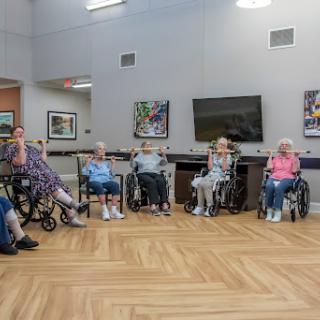
- There are plenty of activities, such as bingo, music, arts and crafts, and movie nights, plus a monthly newsletter with a calendar.
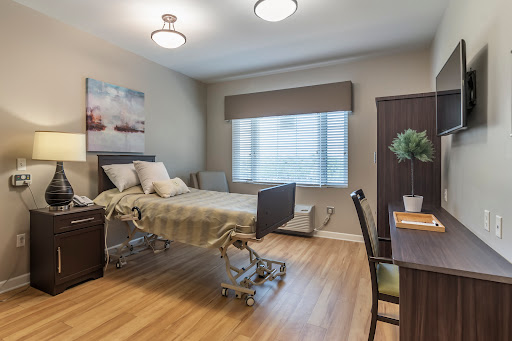
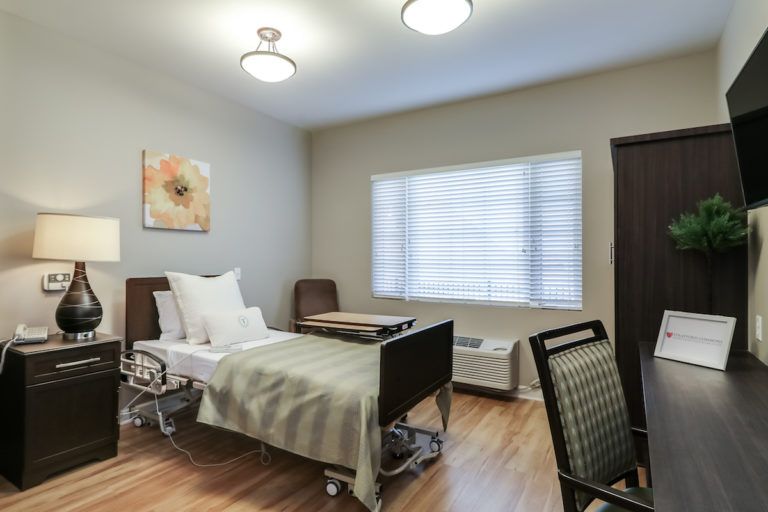
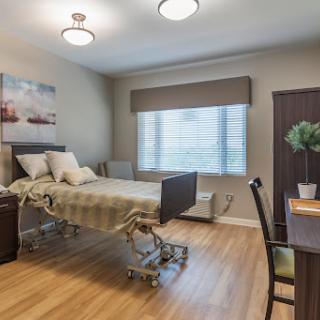
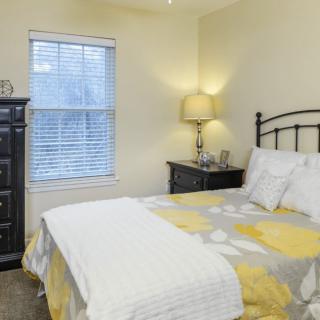
- All rooms are newly renovated and very clean.
- The facility feels welcoming, with staff who are considerate and excellent.
- It is a one-level building, making navigation easy for residents.
Cons
 They felt the facility was too large for their mother, who would likely feel constantly lost.
- The sales approach focusing on finances felt off-putting, and the director’s questions about money turned them away.
- In memory care, staff were not always available to meet residents’ needs, with high turnover among supervisory personnel.
- The memory care unit lacked group transportation to take residents to outside activities.
- The resident lost more than $300 worth of personal items during the stay.
- A nurse named Tony was described as rude and ignoring requests for assistance.
- There was a long delay in nurse-call responses, with some visits taking over 20 minutes.
- The price was expensive, at over $5,000 per month.
Review
Stratford Commons Memory Care in Overland Park is best suited for families seeking a value-forward, one-level memory-care community where residents can navigate easily, stay active, and access on-site medical services without chasing care off-site. The setting appeals to those who want a clean, updated environment with regular physician involvement, podiatry, dentistry, and even beauty services on site. It suits residents who thrive on structure: a robust calendar of activities, scheduled bus outings, and a predictable all-inclusive monthly price that covers care, meals, and programming. Those with tighter budgets or a preference for a smaller, more intimate home-like atmosphere should consider alternatives. Families prioritizing strong outside transportation for regular excursions or requiring highly specialized care options may find other communities a better fit.
The positives stack up in several tangible ways. Rooms are comfortable and well-appointed, with generous footprints and accessible layouts that reduce the sense of confinement often found in memory-care settings. The campus design emphasizes safety and orientation, keeping residents from getting lost as they wander between living areas, dining rooms, and gathering spaces. On the medical side, Stratford Commons delivers comprehensive access: a physician on site each week, plus in-house podiatry, dental care, and salon services; medication management through on-site pharmacy and blister-pack arrangements to minimize dosing errors. The activity slate, bingo, music, arts and crafts, movie nights, and the regular newsletters create clear structure and purpose for daily life, while transportation for outings broadens social and experiential opportunities.
Yet the size of Stratford Commons is a double-edged feature. The large, sprawling campus offers abundant choices, but several families worry that the sheer scale could overwhelm or confuse residents, particularly those who recently transitioned from home. The counterbalance lies in its navigable design: a central activity hub and a square-like floor plan that funnels residents toward communal spaces, reducing disorientation. Staffing stability shows a similar mix. The majority describe staff as caring and attentive, but turnover among supervisory personnel and activity coordinators has led to inconsistent programming and occasional gaps in responsiveness. Crises of tone or tone misalignment do surface in isolated instances, reminding families that consistent, proactive communication with leadership remains essential to sustained satisfaction.
Pricing is clearly a central decision lever, and Stratford Commons delivers both promise and caveat here. Several families report an all-inclusive rate that covers care level, meals, and activities, with numbers commonly landing in the mid-$5,000s to low-$6,500s per month. In many comparisons, this is presented as a meaningful value, often about $1,000 less than comparable options in the region, though others label the price as high within the local market. The all-inclusive model is inherently attractive for budgeting and dispute-free billing, but the sticker shock can still give pause for families with tighter financial constraints. The prudent path is a precise quote that accounts for room size, level of care, and respite needs, plus a clear, written delineation of what is and isn’t included.
Resident experiences at Stratford Commons are varied, yet consistently point to a core strength: a warm, caring culture when care is well-matched to the resident’s needs. Many families describe the staff as courteous, patient, and genuinely engaged, and they celebrate the improved condition of rooms and common areas as the community modernizes. Food tends to rate positively, and the extended activity program offers meaningful opportunities to participate or observe. At the same time, stories surface about missed calls, occasional delays, and, in rare cases, personal-item losses or friction with a particular staff member. These outliers matter and should be weighed against the prevailing sentiment of attentive care and daily purpose that Stratford Commons tends to deliver.
Ultimately, Stratford Commons Memory Care is a strong choice for families who want a comprehensive, one-stop memory-care setting with excellent on-site medical services, an active and predictable schedule, and a clearly navigable layout that reduces confusion for residents. It is especially well-suited for those who value inclusive pricing and a home-like, community-centric atmosphere. Alternatives should be considered for residents who require a smaller, more intimate footprint, aggressive outside transportation for endless social options, or a stricter budget. The recommended due diligence includes a guided tour, a candid conversation about staffing ratios and turnover, and a trial respite to verify compatibility with the resident’s daily rhythm before committing long-term.
 57 resident community capacity
 1-bedroom apartments
 Skilled Nursing Facility
 Air-conditioning
 Beautician on-site
 Cable or satellite TV
 Computer center
 Dining room
 Fitness room
 Fully furnished
 Gaming room
 Garden
 Guest parking
 Housekeeping services
 Kitchenette
 Laundry
 Move-in coordination
 Outdoor space
 Overnight guests
 Party space
 Private bathrooms
 Respite or short term stays offered
 Restaurant-style dining
 Security gate
 Small library
 Telephone
 VA Benefits Consultation
 Wellness center
 Wi-Fi/high-speed internet available
 Community operated transportation
 24-hour call system
 Activities of daily living assistance
 Assistance with bathing
 Assistance with dressing
 Assistance with transfers
 Diabetes diet
 Medication management
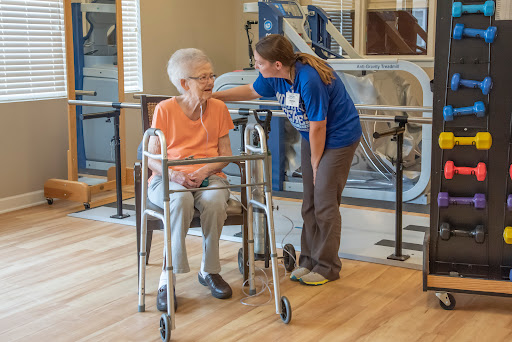
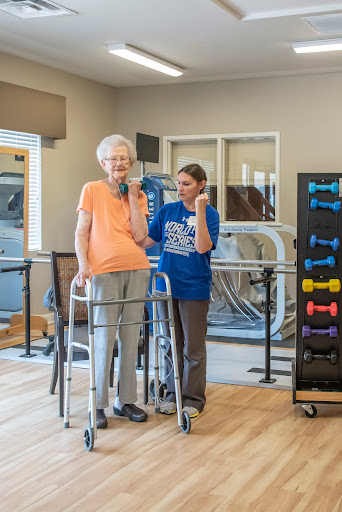
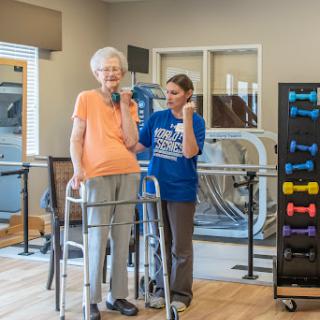
 Physical therapy
 Special dietary restrictions
 Arts and crafts
 Book club
 Concierge services
 Cooking club
 Educational speakers / life long learning
 Games
Games Live musical performances
 Planned day trips
 Religious services
 Wii bowling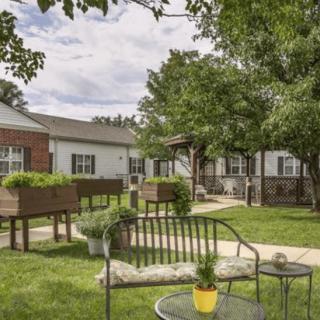


 Home Health Care Aides: Understanding Their Role and Supporting Your Family
 Urinary Tract Infections in Older Adults: Comprehensive Insights on Symptoms, Treatment, and Prevention
 California's Form 602A: An In-Depth Examination of Senior Care Assessment