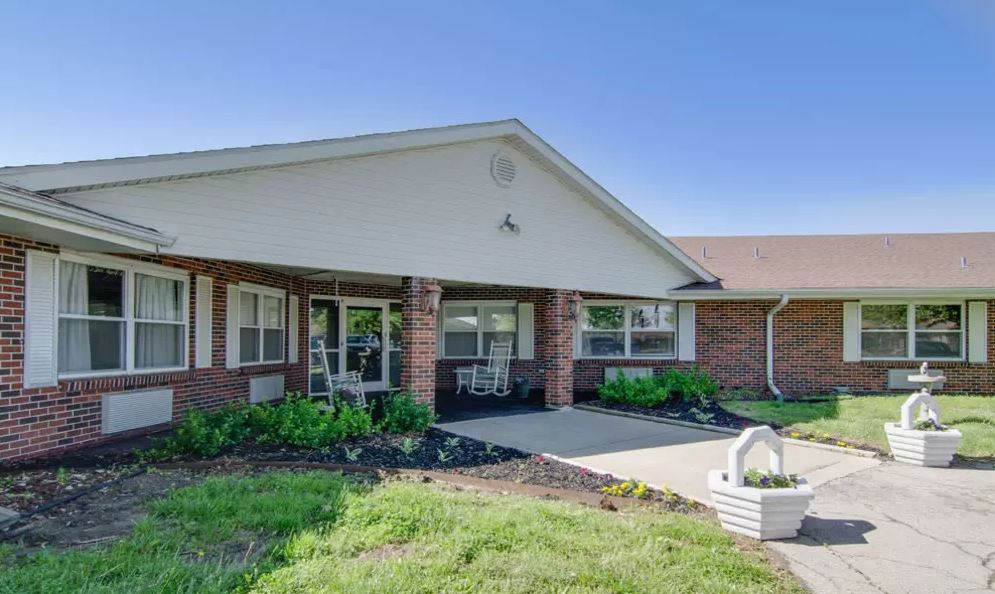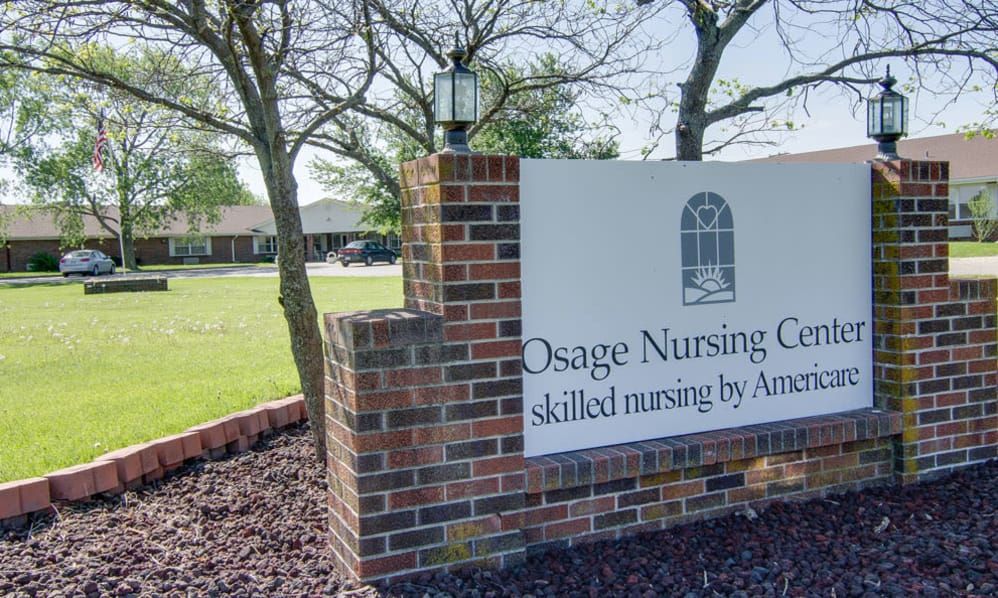
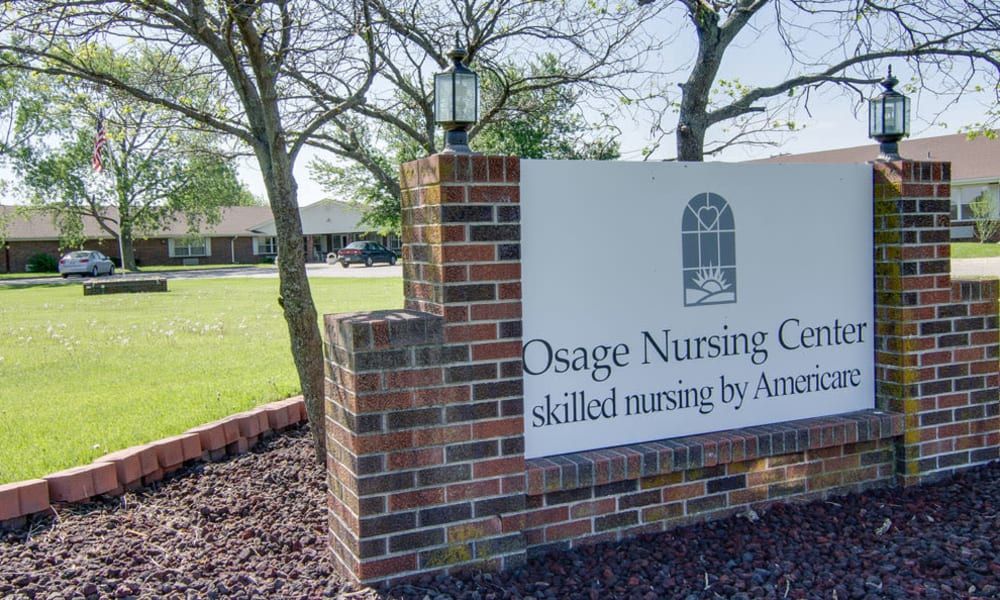





1017 Main St, Osage City, KS 66523
To contact a resident: (785) 528-3138
For more information about senior living options: (866) 208-4318
Osage Nursing Care Costs & Pricing
At Osage Nursing Care, the monthly costs for long-term care reflect both the quality of services provided and the local market environment. For a semi-private room, residents can expect to pay $4,422, which is notably higher than the average cost in Osage County at $3,601 but remains competitive when compared to the state average of $4,562. In contrast, the private room rate stands at $4,849, aligning perfectly with the county level while being slightly below the Kansas state average of $5,137. This pricing structure suggests that while Osage Nursing Care's costs may exceed local averages for shared accommodations, they offer value that matches or undercuts broader state trends for private living arrangements, highlighting their commitment to providing high-quality care in a supportive environment.
| Floor plans | Osage Nursing Care | Osage County | Kansas |
|---|---|---|---|
| Semi-Private | $4,422 | $3,601 | $4,562 |
| Private | $4,849 | $4,849 | $5,137 |
Overall Review of Osage Nursing Care
Pros
 The facility and its staff are phenomenal; they care about residents, are clean, the food is good, and they know each resident by name.
- The therapy team is outstanding, with a kind and attentive physical therapist who follows up to ensure residents receive their medicines and meals.
- The administrator handles everything in a timely, efficient manner with a friendly smile.
- The staff are friendly, helpful, and genuinely concerned about residents’ needs.
- The nurses are nice and friendly.
- The facility is a great place for loved ones.
- Staff keep families well informed about residents’ health.
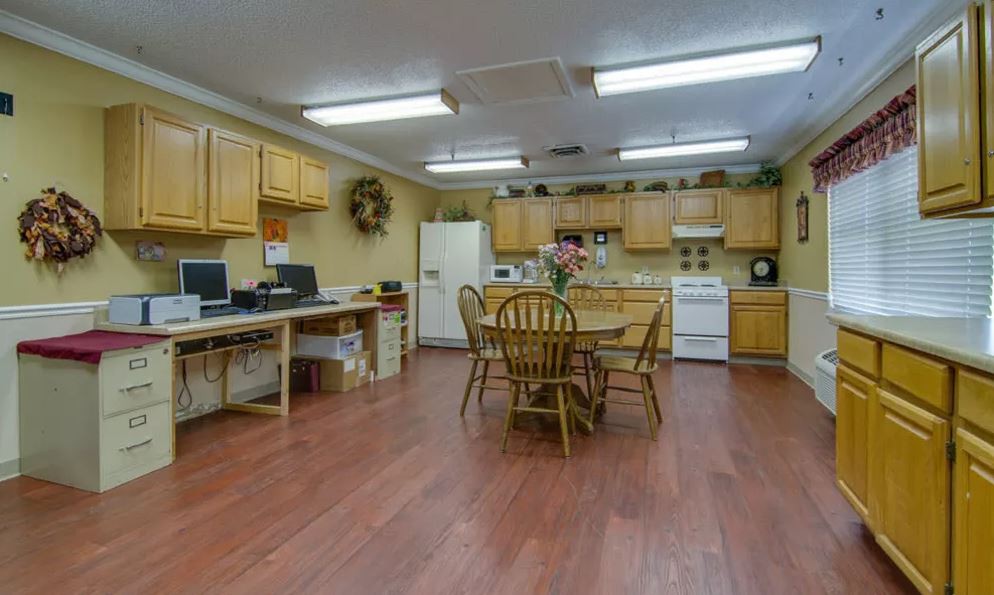
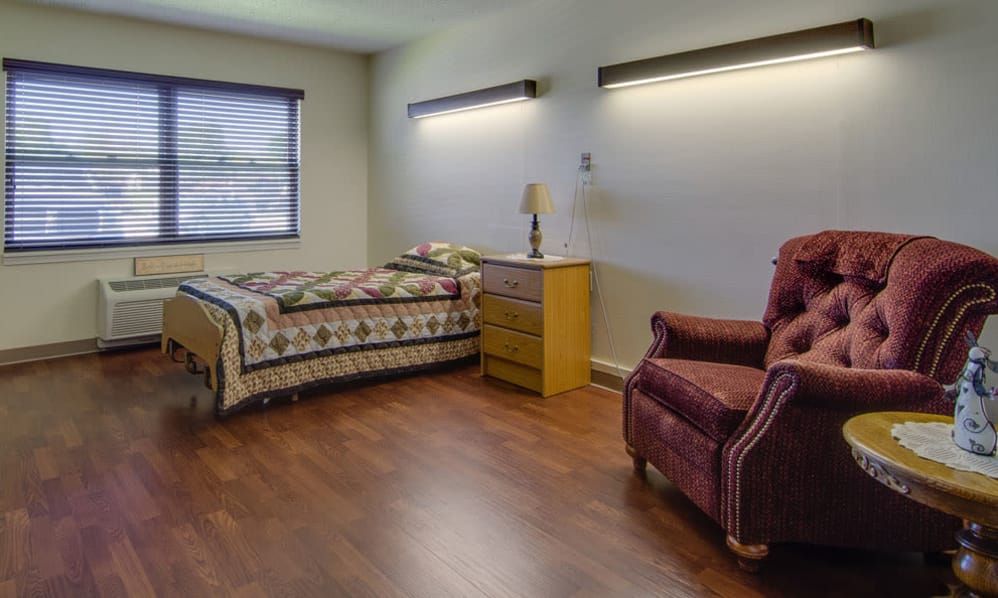
- Rooms are being remodeled to improve resident comfort.
Cons
 The facility has a putrid urine odor upon entry, with a resident screaming for help and no one responding.
- The staff are not welcoming and come across as rude.
- The facility is severely understaffed, leaving residents soaked and dirty during shifts.
- The staff appear more focused on their phones than on patient care.
- The place is so poor that even one's worst enemy wouldn't be sent there.
- There is poor communication with families and doctors, and staff do not follow doctors' orders.
- There are allegations that residents are drugged to avoid dealing with them.
- There is a lack of transparency around death notifications and difficulty obtaining family contact information.
- The meals are nutritionally lacking, with residents often offered baloney on white bread.
Review
This community is best suited for families that are willing to take an active, hands-on role in care and value small, personal touches when a resident’s day-to-day needs are met by attentive staff. Osage Nursing Care can work for individuals who prioritize moments of genuine connection, consistent routine, and visible therapy engagement, especially when a family member benefits from rehabilitative services and a remodeling that promises more comfort. The facility demands oversight, because positive experiences hinge on individual caregivers who go the extra mile; without that advocacy, risk of lapses grows quickly.
Those who should consider strong alternatives are families seeking unwavering reliability, transparent communication, and ironclad safety. If consistent staffing levels, prompt doctor-to-family coordination, and a system-wide standard of care are non-negotiable, Osage Nursing Care may not satisfy. Families with loved ones requiring complex medical management or extremely sensitive behavioral needs may encounter too much variability, a pattern that can compromise safety and continuity of care. In short, when proactive governance by the family is not feasible, a more tightly run operation is worth prioritizing.
The most persuasive positives at Osage Nursing Care include caregivers who genuinely connect with residents, a therapy team praised for attentiveness and follow-through, and occasional administrative responsiveness that can translate into timely interventions. Remodeled rooms and a sense of cleanliness in certain wings offer reassurance, and in some cases staff members know residents by name and demonstrate real concern for comfort and routines. These strengths matter because they can offset some daily friction when staff remain patient, communicate clearly with families, and guide a resident toward meaningful progress in rehabilitation or daily living.
Yet the cons are substantial and frequently recur in the narrative: persistent understaffing that bleeds into care quality, residents arriving to rooms soaked or dirty, and staff seemingly distracted by personal devices rather than patient needs. Communication gaps, whether with families or with medical teams, leave families guessing about treatment plans, medications, and discharge timelines. There are alarming reports of mismanagement around medications and health decisions, and several accounts describe disrespectful or unreliably responsive staff. The combination of these issues erodes trust and can negate the more flattering observations about care.
To navigate a potential move to Osage with confidence, insist on concrete, observable commitments during tours and in writing. Request current staffing ratios by shift, and verify how frequently aides and nurses are assigned to the same residents. Ask for a copy of recent state inspections and any corrective action plans, then speak with the administrator and director of nursing about how they enforce accountability. Demand transparent daily care logs, a clear plan for nutrition and meal quality, and a mechanism for real-time family updates on medical decisions and changes in status. Schedule time to meet the therapy team and observe progress planning firsthand.
In the end, Osage Nursing Care can be a workable choice for families ready to engage actively, demand high standards, and monitor day-to-day care closely. When those conditions exist, the facility’s strengths, caring staff in parts, responsive therapy, and ongoing remodeling, can deliver meaningful, steady support for a loved one. However, if reliable staffing, rigorous communication, and consistent safety practices cannot be guaranteed, alternatives with stronger track records in these core areas will offer greater peace of mind. The decision should hinge on whether the family’s capacity to oversee care aligns with the facility’s current operational reality.
 21 resident community capacity
 Skilled Nursing Facility
 Activities on-site
 Beautician on-site
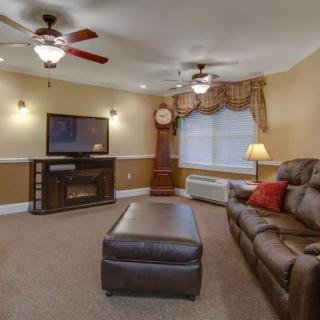
 Cable or satellite TV
 Devotional services on-site
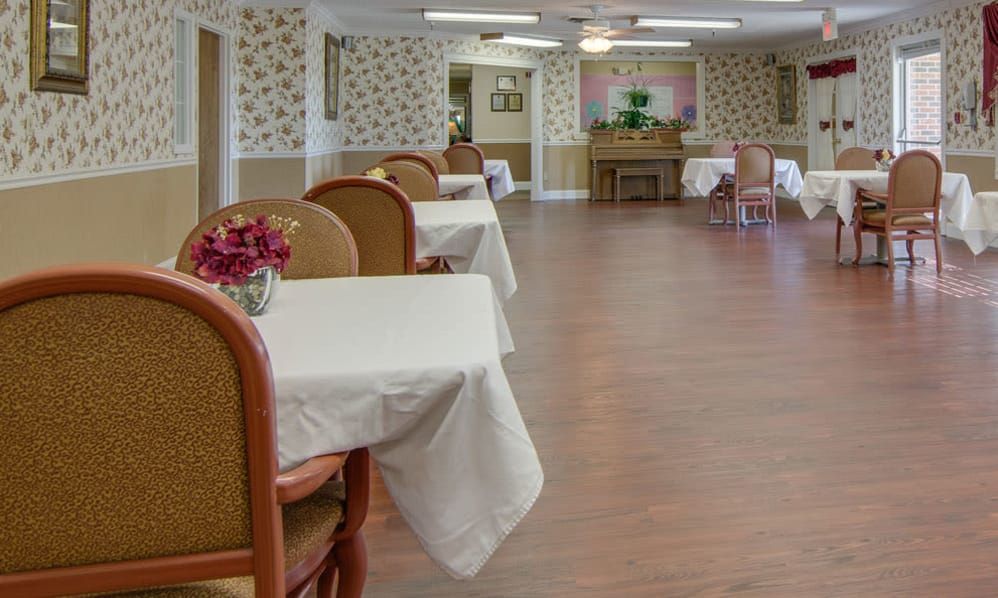
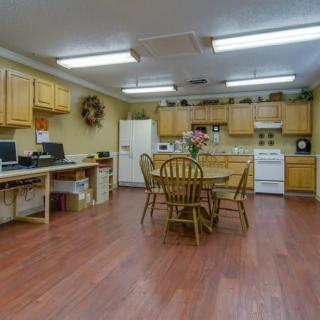
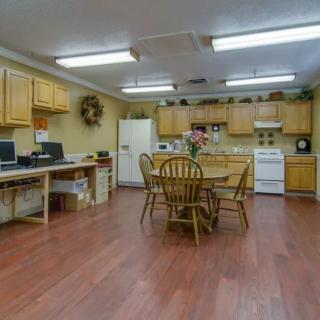
 Dining room
 Fully furnished
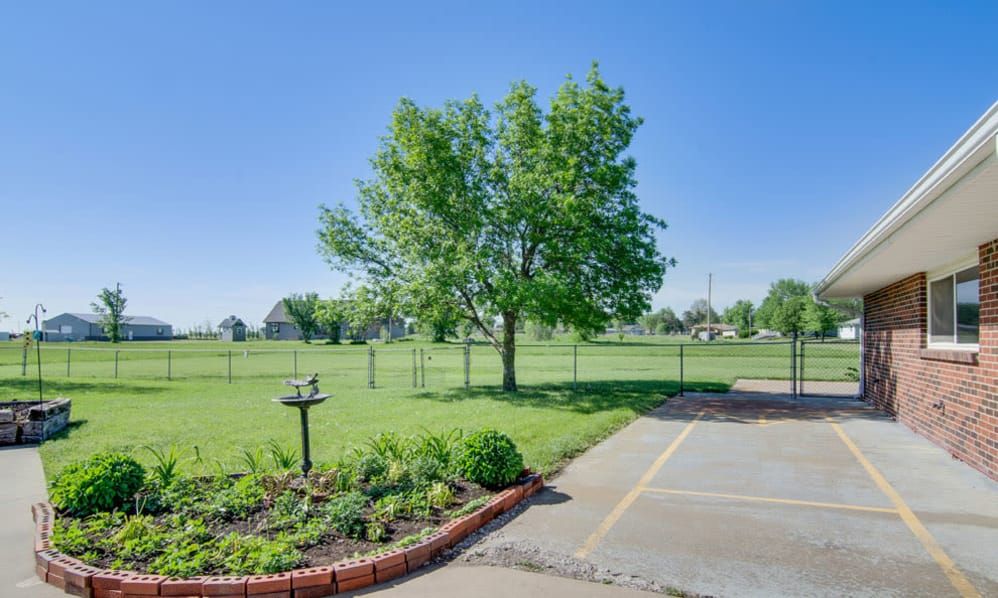
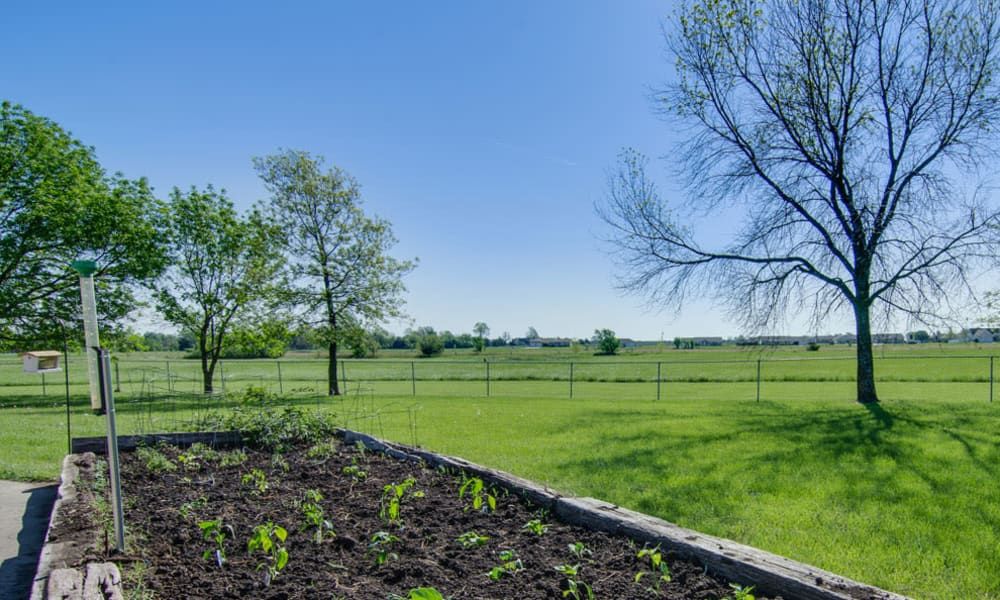
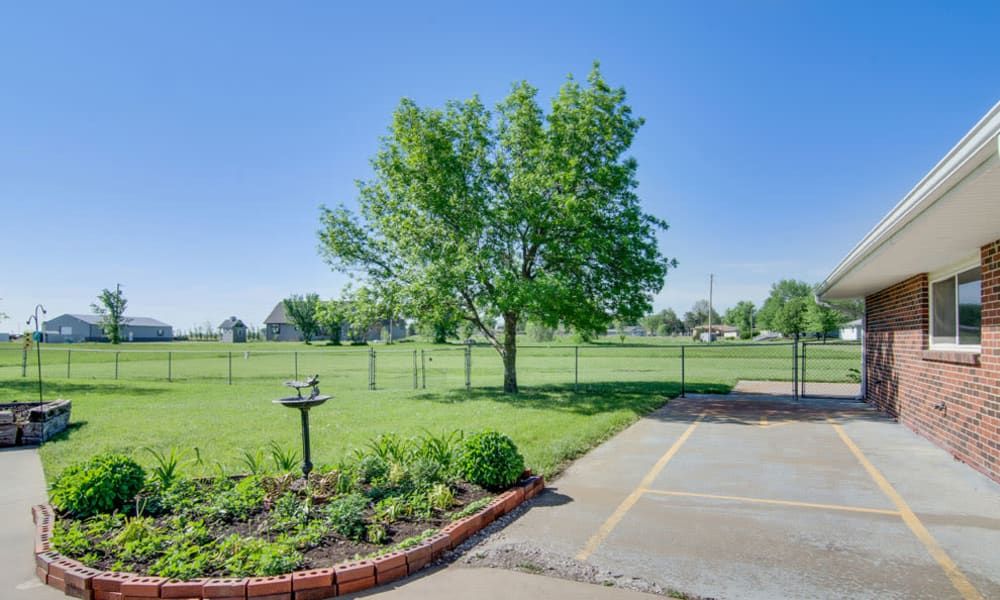
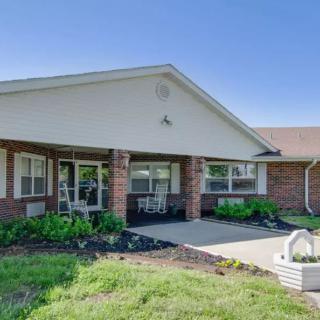
 Garden
 Housekeeping services
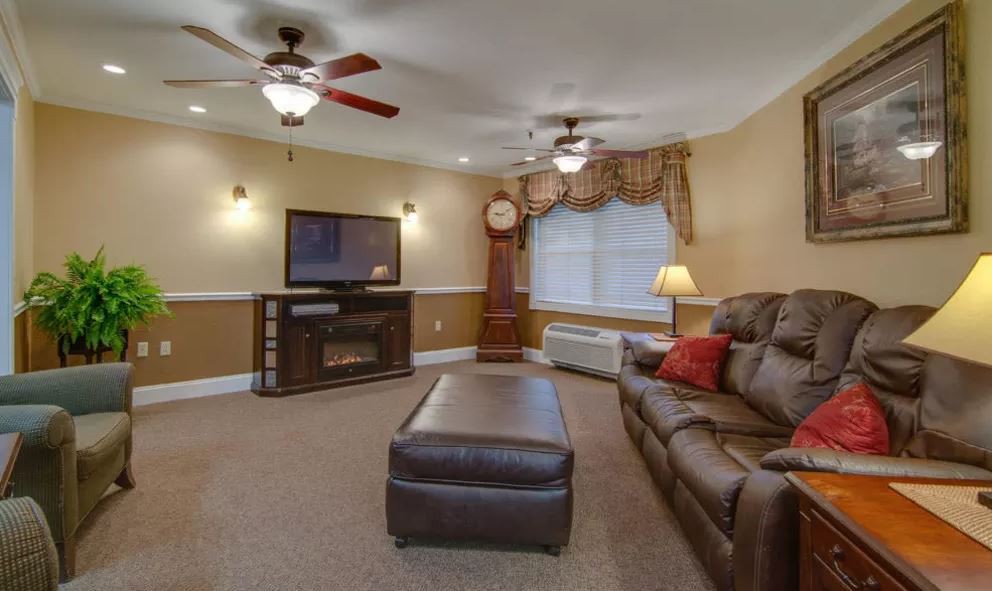
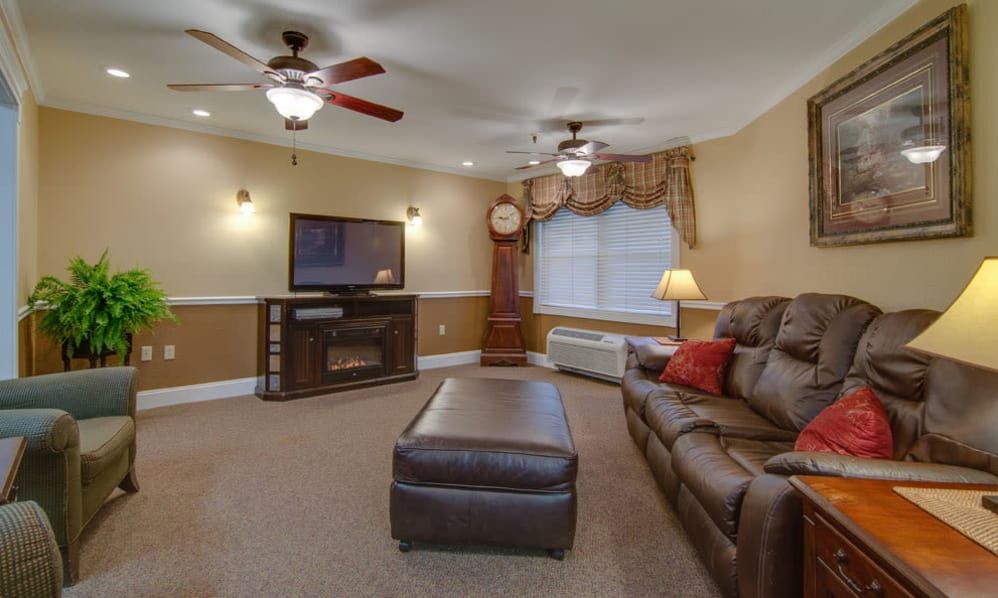
 Indoor common areas
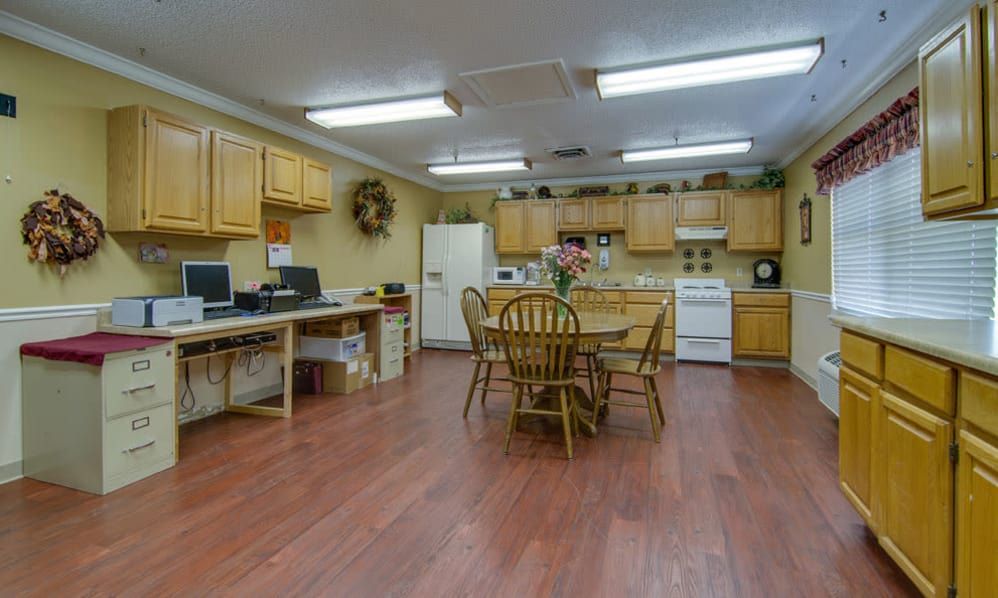
 Kitchenette
 Move-in coordination
 Outdoor common areas
 Private
 Respite or short term stays offered
 Telephone
 Wheelchair accessible showers
 Wi-Fi/high-speed internet available
 Forbes (23 miles away)
 24-hour call system
 Assistance with bathing
 Assistance with dressing
 Assistance with transfers
 Diabetes diet
 High acuity care
 Incontinence care
 Meal preparation and service
 Medication management
 Mental wellness program
 Special dietary restrictions
 Transportation arrangement (medical)
 Transportation to doctors appointments



 Home Health Care Aides: Understanding Their Role and Supporting Your Family
 Urinary Tract Infections in Older Adults: Comprehensive Insights on Symptoms, Treatment, and Prevention
 California's Form 602A: An In-Depth Examination of Senior Care Assessment