










801 East Grant, Meade, KS 67864
For more information about senior living options: (866) 208-4318
Overall Review of Meade District Hospital - Lone Tree Retirement - Long Term Care Unit
Pros
 The Lone Tree Nursing Home is regarded as the very best.
- The staff are outstanding and very caring.
- The staff came to help in emergencies and provided quick, compassionate care.
- Residents are well cared for and treated like family.
- The facility is clean, friendly, and welcoming, with a comfortable environment.
- Residents have freedom in the choices they make.
- The facility offers spacious rooms and excellent food, with attentive care from the staff.
Cons
 There have been terrible things said about the management and administration.
- Multiple reports have been made, yet nothing has changed.
Review
Meade District Hospital’s Lone Tree Retirement Long Term Care Unit is best suited for seniors who want a warm, hands-on care environment delivered in a comfortable, home-like setting. The facility sits within the Lone Tree Retirement program and is an especially solid fit for families seeking daily attentiveness, compassionate caregiving, and staff who treat residents like family. It appeals to those who value dignity and autonomy, residents can often choose activities and daily routines within a supervised framework. The campus emphasizes cleanliness, welcome, and steady, personal interaction between residents, staff, and visitors. For older adults who prize consistent human connection over a clinical, hospital feel, this community offers a practical, dependable option.
Those prioritizing governance and administrative predictability should scrutinize alternatives. Some reviewers raised concerns about management, reporting multiple issues without clear corrective action, which signals potential gaps in leadership responsiveness. Administrative transparency matters because it shapes how care plans are updated, how complaints are resolved, and how families stay informed. While the frontline caregiving remains consistently strong, governance weaknesses can color the overall experience, especially as needs evolve. Families who demand a track record of steady, proactive leadership may find themselves looking elsewhere to avoid drift in policy and practice. This caution is not about daily kindness; it is about the systems that sustain quality over time.
On the positive side, the core caregiving team delivers outstanding warmth and reliability. Staff are repeatedly described as caring, responsive, and willing to treat residents as part of a extended family. The environment feels clean and welcoming, with rooms described as spacious and comfortable. Residents benefit from meaningful activities and regular opportunities for social engagement, and the dining experience is frequently praised for quality and variety. Family involvement is encouraged, which helps residents feel rooted and respected. When emergencies arise, the front-line staff respond promptly, providing practical, hands-on support that reinforces trust in daily care.
Yet the most salient drawbacks center on leadership and governance. Administrative concerns can undermine confidence if not addressed, because leadership sets the cadence for policy updates, staffing norms, and cross-shift consistency. The frontline caregivers may carry the day-to-day care, but persistent questions about oversight can dampen satisfaction over time. The strong caregiving culture offsets some risk, but governance gaps may limit scalability for residents whose needs grow or change. The balance here favors those who are comfortable with a caring, neighborly feel while accepting that administrative issues could flare as conditions shift. In such cases, prospective residents should verify administrative stability and communication channels before committing.
Prospective families should take a practical, hands-on approach to evaluation. Schedule a tour that includes conversations with direct caregivers and the administrator, and ask pointed questions about care planning, staffing levels by shift, meal options, and daily activity schedules. Request sample care plans, recent survey results, and examples of how families are kept informed. Inquire about room configurations, social programming, and procedures when needs intensify. Observe mealtime and activity periods to assess consistency and warmth across shifts. Compare this community with a concise shortlist to determine which setting best aligns with the resident’s health status, lifestyle preferences, and the family’s tolerance for leadership variability.
When weighed against these factors, Lone Tree Retirement’s Long Term Care Unit presents a compelling option for families seeking a compassionate, home-like environment paired with strong daily caregiving, cleanliness, and active resident life. The caveat is governance: while care quality from frontline staff is clear, administrative stability and transparent leadership matter for long-term confidence. For residents whose needs align with the demonstrated strengths, personalized attention, family involvement, and routine, this community delivers tangible value and peace of mind. Those who require consistently assertive governance or a proven track record of administrative action may want to compare alternatives with stronger governance histories. In short, the decision hinges on balancing trusted caregiving with leadership reliability to ensure a durable fit as care needs evolve.
 45 resident community capacity
 Skilled Nursing Facility
 Beauty salon
 Cable or satellite TV
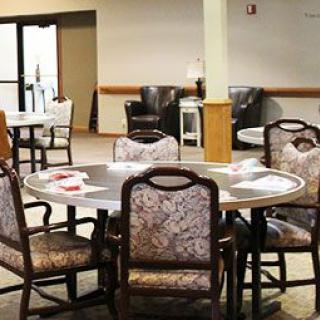
 Dining room
 Fully furnished
 Garden
 Housekeeping services
 Kitchenette
 Move-in coordination
 Outdoor space
 Restaurant-style dining
 Small library
 Telephone
 Wi-Fi/high-speed internet available
 24-hour call system
 Activities of daily living assistance
 Assistance with bathing
 Assistance with dressing
 Assistance with transfers
 Diabetes diet
 Medication management
 Mental wellness program
 Special dietary restrictions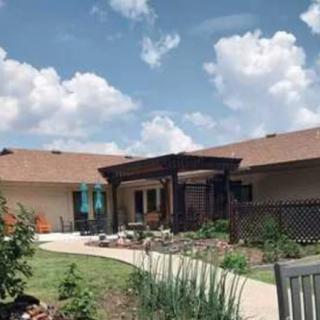


 Comprehensive Insights into Palliative Home Care: What It Is and What to Expect
 Skilled Nursing Facilities vs. Nursing Homes: Making Sense of the Differences
 A Detailed Examination of Nursing Home Costs Across the U.S.