
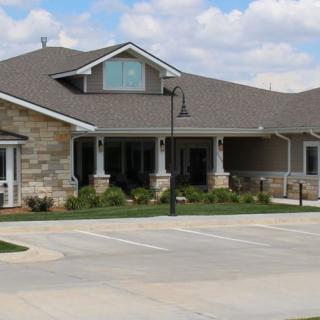
1311 South Douglas Avenue, Lyons, KS 67554
For more information about senior living options: (866) 208-4318
Overall Review of Good Samaritan Society - Lyons
Pros
 Employees really love their patients.
- They’re very good over there and take good care of him.
- It’s a very good place.
- They have a courtyard outside where he can go out and sit, and he enjoys that.
- They have church services.
- The staff is very friendly.
- The food is very good.
- A place of caring people.
- Visiting the older people with a little dog is good for them and everybody is friendly.
Cons
 It was awful.
- Good Sam's like Pioneer Manor in Hugoton is no good.
- The nursing homes turned my mother away.
- They refused to take care of Alzheimer's patients.
Review
Good Samaritan Society – Lyons is best suited for families that prioritize a warm, people-centric living experience where staff visibly cares for residents, and where a secure unit is considered a necessary component of memory-care or wandering safety. The community’s strengths lie in a culture of attentiveness: caregivers who are genuinely engaged, a courtyard for safe outdoor time, and regular church services that weave spiritual and social rhythms into daily life. For families with a loved one who benefits from consistent personal attention, predictable routines, and opportunities for family participation at meals, Lyons presents a compelling, practical option. The facility’s ability to accommodate family visits and shared meals can make a meaningful difference in ongoing peace of mind for caregivers who want hands-on involvement.
Those who may want to consider alternatives operate from different priorities. If the primary need centers on hospital-level medical oversight, a broader array of advanced therapies, or highly specialized dementia programming beyond a secure unit, other options may better align with expectations. Families wary of any sense of confinement or restrictive movement should scrutinize the locked unit closely, ensuring that safety measures do not overshadow autonomy. For those seeking a more luxe environment with expansive amenities or a location that offers broader social or cultural activities beyond routine faith-based programming, other providers might deliver a more robust package. In short, Lyons works well for comfort-driven, care-focused decisions; it may fall short for families chasing top-tier clinical acuity or expansive lifestyle options.
The most persuasive benefits are tactile and relational. Staffers are described as friendly and genuinely invested in residents, which translates into dependable daily care and steady mood stability for many residents. The presence of a defined outdoor space, an accessible courtyard, gives residents a predictable place to enjoy fresh air and sunshine, while the availability of church services adds structure and meaning for those who value faith-based activities. Food is frequently cited as satisfying, which matters more than many families anticipate in terms of daily quality of life. The capacity for a family member to join a loved one for a meal is a concrete win, reducing the sense of separation that can accompany placement. Taken together, these elements form a solid core of reliability and compatibility for residents who thrive on routine, warmth, and visible caregiver investment.
Yet the reviews are not without caveats. The most vocal line is bluntly negative, and a few accounts suggest experiences that diverge from the average. One rating and some comments signal that not every day goes smoothly, and that a subset of residents or families may encounter frustration or dissatisfaction with how care is executed in practice. A separate thread notes the existence of a secure dementia unit, which, while reinforcing safety, can feel restrictive to some families depending on how it is managed and communicated. Another cautionary line mentions Alzheimer’s care in neighboring facilities, underscoring a broader concern about dementia care quality and consistency in the region. While these points should not be taken as a universal verdict, they counsel prudence and explicit inquiry before committing.
The key question becomes whether the favorable, staff-centered culture and the tangible comforts of Lyons offset the potential drawbacks of a locked unit and the occasional negative report. For families prioritizing responsive caregiving, predictable routines, and opportunities for meaningful family involvement, the positives tend to carry significant weight. The locked unit, when properly staffed and transparently managed, can be a defensive measure that safeguards safety without surrendering dignity. The practical realities, good meals, open visitation, and regular spiritual programming, create a living environment that often feels like a closely supervised home rather than a sterile institution. In this calculus, Lyons’ strengths do a substantial job of counterbalancing the facets that warrant careful due diligence.
Actionable next steps are straightforward. Schedule a tour and observe how staff interact with residents during peak activity periods and how security measures are enacted day-to-day. Ask for specifics on the dementia unit: staff-to-resident ratios, the training they receive, wandering management, and how behavior is addressed in real time. Request a detailed weekly menu and opportunities for family participation beyond “one meal a day,” including the possibility of special dietary accommodations. Clarify the scope of medical oversight, rehabilitation services, and any optional add-ons that affect monthly costs. Finally, talk with current families about their satisfaction, noting how consistently the care plan aligns with the resident’s evolving needs. If these conversations align with a practical, hands-on care philosophy and the resident’s temperament suits a secure unit, Good Samaritan Society – Lyons stands out as a deliberately oriented, reliability-driven choice. If not, it is prudent to widen the search to facilities with stronger breadth in memory-care programming or a broader menu of amenities and clinical options.
 39 resident community capacity
 Skilled Nursing Facility
 Beauty salon
 Cable or satellite TV
 Dining room
 Fully furnished
 Garden
 Housekeeping services
 Kitchenette
 Move-in coordination
 Outdoor space
 Restaurant-style dining
 Small library
 Telephone
 Wi-Fi/high-speed internet available
 24-hour call system
 Activities of daily living assistance
 Assistance with bathing
 Assistance with dressing
 Assistance with transfers
 Diabetes diet
 Medication management
 Mental wellness program
 Special dietary restrictions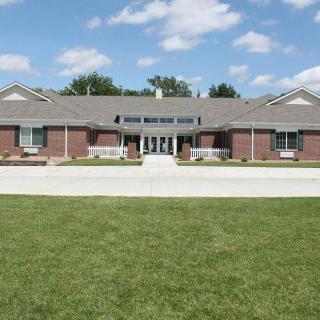


 In-Depth Look at the VA Aid and Attendance Program
 Nurturing Our Loved Ones: A Daughter's Journey in Caring for Her Mother
 Nurturing Our Elders: Linda's Journey of Supporting Her Mother