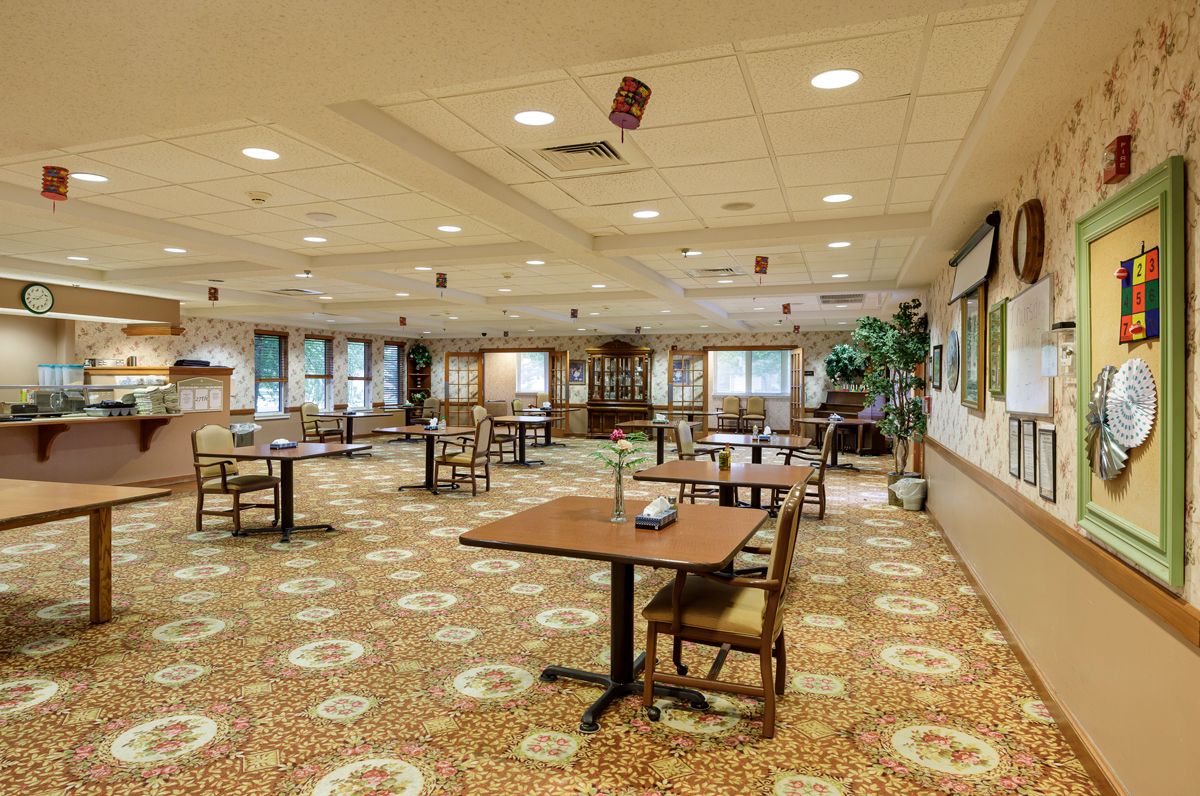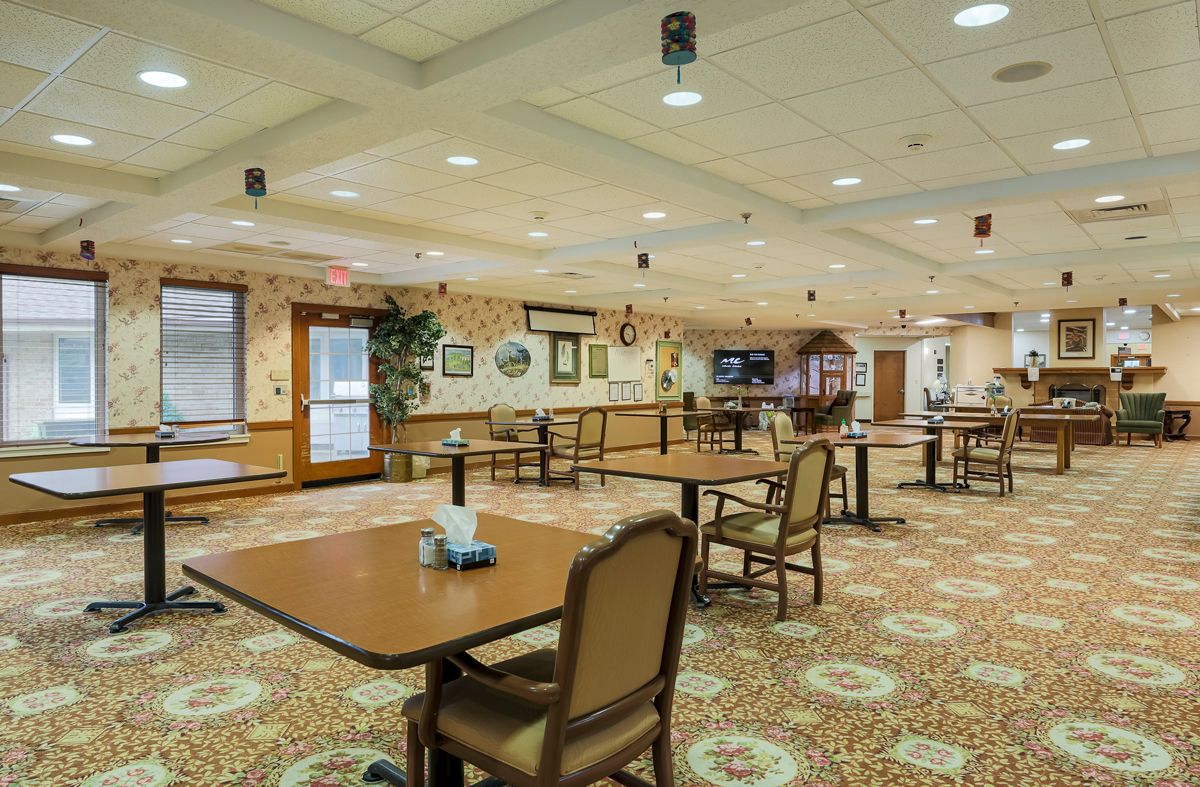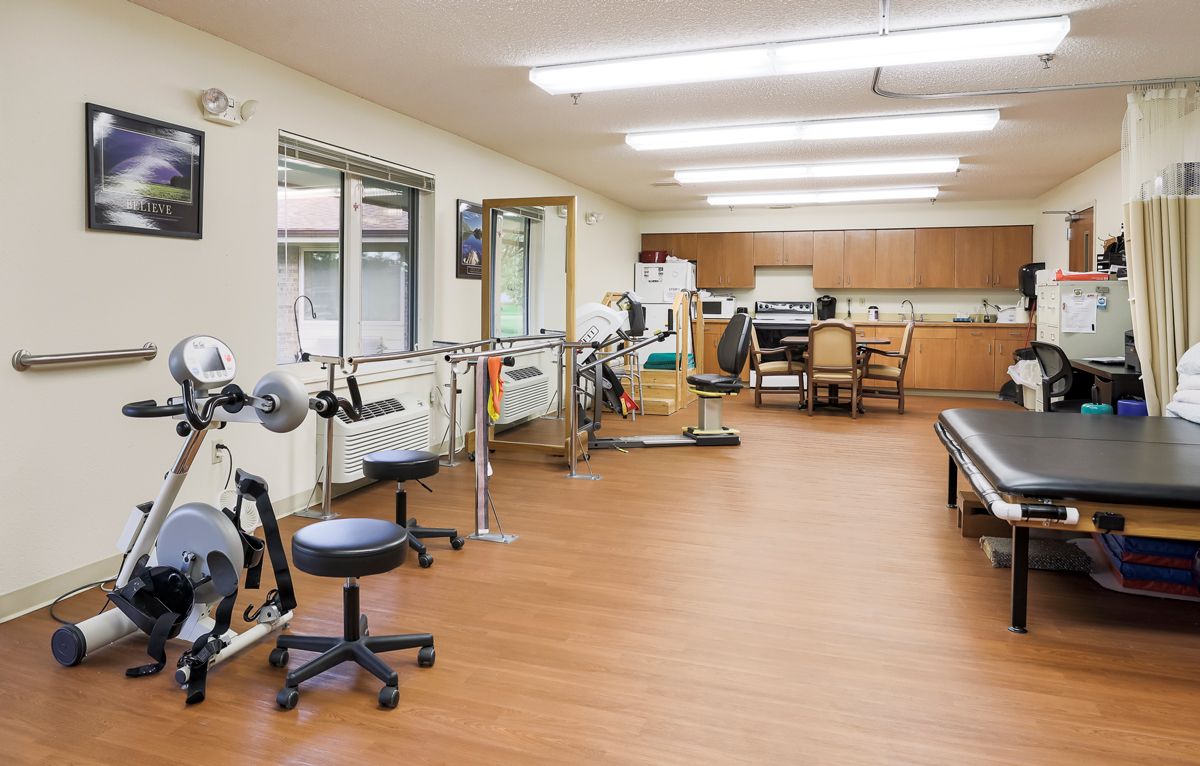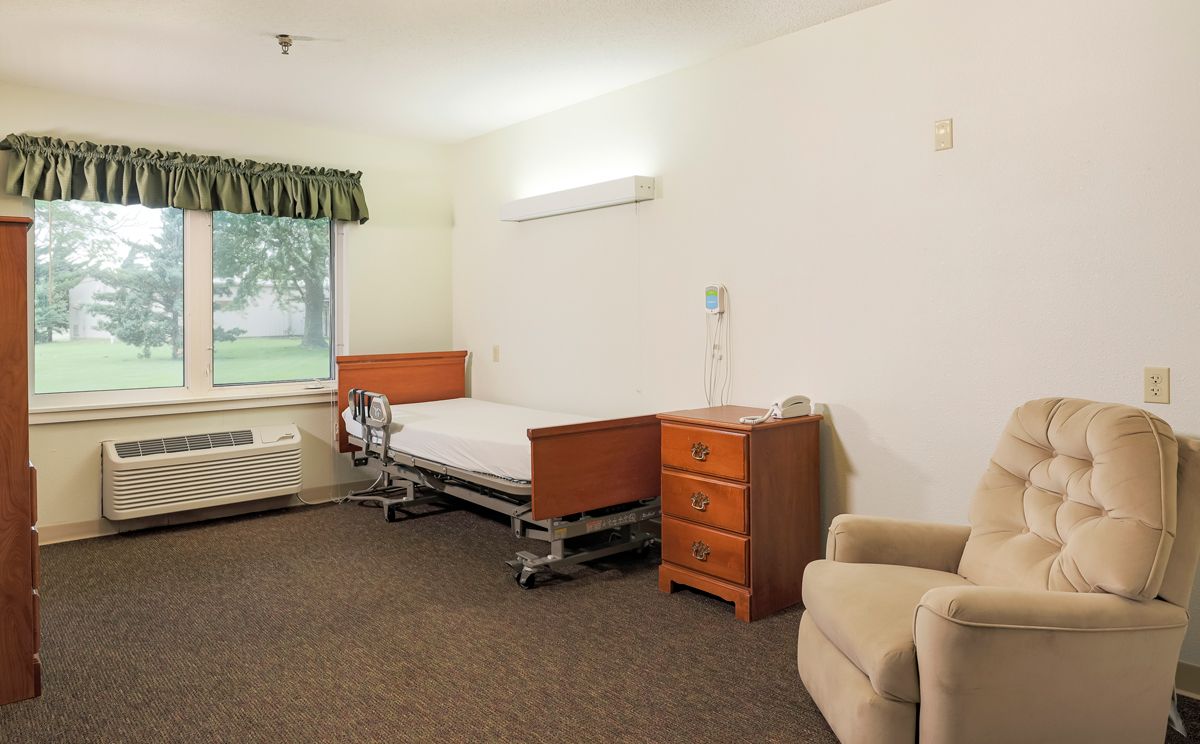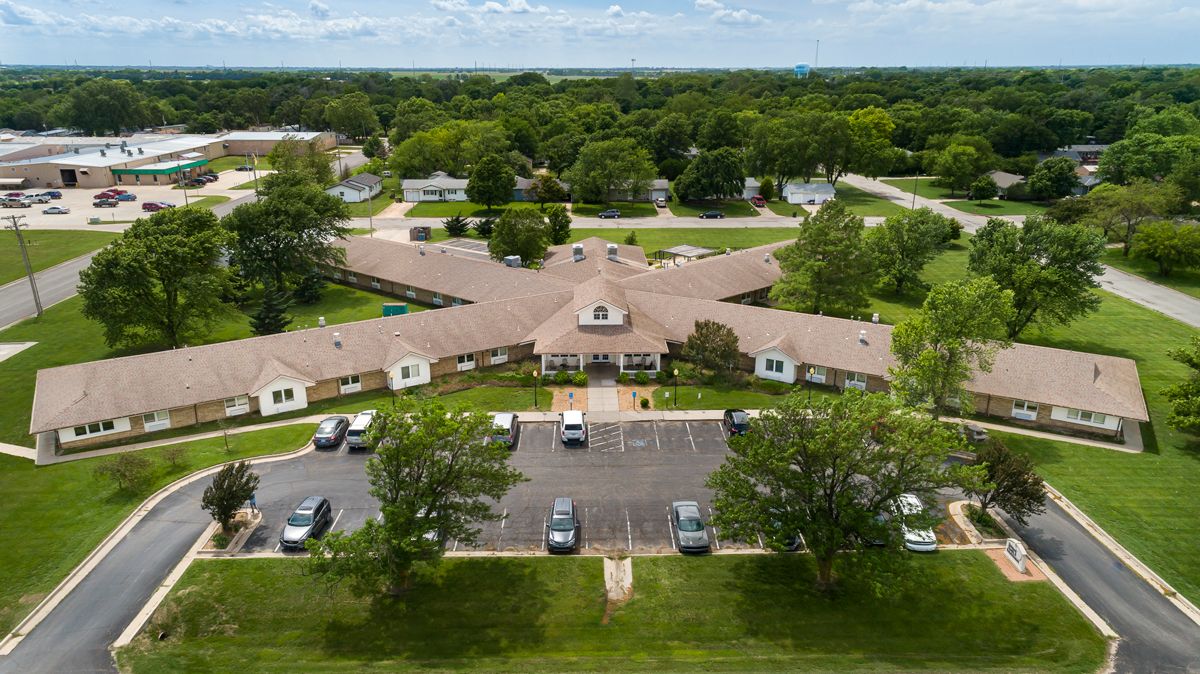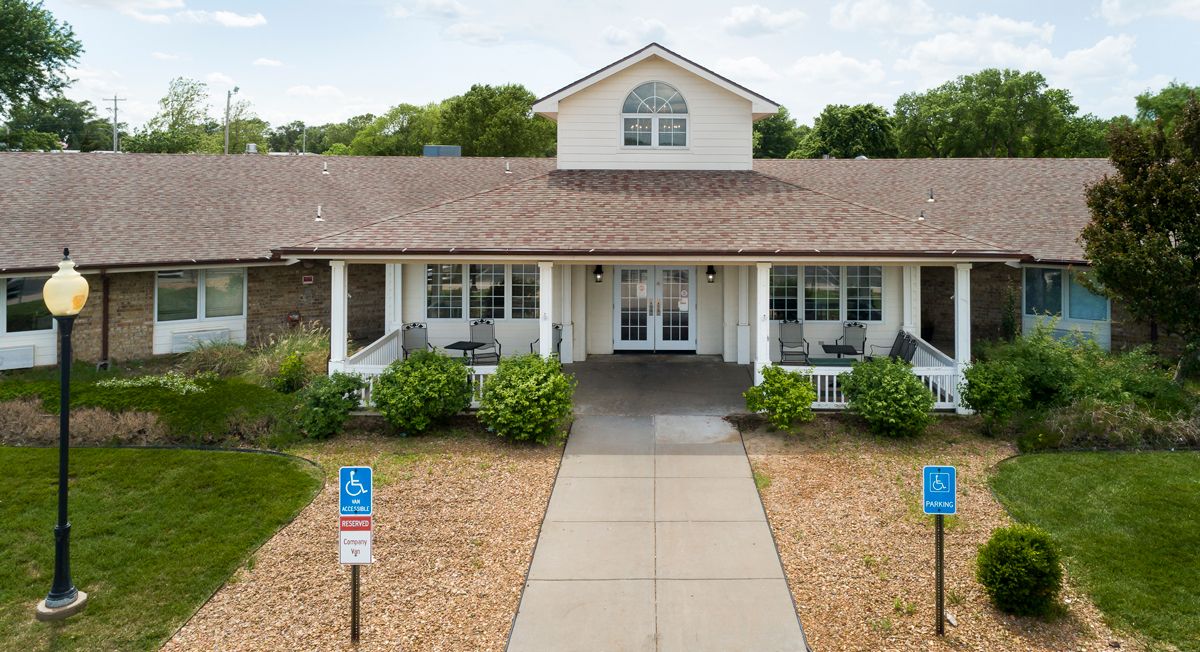




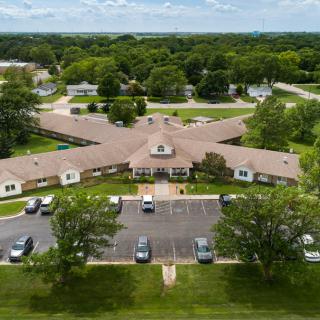





915 Mcnair Street, Halstead, KS 67056
For more information about senior living options: (866) 208-4318
Overall Review of Halstead Health & Rehab
Pros
 It is a good place to be.
- It is worth the drive and offers high-quality nursing home and rehabilitation care in Kansas.
- Renee is an excellent nurse who has been very helpful.
- Most of the nurses are very good.
- The rehab team takes time to research therapies to help breathing.
- The staff are caring, supportive, and keep families updated.
Cons
 The facility is described as a horrible nursing home that is understaffed and treats employees badly.
 - It is said that the center overburdens its staff, expects too much, and needs more workers.
- A resident’s call light was not answered for 30 minutes.
- A staff member was assigned to a hall by herself and was asked to help other halls.
- The reviewer plans to move to another facility.
Review
Halstead Health & Rehab in Halstead, KS is best suited for families seeking a skilled-nursing and rehabilitation-containing environment where rehab progress and proactive family communication are core strengths. This community tends to serve seniors who need short-term rehabilitation after a hospital stay as well as longer-term skilled nursing, with a notable emphasis on respiratory recovery. Families that prize a cohesive care team, with therapists who tailor plans and nurses who collaborate closely, will find the facility aligns well with those priorities. The strongest case is for residents who value transparent updates and a discharge-planning process that keeps relatives in the loop, especially when COPD or similar breath-based rehab needs are involved.
On the positive side, the staff consistently earns praise for expertise and bedside manner. Several reviewers highlight the rehab team’s dedication, with therapists taking time to customize therapies that address breathing and overall function. Renee, in particular, stands out as a care-provider who embodies the level of professionalism families hope to see. The social worker is described as knowledgeable and responsive, coordinating care and timelines with families promptly. Across multiple observations, the nursing team is viewed as capable and collaborative, and the campus culture appears to revolve around teamwork and open communication, people are kept informed about changes in status and progress, which reduces the anxiety that often accompanies inpatient stays.
The strongest offset to potential concerns is the degree of care coordination and the tangible focus on rehab outcomes. Families report that staff work together as a unified unit, which translates into smoother transitions, timely updates, and targeted therapy plans that address specific breathing issues. When a resident’s needs are clear, whether it’s pulmonary rehab, mobility gains, or endurance, therapists seem willing to go beyond routine protocols to research or tailor approaches. This level of diligence can translate into faster, more meaningful progress and can make a substantial difference for families weighing recovery timelines and anticipated outcomes.
Still, a single review voices a legitimate caution about staffing realities. The concern centers on understaffing and slower call-light responses, with reports of up to 30 minutes before needs are addressed, and questions about how tasks are divided when the building is busy. This is not the prevailing narrative, but it cannot be dismissed. The implication for families is real: for residents who require constant supervision, quick assistance, or frequent assistance with daily tasks, staffing patterns become a decisive factor. The facility’s strength in rehab and communication does not fully erase the possibility of delays during peak shift changes or extremely high census periods.
Given the positives and that one caution, several families may want to explore alternatives if reliability of every-call response and consistent staffing across shifts is non-negotiable. Those prioritizing a larger, boundary-free environment with guaranteed quick assistance may look to other communities that publicly emphasize staffing metrics or have different shift structures. Likewise, if long-term memory care with intensive dementia-specific programming is the primary need, or if residents require more comprehensive 24/7 coverage for complex medical conditions beyond COPD-focused rehab, it would be prudent to compare options side-by-side.
For families weighing Halstead Health & Rehab, the practical path is clear: assess how critical rapid call-light response and uniform staffing are to the loved one’s safety and comfort, then verify those metrics during a visit. Schedule time with the rehab director and request an encounter with the nurse manager to understand staffing patterns by shift and to review the specific COPD and respiratory therapy protocols in place. Meet with the rehab team, especially the lead therapists, and, if possible, speak with Renee and the social worker about discharge planning, family communication routines, and how updates are delivered. When those conversations align with one’s comfort level, Halstead Health & Rehab can be an outstanding choice for recovery-forward senior care in Kansas.
 60 resident community capacity
 Skilled Nursing Facility
 Air-conditioning
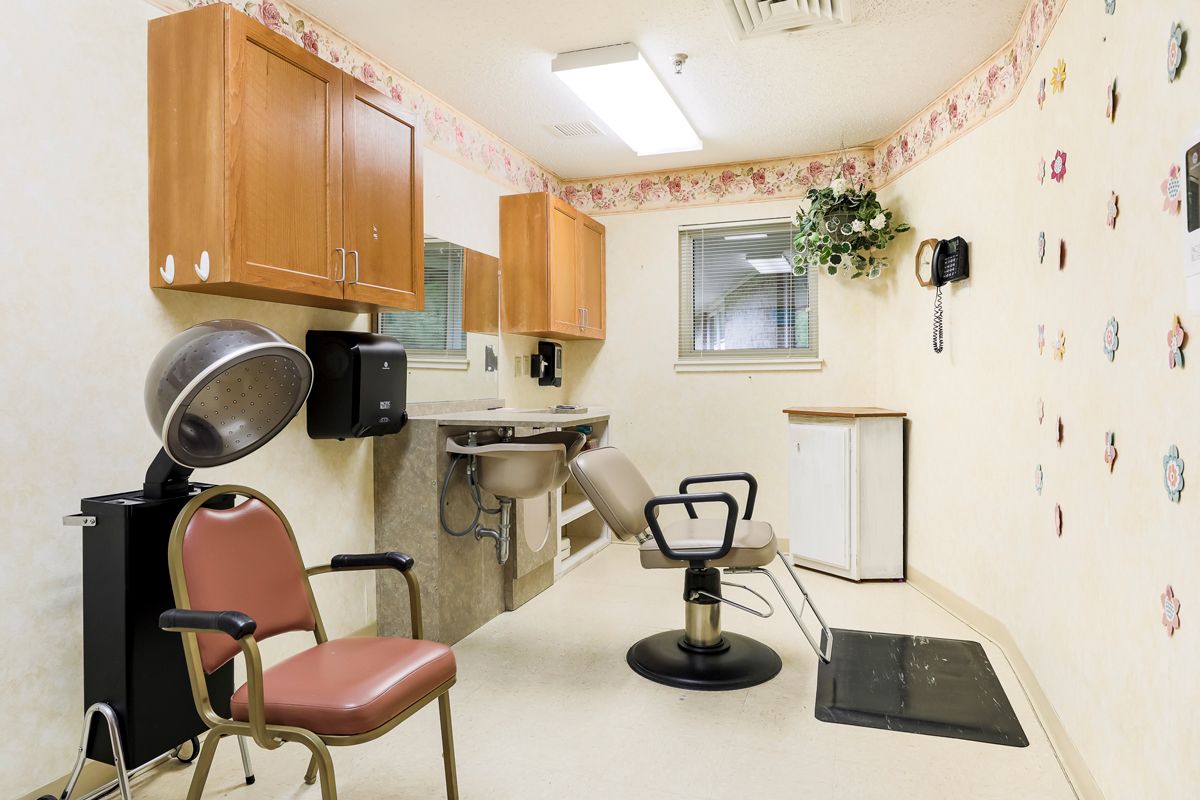
 Beauty salon
 Cable or satellite TV
 Computer center
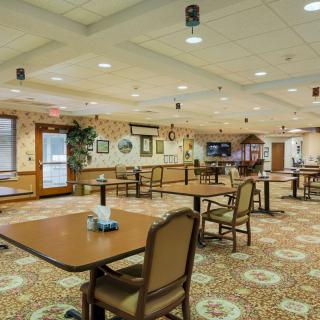
 Dining room
 Fitness room
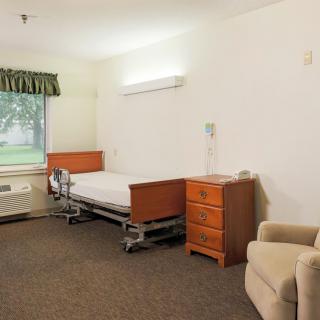
 Fully furnished
 Gaming room
 Garden
 Housekeeping services
 Kitchenette
 Move-in coordination
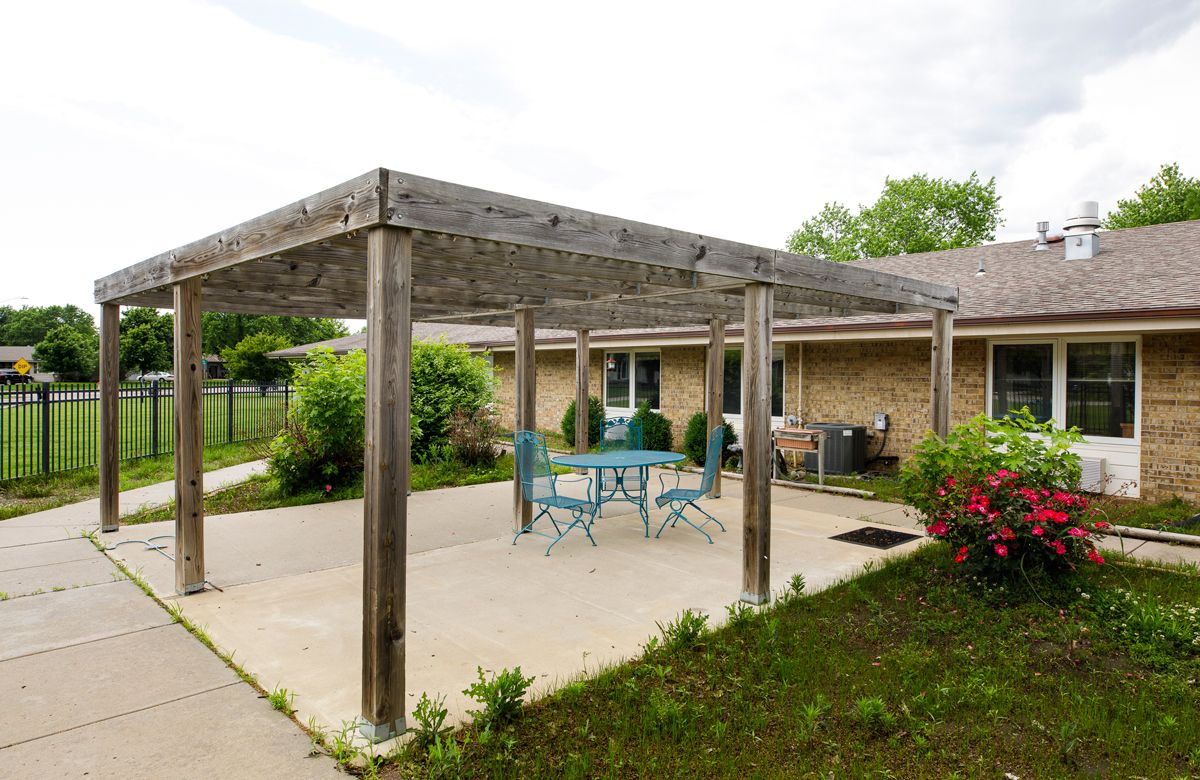
 Outdoor space
 Private bathrooms
 Restaurant-style dining
 Small library
 Telephone
 Wellness center
 Wi-Fi/high-speed internet available
 Wichita Mid-Continent (24 miles away)
 Community operated transportation
 12-16 hour nursing
 24-hour call system
 Activities of daily living assistance
 Assistance with bathing
 Assistance with dressing
 Assistance with transfers
 Diabetes diet
 Medication management
 Mental wellness program
 Special dietary restrictions
 Concierge services
 Planned day trips







 Navigating Medicare Coverage for In-Home Care Services
 In-Home Care Costs in 2025: A Detailed State-by-State Exploration
 Understanding Home Health Care: A Comprehensive Guide