
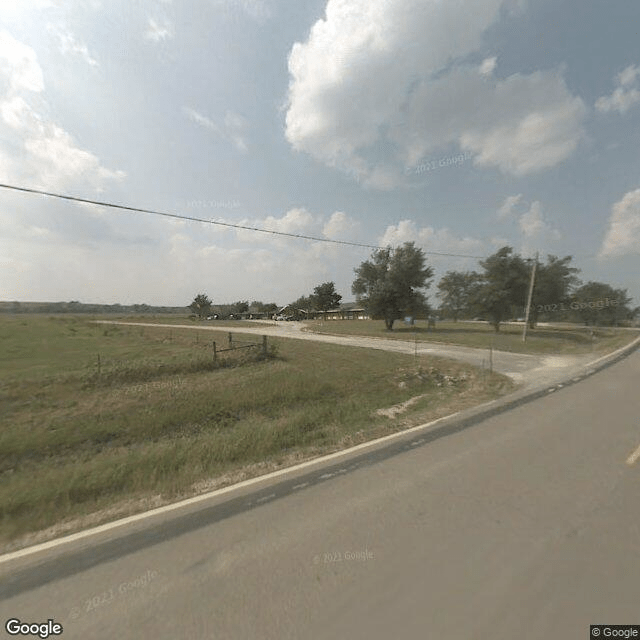
505 N Main, Eskridge, KS 66423
To contact a resident: (785) 449-2294
For more information about senior living options: (866) 208-4318
Overall Review of Golden LivingCenter - Eskridge
Pros
 The staff are amazing and put the residents first.
- There is great teamwork and truly caring staff.
- The facility is great, with staff who put residents' needs first.
- Eskridge was visited and received a warm welcome from both residents and staff.
Cons
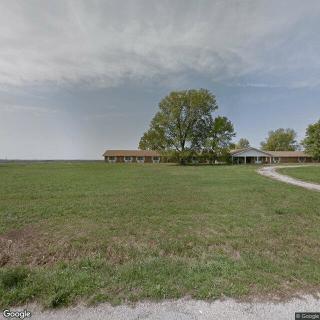
 The facility is ragged and half-finished, with residents not cared for properly and made to do staff’s tasks.
- Most residents cannot leave, and those who can are told staff have no time to accompany them on walks to town.
- Staff are on their phones, smoke, and drink in the facility, while neglecting their essential duties.
- Dishes are dirty and unsanitary; the ice machine has mold and bugs, and no one knows when it was last cleaned.
- The facility lacks housekeeping; it is disgusting and there is little effort to clean.
- Upper management and corporate are aware of these problems for years, yet nothing has been done; it should not be used for loved ones.
- It is not a rehabilitation facility; it feels like a prison and provides little to no recovery, therapy, or guidance; staff are rude and unhelpful.
- The food is nasty and uneatable; patients go to bed hungry and are often refused second helpings, with snacks severely limited.
Review
Golden LivingCenter - Eskridge is best suited for families seeking budget-conscious custodial care in a small-town setting, where daily companionship and reliable presence matter more than sophisticated rehab programs. Residents who mainly need assistance with activities of daily living and can tolerate a facility that isn’t pristine or cutting-edge will find some measurable comfort here. The staff is repeatedly described as kind and steady, and a steady, familiar team can translate into predictable routines and personal attention. This is not a glossy, high-tech campus; it’s a practical option that can deliver everyday stability for those who value a familiar, home-like rhythm over luxury amenities.
Those weighing alternatives should note this community may not meet needs tied to robust rehabilitation, aggressive medical oversight, or stringent cleanliness standards. Several reviews flag serious gaps in upkeep, housekeeping, and infection-control basics, alongside reports of neglect and limited access to therapy. For families evaluating post-acute recovery, stroke or orthopedic rehab, or residents who require intensive therapeutic support, Eskridge risks falling short. The descriptions of a “prison-like” environment and limited staff engagement with recovery programs are signals to look elsewhere if recovery services and high cleanliness norms are non-negotiable.
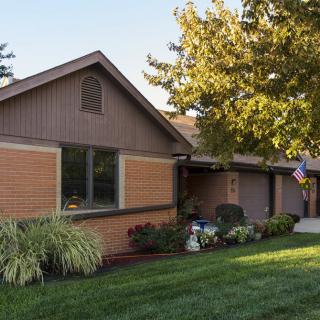
On the positive side, multiple reviews highlight staff who put residents first, with strong teamwork and a welcoming atmosphere during visits. These accounts suggest a culture where caregivers form meaningful, hands-on connections with residents, which can translate into improved daily comfort, mood, and a sense of dignity. Where care is consistent, residents appear to receive attentive, personable treatment that can make difficult days more manageable. That human factor matters a great deal when evaluating long-term placement, because a compassionate staff can offset some structural shortcomings, at least in ordinary, day-to-day life.
The strongest red flags cluster around the facility’s condition and operations. Reports describe a ragged environment with unfinished repairs, a lack of housekeeping, dirty dishes, and moldy ice equipment, all of which raise legitimate safety and satisfaction concerns. Meals are criticized as unpalatable, with residents occasionally going hungry or denied second helpings, and there are persistent claims that staff are overworked, distracted, or not fully present for recovery-oriented goals. Together, these factors create a risk profile that can undermine physical health and emotional well-being, especially for residents with higher care needs or those seeking structured rehabilitation.
Despite the issues, the care-forward culture some reviewers praise can still offer meaningful value if reliable advocacy is in place. Families comfortable actively monitoring care plans, cleanliness, and staffing will likely experience daily interactions that feel respectful and compassionate, which in turn supports morale and overall quality of life. Eskridge can function as a hem of security, a place where residents aren’t abandoned to isolation, but only when governance, housekeeping, and therapy options are verified as meeting acceptable baselines. Prospective residents should demand transparency and concrete evidence of improvements before committing to a longer stay.
Bottom line: this community presents a mixed proposition. For long-term residents who primarily need basic assistance, appreciate personal warmth from staff, and can live with some upkeep and program limitations, Eskridge offers a workable option. For anyone requiring strong rehabilitation services, rigorous cleanliness standards, or robust daily structure with ample therapy, alternatives should be pursued. Prospective families should visit in person, request candid discussions about therapy access, housekeeping schedules, and recent state or survey records, and observe resident-staff interactions across shifts. In the right hands, the potential in Eskridge is real; in weaker hands, the risks outweigh the benefits.
 Skilled Nursing Facility
 Forbes (24 miles away)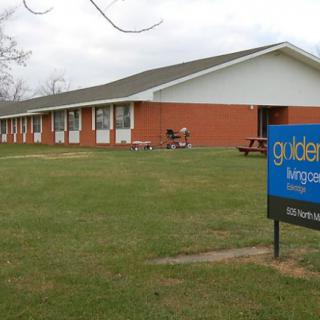



 Exploring Nonmedical Home Care: Understanding Services, Costs, and Financial Approaches
 Engaging Brain Games and Innovative Apps to Keep Senior Minds Active
 Effective Strategies for Keeping Seniors' Minds Active: A Deep Dive into Brain Games and Apps