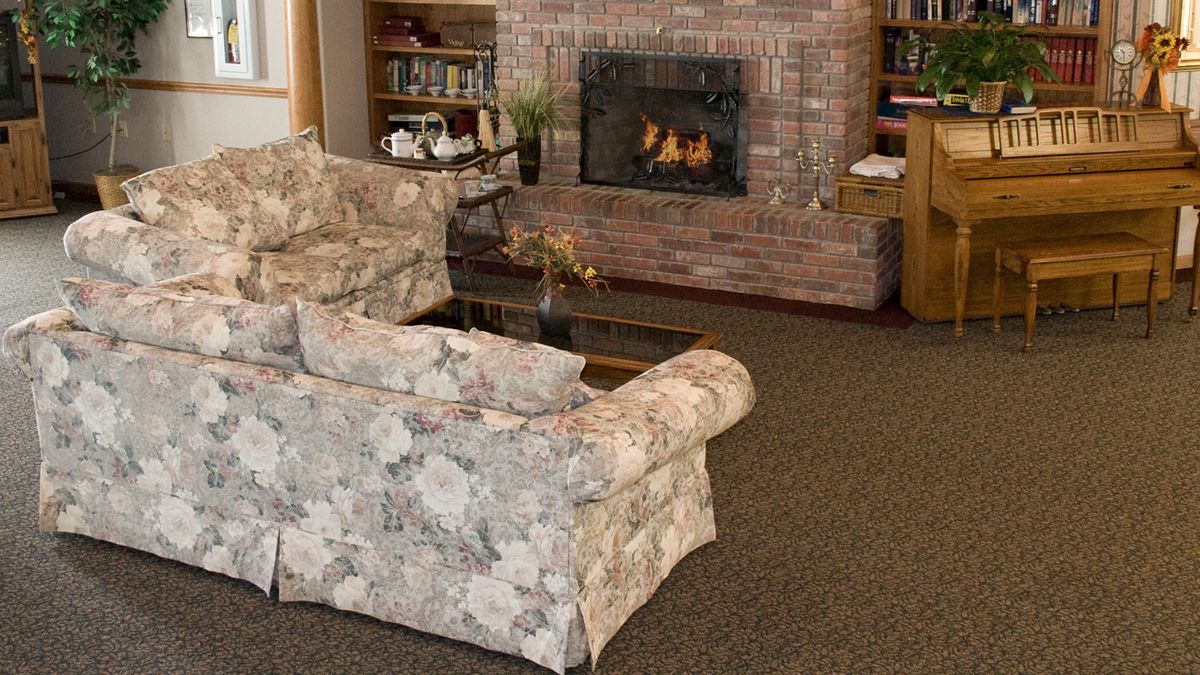


280 East Valley Springs Drive, Auburn, KS 66402
For more information about senior living options: (866) 208-4318
Homestead of Auburn Costs & Pricing
Homestead of Auburn offers competitive pricing for its various living arrangements compared to both Shawnee County and the broader Kansas market. For semi-private rooms, residents can expect to pay $2,925 monthly, significantly lower than the county average of $4,174 and the state average of $4,562. In contrast, studio apartments at Homestead are priced at $4,200, which is above the Shawnee County rate of $3,556 but still within a reasonable range when compared to the state average of $4,094. The one-bedroom units come in at $5,300, which is considerably higher than both the county's average price of $3,390 and Kansas's statewide figure of $3,859. Overall, while some options may be pricier than local competitors, Homestead of Auburn provides a viable choice for those seeking assisted living solutions that prioritize comfort and community.
| Floor plans | Homestead of Auburn | Shawnee County | Kansas |
|---|---|---|---|
| Semi-Private | $2,925 | $4,174 | $4,562 |
| Studio | $4,200 | $3,556 | $4,094 |
| 1 Bedroom | $5,300 | $3,390 | $3,859 |
Assisted Living communities with a similar price nearby
-
from -$145 / mo
Vintage Park at Osage City
$2,780 to $4,710 / month19.1 miles away -
from -$257 / mo
Topeka Presbyterian Manor
$2,668 to $3,516 / month10.9 miles away -
from +$95 / mo
Kelly House Of Meriden North
$3,020 / month21.5 miles away
Overall Review of Homestead of Auburn
Pros
 It has been a great place for their mom.
- It offers a smaller, homey environment.
- The staff is wonderful and very caring toward residents' needs.
- It is very organized, clean, and welcoming.
- It is highly recommended.
Review
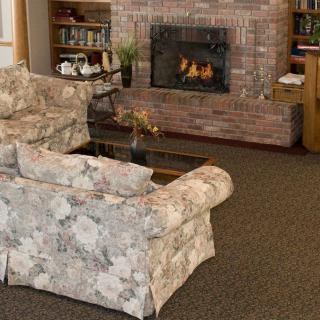
Homestead of Auburn in Auburn, Kansas is best suited for seniors who want a small, homey, intimate assisted living setting where staff deliver attentive, personalized care. The community’s compact footprint fosters a warm, neighborly feel rather than a hospital-like atmosphere. Families seeking peace of mind will appreciate the steady routines, visible staff engagement, and a setting that feels approachable for residents who value daily familiarity. The environment comes across as organized, clean, and welcoming, with caregivers who take time to know individual needs. For residents who thrive in a tight-knit, neighborly community, this is a practical, reliable choice.
Those who require heavier medical oversight, specialized memory care, or rehabilitative services beyond basic daily assistance may want to consider alternatives. A larger campus with more robust on-site therapy options, broader activity programming, or 24/7 nursing coverage could be a better fit for residents with complex medical needs or those who desire a more expansive social scene. The appeal of a small setting comes with trade‑offs in available medical resources and specialized programs, so families weighing acuity levels should appraise whether the pace and scope align with current care demands.
The strongest positives here revolve around atmosphere and consistent care. A smaller, homey environment helps residents settle in quickly, reducing stress during transitions and making daily routines predictable. Staff are described as wonderful and caring, with a demonstrated willingness to tailor support to individual preferences and needs. The facility’s organization, cleanliness, and welcoming demeanor contribute to a sense of safety and dignity, which matters enormously for families who want transparent oversight and reliable communication. When these factors are present, families often experience less second-guessing and more confidence in ongoing daily care.
On the downside, potential limits exist in the breadth of amenities and specialized services simply due to the smaller scale. Fewer room configurations, common areas, or on-site therapies can translate to quieter calendars or simpler activity menus. The single low rating in the review set signals that not every experience aligns perfectly, and it’s prudent to probe for specifics, what gets covered by the base rate, what costs extra, and how the community handles advanced care transitions. Even with a solid track record, some families will want a broader spectrum of services or more pronounced social opportunities than a compact setting typically affords.
Still, the core strengths help offset these possible drawbacks. The intimate environment enhances staff-resident connections, enabling quicker response times and more nuanced attention to evolving needs. A clean, organized, welcoming campus makes oversight simpler for families, who can visit and observe routines without the noise and clutter that sometimes accompany larger facilities. In practice, this means smoother care coordination, better continuity across shifts, and a more predictable day-to-day experience for residents who prize stability and personal recognition from caregivers.
For families evaluating options, a guided visit is essential. Observe how staff interact with residents during common routines, ask about the nurse-on-call schedule and medication management, and inspect room options and dining arrangements. Inquire about the flexibility of care plans, the availability of transportation for appointments, and the process for escalating concerns. If warmth, reliability, and a humane, low-stuff atmosphere align with priorities, Homestead of Auburn stands out as a compelling choice. If the goal is intensive medical support, diverse programming, or expansive social life, alternatives with greater scale may serve better.
 35 resident community capacity
 Assisted Living
 Activities on-site
 Beauty salon
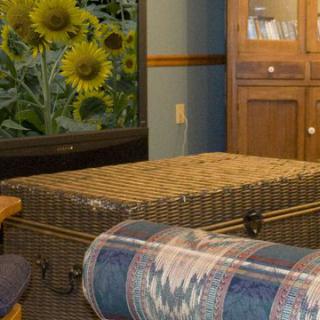
 Cable or satellite TV
 Devotional services off-site
 Dining room
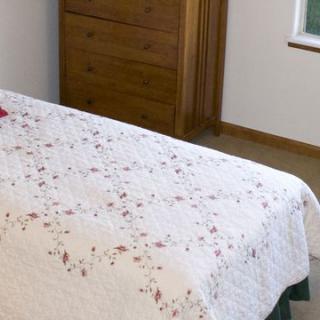
 Fully furnished
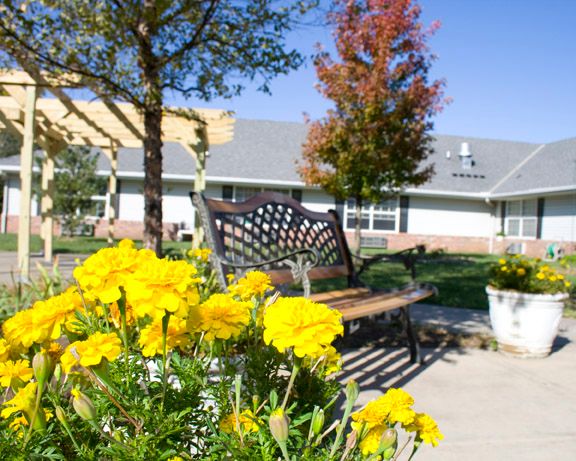
 Garden
 Housekeeping services
 Indoor common areas
 Kitchenette
 Move-in coordination
 Outdoor space
 Respite or short term stays offered
 Telephone
 Wi-Fi/high-speed internet available
 Forbes (9 miles away)
 24-hour call system
 Ambulatory care
 Assistance with bathing
 Assistance with dressing
 Assistance with transfers
 Diabetes diet
 Diabetic care
 Incontinence care
 Meal preparation and service
 Medication management
 Mental wellness program
 Special dietary restrictions
 Transportation arrangement (medical)
 Transportation to doctors appointments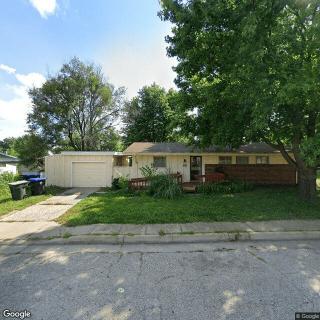




 Social Security Benefits and Assisted Living: Navigating Options Across the U.S.
 An Extensive Exploration of the VA Aid and Attendance Benefit
 Senior Transition Services: Understanding Their Role, Cost, and Importance