
PO Box 98, Dexter, KS 67038
To contact a resident: (316) 876-5421
For more information about senior living options: (866) 208-4318
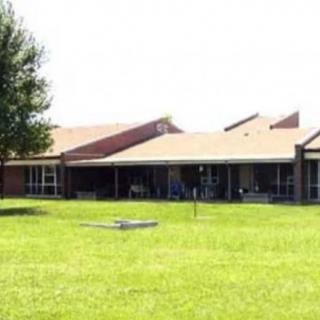
Overall Review of Grouse Valley Manor
Pros
 The place used to be a wonderful place.
Cons
 The facility is in extremely poor conditions.
- It is understaffed and the food isn’t nutritional.
- The reviewers are surprised the state hasn’t shut the place down.
- The aunt passed away last year and was severely malnourished, covered in bedsores, and with bed bug–related red bumps.
- Concerns were brushed off due to her mental condition.
- The place used to be wonderful, but now there is a strong urine smell masked with Pine-Sol and outdated decor.
- The aunt paid $4,500 a month to live there, sharing a room and a common bath.
- The reviewers urge others to do their homework before placing a loved one in this place.
Review
Grouse Valley Manor in Dexter, Kansas is best suited for virtually no one with real care needs. The reviews portray a facility that functions on the assumption that residents can manage with minimal, infrequent assistance, or that families will tolerate significant gaps in daily care. For seniors who require regular help with meals, mobility, hygiene, wound care, or safety monitoring, this is not a viable match. Prospective families should treat this as a last resort after considering other local options that demonstrate consistent staffing, attentive nutrition, and a clean, well-maintained environment. The reality described by relatives reframes “best suited” as a scenario where independence is the sole prerequisite.
Who may want to consider alternatives is clear: any family facing a loved one who needs dependable nutrition, comprehensive daily care, wound management, and robust safety oversight should look elsewhere. The reviews depict severe understaffing, non-nutritious meals, malnutrition risk, bedsores, and even bed bugs, all of which multiply risk for medical complications. One reviewer notes the cost, about $4,500 per month for a shared room with a common bath, without commensurate care quality, underscoring a poor value proposition. If a move is driven by medical or daily-assistance needs, prioritize facilities with transparent staffing, licensed nursing coverage, and proven nutrition programs, not a facility with unresolved sanitation and care failures.
In terms of pros versus cons, the few potential positives do not meaningfully offset the overwhelming negatives. Basic amenities or the mere existence of a physical building do not amount to meaningful advantages when care quality is in question. The reviews offer no compelling benefits that counterbalance the chronic understaffing, inconsistent meal service, and lack of reliable medical or wound care. Even if affordability is a concern, the perceived value collapses when the core expectations of safety, dignity, and consistent care are not met. The absence of strong, verifiable positives makes any claimed value proposition unsustainable in the face of the reported hazards.
The core concerns are stark and actionable. Understaffing translates to delayed assistance, missed meals, and lapses in hygiene that compromise daily safety. Malnutrition risk is elevated by meals described as non-nutritious, with serious implications for health and recovery. Bedsores and skin issues suggest insufficient repositioning and wound care, while reports of bed bugs indicate ineffective pest control and infection risk. A strong odor of urine on entry signals sanitation shortcomings that undermine trust in the environment. Outdated decor serves as a visible proxy for broader neglect and stagnation. Together, these factors create a facility that is unlikely to meet the basic expectations of families seeking a secure, respectful living setting.
The impact on decision-making is clear: this option represents a high-risk choice for most seniors and their families. Prioritize facilities with consistent staffing, reliable nutrition programs, and robust wound and infection control. Regulators’ tacit tolerance implied by absence of shutdowns should prompt thorough due diligence: consult state inspection reports, request current staffing rosters, and speak with current residents and their families about day-to-day care. Demand a concrete improvement plan, with timelines and accountability, before accepting any move. In practice, walking away from Grouse Valley Manor is the prudent course unless there are credible assurances of rapid, measurable quality improvements.
Bottom line: Grouse Valley Manor does not meet the needs of most seniors seeking a safe, nutritious, and well-supervised living environment. If this choice cannot be avoided, pursue aggressive due diligence: visit unannounced, review inspection records, interview the administrator, and observe meal preparation and daily care routines firsthand. Prioritize facilities with proven staffing stability, strong nutrition programs, comprehensive wound and infection control, and transparent pest management. Families should treat red flags as deal-breakers and continue looking until a community demonstrates consistent, compassionate, and competent care. The safer, more sustainable path is selecting a sister facility or another nearby option that can deliver reliable oversight, dignity, and measurable quality every day.
 Skilled Nursing Facility




 Comprehensive Insights and Practical Strategies to Help Older Adults Avoid Falls
 6 Crucial Ways an Elder Law Attorney Assists Families
 Navigating the Tax Landscape of Caregiving: Credits, Deductions, and Beyond