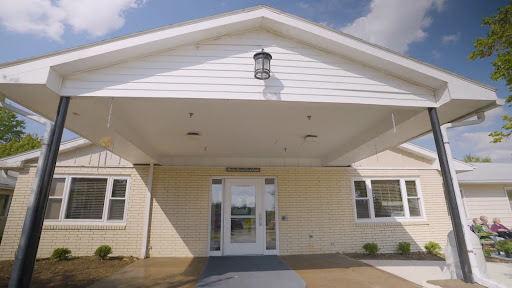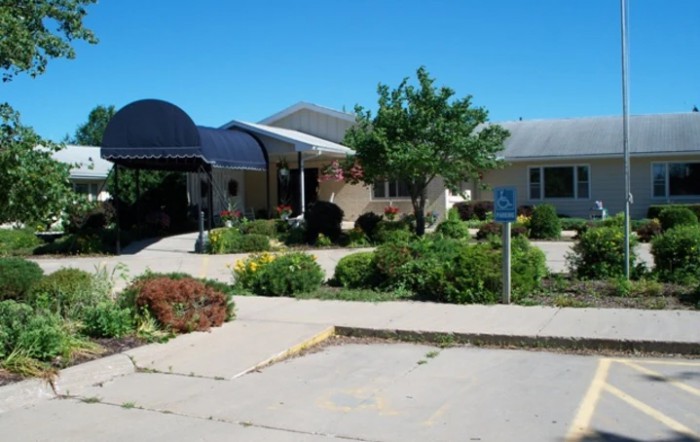

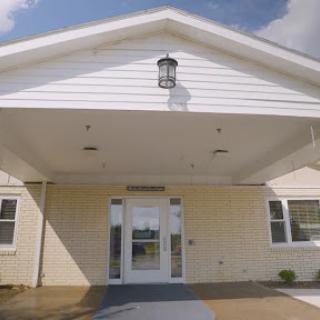
516 Thirteenth Street, Wellman, IA 52356
For more information about senior living options: (866) 208-4318
Overall Review of Parkview Manor
Pros
 The staff are friendly and genuinely care for residents.
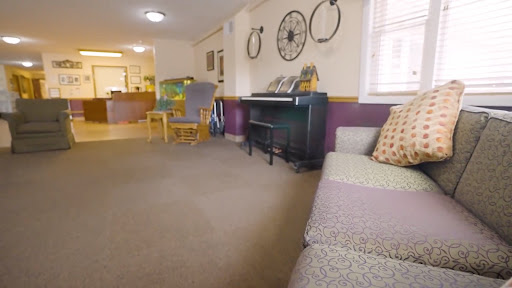
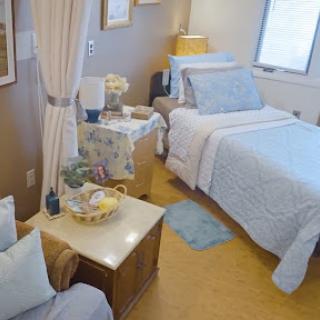
- The facility and grounds are clean and well maintained.
- Nursing staff are engaging, attentive, and communicate needs promptly.
- Veterans and other residents receive excellent, compassionate care.
- Families appreciate regular care conferences and timely updates.
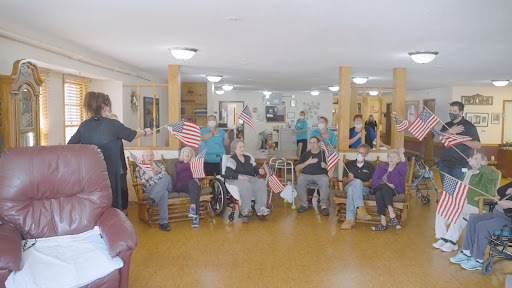
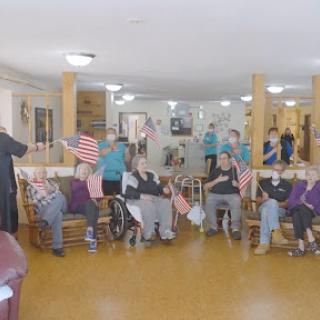
- The recreation department provides entertaining and engaging activities for residents.
- Residents are supported with comprehensive care across rehabilitative, long-term, and end-of-life services.
- Families feel their loved ones are treated with love, care, and compassion, like family.
Cons
 The front desk staff member seemed irritated by visitors and made them feel unwelcome.
- Staff were described as not caring, with a resident allegedly left unfed for two days and a worsening bed sore.
- The facility’s cleanliness and grounds were likened to an abandoned motel, including shabby property management.
- Leadership was criticized, with calls to replace the administrator and the director of nursing.
- Management was seen as focused on cost containment at the expense of residents, such as denying a late-night bowl of cereal.
- A strong warning was given to move a loved one there and to look elsewhere.
- Staff were sometimes stretched thin, implying inadequate staffing and care.
Review
Parkview Manor is best suited for families seeking a broad continuum of eldercare under one roof, with a clear emphasis on veterans and memory-care residents, plus the option of rehabilitation, 24-hour nursing, or hospice as needs evolve. The community can serve as a long-term home or a transitional setting while a loved one regains function or stabilizes with ongoing medical and nursing support. That said, the experience hinges on day-to-day staffing and leadership, so families should expect variability and come prepared to probe beyond the surface when touring.
On the plus side, Parkview Manor earns trust through genuine, caring staff who viewers repeatedly describe as compassionate and engaged. The facility’s veteran-focused culture stands out, with staff who take special care to honor that history and communicate meaningfully with families. Residents benefit from a full range of services, rehabilitation with onsite physical therapy, memory-care options, 24-hour assisted living, nursing care, and even hospice as needs progress. Regular care conferences and ongoing family updates are cited as valuable anchors for staying aligned on treatment goals and daily routines. For many, these elements translate into meaningful daily improvements and a sense of steadiness.
Yet significant cautions appear in several accounts. Front-desk interactions can set a negative tone, with at least one visitor describing a reception experience as brusque and unwelcoming. Management and administrative performance are a recurring concern for families who feel policy and process gaps create friction or miscommunication. Food quality and dietary flexibility surface as common sticking points, with reviewers noting meals that fail to meet vegetarian preferences or taste expectations. There are also troubling claims about staffing pressure, situations where workload strains appear to translate into lapses in basic care and attention to residents’ comfort.
Those pros, however, do offset some of the most disturbing gaps by creating the conditions for better outcomes where they matter most. The breadth of care available reduces the need for transfers and helps families coordinate treatment across different stages of aging. When care teams are truly responsive, by addressing concerns in care conferences, providing regular updates, and engaging residents in activities, the facility demonstrates resilience even under pressure. The presence of onsite rehabilitation and memory-care resources means that meaningful progress remains possible, and the environment can feel like a real, ongoing community rather than a string of rushed moments.
Families should be explicit about their non-negotiables and prepare to test assumptions. If front-desk warmth, consistent administration, and dependable dining service are must-haves, Parkview Manor may require diligent vetting, visiting at different times, meeting the administrator or director of nursing, and asking for a tour of the memory-care area to observe staffing patterns and care routines. For those who demand highly customized diets, tighter food-service controls, or a facility-wide commitment to spotless presentation and proactive problem-solving, alternative options may deliver more predictable day-to-day experiences. In other words, this community can be a strong fit, but it is not the safest bet for households seeking absolute uniformity across all departments.
The bottom line is clear: Parkview Manor delivers heart, scope, and a practical care framework that can work very well for veterans, memory-care residents, and families seeking a full-service eldercare partner. The strongest advantages lie in the team’s compassion, the breadth of services, and structured family involvement. The most singular cautions revolve around administrative consistency, front-desk interaction quality, and some dining and staffing pressures. Prospective residents should use a disciplined site visit, request performance specifics from leadership, and weigh the importance of a consistently high-touch environment against the comfort of a wide care continuum. If these criteria align, Parkview Manor can be a solid facilitator of dignity and continuity in the aging journey.
 62 resident community capacity
 Skilled Nursing Facility
 Air-conditioning
 Beauty salon
 Cable or satellite TV
 Computer center
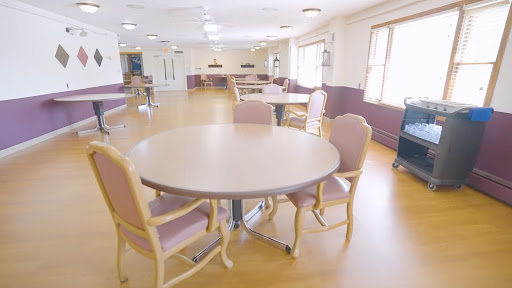
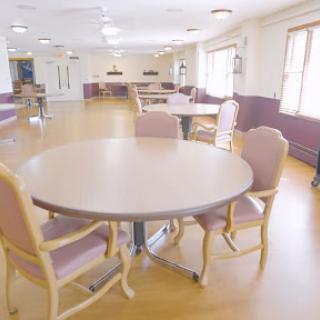
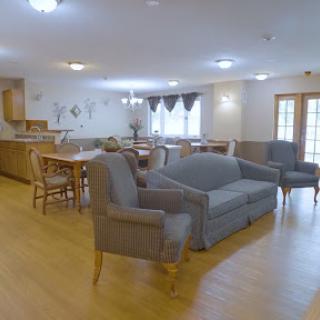
 Dining room
 Fitness room
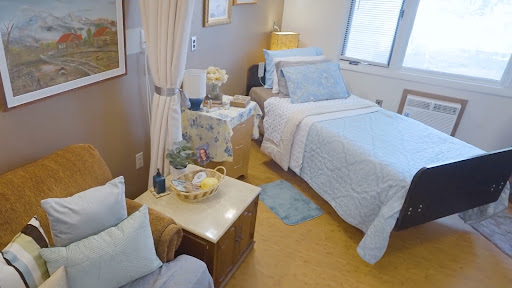
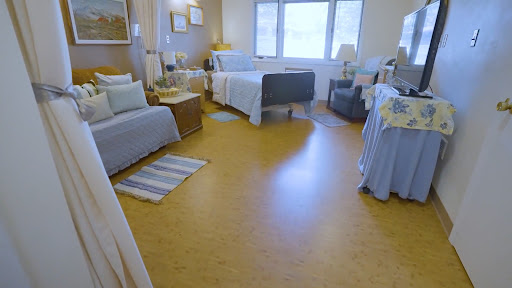
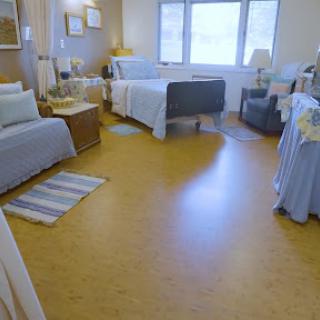
 Fully furnished
 Gaming room
 Garden
 Housekeeping services
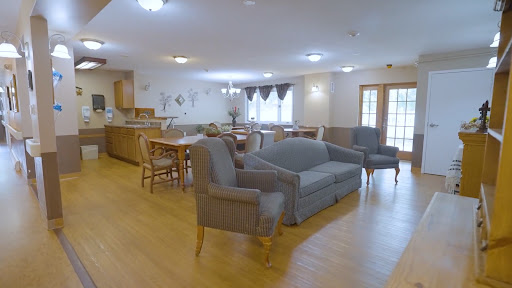
 Kitchenette
 Move-in coordination
 Outdoor space
 Private bathrooms
 Restaurant-style dining
 Small library
 Telephone
 Wellness center
 Wi-Fi/high-speed internet available
 Community operated transportation
 12-16 hour nursing
 24-hour call system
 Activities of daily living assistance
 Assistance with bathing
 Assistance with dressing
 Assistance with transfers
 Diabetes diet
 Medication management
 Mental wellness program
 Special dietary restrictions
 Concierge services
 Planned day trips


 Comprehensive Approaches for Arthritis: A Detailed Guide to Symptoms, Causes, and Care
 Comprehensive Insights and Practical Strategies to Help Older Adults Avoid Falls
 6 Crucial Ways an Elder Law Attorney Assists Families